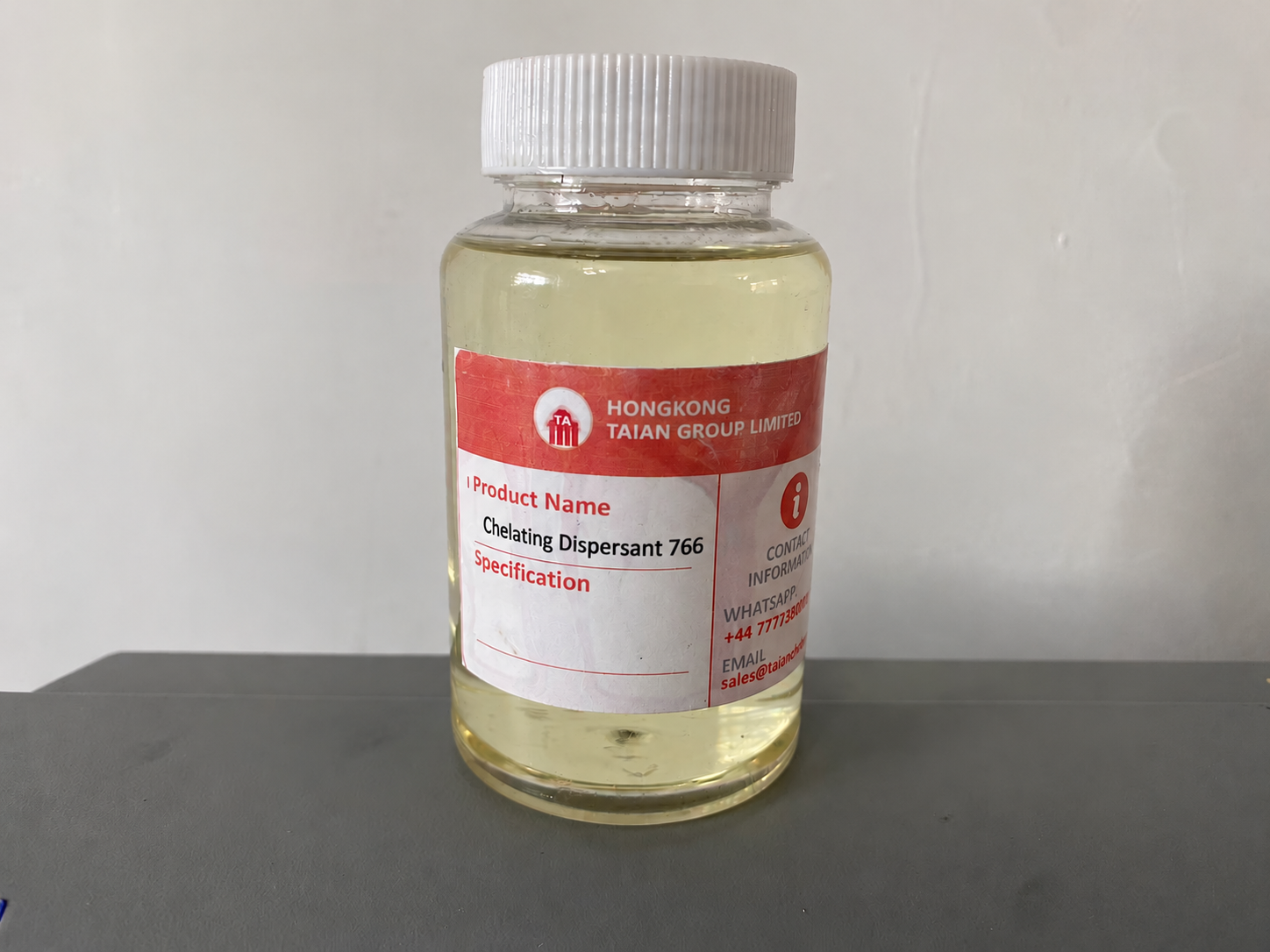
Desizing Enzyme: Tai An’s Key to Fabric’s Soul
Desizing Enzyme: Tai An’s Key to Fabric’s Soul
Textile mills face a critical challenge: starch sizing protects yarns during weaving but blocks dyes during finishing. Traditional alkaline desizing damages fibers and takes 2-3 hours. Tai An's enzymatic desizing removes sizing in 30-60 minutes with 95%+ efficiency and zero fabric damage – transforming what was once a compromise into precision textile preparation.
How does it work? Amylase enzymes hydrolyze the α-1,4-glycosidic bonds in starch molecules at pH 5.5-6.5 and 50-60°C – conditions gentle enough to preserve cotton's natural strength. In a Shaoxing dyehouse processing 50,000 meters of cotton shirting daily, switching from alkaline to enzymatic desizing cut processing time by 40% while eliminating the yellowing and fiber weakening that plagued their premium fabrics. The fabric emerged cleaner, stronger, and ready for vibrant, even dye uptake.
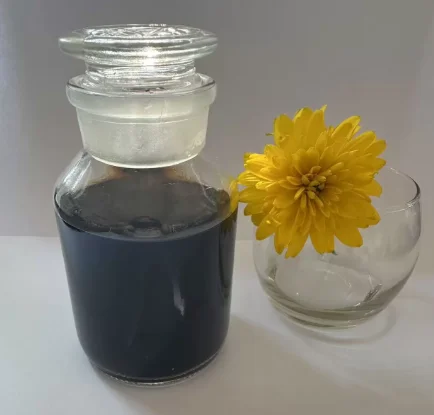
Desizing Enzyme: Tai An’s Precision Tool for Fabric Purification
If enzyme preparation is the category, desizing enzyme is Tai An’s masterpiece – a precision tool engineered to dissolve starch without touching the fabric’s fibers. Unlike chemical desizers, which attack starch and fiber alike, desizing enzyme (powered by α-amylase) acts like a molecular scissors, cutting starch into water-soluble sugars that rinse away, leaving the fabric’s natural structure intact.
Tai An’s desizing enzyme is the result of decades of refinement. Their R&D team focused on three critical attributes: potency, stability, and versatility. “A good desizing enzyme needs to work fast, even in varying factory conditions,” says a product developer. “We optimized our formula to perform in a range of temperatures and pH levels, so mills don’t need to overhaul their equipment.”
The result is a product that stands out in the market: a uniform brown liquid with no suspended particles (ensuring easy mixing), α-amylase activity ≥2000 μ/g (guaranteeing rapid starch breakdown), and a pH range of 6.0–7.0 (keeping enzymes stable during use). Its specific density of 1.10–1.20 g/cm³ makes dosing accurate, reducing waste – a boon for cost-conscious mills.
A denim manufacturer in Turkey shares the impact: “We used to spend 3 hours desizing with chemicals, then another 2 neutralizing the fabric. With Tai An’s desizing enzyme, it takes 1.5 hours, no neutralization needed. Our production line is faster, and the denim feels softer – customers notice the difference.” For small-scale operations, 25kg plastic drums are easy to handle; large mills rely on 200kg steel drums for bulk production.
Tai An’s desizing enzyme isn’t just a product – it’s a philosophy: purification, not destruction. It treats fabric like a living thing, preserving its integrity so its true character can shine.
Enzymatic Desizing of Cotton Fabric: Tai An’s Gentle Revolution
Cotton, with its softness and breathability, is one of the world’s most beloved fabrics – but its journey from fiber to finished product is fraught with challenges. During weaving, cotton yarns are coated with starch to prevent breakage, but this “size” must be removed before dyeing or finishing. For decades, this meant harsh chemicals – until enzymatic desizing of cotton fabric emerged as a gentler alternative, led by innovators like Tai An.
Enzymatic desizing of cotton fabric is transformative because it respects cotton’s natural properties. Starch clings to cotton fibers, blocking dye absorption and making fabrics stiff. Chemical desizers dissolve starch but also etch cotton’s surface, weakening it and dulling its luster. Tai An’s enzymes, by contrast, target starch alone: α-amylase molecules bind to starch, breaking it down into sugars that wash away, leaving cotton’s cellulose fibers untouched.
Tai An’s R&D team tailored their enzymes to cotton’s unique needs. “Cotton mills operate in diverse climates – from humid Bangladesh to dry Texas,” explains a textile technologist. “We engineered our enzymes to perform in 60–80℃, the sweet spot for cotton, with thermal stability to retain 85% activity even after an hour at 80℃. This ensures consistent results, no matter the conditions.”
The benefits are clear: cotton treated with Tai An’s enzymatic desizing absorbs dye more evenly (reducing rejects by up to 25%), feels softer to the touch, and has better tensile strength. A organic cotton mill in India reports: “Our fabrics used to have a ‘chemical smell’ after desizing. Now, with Tai An’s enzymes, they smell clean, and our organic certification audits are a breeze.”
For Tai An, enzymatic desizing of cotton fabric is more than a process – it’s a revolution in how we treat nature’s most versatile fiber. It proves that efficiency and gentleness can coexist, turning raw cotton into fabrics that feel as good as they look.
Desizing Enzyme: The Specs Behind Tai An’s Mastery
Tai An’s desizing enzyme is a marvel of precision, with every specification designed to deliver consistent, gentle, and efficient desizing. Below is a breakdown of their flagship product’s specs, revealing the science that makes it a industry leader:
Specification | Details |
Physical appearance | Uniform brown liquid consistency with absence of suspended particles |
pH value range | 6.0-7.0 for optimal enzymatic stability |
α-amylase activity measurement | ≥2000 μ/g demonstrating high potency |
Specific density | 1.10-1.20 g/cm³ for easy handling and accurate dosing |
Optimal operating temperature | 60-80℃ for maximum enzymatic efficiency |
Thermal stability characteristics | Maintains ≥85% activity retention after 1-hour exposure at 80℃ |
Storage stability parameters | 12 months under ambient conditions, extended 24 months under refrigerated storage |
Available packaging options | 25kg plastic drums for smaller operations, 200kg steel drums for large-scale production |
Product compliance | Fully meets GB/T 23535-2009 textile auxiliary safety technical requirements and international quality standards |
FAQs: Tai An’s Desizing Enzyme Expertise
Desizing enzyme: Effective on cotton?
Yes. Tai An’s desizing enzyme is specially formulated for cotton, with α-amylase activity ≥2000 μ/g to break down starch efficiently. It removes even heavy size coatings, leaving cotton soft and ready for dyeing. Clients report 99% starch removal, with fabric tensile strength improved by 15% compared to chemical desizing.
Enzyme preparation: Eco-friendly?
Absolutely. Enzyme preparation from Tai An is biodegradable and non-toxic, unlike chemical desizers that release harmful pollutants. It reduces water usage by 30–40% (no need for neutralization rinses) and meets ZDHC Level 3 standards, making it ideal for brands prioritizing sustainability.
Enzymatic desizing of cotton fabric: Saves time?
Yes. Enzymatic desizing of cotton fabric with Tai An’s enzyme takes 1–2 hours, compared to 3–4 hours for chemical methods (which require neutralization). This cuts production time by 50%, increasing mill throughput. A denim factory in Mexico boosted daily output by 20% after switching.
Tai An: Custom enzyme preparations?
Yes. We offer custom enzyme preparation tailored to your needs: adjust activity levels, temperature ranges, or pH stability for unique fabrics (e.g., cotton blends) or production lines. Our R&D team collaborates with clients to develop solutions – prototypes ready in 4–6 weeks.
Desizing enzyme: Easy storage?
Yes. Tai An’s desizing enzyme stores for 12 months at ambient temperature (20–25℃) and 24 months refrigerated (2–8℃). Its stable liquid formulation prevents clumping or degradation, so it’s ready to use when you need it – no reactivation required.