
Weighting Agent is developed to enhance fabric quality by increasing mass and fullness while maintaining a balanced hand feel. One of its main advantages is its ability to add fabric weight evenly, improving drape and visual richness without causing stiffness or surface defects. This makes it especially suitable for fabrics where a heavier, more luxurious feel is required.
Another key benefit of Weighting Agent is its excellent fabric compatibility. It penetrates evenly into the fabric structure, ensuring uniform weight distribution across the entire textile surface. This prevents patchiness or uneven thickness, which can occur with inferior weighting solutions. As a result, treated fabrics exhibit a smooth appearance and consistent quality.
Weighting Agent also contributes to improved fabric performance. By increasing fabric density, it enhances shape retention, reduces fluttering, and improves resistance to deformation during use. These properties are particularly valuable for garments, home textiles, and decorative fabrics that require better drape and stability.
From a production standpoint, Weighting Agent offers easy application and high process efficiency. It is compatible with common finishing methods such as padding and exhaust finishing and integrates well with other auxiliaries like softeners and resins. Its stable performance helps reduce reprocessing and quality variations, making it a cost-effective and reliable solution for modern textile finishing operations.
Weighting Agent is formulated with optimized technical characteristics to ensure stable and consistent performance across various textile finishing applications. It is typically supplied in liquid form, allowing for easy handling, dilution, and precise dosage control.
Appearance: Transparent to milky liquid
Ionic Character: Non-ionic or weakly anionic
Solubility: Dispersible in water
pH Value: Neutral to slightly acidic
Recommended Fibers: Cotton, polyester, viscose, blended fabrics, decorative textiles
Application Methods: Padding, exhaust finishing, continuous finishing
Compatibility: Compatible with softeners, resins, hardening agents, and other finishing auxiliaries
Thermal Stability: Stable under standard drying and curing temperatures
Storage Stability: Stable under normal storage conditions, no sedimentation
Weighting Agent allows flexible adjustment of fabric weight by controlling concentration and application parameters. It performs reliably in both batch and continuous finishing processes, supporting consistent results in large-scale production.
For optimal performance, dosage and curing conditions should be adjusted according to fabric type and desired weight effect. Proper storage in a cool, dry environment ensures long-term product stability and effectiveness.
In textile finishing, weighting agents are used to modify fabric mass, drape, and visual appeal. Lightweight fabrics may lack body or appear thin, which can reduce perceived quality. Weighting Agent addresses this issue by increasing fabric density while preserving softness and flexibility.
The working mechanism of a Weighting Agent typically involves the deposition of functional components within the fabric structure. These components bind to fibers or fill inter-fiber spaces, increasing overall mass and improving drape. Unlike simple coatings, high-quality weighting agents distribute evenly and remain stable after washing and use.
Weighting agents are commonly applied to garments, curtains, upholstery fabrics, scarves, and decorative textiles. They are also used in specialty fabrics where improved fullness and premium appearance are required. Compared with mechanical methods, chemical weighting offers better uniformity and long-lasting performance.
Proper process control is essential when using weighting agents. Excessive dosage may lead to overly heavy or stiff fabrics, while insufficient application may not achieve the desired effect. By understanding fabric structure, application methods, and finishing conditions, manufacturers can effectively use Weighting Agent to enhance fabric quality, appearance, and market competitiveness.
Visual materials play an important role in demonstrating the performance and benefits of Weighting Agent. Typical product and application images include:
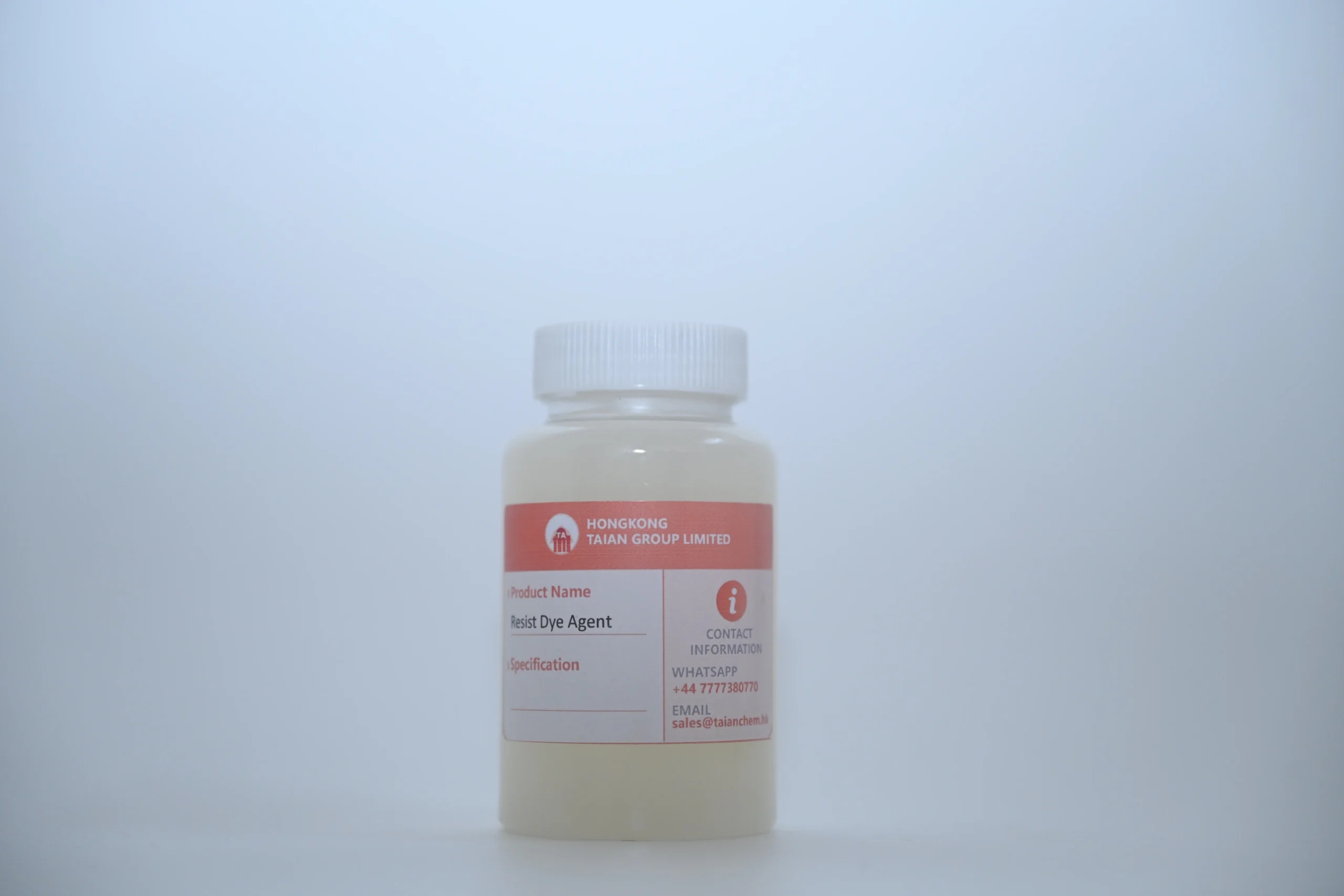
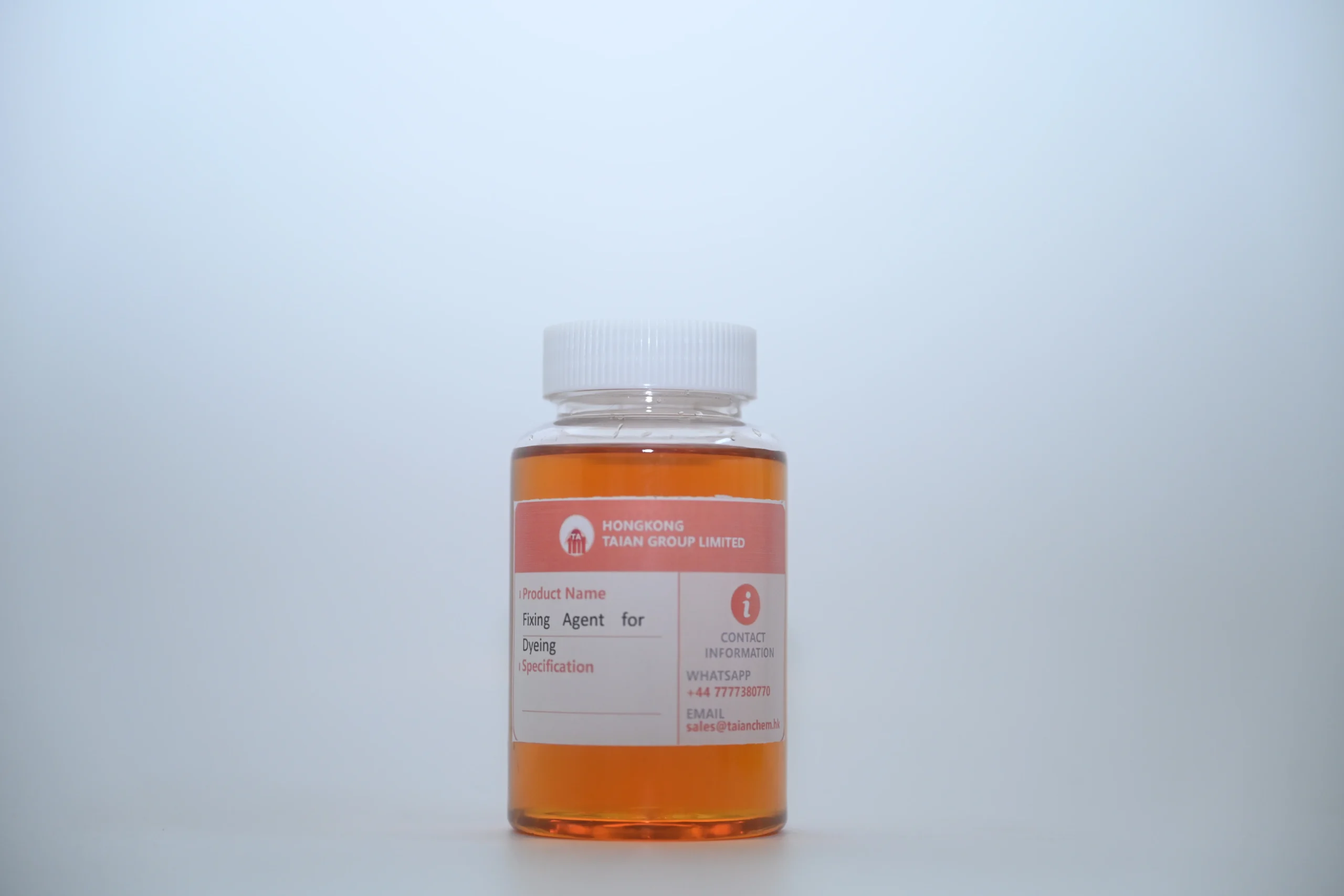
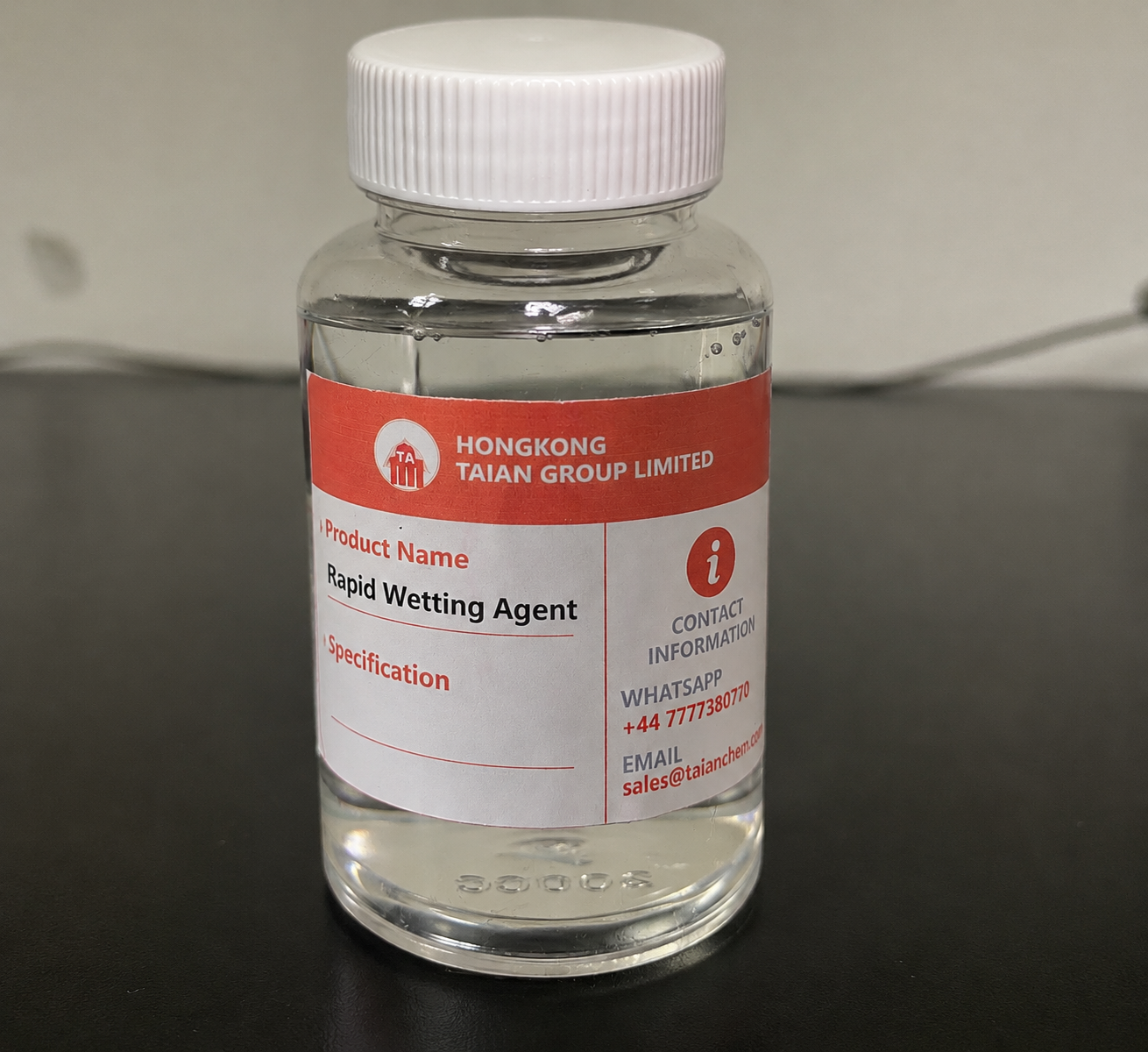
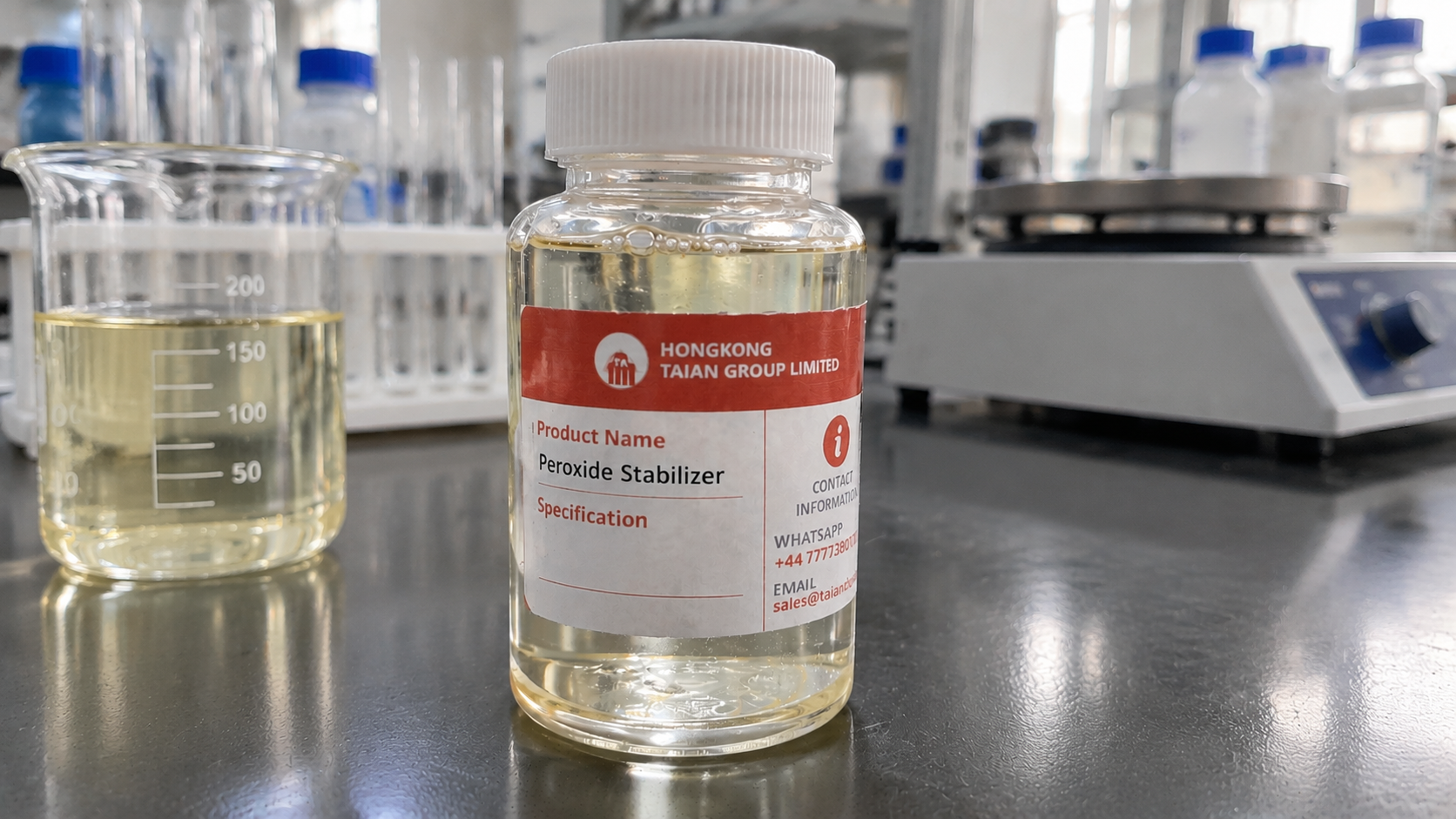
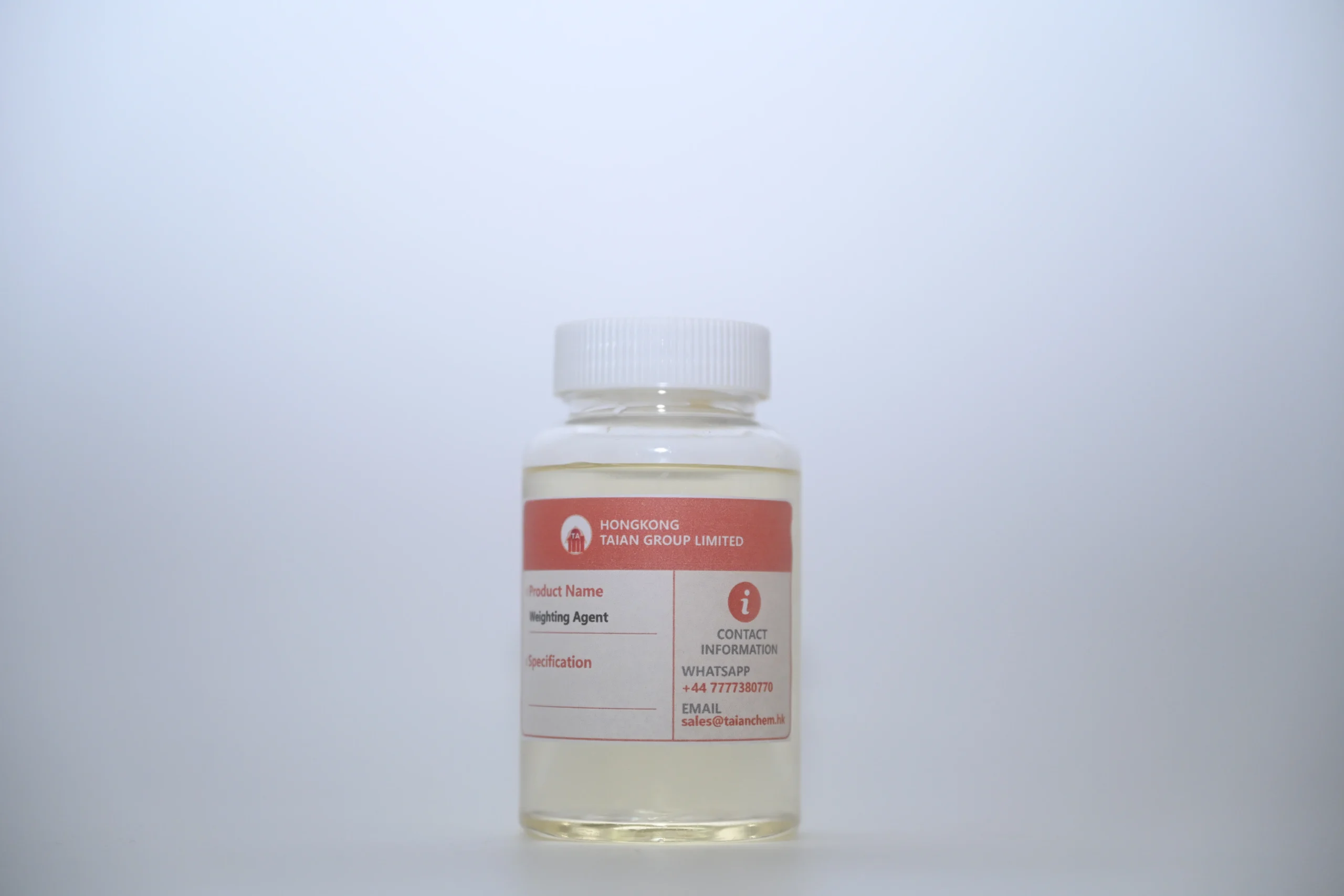
Product Appearance: Images showing the liquid form of the Weighting Agent, highlighting ease of handling and dosing.
Finishing Process: Photos of padding or exhaust finishing lines where Weighting Agent is applied.
Fabric Comparison: Before-and-after images showing increased drape, fullness, and improved fabric appearance.
End Applications: Finished products such as garments, curtains, upholstery fabrics, and decorative textiles treated with Weighting Agent.
These images provide clear visual support for technical explanations and marketing materials, helping customers quickly understand application methods, functional benefits, and final fabric performance.