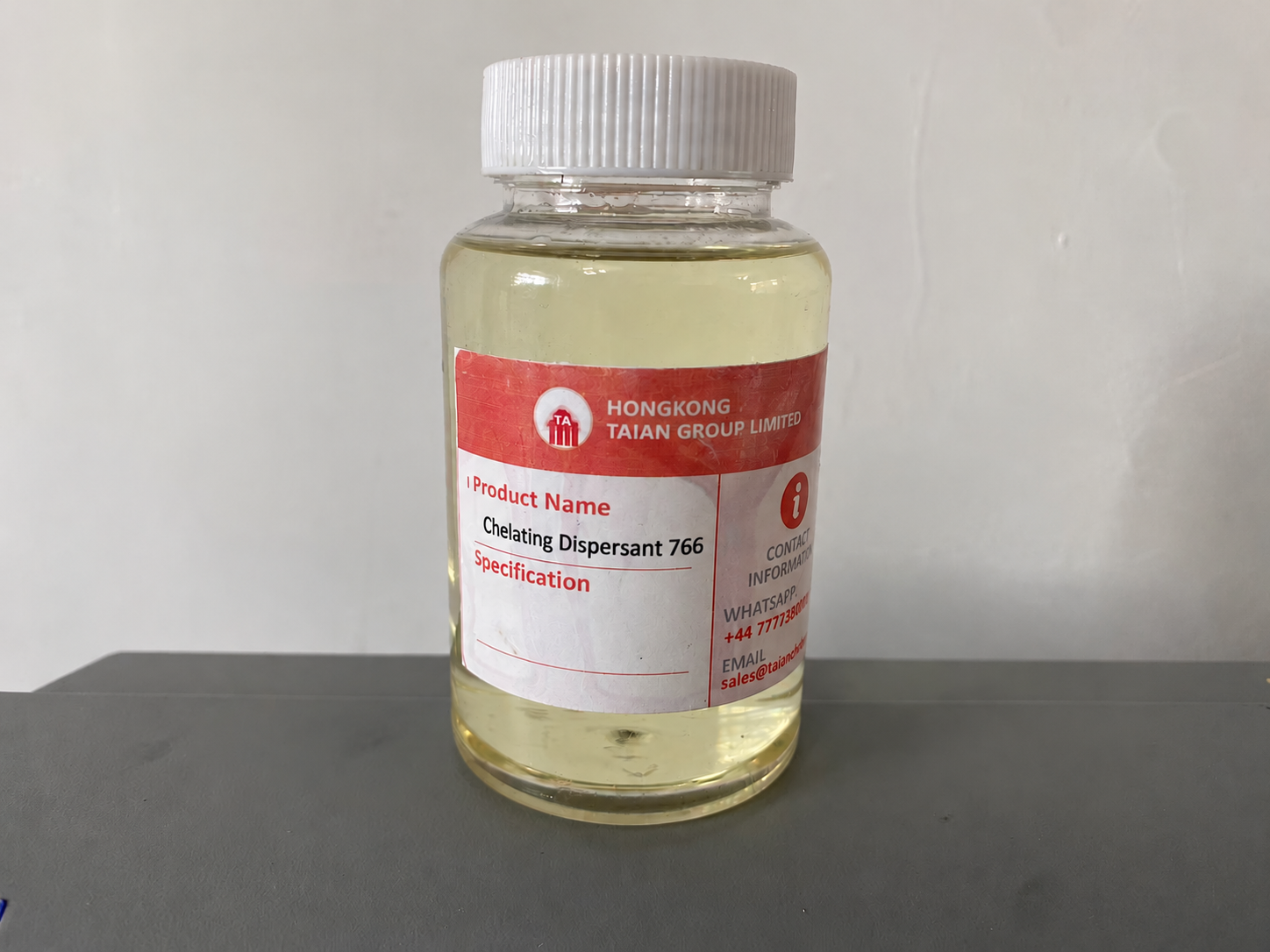
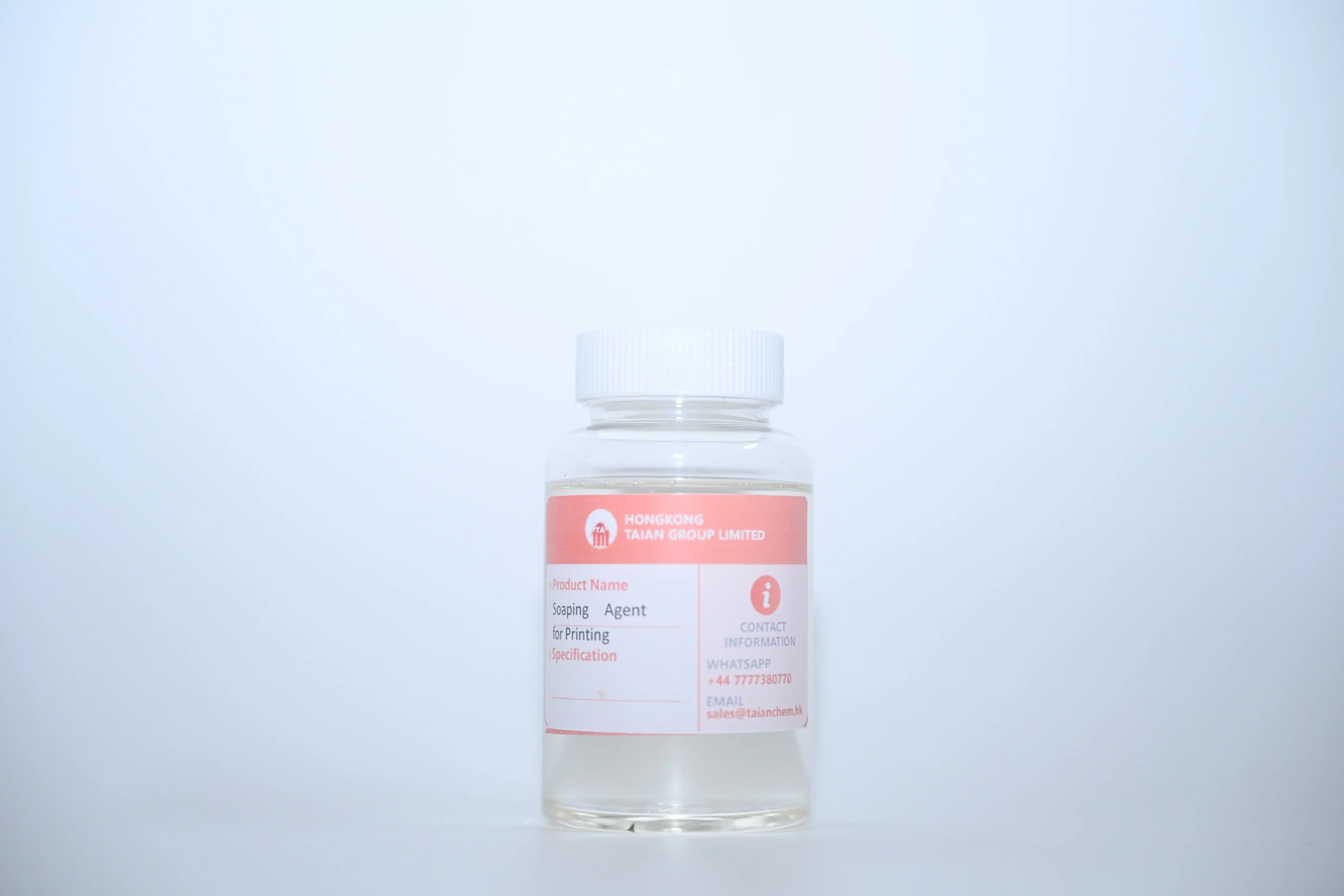

Post-printing treatment is a critical step in textile manufacturing, ensuring that fabrics not only look vibrant immediately after printing but also retain their color and pattern integrity throughout their lifespan. Among the most important post-printing auxiliaries is the Soaping Agent for Printing, specifically formulated to remove unfixed or hydrolyzed dyes remaining on fabric surfaces after printing. These residual dyes, if not properly managed, can migrate, causing back-staining, uneven shades, or dull appearance. By dispersing and removing these unstable dye molecules, the Soaping Agent ensures that printed fabrics achieve bright, clean, and sharply defined designs, contributing to high-quality textile products.
In reactive, vat, or disperse printing, not all dye molecules fully attach to the fibers during fixation. These unfixed or partially hydrolyzed dyes remain loosely adhered to the fabric surface and can create multiple problems if left untreated. For instance, they may redeposit during washing, leading to color contamination in lighter areas, blurred patterns, or diminished vibrancy.
The Soaping Agent works by solubilizing and dispersing these unfixed dyes within the washing bath. Its action prevents dyes from re-depositing onto the fabric, keeping them suspended in solution so they can be easily removed through rinsing. This ensures that even fabrics with complex, multi-color patterns or large areas of light or white base retain their clarity and precision. By controlling dye mobility during post-printing, the agent helps preserve the sharpness of patterns and the intended visual impact of the design.
One of the primary goals of post-printing soaping is to enhance wash fastness. Fabrics that are inadequately soaped often exhibit color bleeding, fading, or uneven shading after repeated laundering, compromising both appearance and consumer satisfaction. The Soaping Agent mitigates these issues by ensuring that all unfixed dyes are removed from the surface before the fabric leaves the production line.
This treatment strengthens the long-term color stability of the printed textile. By preventing dye migration and minimizing hydrolyzed dye residues, the fabric maintains its intended color intensity, contrasts, and crisp edges. Garments, home textiles, and decorative fabrics treated with this agent retain a professional appearance over time, supporting higher product quality and consumer confidence. This is particularly important for premium textiles such as fashion apparel, children’s clothing, scarves, bedding, and upholstery, where wash durability and color integrity are key selling points.
Back-staining—where loose dyes migrate to areas of contrasting color, often whites or pastels—is a significant concern in printed textiles. Multi-color patterns and designs with large white or light-colored sections are particularly vulnerable. The Soaping Agent effectively captures and disperses these loose dye molecules, preventing them from redepositing onto the fabric.
By controlling back-staining, the agent ensures that whites remain bright and that contrasts within the design are sharp and well-defined. This contributes to a cleaner, more refined overall appearance and enhances the visual impact of the textile. Fabrics treated with the Soaping Agent achieve a higher level of finish quality, with smoother surfaces, even shades, and consistent pattern definition—essential for textiles intended for high-end markets or stringent quality standards.
The Soaping Agent for Printing is engineered for versatility and consistent performance across various printing technologies. Its robust formulation allows it to function effectively under different temperatures, pH levels, and processing conditions, making it suitable for both batch and continuous washing systems. It can be applied to fabrics printed with:
Reactive printing, commonly used for cotton and other cellulose fibers
Vat printing, ideal for deep and durable shades
Disperse printing, especially for polyester and blended fabrics
Digital printing with reactive or vat inks, enabling high-precision designs
This broad compatibility ensures that manufacturers can rely on a single auxiliary for multiple processes, streamlining post-printing operations and reducing the need for multiple specialized chemicals.
The Soaping Agent can be combined with other post-printing auxiliaries such as fixatives, softeners, and anti-back-staining agents. Its synergistic effect helps maintain the desired fabric hand feel and surface smoothness while ensuring maximum color retention and stability. This integration is particularly beneficial for fabrics requiring both aesthetic and functional properties, such as soft, wearable apparel or high-performance home textiles.
By supporting multiple performance attributes simultaneously—cleaning residual dyes, improving wash fastness, preventing back-staining, and maintaining fabric softness—the Soaping Agent ensures that post-printing is both efficient and effective, contributing to superior end-product quality.
In modern textile manufacturing, quality consistency, production efficiency, and reduced rework are vital. The Soaping Agent for Printing plays a key role in achieving these objectives. By ensuring complete removal of unfixed dyes, minimizing back-staining, and enhancing wash fastness, it allows manufacturers to produce textiles with predictable and reliable outcomes.
The agent reduces defect rates, prevents costly reprocessing, and facilitates smoother production workflows. Its robust performance across various fabrics, inks, and washing systems makes it a dependable solution for printers seeking to maintain high standards in fashion, home décor, children’s wear, and industrial textiles. By integrating the Soaping Agent into post-printing processes, manufacturers can consistently deliver vibrant, clean, and durable printed fabrics that meet consumer expectations and regulatory quality standards.
The Soaping Agent for Printing is an indispensable post-printing auxiliary for modern textile production. Its ability to remove unfixed and hydrolyzed dyes, prevent back-staining, improve wash fastness, and enhance overall fabric appearance ensures that printed textiles achieve both visual excellence and long-term durability. With versatility across multiple printing processes and compatibility with other finishing treatments, it provides manufacturers with a reliable, efficient, and high-performing solution. By incorporating this agent into post-printing workflows, textile producers can achieve superior quality, maintain brand reputation, and meet the growing demands of global markets for vibrant, durable, and high-quality printed fabrics.