
Turkey Red Oil is valued in the textile industry for its excellent emulsifying and wetting performance, making it a reliable auxiliary across multiple processing stages. Its molecular structure allows oils, waxes, and hydrophobic substances to be evenly dispersed in aqueous systems, improving process stability and treatment uniformity. This property is especially important in scouring, dyeing, and finishing operations where consistent wetting and penetration are critical.
One of the key advantages of Turkey Red Oil is its broad fiber compatibility. It can be effectively used on natural fibers such as cotton, wool, and silk, as well as on blended fabrics. During dyeing and printing, it helps dyes distribute evenly across the fiber surface, reducing patchiness and improving shade uniformity. This results in better reproducibility and higher product quality.
Turkey Red Oil also functions as an effective softening and lubricating agent. Treated fabrics exhibit improved smoothness, flexibility, and hand feel without excessive greasiness. This makes it suitable for applications where both functional performance and comfort are required, such as garments, home textiles, and decorative fabrics.
From a production standpoint, Turkey Red Oil is easy to handle and integrates well with existing formulations. It is compatible with many other textile auxiliaries, reducing formulation complexity and minimizing processing risks. Its long-standing industrial use and proven reliability make Turkey Red Oil a cost-effective and trusted solution for modern textile manufacturers.
Turkey Red Oil is supplied as a viscous liquid with optimized chemical properties designed for stable and efficient textile processing. Its technical characteristics support a wide range of applications while ensuring consistent performance.
Chemical Type: Sulfonated castor oil
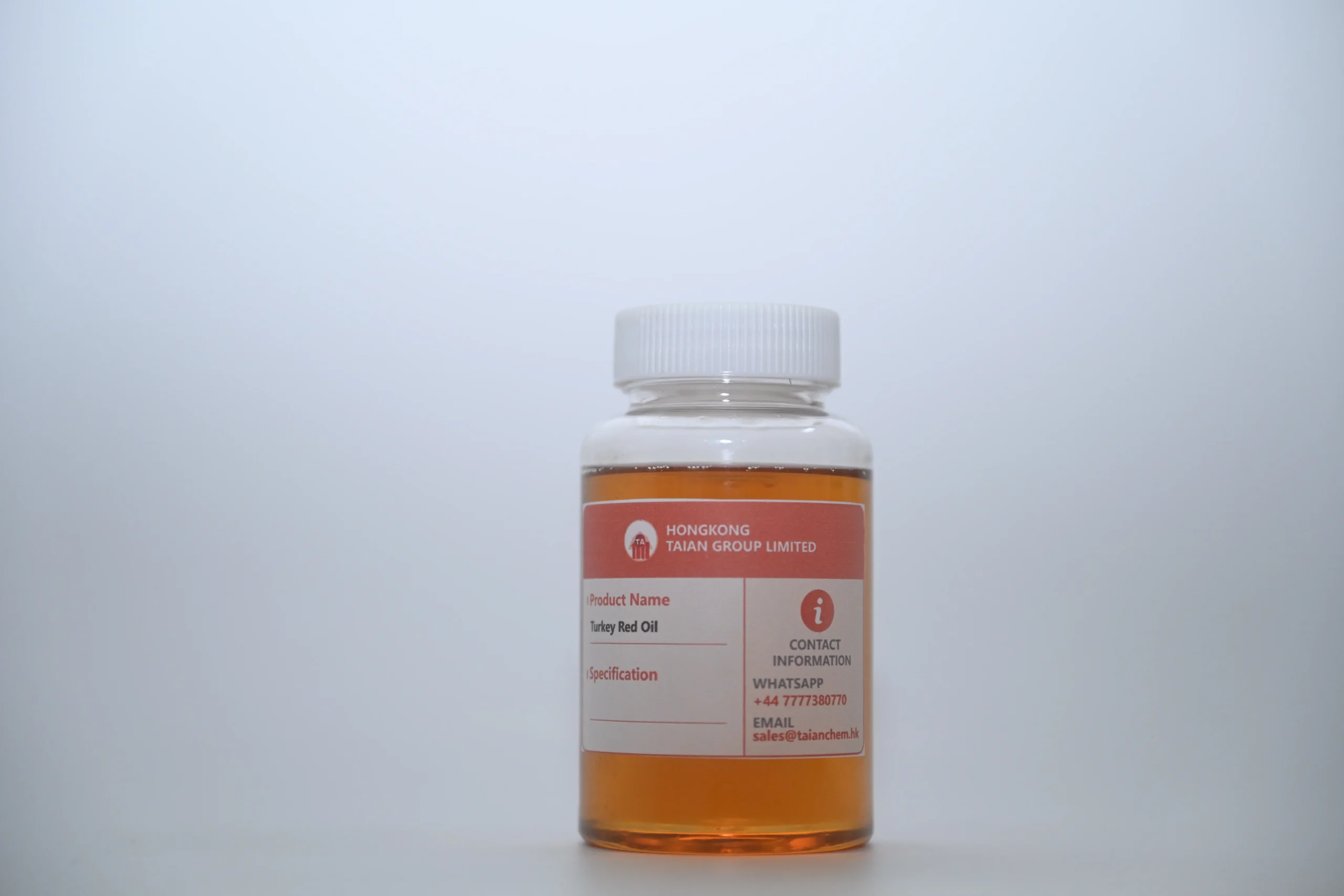
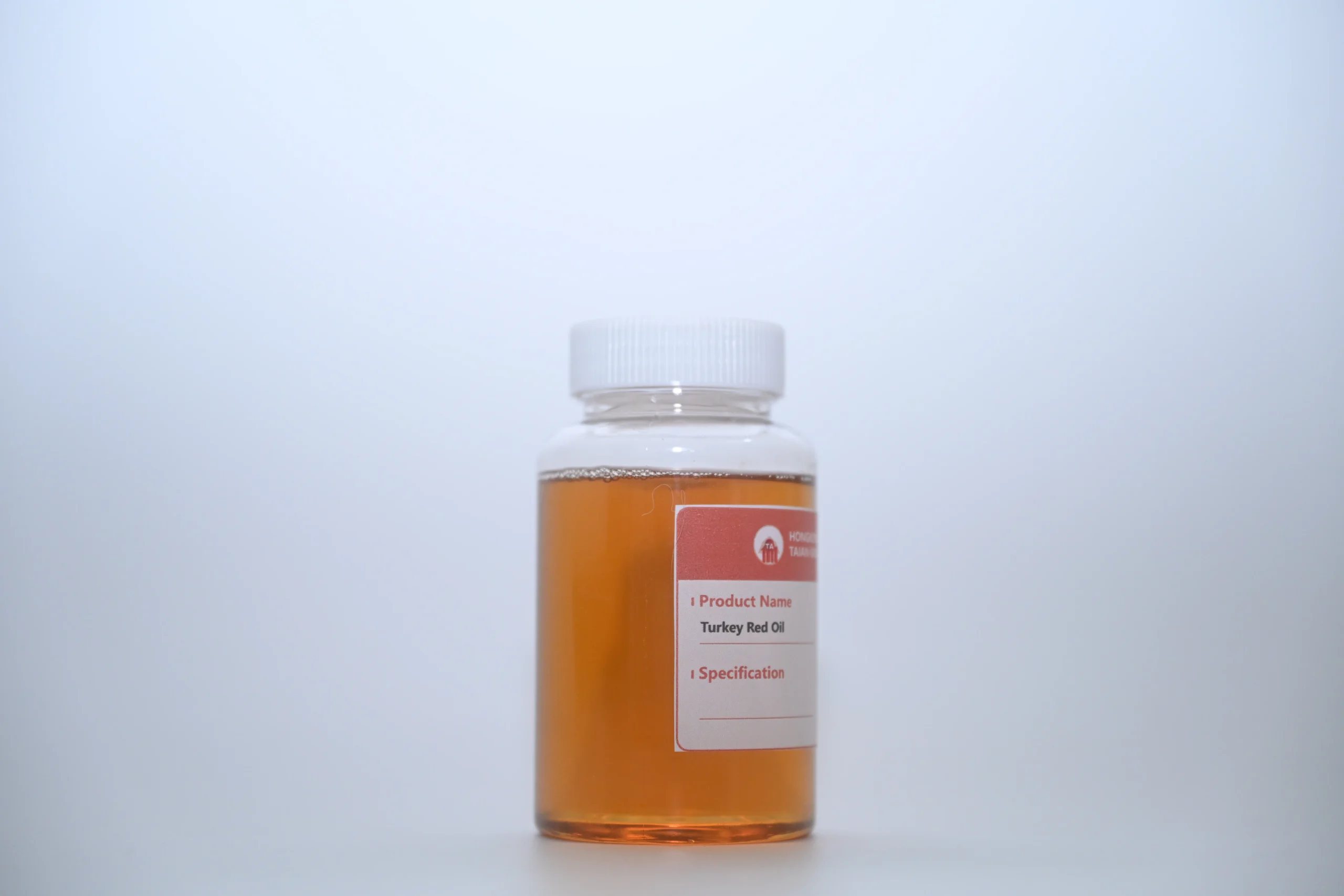
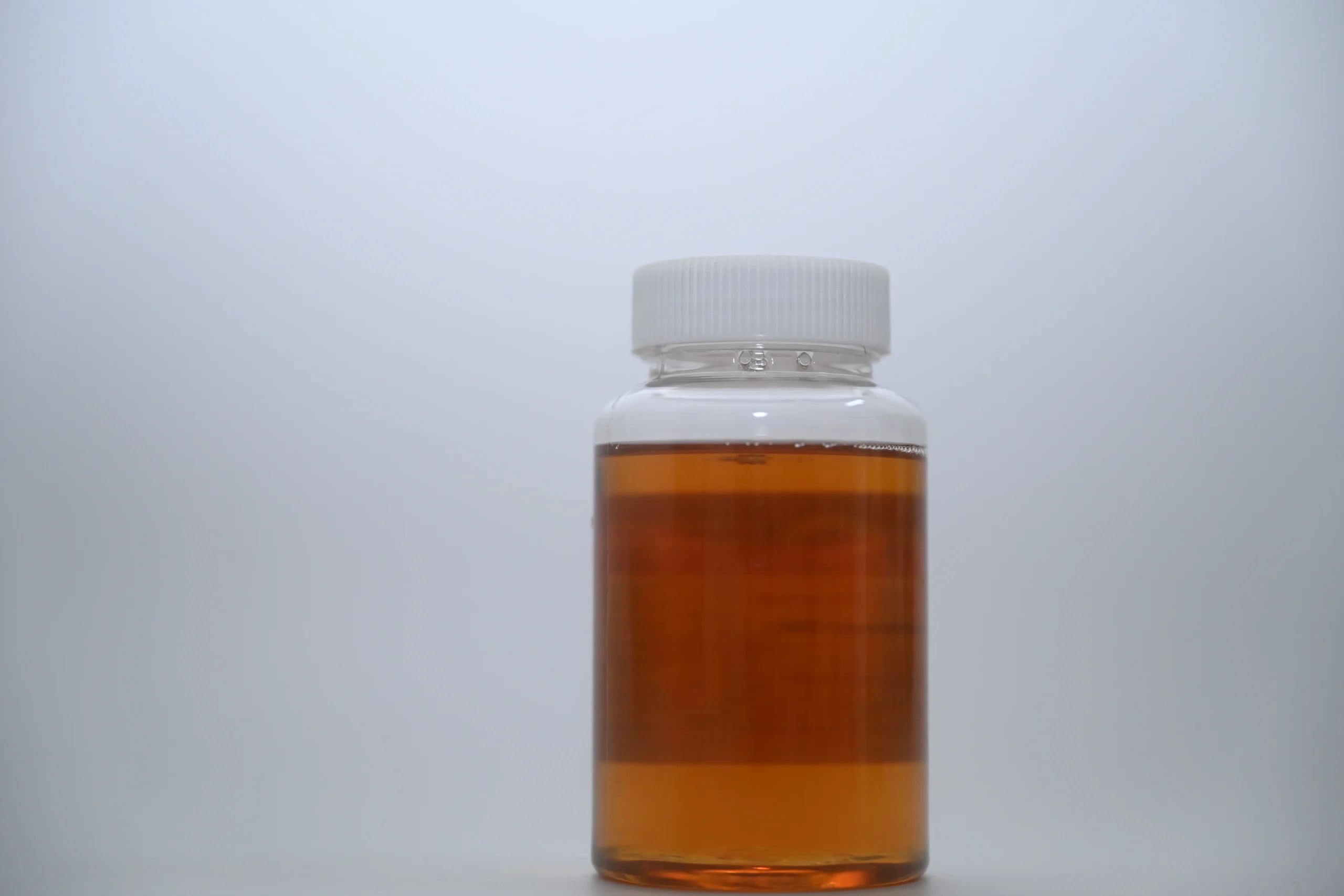
Appearance: Brownish-red to dark red viscous liquid
Ionic Character: Anionic
Solubility: Easily soluble in water, forming a stable emulsion
pH Value: Mildly acidic to neutral
Emulsifying Ability: Excellent, effective with mineral and vegetable oils
Wetting Performance: Strong wetting and penetrating power
Recommended Fibers: Cotton, wool, silk, viscose, blended fabrics
Compatibility: Compatible with most anionic and non-ionic auxiliaries
Storage Stability: Stable under normal storage conditions
Turkey Red Oil performs well over a wide temperature range and maintains emulsification stability during processing. It can be applied through padding, exhaust, or direct addition to treatment baths. Proper dilution ensures uniform distribution and optimal performance.
For best results, storage should be in a cool, dry place away from direct sunlight. Under recommended conditions, the product maintains long-term stability without separation or degradation.
Turkey Red Oil, also known as sulfonated castor oil, has a long history of use in textile processing. Its name originates from its early application in producing “Turkey red” dyed fabrics, where it played a crucial role in preparing fibers for deep and bright coloration.
The primary function of Turkey Red Oil lies in its ability to act as an emulsifier, wetting agent, and dispersant. By modifying the surface tension of water, it allows liquids to spread more easily over fiber surfaces, ensuring better penetration and interaction between fibers and treatment chemicals. This mechanism improves processing efficiency and reduces uneven treatment.
In dyeing and printing, Turkey Red Oil enhances dye uptake and distribution, contributing to more uniform shades and improved color depth. In finishing processes, it provides lubrication and softness, reducing fiber damage and improving fabric hand feel. It is also used in scouring processes to remove natural oils and impurities from fibers.
Compared with synthetic surfactants, Turkey Red Oil is derived from natural castor oil, making it relatively biodegradable and environmentally friendly. Understanding correct dosage and application methods is essential, as excessive use may affect absorbency or dye fixation. When used appropriately, Turkey Red Oil remains a versatile and indispensable auxiliary in both traditional and modern textile manufacturing.
Visual presentation helps illustrate the versatility and effectiveness of Turkey Red Oil in textile processing. Typical product and application images include:
Product Appearance: Images showing the characteristic reddish-brown viscous liquid, emphasizing product consistency and quality.
Processing Stages: Photos of scouring, dyeing, or finishing processes where Turkey Red Oil is used as an auxiliary.
Fabric Performance: Before-and-after comparisons highlighting improved wetting, softness, and uniform dyeing results.
End Applications: Finished textiles such as garments, scarves, home textiles, and decorative fabrics treated with Turkey Red Oil.
These images provide clear visual support for technical explanations and marketing materials, helping customers understand how Turkey Red Oil functions in real production environments and the benefits it delivers to finished textile products.