
Solves Premium Fiber Processing Challenges:
Our neutral protease addresses the delicate balance required in protein fiber treatment – effective bio-polishing without fiber damage. It gently removes fiber protrusions and surface fuzz, creating smooth, soft fabric with enhanced luster. The enzyme specifically targets protein structures while being gentle enough for delicate wool and silk, preventing the felting and shrinkage issues common with harsh chemical treatments.
Ideal Applications:
Wool fabric bio-polishing and anti-pilling treatment
Silk degumming and softening
Cashmere and mohair finishing
Premium wool garment processing
Luxury home textile finishing (wool blankets, throws)
Anti-felting treatment for washable wool
Fashion fabric enhancement
What Makes Our Product Stand Out:
Our neutral protease is specifically engineered for protein fibers with optimal activity at pH 6.0-8.0, the safe range for wool and silk. Unlike alkaline proteases that can damage fibers, our enzyme works gently at the fiber surface, removing only loose protein fibers while maintaining yarn strength. The formulation includes wool-protective agents that prevent excessive degradation.
Why Choose Us Over Competitors:
Specifically designed for wool and silk (not repurposed from other applications)
Neutral pH operation protects fiber integrity
Reduces pilling by 70-85% in treated fabrics
Improves softness without strength loss
Environmentally safe, biodegradable formulation
Suitable for organic and certified wool processing
Produces consistent, reproducible results
Technical support for process optimization
Parameter | Specification |
Appearance | Light yellow to brown liquid |
Enzyme Type | Neutral Protease |
pH Range | 6.0 – 8.0 |
PH value | 6- 7 |
Optimal pH value | 7.0 |
Enzyme Activity | 20000-80000U/ml |
Water content | ≤8% |
Fineness | Passing40mesh(standard:passing40target sieve≥80% |
Optimal operating temperature | 40℃-55℃ |
Optimal action PH | 6.5-7.5 |
Shelf Life | 24 months (stored properly) |
Storage Conditions | ≤50℃, avoid direct sunlight |
Packaging | 25 kg in polyethylene bag. |
Key Performance Features:
Gentle on protein fibers
Excellent anti-pilling effect
Improves fabric softness and drape
Maintains fiber strength
Low foam formulation
Compatible with softeners
Biodegradable and eco-friendly
Safe for sensitive skin
What is Neutral Protease for Wool Treatment?
Neutral protease is a bio-catalyst that breaks down protein bonds, specifically engineered to operate at neutral pH levels (6.0-8.0) where wool and silk fibers remain stable. Unlike alkaline proteases that can damage protein fibers, neutral protease gently hydrolyzes only the protruding fiber ends and surface proteins that cause pilling and rough texture. The enzyme contains specific amino acid sequences that recognize and cleave peptide bonds in keratin (wool) and fibroin (silk) proteins, creating a smooth, polished surface. This bio-polishing process mimics natural enzymatic degradation but in a controlled, beneficial manner.
What are the Applications of Neutral Protease?
Neutral protease is essential in premium wool processing where quality and fiber protection are paramount. In fashion wool fabric finishing, it creates the soft, luxurious hand feel demanded by high-end markets while reducing pilling for improved garment longevity. For washable wool production, the enzyme provides anti-felting treatment by removing scales from fiber surfaces, enabling machine washing without shrinkage. In silk processing, it assists with degumming – removing sericin protein while maintaining fibroin fiber strength, resulting in softer, more lustrous silk. The enzyme is also used in cashmere and mohair finishing, where preserving the natural softness while improving consistency is crucial.
Product Detail Images:
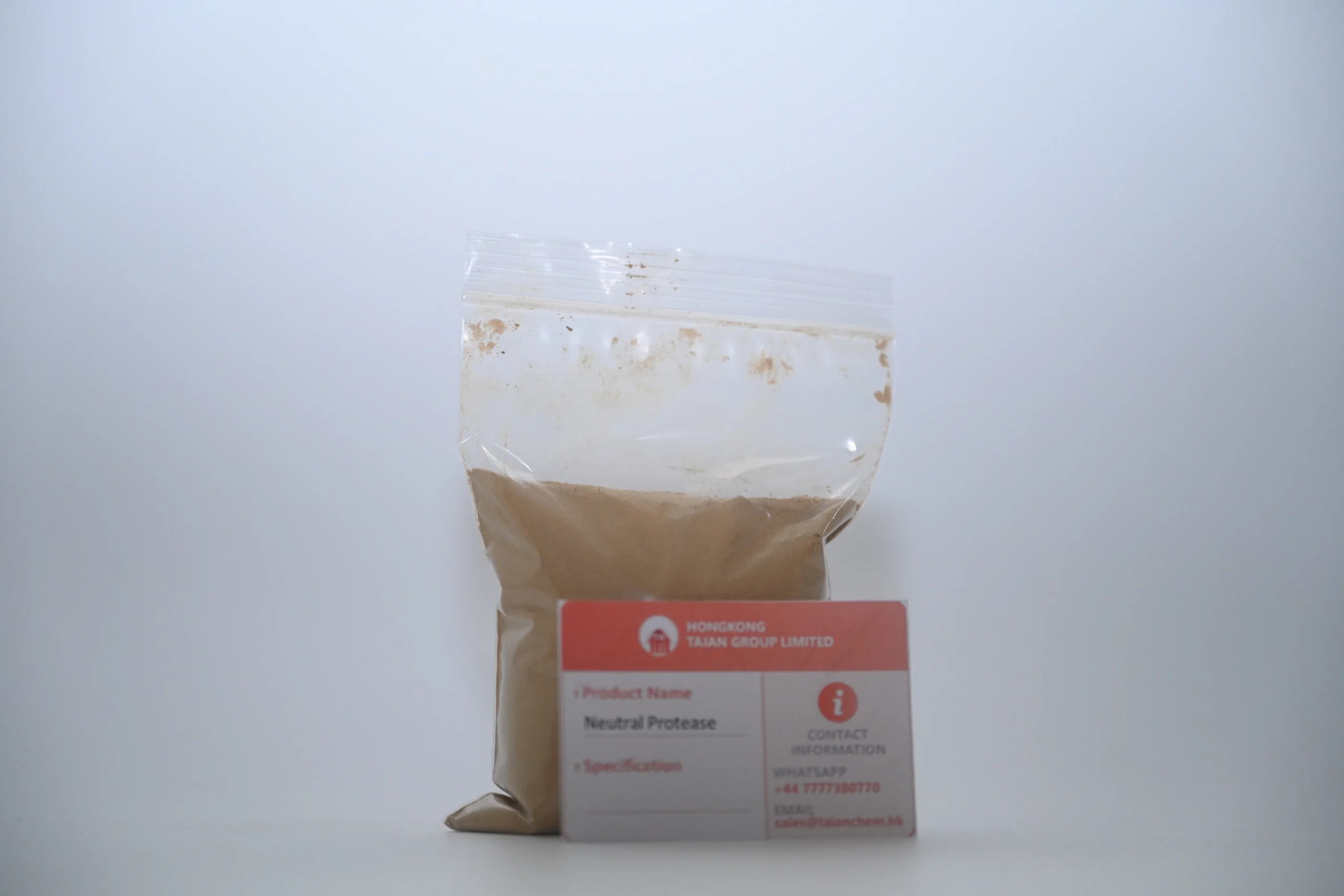
Image 1: Neutral protease enzyme packaging for luxury fiber treatment
Image 2: Microscopic view showing enzyme action on wool fiber surface
Image 3: Quality testing laboratory for enzyme activity verification
Application Scenario Images:
Image 1: Before/after comparison showing pilling reduction on wool fabric
Image 2: Luxury wool garment processing facility using neutral protease
Image 3: Softness testing demonstration on enzyme-treated wool
Video Demonstrations:
Bio-polishing process video showing transformation of wool fabric
Expert tutorial on optimal application for different wool types
Luxury brand testimonial featuring enzyme-treated premium wool products