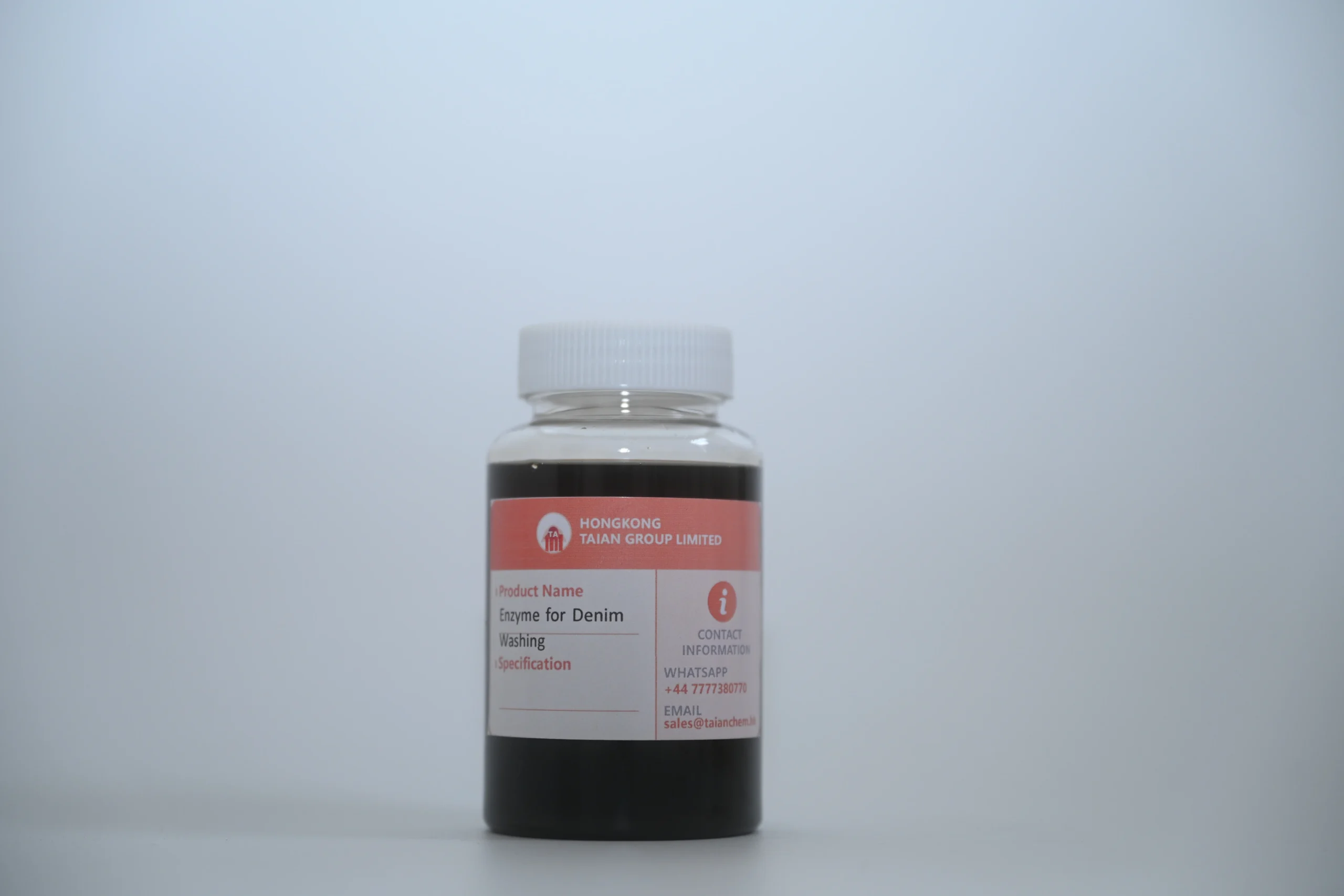
Stop Mixing and Matching Enzymes: One System for Desizing, Bio-Polishing, and Protein-Fiber Finishing
Stop Mixing and Matching Enzymes: One System for Desizing, Bio-Polishing, and Protein-Fiber Finishing
Introduction
Most textile mills we work with don’t have a problem with enzymatic processing itself. Their real headache is managing multiple enzyme suppliers.
Juggling separate vendors for desizing, bio-polishing, and wool or silk finishing means dealing with conflicting product specs, different storage rules, inconsistent quality batches, and endless back-and-forth support. When something goes wrong on the production line, every supplier blames the other — leaving your team to fix the issue.
This is exactly why we built a fully integrated textile enzyme system. Instead of selling standalone enzyme products, we engineered a complete solution that covers every core wet-processing stage. You get unified quality standards, simplified procurement, and one professional team that truly understands textile production and fabric finishing challenges.
-
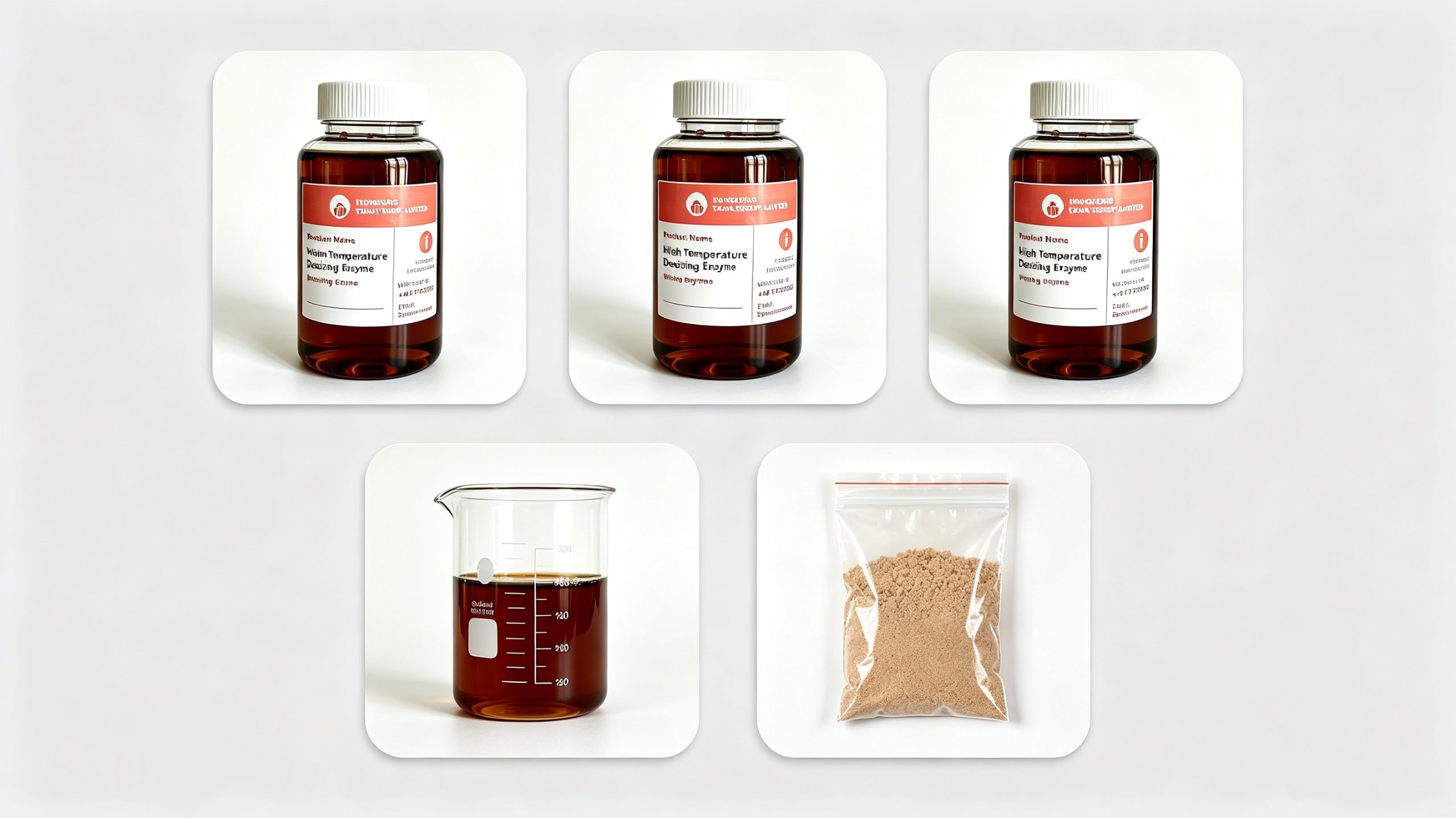
Desizing Enzymes — Three Temperatures, One Consistent Processing Goal
Desizing is the foundational step of all fabric pretreatment. Poor starch removal leads directly to uneven dyeing, visible color spots, and rough, ununiform fabric hand feel — ruining entire production batches.
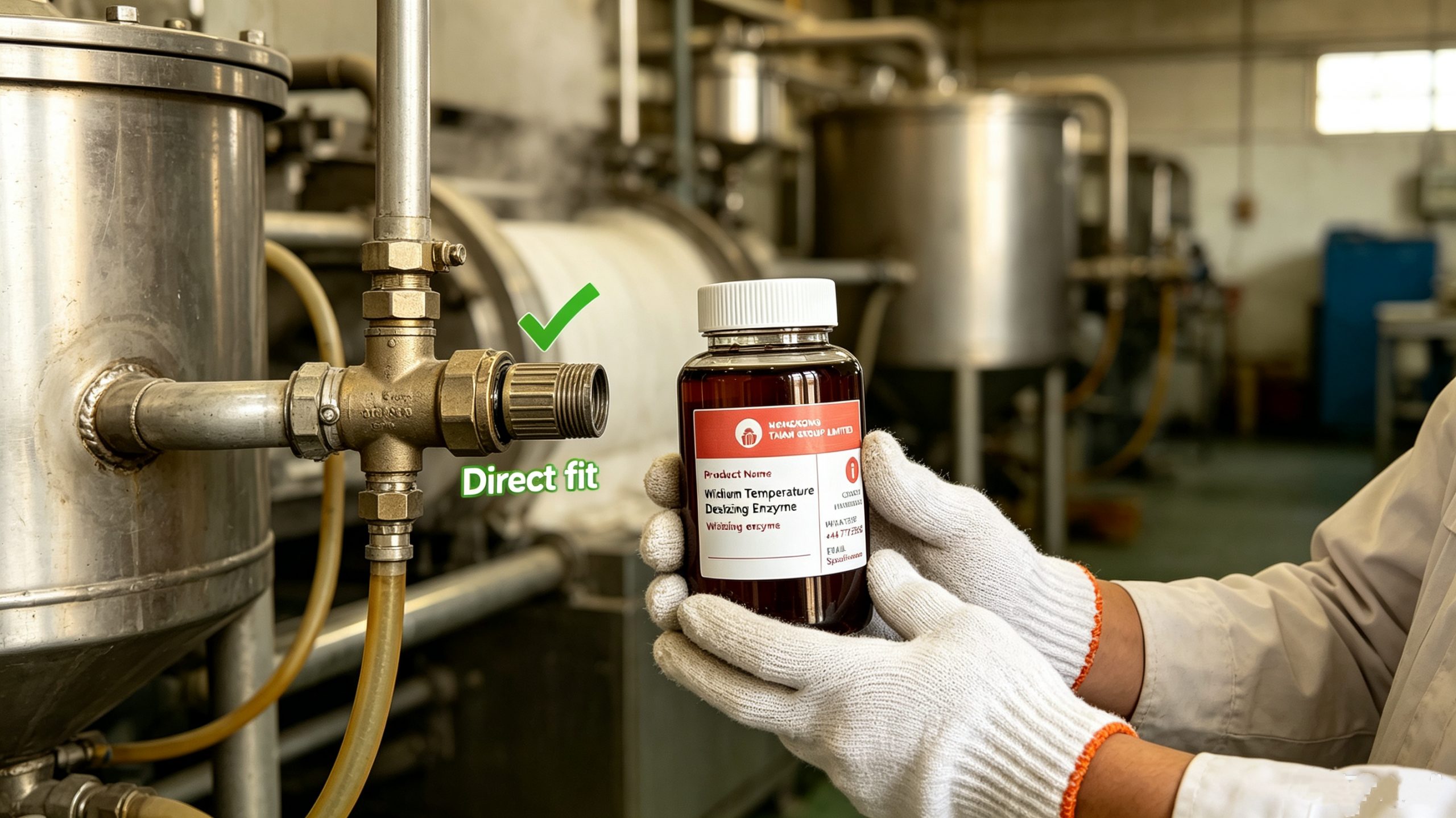
We provide three temperature-specific desizing enzymes tailored to your existing production conditions, so you never need to adjust your machinery or steam setup to fit our products:
Low-Temperature Desizing Enzyme (40–60°C)
Perfect for cold pad-batch processes and energy-conscious mills. It delivers complete, clean starch breakdown at low temperatures, helping you cut steam and energy costs without compromising desizing quality.
Wide-Temperature Desizing Enzyme (50–85°C)
Ideal for older factories or lines with unstable, fluctuating workshop temperatures. It provides a stable activity buffer, preventing enzyme deactivation and inconsistent desizing results during batch or continuous production runs.
High-Temperature Desizing Enzyme (75–95°C)
Built for high-speed continuous desizing lines paired with immediate high-temperature scouring and bleaching. It fits seamlessly into high-temp workflows with no required cooling downtime, keeping your production running smoothly and efficiently.
All three desizing enzymes are refined from premium selected Bacillus strains. They deliver thorough starch removal without damaging fabric tensile strength, and feature excellent compatibility with standard non-ionic wetting agents. No need to rework your existing chemical formula for every production batch.
-
Neutral Cellulase — Bio-Polishing That Protects Your Fabric Quality
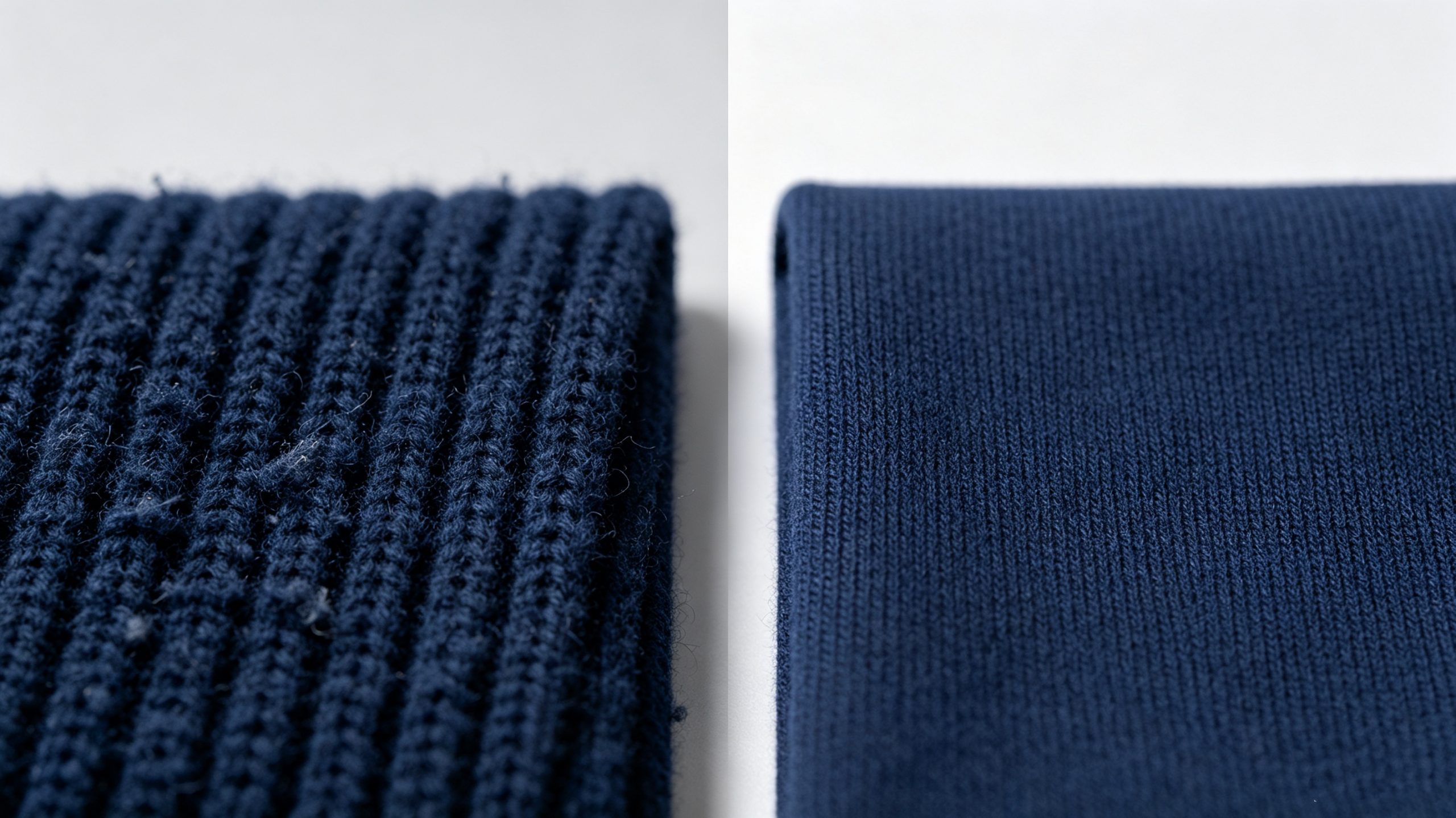
The fuzz and microfibers on the surface of knitted fabrics are the core reasons for pilling, roughness, and a cheap feel. While traditional alkaline scouring can remove surface fuzz, it reduces fabric weight, damages fibers, and generates high-salt wastewater, posing a significant environmental challenge.
Our neutral cellulase offers a far more practical, fabric-friendly solution for premium bio-polishing. Based on real mill feedback, it drastically reduces pilling on knitted fabrics even after 10 washes, creates a consistently smooth fabric surface, and lowers reliance on chemical softeners for cost savings.
Operating steadily at pH 6.0–7.0 and 40–55°C, this neutral cellulase matches the working window of all our other enzymes. You can easily combine it with neutral auxiliaries for one-bath processing, eliminating repeated bath adjustments and shortening production cycles.
Compared with conventional acid cellulase, our neutral formula is much gentler on fabric structures. It avoids excessive weight loss, fiber damage, and back-staining issues common with low-cost cellulase products. It works perfectly for cotton, linen, viscose, and all their blended fabrics, delivering a clean, drapable, high-quality finished texture.
-
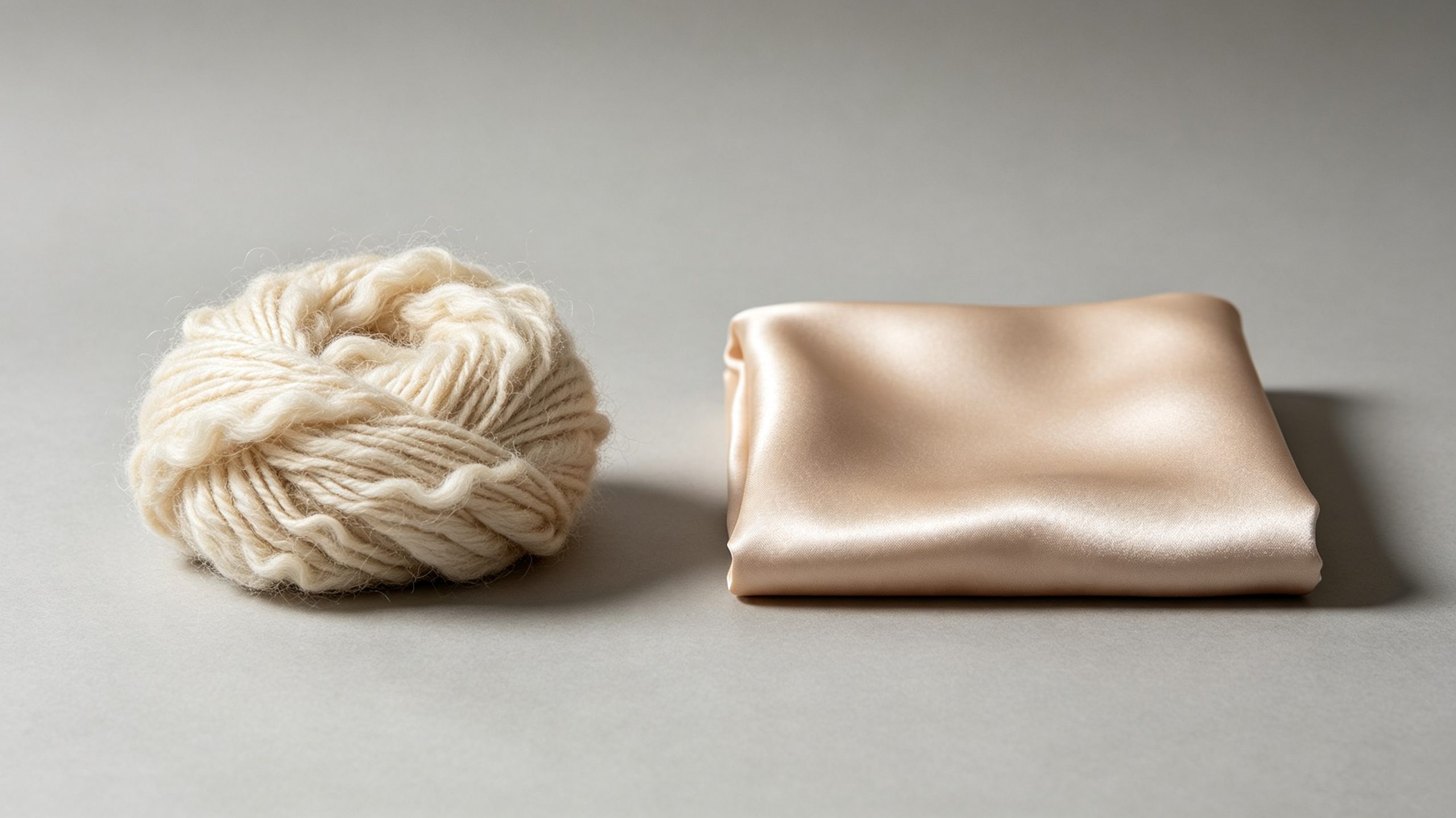
Neutral Protease — Gentle, Low-Pollution Finishing for Wool & Silk
Luxury protein fibers like wool and silk have long suffered from harsh traditional treatments. Chlorine-based anti-felting for wool and strong alkali degumming for silk deliver basic results, but they erode fiber strength, ruin natural luster, and produce toxic, high-cost wastewater containing AOX byproducts.
Our neutral protease redefines protein fiber finishing with mild, precise enzymatic reactions:
Wool Anti-Felting Treatment
The enzyme slightly modifies wool cuticle scales to reduce directional friction, effectively preventing felting and shrinkage. The finished wool fabric is fully machine-washable, retains a natural soft hand feel, and contains zero toxic chlorine-based residues.
Silk Degumming Treatment
It cleanly removes outer sericin gum while completely protecting the precious inner silk fibroin structure. The result is uniform silk luster, more consistent dye uptake, and an ultra-smooth, soft fabric texture.
With a stable working range of pH 6.5–7.5 and 40–55°C, this protease shares a unified processing window with our neutral cellulase. Mills running both enzymes on the same line can skip repeated parameter recalibration, greatly simplifying daily operations.
-
Why a Unified Enzyme System Beats Multiple Vendors
A textile processing engineer from a mill in Gujarat summed up the advantage perfectly: “I used to have three enzyme suppliers. When something went wrong, they blamed each other. Now I have one — and if there’s an issue, it’s their problem to solve, not mine.”
This is the core value of our unified textile enzyme system:
- Consistent batch quality: All enzymes are produced under standardized ISO management systems. Enzyme activity and performance remain stable across every shipment, with no need for repeated re-testing.
- Perfect bath compatibility: Overlapping pH and temperature working windows support sequential processing or combined one-bath workflows. Fewer manual adjustments mean fewer production variables and fewer defects.
- Simplified logistics & inventory: One procurement order, one unified storage standard, and one set of compliance documents. It cuts administrative work and warehouse clutter completely.
- Professional textile-focused technical support: We are not simple enzyme traders — we are professional textile auxiliary manufacturers. Our team understands your dyeing machines, common fabric defects, and core production targets. We provide on-site debugging, formula optimization, and targeted solutions for your actual production line.
-
Field-Proven Processing Sequences for Common Fabrics
Below are the stable, mill-tested baseline workflows we recommend for mainstream fabric types, verified and optimized through multiple factory cooperation projects:
| Fabric Type | Recommended Processing Sequence |
| wovens | Desizing (low-temp or wide-temp enzyme based on kier conditions) → Rinse → Bio-polishing with neutral cellulase (pH 6.5, 50°C, 40–60 min) → Heat inactivation → Dyeing |
| Wool & wool blends | Protease pretreatment (pH 7.0, 40°C, 30–60 min) → Enzyme inactivation → Dyeing |
| Pure silk | Degumming with neutral protease (pH 7.0, 50°C) → Hot wash → Dyeing & Finishing |
Important Note: Raw material variations (starch type, wool origin, fabric structure) will affect optimal dosage and processing time. We strongly recommend small-scale lab trials before full-batch production. Free 200g enzyme samples are available for your line testing.
-
Tangible Cost & Environmental Benefits for Your Mill
Switching to our integrated enzymatic processing system delivers measurable improvements in both production costs and environmental compliance:
Mills using our enzyme series reduce water consumption by around 30%, thanks to simplified rinsing steps and shorter processing cycles. By lowering processing temperatures from traditional 90°C+ alkali boiling down to 40–60°C, factories achieve significant steam and energy savings.
For a medium-sized mill producing 20,000 meters of fabric daily, the annual combined savings on energy, water, and wastewater treatment easily exceed $100,000. When factoring in lower defect rates, fewer reworks, and reduced chemical usage, the overall profit improvement is even more substantial.
Environmentally, all our enzymes are fully biodegradable and non-toxic. They effectively reduce COD and BOD levels in wastewater, lowering effluent treatment surcharges and helping mills easily meet local environmental discharge standards.

Frequently Asked Questions
Q: Can these enzymes hold up in high-shear jet dyeing machines?
A: Yes. All formulas are shear-stable for high-liquor circulation environments. They maintain stable activity without foaming issues or performance drop-offs during continuous jet dyeing production.
Q: Do I need to adjust pH between desizing and bio-polishing?
A: Usually no manual adjustment is required. Our desizing enzymes and neutral cellulase both work stably within the 6.0–7.5 pH range for seamless continuous processing. Minor fine-tuning may be needed only if your incoming water is heavily buffered.
Q: What is the correct storage method to preserve enzyme activity?
A: Store sealed enzymes in a cool, dry, ventilated area below 50°C, away from direct sunlight, heavy metal ions, and oxidizing agents. Proper storage guarantees a 6-month stable shelf life. For hot summer warehouse environments, we recommend testing residual enzyme activity before mass production.
Q: Can neutral protease and neutral cellulase be used in the same bath?
A: Yes, they are compatible in the same bath with matching pH and temperature windows. For protein-cellulose blended fabrics, we recommend running protease first or conducting a small batch trial. Many mills successfully apply one-bath bio-polishing and degumming for silk/cotton blends with stable, high-quality results.
Final Thoughts
We are not generic enzyme resellers. As a professional textile auxiliary manufacturer rooted in the industry, we design enzymes to fit your production processes — instead of forcing you to adapt your line to our products.
If you’re tired of coordinating multiple suppliers, dealing with unstable quality, and resolving cross-vendor technical disputes alone, our integrated enzyme system is the reliable solution you need.
Request your free 200g enzyme sample pack to test fabric hand feel, finishing quality, and processing efficiency on your own line. We provide customized formula adjustments and professional technical support to match your unique production needs.