-
Warning: Invalid argument supplied for foreach() in /webHome/host1985617700/www/wp-content/themes/template10/single-product.php on line 88

Solves Critical Fabric Quality Challenges:
Our smoothing agent addresses the rough, harsh hand feel common in fabrics after dyeing and basic finishing. It eliminates surface roughness, reduces fabric-to-fabric and fabric-to-metal friction, and creates a luxurious, smooth touch. For garment manufacturers, it solves sewing problems caused by high friction – needle heating, thread breakage, and seam puckering. The agent improves fabric drape and movement, creating more comfortable garments with better appearance and performance.
Ideal Applications:
Fabric finishing for smooth handle
Garment processing and quality enhancement
Home textile finishing (sheets, curtains, upholstery)
Workwear and uniform fabric treatment
Technical textile finishing
Knit fabric smoothing
Reducing sewing friction for better manufacturability
What Makes Our Product Stand Out:
Our smoothing agent uses a unique blend of modified siloxanes and synthetic polymers that create a micro-thin layer on fabric surfaces. Unlike simple softeners that only provide surface softness, our product restructures the fabric surface, filling in irregularities and creating genuine smoothness. The formulation is non-yellowing and non-migrating, ensuring long-lasting effects that survive multiple wash cycles. It provides lubricity without creating a greasy or slippery feel.
Why Choose Us Over Competitors:
Creates genuine smoothness, not just softness
Reduces fabric-to-metal friction by 60-70%
Improves sewing speed and reduces defects
Non-yellowing formulation protects fabric appearance
Durable effect lasting 20+ wash cycles
Compatible with softeners and other finishes
Does not affect fabric breathability
Suitable for all fiber types and fabric constructions
Improves drape without weight increase
Reduces needle heating and thread breakage by 50%
Parameter | Specification |
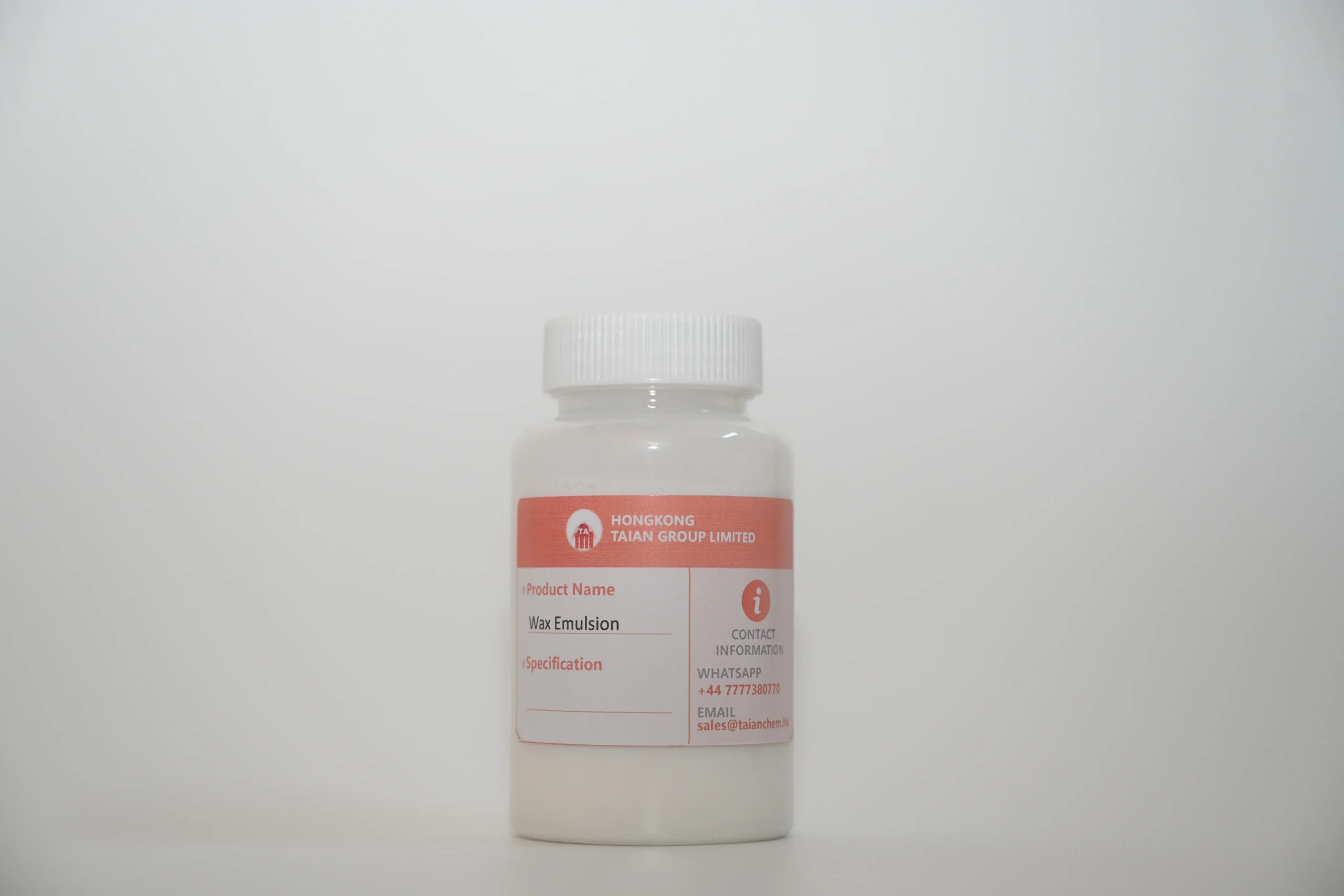
Appearance | White pasty liquid |
Composition | Organosilicon |
Solid Content | ≥15% |
Application Temperature | Operation under normal temperature conditions. |
Application Method | Add (the product) to the working bath/liquor. |
Dosage | 10 – 40 g/L |
Shelf Life | six months |
Storage Conditions | Store tightly sealed in a cool, dry place at ambient temperature. |
Packaging | 50kg/drum, 125kg/drum |
Key Performance Features:
Excellent smoothness and slip properties
Reduces coefficient of friction significantly
Improves fabric drape and movement
Enhances sewing performance
Non-yellowing and non-staining
Durable through multiple washes
Compatible with other finishes
Does not affect fabric strength or breathability
Suitable for direct skin contact (passes safety tests)
What is Smoothing Agent?
Smoothing agent is a specialized textile finishing chemical that modifies fabric surface properties to create exceptional smoothness and reduce friction. Unlike softeners that primarily compress fibers to create softness, smoothing agents work by depositing a thin, uniform layer of lubricating polymers on fiber surfaces. This layer fills microscopic surface irregularities and creates a continuous, smooth surface that significantly reduces friction against other surfaces. The agents typically contain modified siloxanes, synthetic esters, or advanced polymers that bond to fibers through various mechanisms, creating durable finishes. The result is fabric with improved handle, better drape, and enhanced processing characteristics, particularly for garment manufacturing where smooth fabrics sew more easily.
What are the Applications of Smoothing Agent?
Smoothing agents are essential in garment manufacturing where sewing performance directly impacts production efficiency and quality. In apparel fabric finishing, they reduce needle heating and thread breakage during high-speed sewing, enabling faster production with fewer defects. For synthetic fabrics like polyester that tend to have harsh hand, smoothing agents create the soft, flowing feel consumers expect. In home textiles, they improve the luxurious feel of sheets and curtains while making bed-making easier due to better slip properties. Technical textiles benefit from reduced friction in applications where fabrics move against other surfaces or themselves. The agents are particularly valuable for knit fabrics, which often have rough surfaces after dyeing, and for workwear where comfort and durability are both important.
Product Detail Images:
Image 3: Microscopic view of treated fabric surface showing smoothness
Application Scenario Images:
Image 3: Handle comparison between treated and untreated fabric samples
Video Demonstrations:
Textile manufacturer testimonial about production improvements