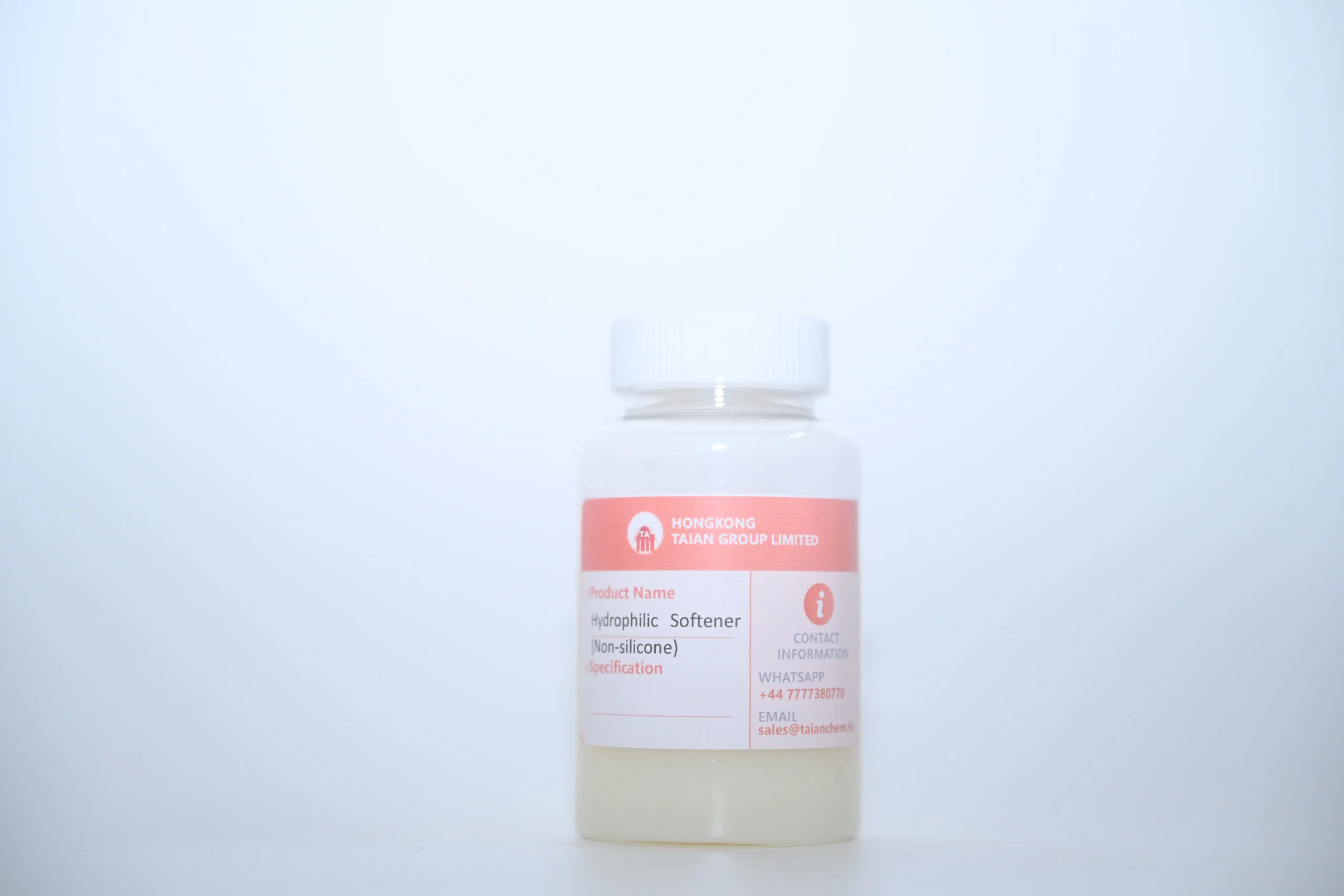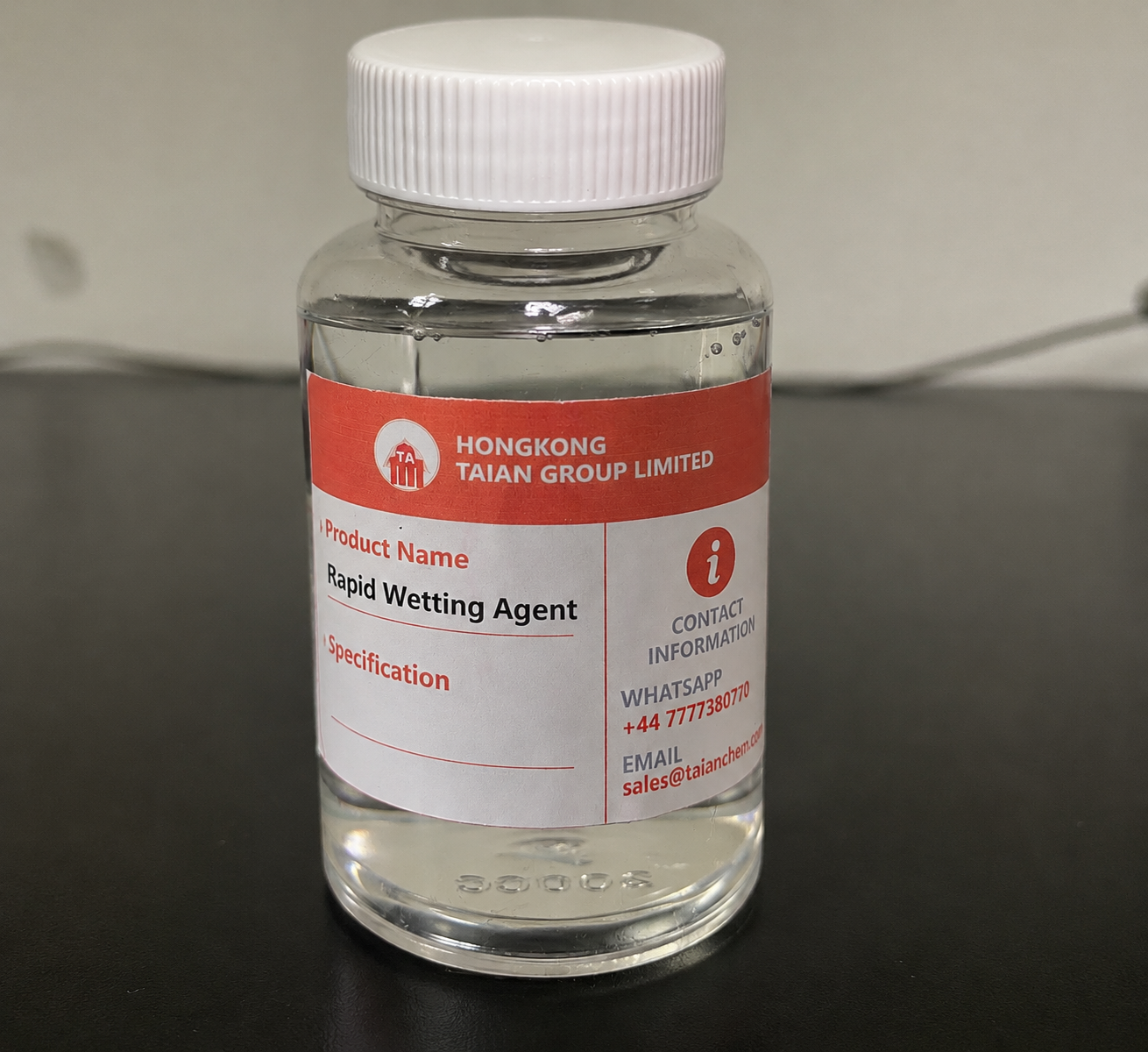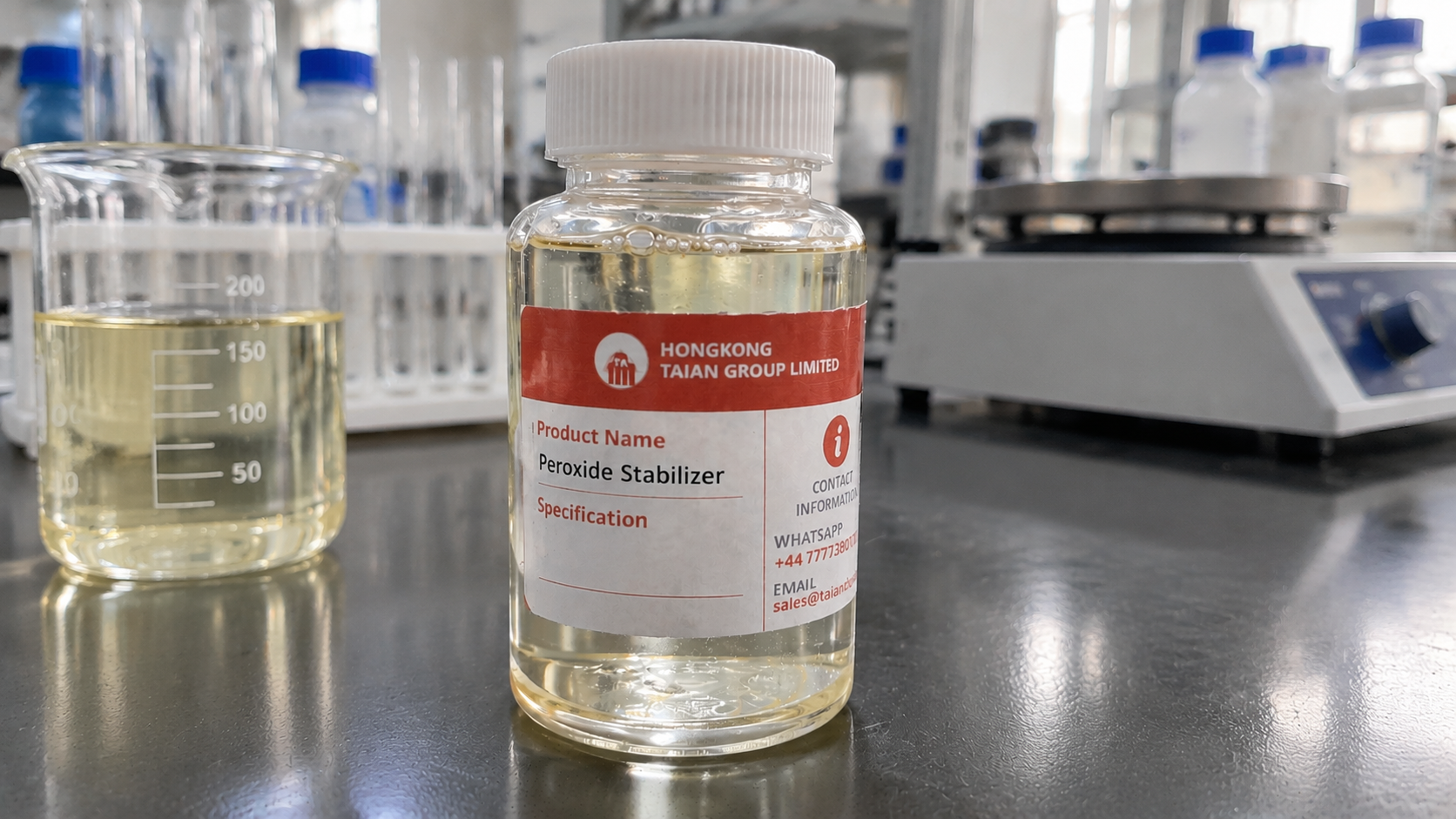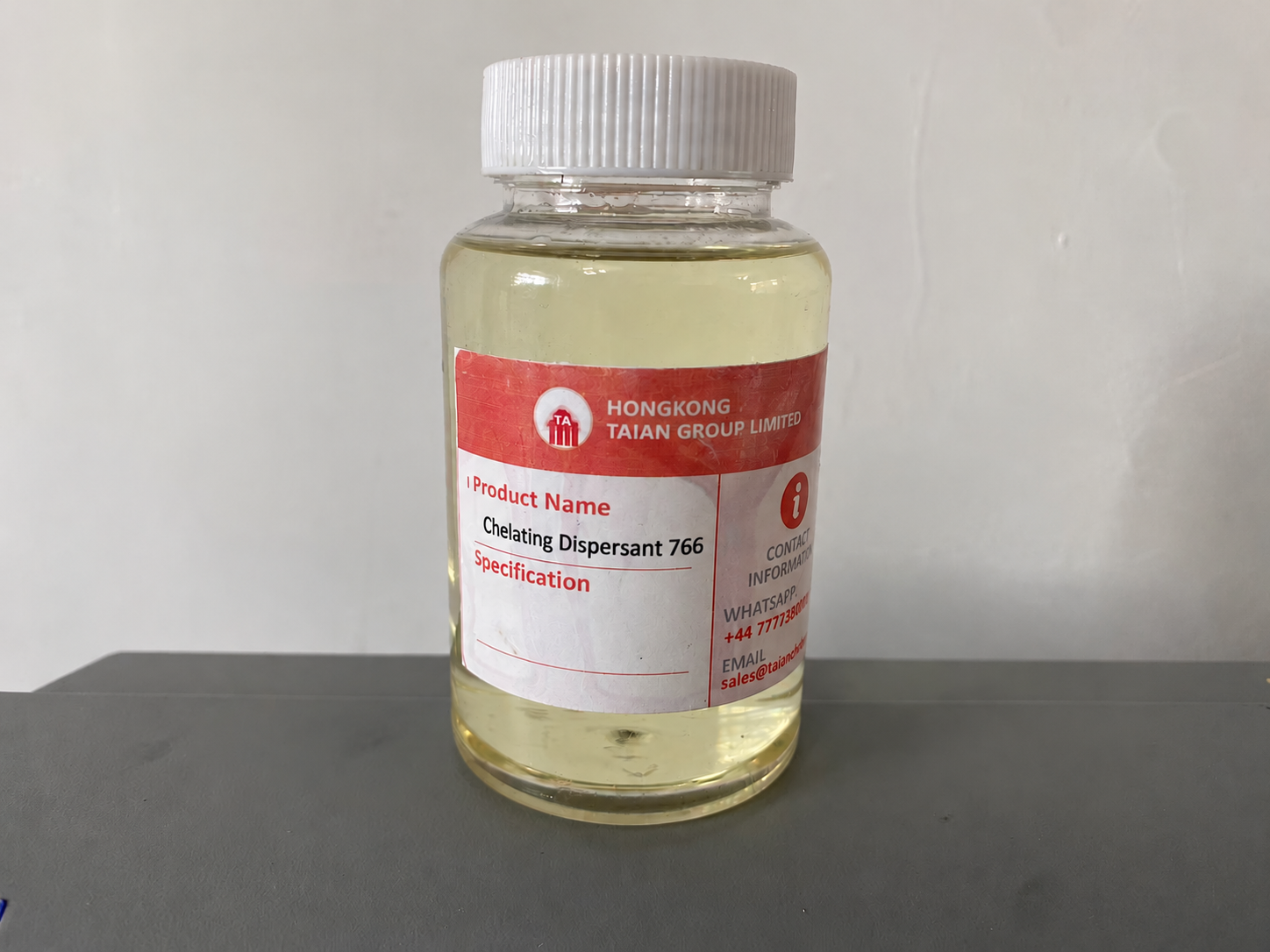

Scouring Agents form the foundation of modern textile pre-treatment, providing the essential deep cleaning necessary for fabrics to achieve optimal dyeing, printing, and finishing performance. Before colorants or finishing chemicals can penetrate uniformly, the fabric must be completely free from natural impurities, processing oils, waxes, sizing agents, and particulate contaminants that accumulate throughout fiber production, spinning, weaving, knitting, and storage. A properly executed scouring stage not only enhances cleanliness but also boosts absorbency, improves fabric stability, and ensures consistent results across the entire production chain. Whether used in knitted fabric production, woven goods, yarn preparation, or garment processing, high-efficiency Scouring Agents are critical to achieving reliable and defect-free textile outcomes.
Natural fibers—especially cotton—contain significant levels of waxes, pectins, and fatty acids that make the fiber surface hydrophobic. These substances resist water, block chemical penetration, and cause uneven wetting during subsequent processing. In addition, synthetic and blended fabrics often carry hydrophobic spinning lubricants, coning oils, knitting oils, and weaving sizing materials that further interfere with dye uptake.
Scouring Agents use a combination of powerful wetting, emulsifying, and dispersing mechanisms to break down these stubborn hydrophobic impurities. By reducing surface tension, they allow water molecules to spread rapidly across the fiber, ensuring that every part of the textile—whether tightly woven, densely knitted, or highly twisted—becomes fully saturated. Once wetting is optimized, the emulsifying components encapsulate oils and waxes, lifting them away from the fabric surface and suspending them in the bath for easy removal. This deep and thorough cleaning step restores fiber purity and prepares a fully receptive substrate for bleaching, dyeing, or finishing.
One of the most valuable outcomes of using high-performance Scouring Agents is the dramatic improvement in fabric wettability and absorbency. When hydrophobic barriers are removed, the fiber becomes naturally more hydrophilic. This has several key advantages:
Uniform dye penetration: Colors spread and absorb evenly, preventing streaks, patches, or unlevel shades.
Improved bleaching efficiency: Hydrogen peroxide and other bleaching agents work more effectively when the fiber surface is uniformly wet and clean.
Better finishing performance: Softening agents, hydrophilic finishes, flame retardants, and other functional chemicals bind and penetrate more consistently.
Reduced processing variability: Mills experience fewer defects and can maintain tighter quality control metrics across large production runs.
Improved absorbency is especially critical for reactive dyeing, piece dyeing, and high-speed continuous processes where uneven wetting can cause visible color variation. By delivering consistently high hydrophilicity, Scouring Agents support richer, brighter shades and stable results across different fabric batches.
Advanced Scouring Agents are formulated to deliver strong impurity removal while protecting fiber structure. Modern textile production demands a delicate balance: aggressive cleaning is required to remove waxes, oils, and dirt, yet excessive alkalinity or harsh surfactants can damage fibers, cause strength loss, or affect hand feel.
Today’s Scouring Agents are engineered to work effectively on:
100% cotton, including combed cotton, carded cotton, and open-end yarn fabrics
Polyester-cotton blends, where synthetic oils and natural waxes must both be removed
Viscose and modal, which require gentle but thorough impurity extraction
Wool and wool blends, where fiber swelling and felting must be controlled
Regenerated cellulose fibers, which need mild treatment to preserve softness and tensile strength
Their balanced performance makes them suitable for delicate knitted fabrics, baby clothing, high-quality shirting, premium home textiles, and heavy woven materials. This versatility also ensures consistent pre-treatment performance across diverse product lines.
Production efficiency and sustainability requirements have grown significantly in the textile industry. To support modern manufacturing needs, many Scouring Agents are designed with the following features:
Low foaming behavior enables stable operation in jet dyeing machines, overflow machines, and continuous ranges. Excessive foam can disrupt liquor flow, cause uneven treatment, or lead to processing delays.
Excellent rinsability helps reduce water consumption and shortens processing cycles. Impurities detach more easily, requiring fewer rinse baths and lowering operational costs.
Eco-friendly formulations free from APEO, NPEO, heavy metals, and harmful solvents support mills in meeting REACH, OEKO-TEX®, and ZDHC compliance standards.
Biodegradable surfactant systems reduce environmental load and help manufacturers achieve more sustainable wet-processing operations.
These environmentally conscious options ensure that mills can maintain high cleaning performance while meeting modern ecological and safety requirements.
A well-optimized scouring process improves every subsequent stage of textile production. Clean, properly prepared fabrics respond predictably to chemicals, machinery, and finishing treatments, reducing variability and improving overall productivity. Key benefits include:
Reduced re-dyeing or re-processing, lowering production costs and eliminating material waste
Enhanced fiber reactivity, especially for reactive dyes and functional finishes
Smooth chemical penetration, reducing blotchiness and enhancing uniformity
Lower defect rates, including fewer spots, stains, streaks, and unlevel areas
Improved machine cleanliness, as fewer residues accumulate on rollers, nozzles, or guide bars
These advantages translate into more stable production workflows, better quality control, and higher customer satisfaction in both domestic and international markets.
Throughout the textile supply chain—from fiber to finished garment—Scouring Agents play a crucial role in determining the cleanliness, dyeability, and overall appearance of the final product. By removing natural and synthetic impurities, improving absorbency, and creating a uniform fiber surface, they lay the essential groundwork for successful bleaching, dyeing, printing, and finishing operations.
In today’s competitive textile landscape, where color accuracy, fabric performance, and product consistency are more important than ever, high-efficiency scouring is not just a preparation step—it is a strategic investment in long-term quality and production reliability.