Sulfur Black Fastness Properties
Sulfur Black Fastness Properties
In the vast landscape of textile coloration, achieving a deep, rich black that remains vibrant through countless washes and prolonged exposure to light represents a significant technical challenge. Sulfur black dyes have emerged as a cornerstone solution to this challenge, particularly in the cellulose fiber sector, where they deliver an unmatched combination of color depth, durability, and cost-effectiveness. The fastness properties of this specific black dye—its resistance to fading, bleeding, and changing—are what cement its status as an indispensable textile dye for a wide range of applications. However, achieving optimal fastness is not automatic; it is the result of a meticulously controlled dyeing process and a deep understanding of the chemical interactions between the dye, the fiber, and the environment.
The exceptional performance of sulfur black is not just a matter of the dye itself, but also of the auxiliary chemicals and precise application protocols that support it. Our team, with over 25 years of dedicated experience in textile dyeing auxiliaries, brings a profound understanding of these complex interactions. Our R&D Team, committed to continuous innovation, has developed a deep expertise in the chemistry of sulfur black, allowing us to create auxiliary systems that maximize its innate fastness potential and ensure that this remarkable black dye performs reliably in diverse industrial applications.
The Fundamental Chemistry of Sulfur Black and Its Impact on Fastness
To fully appreciate the fastness properties of sulfur black, one must first understand its unique chemical nature and application mechanism.
l Sulfur black is not a single molecule but a complex mixture of polymeric structures, primarily based on the thionation of certain organic intermediates. This textile dye is characterized by its sulfur-containing chromophores, which are responsible for its intense color.
l The defining feature of the dyeing process is its two-stage application: reduction and oxidation. In the reduction stage, the insoluble sulfur black dye is converted into a water-soluble leuco form using a reducing agent like sodium sulfide.Once inside the fiber, the second stage—oxidation—is initiated. The leuco form is converted back into the original insoluble sulfur black pigment, but this time, it is trapped mechanically within the fiber's amorphous regions.
This is a critical distinction from many other classes of textile dye. The color is not merely attached to the fiber surface with weak bonds; it is physically encapsulated within the fiber structure. This encapsulation is the primary reason for the outstanding wash fastness of sulfur black; since the dye is insoluble, it has an extremely low tendency to migrate out of the fiber during laundering. Our manufacturing excellence, built over 25 years, ensures that the auxiliaries we produce for this process, such as specialized wetting agents and leveling agents, are perfectly tailored to facilitate this critical reduction-penetration-oxidation sequence.
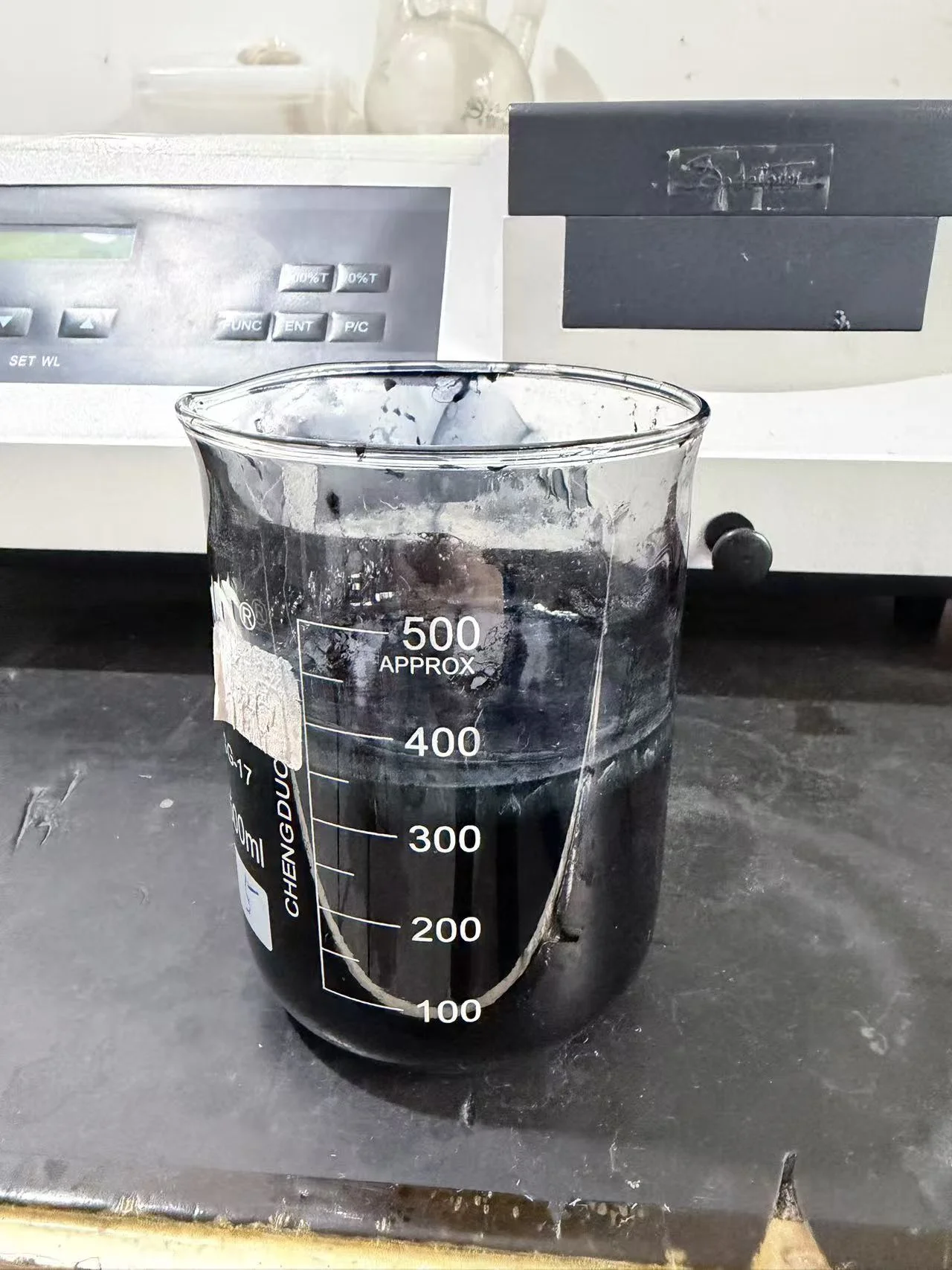
Sulfur Black Against with Other Black Dye Classes
To truly contextualize the performance of sulfur black, it is essential to compare its fastness properties with those of other major classes of black dye used in the textile industry. The most common alternatives are reactive blacks, direct blacks, and vat blacks. Reactive black dyes form a covalent chemical bond with cellulose fibers. They generally offer brilliant shades and very good wash fastness, similar to sulfur black. However, they often fall short in terms of light fastness, especially in heavy blacks, and are significantly more expensive. Sulfur black outperforms direct blacks in virtually every fastness category. However, vat dyes are considerably more expensive and complex to apply than sulfur black, limiting their use to premium products.
This comparison clearly shows that sulfur black occupies a unique and valuable position in the dyer's palette. It delivers a fastness profile that rivals much more expensive dyes while remaining incredibly economical. Our rich experience of over 25 years in the industry has allowed us to witness and drive this development, mastering the details that enable dyers to leverage the superior fastness-to-cost ratio of sulfur black effectively. Our International Business Team works seamlessly with global clients to provide the technical support needed to navigate these choices and implement sulfur black dyeing processes that yield optimal, consistent results.
Sulfur Black:Optimizing Fastness in Practical Application
Achieving the theoretical fastness potential of sulfur black in a commercial setting requires strict adherence to best practices throughout the dyeing and finishing workflow.
l The journey begins with thorough fabric preparation. Any residual impurities, such as sizing agents, waxes, or natural fats, can create a barrier to uniform dye penetration, leading to unlevel dyeing and compromised fastness. A well-scoured and bleached substrate is non-negotiable.
l The reduction step is the most critical phase. The concentration and activity of the reducing agent must be precisely controlled. Insufficient reduction will lead to incomplete dye dissolution and poor penetration, causing speckiness and poor rub fastness. Excessive reduction can degrade the dye itself.
l The oxidation process that follows is equally vital. Incomplete oxidation will leave some dye in its soluble leuco form, which will readily wash out, leading to poor wash fastness and staining of adjacent fabrics. It can also lead to fabric tendering upon storage. A thorough soaping after oxidation is essential to remove any loosely adhered surface dye, which is the primary culprit for poor wet rub fastness. This step "cleans" the fabric surface, locking the color inside and revealing the true, durable shade of the black dye.
Our product development, led by our continuous innovation-focused R&D Team, has created a range of auxiliaries that address these very challenges. We offer products that ensure stable reduction baths, promote level penetration, facilitate complete oxidation, and effectively remove unfixed dye during soaping.
FAQs about Your Sulfur Black Fastness
What is the most common fastness problem associated with sulfur black and how can it be prevented?
The most prevalent fastness issue with sulfur black is poor wet rub fastness, often manifested as color transfer onto other surfaces when the fabric is wet. This is primarily caused by inadequate soaping after oxidation, which fails to remove surface dye. It can also result from incomplete oxidation or the use of old, partially oxidized dye batches. Prevention hinges on a rigorous post-oxidation soaping routine with an effective detergent at the correct temperature and for a sufficient duration. Ensuring a fresh, well-reduced dye bath and complete oxidation are also fundamental to solving this problem.
How does the fastness of sulfur black on cotton compare to its fastness on polyester or blends?
Sulfur black is specifically designed for cellulose fibers like cotton, viscose, and linen. Its mechanism relies on the fiber's swelling in water to allow the leuco compound to enter, and the formation of an insoluble pigment inside. Polyester is a hydrophobic fiber that does not swell and has no chemical affinity for sulfur black. Therefore, sulfur black has virtually no fastness on polyester; it will simply wash out completely. On cotton-polyester blends, the sulfur black will color only the cotton portion..
Can the light fastness of sulfur black be improved?
Yes, the light fastness of sulfur black can be enhanced through several methods. The most important is ensuring complete oxidation, as unoxidized leuco compounds have poorer light stability. The choice of oxidizing agent can also influence the final light fastness. Furthermore, after-treatments with certain metal salts (though environmentally sensitive) or specialized light fastness improver auxiliaries can be applied to the dyed fabric.
Why does sulfur black sometimes cause fabric tendering, and how does this relate to fastness?
Fabric tendering occurs when improperly oxidized sulfur black retained in the fabric slowly oxidizes in the presence of air and moisture, generating sulfuric acid. This acid hydrolyzes the cellulose chains, weakening the fabric. This is intrinsically linked to fastness because it often stems from the same root cause: an incomplete dyeing process. Proper oxidation and thorough rinsing are essential to prevent both tendering and the associated fastness issues.
What role do our company's auxiliaries play in achieving superior sulfur black fastness?
Our auxiliaries are specifically engineered to target the weak points in the sulfur black dyeing process that compromise fastness. Our penetrants and wetting agents ensure rapid and level penetration of the leuco dye, preventing surface deposition. Our leveling agents promote uniform dye uptake.
In conclusion, the fastness properties of sulfur black are a direct result of its unique chemical application and the careful execution of the dyeing process. Its ability to provide a cost-effective, deep black with excellent durability is unmatched by any other textile dye in its class. While the inherent chemistry of this black dye provides a strong foundation for good fastness, achieving excellence consistently requires a synergy of precise chemical control, modern machinery, and high-performance auxiliaries. The enduring popularity of sulfur black in global textile production is a testament to its successful combination of economy and performance. As environmental and performance standards continue to evolve, the expertise in applying and optimizing sulfur black will remain a valuable asset for textile manufacturers worldwide, ensuring that this classic dye continues to color our world with remarkable resilience.