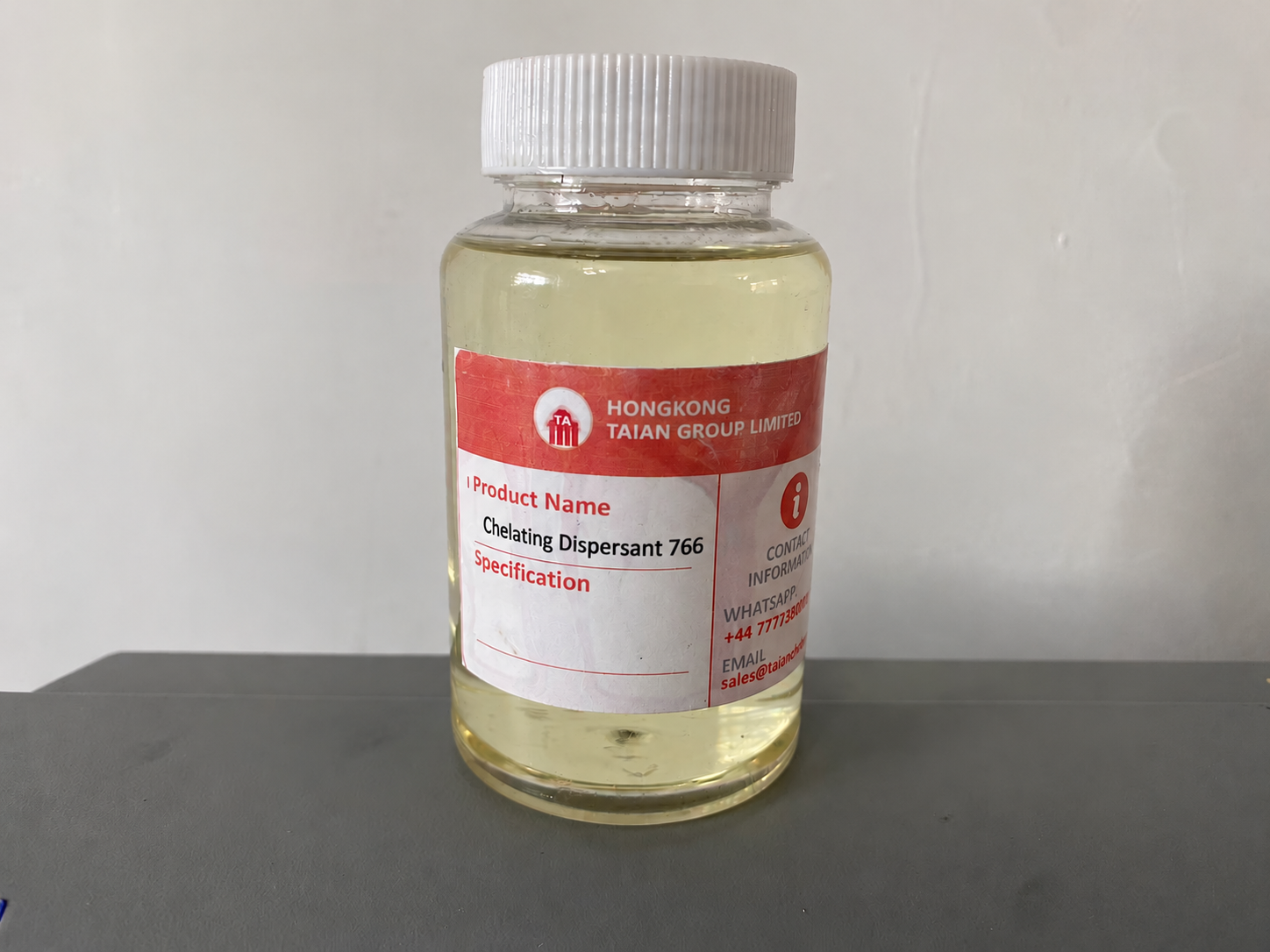
Sulphur Dyes in Cotton Textile Dyeing Processes
Sulphur Dyes in Cotton Textile Dyeing Processes
Cotton, with its natural breathability and versatility, remains a staple in global textile production—from denim jeans and t-shirts to bed linens and workwear. For dyeing cotton, sulphur dyes stand out as a cost-effective, high-performance choice, especially for deep, dark shades like sulphur black (the most widely used variant, often referred to as sulphur black dye). These dyes bond strongly with cotton fibers, delivering excellent wash fastness and resistance to fading, making them ideal for everyday textiles. As a trusted textile auxiliary manufacturer established in 1999, we bring over 25 years of expertise to sulphur dyes and 配套助剂 (supporting auxiliaries), supported by a team of 15-20 year industry veterans across R&D, production, and quality control. Our evolution from a specialized facility to an international enterprise ensures our sulphur dyes and dyeing solutions meet global standards, making them a reliable choice for wholesalers supplying cotton textile mills worldwide. This article explores the role of sulphur dyes in cotton dyeing processes, with a focus on sulphur black dye, and why our wholesale-focused products align with mills’ efficiency and quality goals.
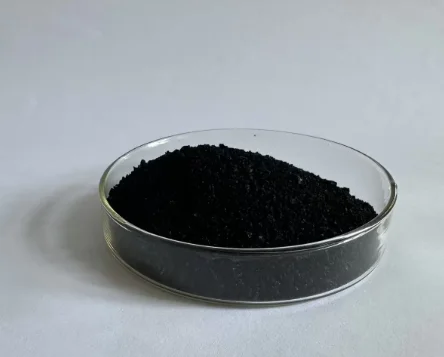
Key Advantages of Sulphur Dyes for Cotton Textile Dyeing
• Exceptional Fastness and Durability for Cotton: Sulphur dyes form strong covalent bonds with cotton’s cellulose fibers, resulting in superior wash and rub fastness—critical for textiles that undergo frequent laundering (e.g., t-shirts, workwear). Sulphur black dye, in particular, delivers a deep, opaque black that resists fading even after 50+ washes, outperforming direct or reactive dyes for dark shades. Our R&D team optimizes the molecular structure of our sulphur dyes to enhance fiber bonding, ensuring consistent fastness across batches. A wholesaler supplying North American denim mills reported that our sulphur black dye reduced garment returns due to fading by 60%, boosting client satisfaction.
• Cost-Efficiency for High-Volume Cotton Production: Cotton textile mills often operate at large scales, so cost per meter of dyed fabric is a key consideration. Sulphur dyes require lower dosages than reactive dyes (e.g., 2-4% o.w.f. for sulphur black dye vs. 5-8% for reactive black) and don’t need expensive mordants or fixatives, cutting raw material costs. Additionally, sulphur dyes have shorter dyeing cycles (30-45 minutes vs. 60+ minutes for reactive dyes), reducing energy and labor expenses. Our production management team ensures our sulphur dyes have high color strength, so mills get more dyed fabric per kilogram of dye—further lowering costs for wholesalers and their clients.
Sulphur Black Dye: The Gold Standard for Dark Cotton Shades
Attribute | Details of Our Sulphur Black Dye | Wholesale Value & Market Appeal | Ideal Cotton Applications |
Color Depth and Uniformity | Delivers a rich, jet-black shade with no streaking or unevenness. Formulated to avoid “bronzing” (a common issue with low-quality sulphur black) after dyeing. | Appeals to mills making denim, workwear, or black basics; reduces re-dyeing rates, saving time and cost | Denim jeans, black t-shirts, industrial workwear |
Compatibility With Auxiliaries | Works seamlessly with our sulfur dye auxiliaries (e.g., reducing agents, stabilizers), eliminating compatibility issues that cause batch failures. | Simplifies inventory for wholesalers (one dye + matching auxiliaries); reduces technical support needs | High-volume cotton production lines (e.g., bed linen factories, apparel manufacturers) |
Environmental Profile | Low heavy metal content (compliant with OEKO-TEX® Standard 100) and biodegradable dyeing byproducts. Requires less water than reactive dyeing (30-40L/kg fabric). | Meets eco-conscious mills’ sustainability goals; aligns with global water-saving regulations | Organic cotton textiles, eco-friendly apparel lines |
Critical Process Steps for Sulphur Dyes in Cotton Dyeing
• Pre-Treatment of Cotton for Optimal Dye Absorption: Cotton fibers often contain natural impurities (e.g., wax, pectin, lignin) that block dye penetration. Before applying sulphur dyes, mills must pre-treat cotton with scouring and bleaching agents to remove these impurities. Our R&D team offers a tailored pre-treatment auxiliary kit that prepares cotton fibers for sulphur dyes, ensuring uniform dye absorption and consistent shade. For example, using our scouring agent reduces pectin content by 90%, allowing sulphur black dye to penetrate evenly—avoiding “frosted” areas on dyed fabric. A wholesaler serving Asian cotton t-shirt mills noted that our pre-treatment kit reduced dyeing defects by 50%.
• Reduction and Oxidation Stages for Sulphur Dyes: Sulphur dyes are insoluble in water in their raw form, so they require a reducing agent to convert them into a soluble state that can bond with cotton. Our sulfur dye reducing agent (formulated with sodium hydrosulfite derivatives) efficiently dissolves sulphur dyes at 60-80°C, the optimal temperature for cotton dyeing. After dye absorption, an oxidation step (using mild oxidizing agents like hydrogen peroxide) converts the dye back to its insoluble form, locking it into the fibers. Our quality control team tests each batch of reducing agent to ensure consistent solubility, so mills avoid under-dyeing or uneven shade issues.
Sulphur Dyes FAQS
Can Sulphur Dyes Be Used for Light Shades on Cotton, or Are They Limited to Dark Colors?
While sulphur dyes are best known for dark shades like sulphur black, our R&D team has developed light-shade variants (e.g., navy, charcoal, olive) specifically for cotton. These light sulphur dyes use modified formulations to deliver softer, more muted tones while maintaining the same fastness as dark variants. However, they are less commonly used than sulphur black dye for light shades (reactive dyes are preferred for pastels), but they excel for medium-depth colors. A wholesaler supplying European workwear mills reported that our light-navy sulphur dye was ideal for cotton uniforms, offering better fade resistance than reactive dyes.
How Does Sulphur Black Dye Perform on Blended Cotton Fabrics (e.g., Cotton-Polyester)?
Our sulphur black dye is designed for 100% cotton, but it can also dye cotton-polyester blends (up to 50% polyester) with the addition of our blend-dyeing auxiliary. The auxiliary helps the dye adhere to polyester fibers (which are typically resistant to sulphur dyes), resulting in a uniform black shade across the blend. For blends with higher polyester content (50%+), we recommend pairing sulphur black dye with a disperse dye for polyester, ensuring consistent color. A wholesaler supplying South American activewear mills noted that our blend-dyeing auxiliary made sulphur black dye suitable for cotton-polyester leggings, expanding its application range.
What Is the Typical Dyeing Temperature for Sulphur Dyes on Cotton?
Sulphur dyes (including sulphur black dye) perform best on cotton at 60-80°C. This moderate temperature balances dye solubility (higher temps improve solubility) and fiber protection (exceeding 80°C can damage cotton’s structure, leading to fabric weakness). Our sulphur dyes are formulated to dissolve fully at 65°C, reducing energy use compared to high-temperature reactive dyeing (which requires 100°C). A wholesaler supplying African cotton mills reported that our sulphur dyes cut energy costs for dyeing by 25% due to the lower temperature requirement.
Do Sulphur Dyes Require Special Wastewater Treatment for Cotton Mills?
Our sulphur dyes are formulated to be low in toxic byproducts, so they require minimal additional wastewater treatment compared to traditional sulphur dyes. The dyeing effluent has a neutral pH (6.5-7.5) and low chemical oxygen demand (COD), making it compatible with standard textile wastewater treatment systems (e.g., aerobic digestion). For mills with strict eco-regulations (e.g., EU mills), we offer a dyeing auxiliary that further reduces COD levels by 30%, ensuring compliance. A wholesaler supplying European organic cotton mills noted that our sulphur black dye met local wastewater standards without extra treatment costs.
What Support Do You Offer Wholesalers for Sulphur Dyes in Cotton Dyeing?
We provide wholesalers with end-to-end support: 1) Technical guidance—our R&D team helps optimize dyeing processes (e.g., dosage, temperature) for specific cotton products (e.g., denim vs. t-shirts); 2) Sample kits—small-batch sulphur dyes (including sulphur black dye) and auxiliaries for clients to test before bulk orders; 3) Training materials—videos and manuals on sulphur dye application, shared with mills via wholesalers; 4) 24/7 troubleshooting—our international business team assists with batch issues (e.g., uneven shade) to minimize downtime. A wholesaler supplying Middle Eastern cotton mills reported that our support helped resolve 95% of dyeing-related problems within 24 hours, strengthening client loyalty. To explore our sulphur dyes, sulphur black, and sulphur black dye products for cotton textile dyeing, visit our company webpage today!