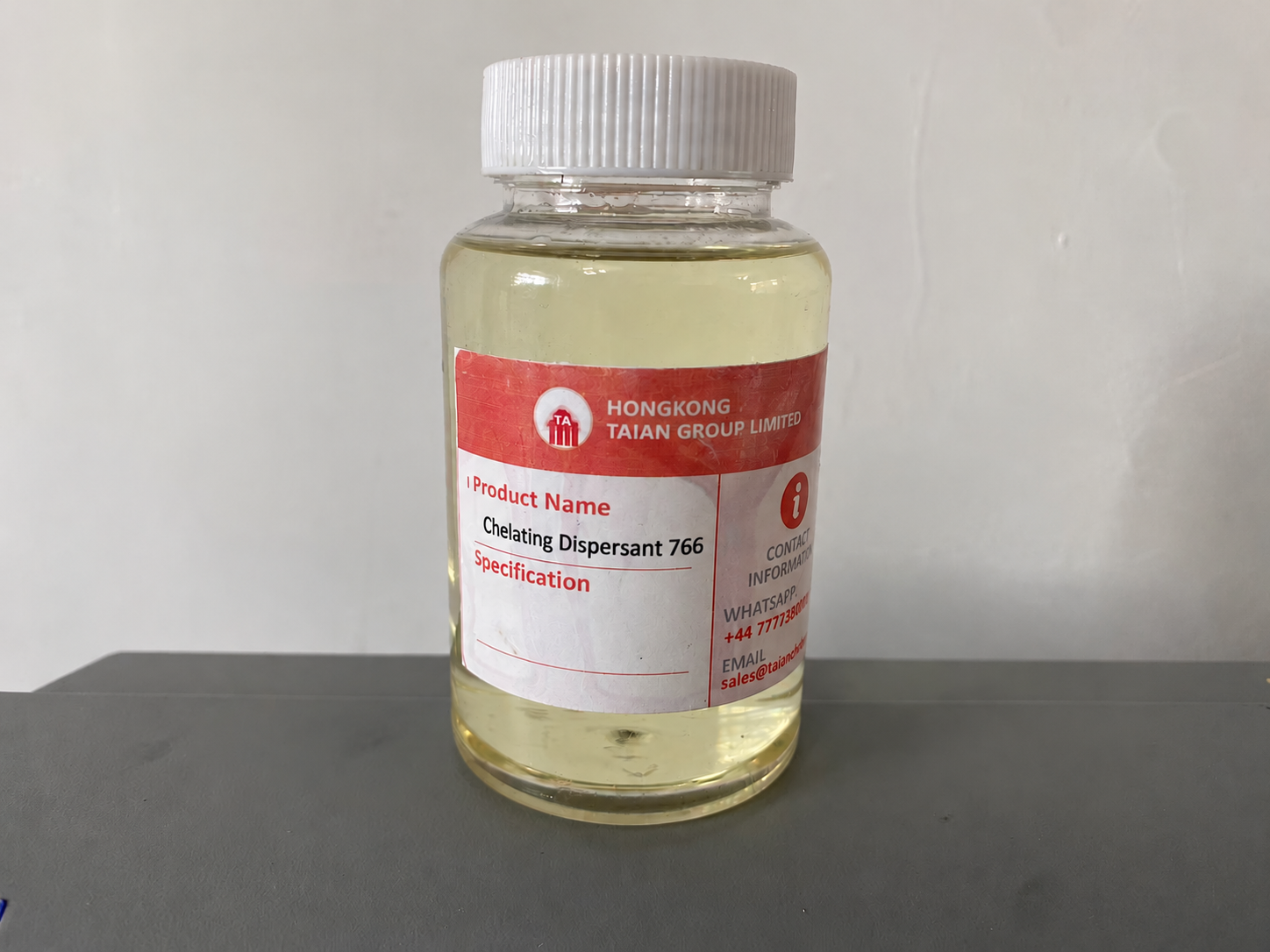
Function of Wetting Agent in Dyeing
Function of Wetting Agent in Dyeing
Beneath the surface of every perfectly dyed fabric lies a meticulously controlled process where specialty chemicals play indispensable roles. Among these, the function of wetting agent in dyeing is fundamental, often making the difference between a mediocre result and a product of exceptional quality. A textile wetting agent is not merely an additive; it is a critical facilitator that ensures the very first step of the dyeing process—thorough and even penetration—is successfully achieved. Natural fibers like cotton, wool, and silk, as well as synthetic ones like polyester, often have surfaces that are hydrophobic or contaminated with natural oils, sizing agents, and other impurities that repel water. Without an effective wetting agent in dyeing, the dye liquor would simply bead up on the fabric's surface, leading to uneven coloration, poor dye fixation, and a final product that is commercially unacceptable.
The development of such specialized chemicals requires deep industry knowledge. Our team, comprising seasoned manufacturing experts with 15-20 years of industry experience, has dedicated over 25 years to perfecting textile dyeing auxiliaries. This profound manufacturing experience, backed by a spirit of continuous innovation, has allowed us to evolve from a specialized production facility into an internationally-oriented enterprise group, developing a deep understanding of every production detail. Our R&D Team, driven by a mission of continuous innovation, has formulated a professional nonionic penetrant wetting agent that is specifically engineered for comprehensive textile processing.
Understanding the Role of a Penetrant Wetting Agent
At its core, the function of any wetting agent in dyeing is rooted in the physical chemistry of surface tension.
l Water, the primary medium in aqueous dyeing, has a high surface tension. This cohesive force between water molecules causes them to bead up rather than spread out, preventing them from readily penetrating the microscopic capillaries between yarns and fibers within a textile substrate. This is where a specialized penetrant wetting agent becomes crucial.
l Chemically, these agents are surfactants—molecules with a hydrophilic head and a hydrophobic tail. When added to the dye bath, these molecules migrate to the interfaces: between the water and the air, and between the water and the fabric. The hydrophobic tails orient themselves away from the water, effectively disrupting the strong hydrogen bonding network at the surface.
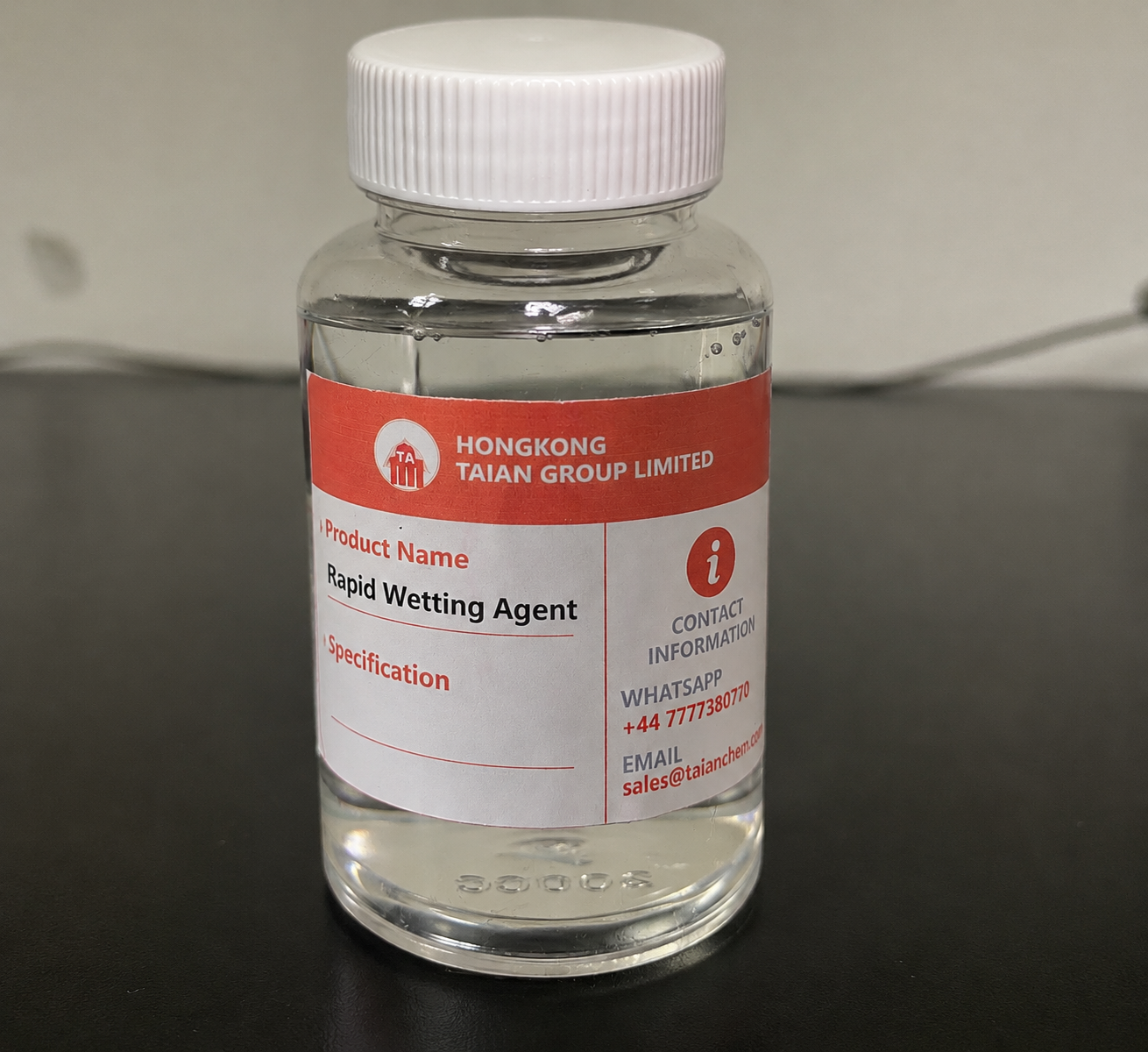
A high-performance textile wetting agent does more than just wet the surface; it ensures rapid and complete penetration of the dye liquor into the very core of the fiber bundles. The effectiveness of a penetrant wetting agent is measured by its ability to perform this function quickly and under various conditions. Our product's technical specifications, including its nonionic nature and excellent acid-alkali and hard water resistance, are a direct result of mature technology and standardized processes verified through tens of thousands of production cycles. This ensures that the wetting agent in dyeing performs consistently batch after batch, providing dyers with the reliability they need for their complex processes.
The Applications of a Textile Wetting Agent
The utility of a textile wetting agent extends far beyond the dye bath itself, making it a truly multifunctional workhorse in textile wet processing. Its primary role in ensuring even dye penetration is paramount, but its applications begin earlier and continue throughout various stages of production.
l In pretreatment processes, such as desizing, scouring, and bleaching, the effectiveness of these operations is entirely dependent on the thorough penetration of chemical liquors into the fabric. A robust penetrant wetting agent is used here to ensure that enzymes, alkalis, and bleaching agents like hydrogen peroxide can uniformly access and react with impurities such as starch, natural waxes, and pigments.
l The function of wetting agent in dyeing is also critical in post-finishing operations. When applying functional finishes like softeners, water repellents, flame retardants, or stain-release agents, uniform application is key to consistent performance. A textile wetting agent promotes the even penetration and distribution of these finishing agents, ensuring that the final fabric exhibits the desired properties homogeneously across its entire surface.
Our professional nonionic penetrant is specifically formulated for comprehensive textile processing applications including dyeing pretreatment, post-finishing, and coloration processes. It is extensively utilized across wet processing operations for cotton, linen, silk, wool, and their blended fabric compositions. In the dyeing phase specifically, it serves as an essential dyeing auxiliary that improves dye penetration while promoting uniform coloration results.
The Practical Benefits of Using a Wetting Agent in Dyeing
Integrating a high-quality wetting agent in dyeing process delivers a cascade of practical benefits that directly impact efficiency, cost, and final product quality.
l The most obvious advantage is the elimination of common dyeing faults. By ensuring rapid and uniform penetration of the dye, a penetrant wetting agent effectively prevents patchy or uneven dyeing, side-to-center shading, and the aforementioned ring dyeing effect. This leads to a significant reduction in re-dyes, which are incredibly costly in terms of time, energy, water, and chemicals.
l Furthermore, by promoting level dyeing from the outset, the wetting agent in dyeing helps achieve the desired shade right the first time, improving right-first-time performance metrics. This efficiency is a major contributor to sustainable manufacturing, as it minimizes waste and resource consumption. Another critical benefit is the reduction of processing time. A powerful penetrant wetting agent accelerates the wetting-out of the fabric at the beginning of the dye cycle.
The versatility of a nonionic textile wetting agent, like our product which maintains consistent performance stability across various pH conditions, also provides dyers with greater process flexibility. It can be safely used in a wide range of dyeing applications without fear of interaction with ionic dyes or auxiliaries.
FAQs about Wetting Agents in Dyeing
What is the main difference between a penetrant wetting agent and a standard detergent?
While both are surfactants, they are engineered for different primary purposes. A penetrant wetting agent is specifically designed to maximize the reduction of surface tension to drive liquid into a porous substrate as quickly and completely as possible. A standard detergent, on the other hand, is formulated primarily for soil removal and emulsification of oils. It may wet surfaces, but not with the same speed or efficiency as a dedicated penetrant wetting agent, and it may generate excessive foam, which is problematic in dyeing machines.
Can a wetting agent in dyeing affect the color fastness of the fabric?
Indirectly, yes, but in a positive way. A high-quality wetting agent in dyeing promotes uniform and complete penetration of dye molecules into the fibers. When dye is properly fixed throughout the fiber, rather than just sitting on the surface, it is less prone to being rubbed off or washed out . Therefore, by ensuring even dye distribution, a textile wetting agent actually contributes to improving overall color fastness properties. A poorly penetrated dyeing will have loose dye on the surface that readily bleeds or crocks.
How do I determine the correct dosage of a textile wetting agent for my process?
The correct dosage depends on several factors, including the specific textile wetting agent used, the type and weight of the fabric, the water quality, and the machine type. Manufacturers provide a recommended dosage range. Using too little can lead to inadequate wetting, while using too much is wasteful, can cause over-foaming, and may potentially affect the feel of the fabric.
Is it possible for a wetting agent in dyeing to cause issues?
While essential, a wetting agent in dyeing can cause issues if the wrong type is selected or if it is used incorrectly. In rare cases, certain wetting agents may interact with dyes or other auxiliaries, causing precipitation or reducing dye yield.Ensuring you use a high-quality, low-foam, and compatible penetrant wetting agent from a reputable supplier minimizes these risks.
Why does company emphasize being a manufacturer with over 25 years of experience in penetrant wetting agent?
Over 25 years of professional dedication has forged our core advantages that directly benefit our customers. This rich experience means we have witnessed and driven industry development, mastering every detail of product processes, enabling us to provide customized solutions based on customer requirements. Our mature technology, verified through tens of thousands of production cycles, guarantees standardized processes and stable quality.
The function of wetting agent in dyeing is a foundational element of successful textile coloration. From the critical action of a penetrant wetting agent in overcoming surface tension to the versatile applications of a textile wetting agent across the entire production chain, these specialized auxiliaries are indispensable for achieving the uniform, vibrant, and high-quality dyed fabrics that the market demands. As the textile industry continues to evolve, the role of these sophisticated chemicals will only grow in importance, solidifying their status as unsung heroes in the art and science of dyeing.