Understanding the Different Industrial Types of Amylase Enzyme
Understanding the Different Industrial Types of Amylase Enzyme
Understanding the Different Types of Amylase Enzyme
Amylase is a critical catalyst used across numerous industrial sectors, from textile processing to food production. By breaking down complex starches into simple sugars, these enzymes enable a variety of chemical transformations essential for product quality. Understanding the various types of amylase enzyme is key to optimizing industrial efficiency and achieving the desired end-product characteristics. Whether you are looking to remove starch from fabrics or liquefy corn syrup, selecting the right amylase variant is the first step toward operational success. In this guide, we will explore the classifications and specific applications of these powerful proteins.
Alpha-Amylase: The Primary Catalyst for Liquefaction
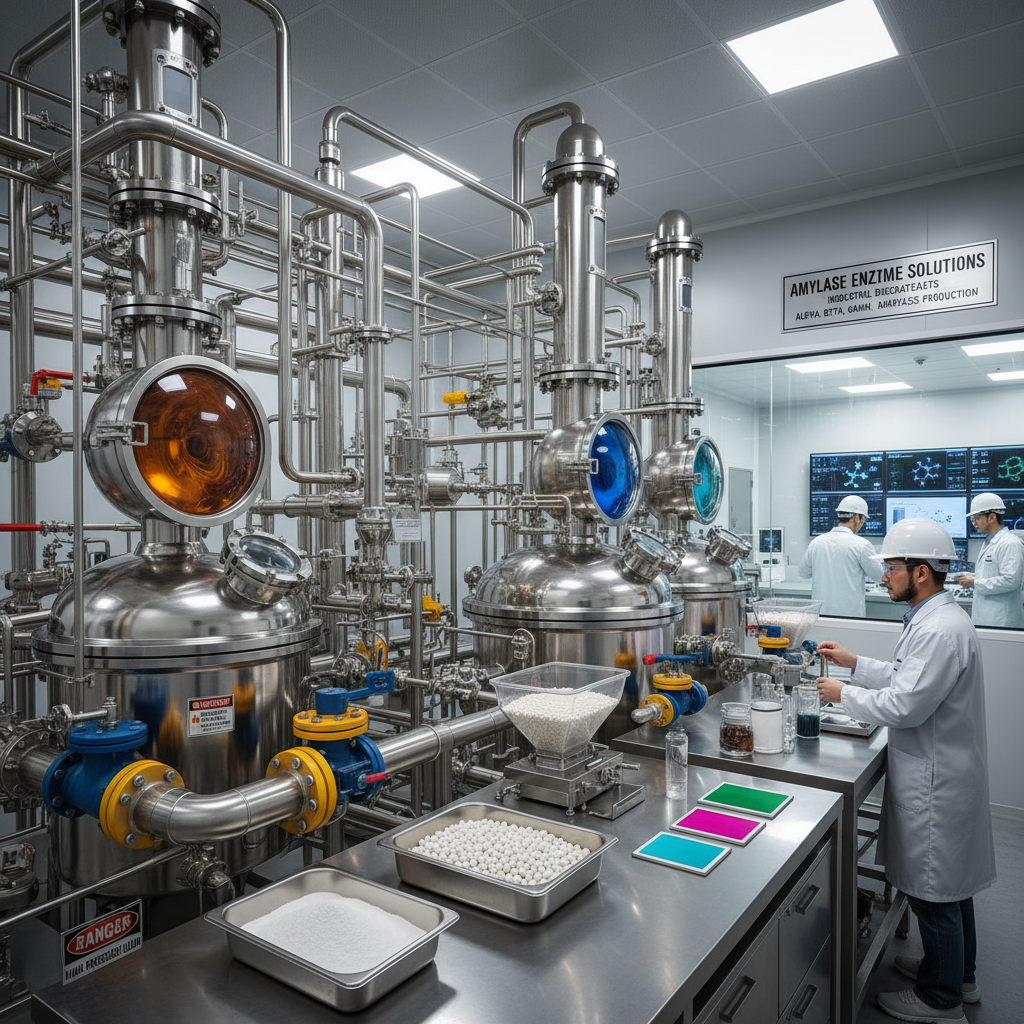
Alpha-amylase is perhaps the most widely recognized of the types of amylase enzyme due to its ability to act randomly on the internal α-1,4-glucosidic linkages of starch. This "endo-action" rapidly reduces the viscosity of starch pastes, a process known as liquefaction. In the textile industry, alpha-amylase is indispensable for desizing, where it removes the starch size from warp yarns to prepare the fabric for dyeing and printing. Its robustness and efficiency make it a staple in high-temperature industrial environments.
Industrial Highlight: Alpha-amylase allows for rapid starch degradation, making it the preferred choice for processes requiring high throughput and significant viscosity reduction.
Beta-Amylase and Gamma-Amylase Functions
While alpha-amylase works internally, beta-amylase is an "exo-enzyme." It attacks the ends of the starch chain, releasing maltose units one by one. This makes it essential for brewing and fermentation processes where specific sugar profiles are required. On the other hand, gamma-amylase (often associated with glucoamylase) can break both alpha and beta linkages, producing glucose. When comparing these types of amylase enzyme, the choice depends entirely on whether the goal is rapid liquefaction or the production of specific fermentable sugars.
Comparing Types of Amylase Enzyme by Source and Property
Amylases are derived from various sources, including bacteria, fungi, and plants. The source of the enzyme determines its stability, optimal pH, and temperature tolerance. For instance, bacterial amylases are often more heat-stable, making them ideal for industrial starch processing, whereas fungal amylases operate better at lower temperatures and acidic pH levels. Selecting the correct source is vital for ensuring the enzyme remains active throughout the chemical process.
Industrial Applications of Different Amylase Types
The practical application of these types of amylase enzyme varies significantly across industries. In the food industry, they are used to produce corn syrups and improve the texture of baked goods. In detergents, amylases help break down starch-based food stains on clothing. In the textile industry, specifically during the desizing process, amylases are used to remove sizing agents from fabrics without damaging the cellulose fibers, ensuring that dyes penetrate the fabric evenly and deeply.
Factors Affecting Amylase Enzyme Performance
To maximize the efficiency of various types of amylase enzyme, several environmental factors must be controlled. Temperature is the most critical; exceeding the optimal temperature can denature the protein, rendering the enzyme inactive. pH levels also play a vital role, as enzymes are highly sensitive to acidity or alkalinity. Additionally, the presence of calcium ions often acts as a stabilizer for alpha-amylase, preventing it from unfolding at high temperatures. Proper calibration of these variables ensures maximum starch conversion and cost-effectiveness.
Technical Specifications for Industrial Amylase
When procuring amylase for industrial use, it is essential to review the product specification sheet. Key metrics include the Enzyme Activity (U/ml), which indicates the strength of the enzyme, and the Stability Range. Depending on the application, you may require a thermostable version for high-heat processes or a low-pH version for specialized chemical treatments. The following table outlines standard specifications for a typical industrial-grade alpha-amylase.
Conclusion: Choosing the Right Amylase for Your Process
Navigating the different types of amylase enzyme is essential for any industry relying on starch degradation. From the rapid liquefaction capabilities of alpha-amylase to the precise sugar release of beta-amylase, each variant offers a unique advantage. By considering factors such as source, temperature stability, and pH requirements, businesses can significantly improve their production efficiency and product quality. For high-performance enzyme solutions tailored to your specific industrial needs, trust the expertise of Dyeing Chem.
Frequently Asked Questions (FAQs)
What is the main difference between alpha and beta amylase?
The primary difference lies in their mechanism of action. Alpha-amylase is an endo-enzyme, meaning it breaks internal bonds of the starch chain randomly, leading to a rapid drop in viscosity. Beta-amylase is an exo-enzyme, which clips maltose units from the ends of the chain. Because of this, alpha-amylase is used for liquefaction (like in textile desizing), while beta-amylase is used when specific sugar production is required (like in brewing).
Can I use fungal amylase for high-temperature textile desizing?
Generally, no. Fungal amylases typically operate at lower temperatures and are more stable in acidic conditions. For high-temperature desizing processes, bacterial alpha-amylases are the preferred types of amylase enzyme because they are thermostable and can withstand the heat of industrial vats without losing their catalytic activity.
How do I store industrial amylase to maintain its activity?
Amylases should be stored in a cool, dry place, away from direct sunlight and extreme heat. Liquid enzymes should be kept in tightly sealed containers to prevent contamination and evaporation. Depending on the specific product, some may require refrigeration (typically 4°C to 8°C) to extend their shelf life. Always refer to the technical data sheet provided by your supplier to ensure optimal storage conditions.
Why is calcium added to some amylase processes?
Calcium ions act as a cofactor for many alpha-amylases. They bind to the enzyme structure, increasing its thermal stability and preventing the protein from denaturing at high temperatures. Adding a small amount of calcium chloride to the process bath can significantly increase the efficiency of the enzyme, allowing it to work faster and last longer during the starch breakdown process.