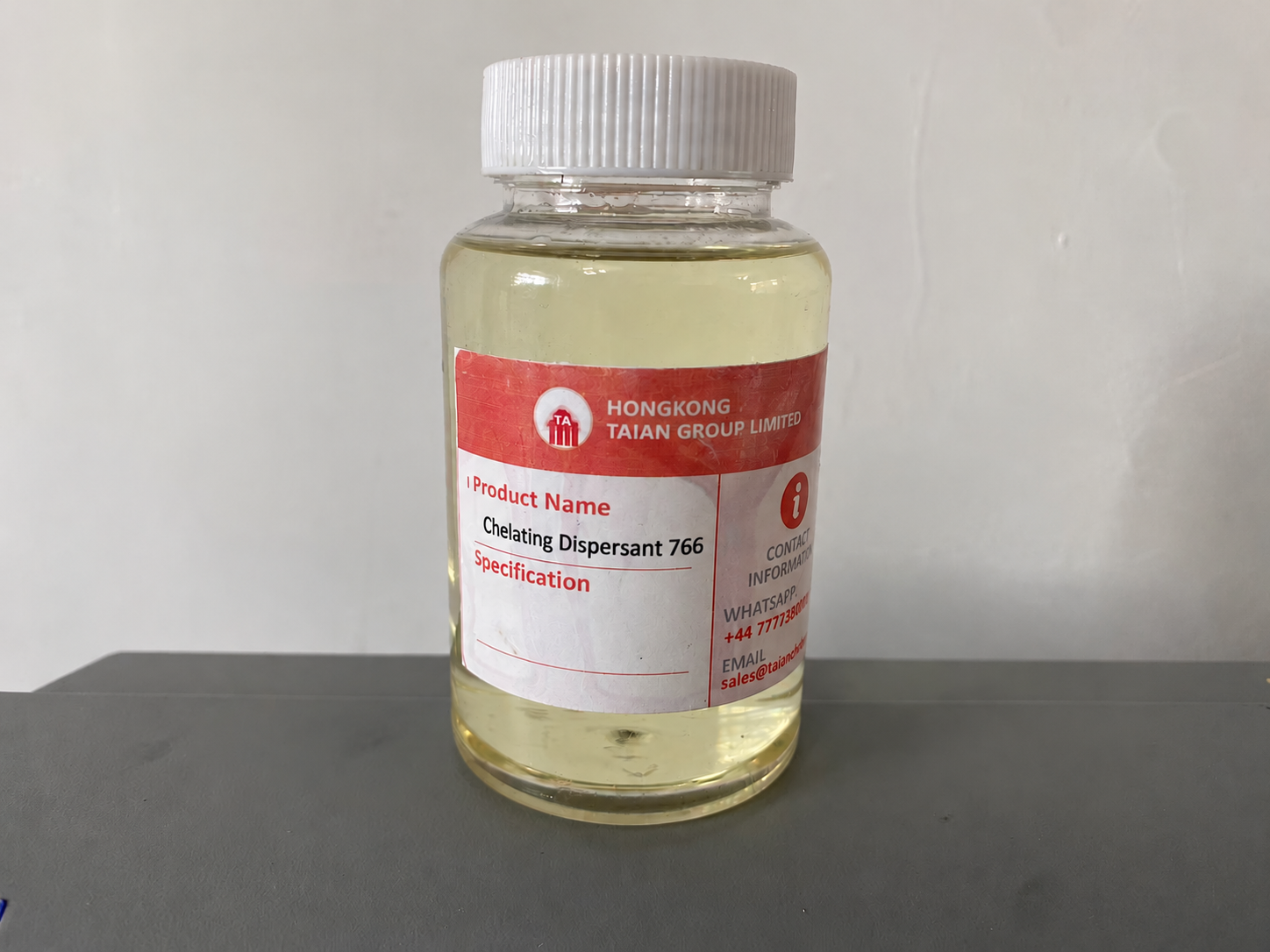
Penetrant Wetting Agent Benefits
Penetrant Wetting Agent Benefits
In the highly competitive world of textile manufacturing, where quality, efficiency, and sustainability are paramount, the role of specialized chemical auxiliaries cannot be overstated. Among these, the penetrant wetting agent stands as a cornerstone of modern textile wet processing, delivering transformative benefits that ripple across the entire production chain.The benefits of using a high-performance textile wetting agent extend far beyond simple wetting; they encompass enhanced quality, reduced resource consumption, faster processing times, and significant cost savings. When examining wetting agents in textile examples, we find they are indispensable across every stage of production—from the initial preparation of raw fabrics to the final dyeing and finishing processes.
A specialized penetrant wetting agent works by dramatically reducing the surface tension of water, allowing it to spread quickly and uniformly across fiber surfaces and penetrate deep into yarn bundles. The development of such effective agents requires deep industry expertise. Our team, comprising seasoned manufacturing experts and international business professionals with 15-20 years of industry experience, has dedicated over 25 years to perfecting textile dyeing auxiliaries. This profound manufacturing experience, backed by a spirit of continuous innovation and sharp market insights, has enabled us to evolve from a specialized production facility into an internationally-oriented enterprise group capable of delivering exceptional penetrant wetting agent solutions that address the real-world challenges faced by textile manufacturers today.
A Penetrant Wetting Agent Transforms Textile Processing
Understanding the transformative benefits of a penetrant wetting agent begins with examining its fundamental mechanism of action at the molecular level. Textile fibers, whether natural or synthetic, present surfaces that are inherently resistant to water penetration.
l Natural fibers like cotton contain waxes, pectins, and other impurities that create hydrophobic barriers, while synthetic fibers like polyester have non-polar surfaces with very low affinity for water. A specialized textile wetting agent addresses this challenge through its unique chemical structure as a surfactant.
l These molecules feature a hydrophilic head and a hydrophobic (water-repelling) tail. When added to processing baths, these molecules migrate to the interfaces between water and air and between water and fabric. The hydrophobic tails orient away from the water, effectively disrupting the strong hydrogen bonding network at the surface and dramatically reducing surface tension.
When considering wetting agents in textile examples, the difference between a standard wetting agent and a high-performance penetrant wetting agent becomes clear. While both reduce surface tension, a dedicated penetrant wetting agent is specifically engineered for maximum penetration power, ensuring rapid and complete saturation of the textile substrate. This fundamental action creates the foundation for all subsequent benefits, making it possible for chemicals, dyes, and finishes to access their intended sites of action uniformly throughout the textile structure.
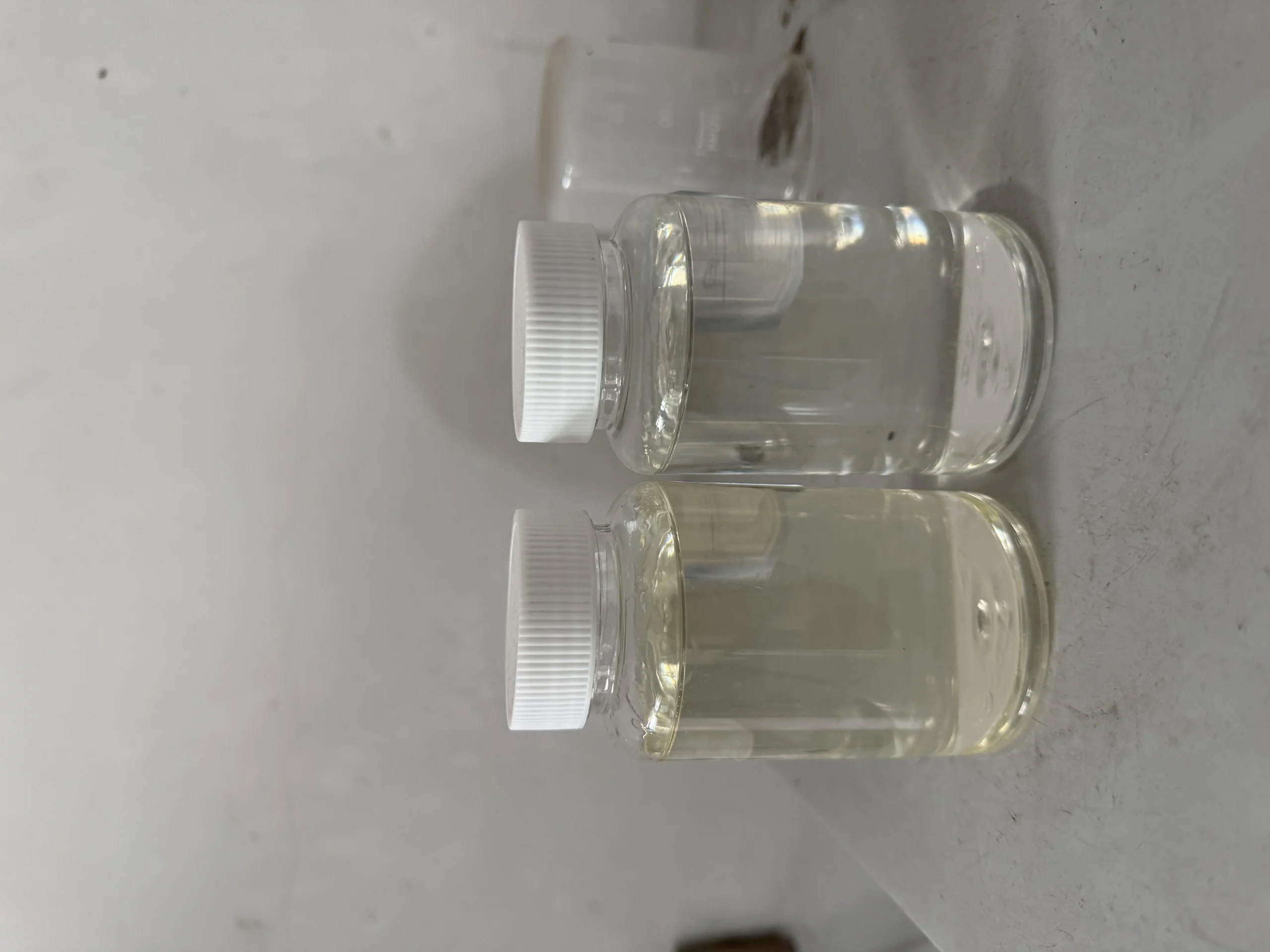
The Role of Textile Wetting Agent in Superior Product Manufacturing
The implementation of a high-performance textile wetting agent delivers substantial quality enhancements that are visibly apparent in the final product.
l Perhaps the most significant quality benefit manifests in dyeing processes, where uneven wetting inevitably leads to uneven dyeing. A robust penetrant wetting agent ensures uniform dye penetration from the very beginning of the dyeing cycle, effectively preventing common defects. This level of uniformity is crucial for achieving first-time-right production, reducing the costly need for re-dyes or shading additions.
l Beyond dyeing, the quality benefits of a textile wetting agent extend to pretreatment processes as well. In desizing, scouring, and bleaching operations, uniform penetration of chemical liquors ensures complete and consistent removal of impurities across the entire fabric surface. Without an effective penetrant wetting agent, these processes can result in residual sizing agents, waxes, or natural impurities that create hydrophobic barriers, leading to resist marks during dyeing and inferior fabric performance.
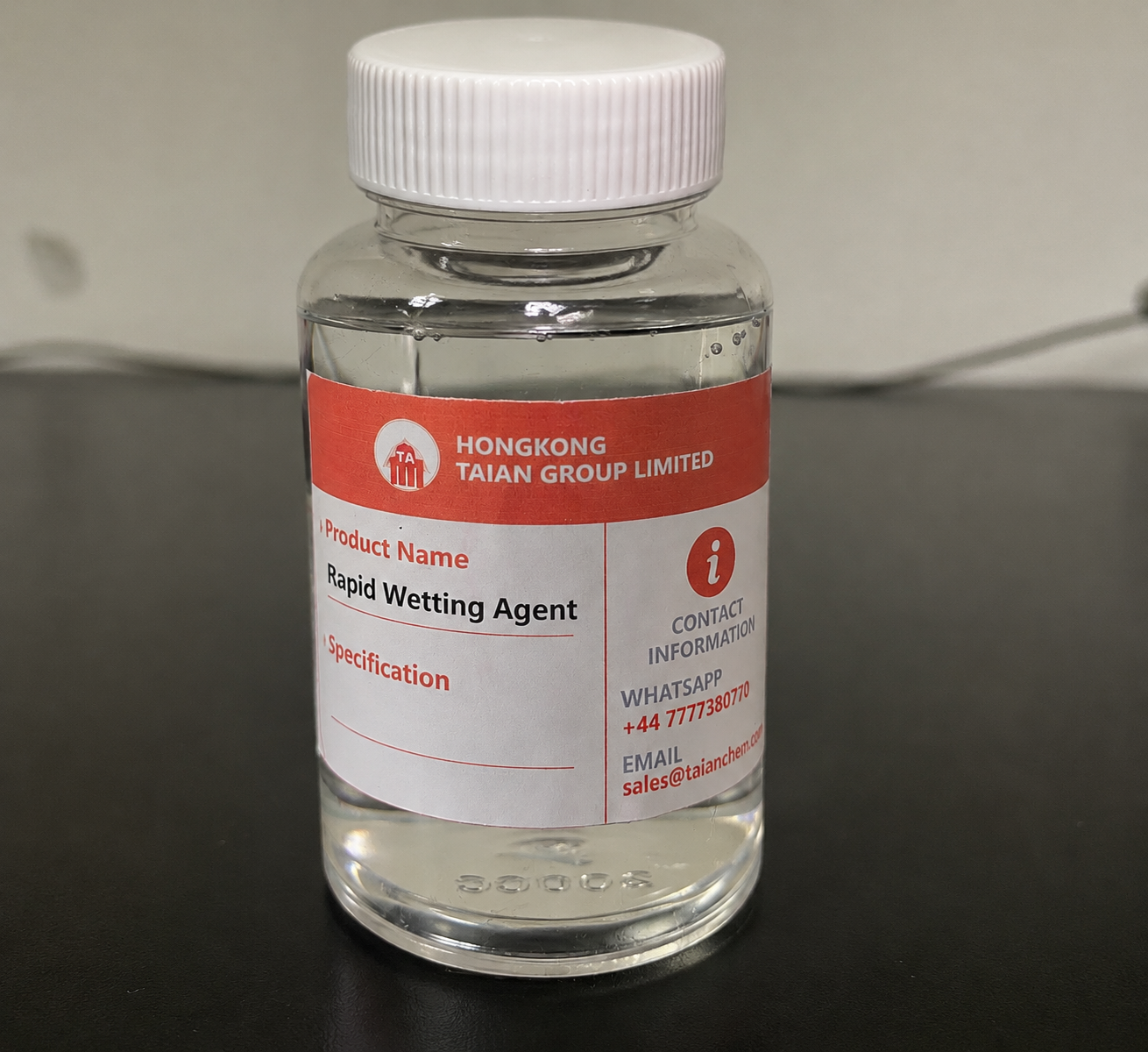
Our professional nonionic penetrant, specifically formulated for comprehensive textile processing applications including dyeing pretreatment, post-finishing, and coloration processes, delivers these quality enhancements reliably batch after batch. The product's exceptional penetration power ensures that fabrics emerge from each processing stage with uniform characteristics, meeting the highest quality standards that today's textile markets demand.
The Environmental Impact of Advanced Textile Wetting Agents
In today's environmentally conscious textile industry, the sustainability benefits of advanced textile wetting agent formulations represent a crucial competitive advantage.
l The environmental advantages begin with water conservation—a critical concern for textile manufacturers worldwide. By enabling right-first-time production and reducing the need for re-processing, a high-performance penetrant wetting agent directly contributes to significant water savings.
l The efficiency gains extend to energy conservation as well, with shorter processing times and lower temperature requirements in some applications translating to reduced energy consumption and associated greenhouse gas emissions.
Our professional nonionic penetrant is manufactured with environmental responsibility in mind, complying with ZDHC (Zero Discharge of Hazardous Chemicals) standards and demonstrating excellent environmental profile characteristics. Our manufacturing excellence, evidenced by ZDHC LEVEL 3 certification and long-term stable partnerships with premium suppliers, ensures that our penetrant wetting agent products support our customers' sustainability goals without compromising on performance.
FAQs About Wetting Agents in Textile Examples
What are some common wetting agents in textile examples used today?
Common wetting agents in textile examples include alkyl sulfates, alkyl aryl sulfonates, ethoxylated alcohols, and other nonionic surfactants. The specific choice depends on the application requirements, with nonionic variants like our professional nonionic penetrant being particularly valued for their compatibility with various dye classes and stability across different pH conditions.
How does a penetrant wetting agent differ from a standard wetting agent?
Standard wetting agents may provide adequate surface wetting but lack the specialized chemical architecture needed to drive liquids into the core of yarn bundles and fiber assemblies. A high-performance penetrant wetting agent typically features optimized molecular structure, lower dynamic surface tension, and enhanced spreading coefficients that enable it to rapidly penetrate the smallest capillaries within textile substrates, ensuring complete saturation rather than just surface wetting.
Can a textile wetting agent be used in all stages of textile processing?
Yes, a versatile textile wetting agent can deliver benefits across multiple processing stages. Our product, for example, is extensively utilized across wet processing operations for cotton, linen, silk, wool, and their blended fabric compositions. It excels in pretreatment processes including desizing, scouring, and bleaching operations, significantly enhancing treatment effectiveness. In dyeing applications, it serves as an essential auxiliary that improves dye penetration and leveling.
What makes your company's penetrant wetting agent different from competitors?
Our penetrant wetting agent benefits from over 25 years of specialized manufacturing experience and continuous innovation. The product delivers exceptional penetration power and outstanding wetting properties while providing effective emulsification and dispersion characteristics. Utilizing cutting-edge nonionic surfactant technology, it maintains consistent performance stability across various pH conditions.
How do I determine the optimal dosage for a penetrant wetting agent in my specific application?
The optimal dosage for a penetrant wetting agent depends on multiple factors including fabric type, construction density, water quality, and specific process parameters. We recommend starting within our general guidance range and conducting small-scale trials to determine the ideal concentration for your specific application.
Rhe benefits of implementing a high-performance penetrant wetting agent in textile manufacturing are comprehensive and transformative, spanning quality enhancement, economic advantage, and environmental sustainability. When examining wetting agents in textile examples across various applications, the value proposition becomes unequivocally clear: these advanced chemical auxiliaries deliver measurable improvements that strengthen both product quality and manufacturing competitiveness. As the textile industry continues to evolve toward more sustainable and efficient practices, the role of sophisticated penetrant wetting agent solutions will only grow in importance, solidifying their status as essential components of successful textile manufacturing strategies for years to come.