Industrial Value and Functions of amylase type of enzyme
Industrial Value and Functions of amylase type of enzyme
Understanding Amylase Type of Enzyme and Its Industrial Value
In the world of biochemistry and industrial processing, the amylase type of enzyme plays a pivotal role in breaking down complex carbohydrates into simple sugars. From the food we eat to the textiles we wear, these biological catalysts are indispensable for efficiency and sustainability. Whether it is used in the brewing industry to convert starch to fermentable sugars or in textile desizing to prepare fabrics for dyeing, amylase is a cornerstone of modern chemistry. In this comprehensive guide, we will explore the different varieties of amylases, their mechanisms, and why they are essential for high-quality industrial outputs.
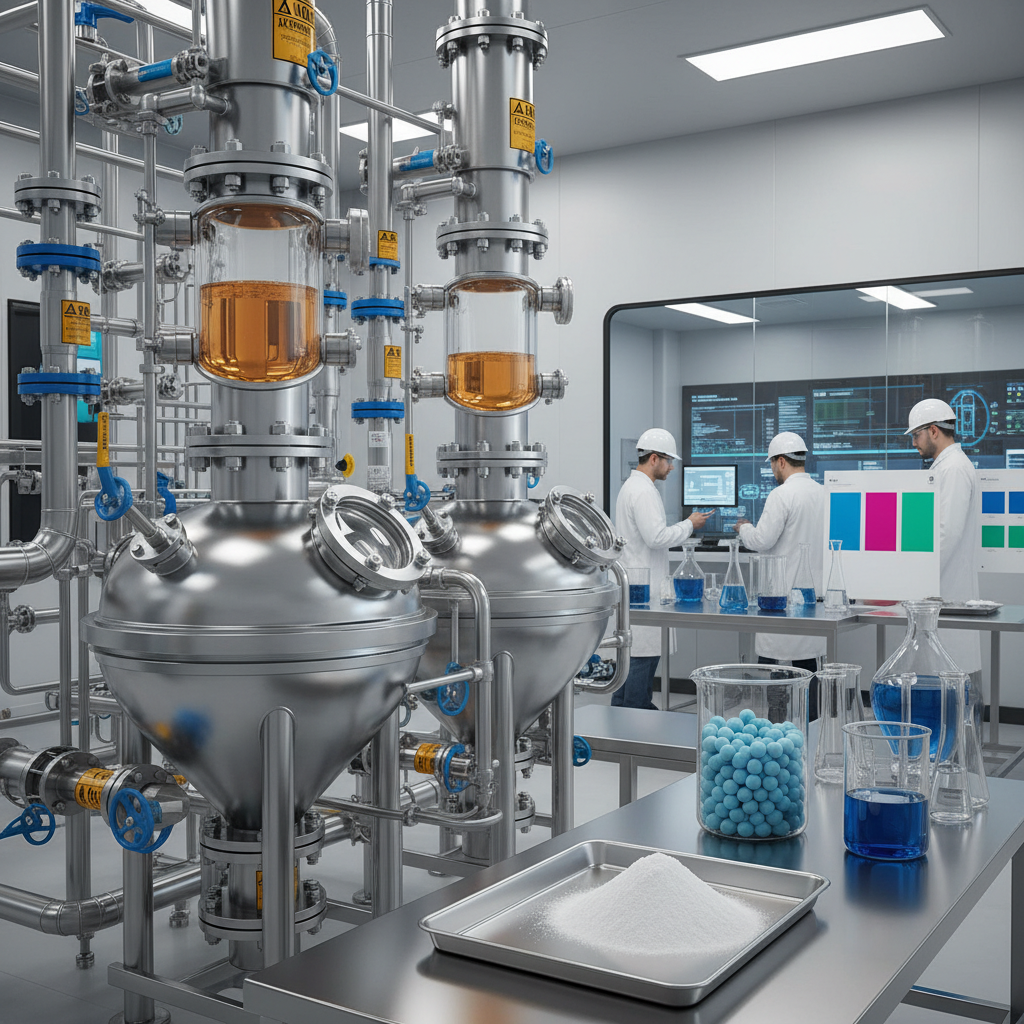
How the Amylase Type of Enzyme Works
The primary function of the amylase type of enzyme is the hydrolysis of starch. Starch consists of long chains of glucose molecules linked by glycosidic bonds. Amylases specifically target these bonds, cleaving the large polysaccharides into smaller units like maltose and glucose. This process is essential because starch is often too large or insoluble to be utilized directly by organisms or industrial processes. By reducing the viscosity of starch solutions, amylases allow for easier handling and faster reaction times in chemical processing.
Pro Tip: The efficiency of an enzyme depends heavily on the pH level and temperature of the environment. Optimizing these factors can increase the reaction rate of amylase by several folds.
Categorizing Different Amylase Types
Not all amylases are created equal. Depending on where they cut the starch chain and their source, they are categorized into different groups. The most common are alpha-amylase, which cuts bonds randomly inside the chain, and beta-amylase, which removes maltose units from the ends. Understanding which amylase type of enzyme to use depends on whether you need a rapid reduction in viscosity or a specific end-product like a high-glucose syrup.
Common Categories:
• $\alpha$-Amylase: Endo-enzyme, rapid liquefaction of starch.
• $\beta$-Amylase: Exo-enzyme, produces maltose.
• Glucoamylase: Breaks down starch into individual glucose molecules.
Comparison of Amylase Types in Industry
Selecting the right amylase type of enzyme can significantly impact the quality of the final product. In the textile industry, for example, alpha-amylase is preferred for desizing because it quickly removes the starch size from warp yarns without damaging the cellulose of the fabric. The following table provides a detailed comparison of the most utilized amylases in industrial settings.
Applications of the Amylase Type of Enzyme in Textiles
In the textile dyeing and finishing process, the application of the amylase type of enzyme is critical during the desizing stage. Before fabric can be dyed, the protective starch layer added during weaving must be removed. Using amylase ensures that the starch is dissolved without affecting the strength of the cotton fibers. This enzymatic approach is far superior to traditional acid or alkaline desizing, as it is biodegradable, non-toxic, and requires less water, making it an eco-friendly choice for sustainable manufacturing.
Technical Specifications for Industrial Amylase
When sourcing an amylase type of enzyme for commercial use, quality control specifications are vital. Factors such as enzyme activity (measured in units per milliliter), thermal stability, and pH tolerance determine the operational cost and efficiency of the process. High-performance amylases are often engineered to withstand higher temperatures to speed up the hydrolysis process in industrial vats.
Conclusion: The Strategic Importance of Amylase
The amylase type of enzyme is far more than just a biological catalyst; it is an essential tool for industrial optimization. By leveraging the specificity of different amylase types, manufacturers can achieve higher purity, reduce chemical waste, and lower operational costs. As the global industry shifts toward "green chemistry," the reliance on enzymatic processes like amylase hydrolysis will only grow. Choosing the correct grade and type of amylase ensures that your production line remains efficient and environmentally responsible.
Frequently Asked Questions (FAQs)
What is the main difference between Alpha and Beta Amylase?
The primary difference lies in their method of attack on the starch molecule. Alpha-amylase is an endo-enzyme, meaning it breaks internal $\alpha$-1,4-glycosidic bonds at random locations, which rapidly decreases the viscosity of the starch paste. Beta-amylase, however, is an exo-enzyme that clips off maltose units from the non-reducing ends of the starch chain. In a practical sense, if you need to liquefy a thick starch solution quickly, you would choose an alpha-amylase type of enzyme. If you are aiming to produce a high concentration of maltose for brewing, beta-amylase is the key.
How does temperature affect amylase activity?
Temperature is one of the most critical factors for any amylase type of enzyme. Most enzymes have an "optimal temperature" where their activity peaks. If the temperature is too low, the reaction happens too slowly to be commercially viable. If it is too high, the protein structure of the enzyme denatures, meaning it unfolds and loses its ability to bind to starch. However, industrial-grade thermostable amylases are engineered to function at temperatures above 80°C, which is essential for processes like corn starch liquefaction or textile desizing.
Is the use of amylase safe for the environment?
Yes, amylases are generally considered very environmentally friendly. Being proteins, they are fully biodegradable and do not accumulate in the ecosystem. When compared to chemical desizing agents (which often involve strong acids or caustic soda), using an amylase type of enzyme significantly reduces the COD (Chemical Oxygen Demand) and BOD (Biological Oxygen Demand) of wastewater. This makes the effluent easier to treat and reduces the overall chemical footprint of the factory, aligning with global sustainability goals in the chemical and textile sectors.
Can amylase be used on synthetic fabrics?
Amylase specifically targets starch. Therefore, it does not react with synthetic fibers like polyester or nylon. However, it is highly useful for synthetic blends that have been sized with starch during weaving. In these cases, the amylase removes the starch from the synthetic yarn without damaging the polymer fibers. This ensures the fabric is clean and absorbent before the dyeing process begins. For more technical guidance on enzyme application, you can visit the DyeingChem website.