Comprehensive Guide to Fabric Pretreatment for Enhanced Textile Quality
Comprehensive Guide to Fabric Pretreatment for Enhanced Textile Quality
Fabric Pretreatment: A Comprehensive Guide
Fabric pretreatment is a crucial step in the textile manufacturing process, preparing the fabric for dyeing, printing, and finishing. It involves a series of processes designed to remove impurities, enhance absorbency, and improve overall fabric quality. Proper fabric pretreatment ensures optimal results in subsequent stages and contributes to the final product's performance and aesthetic appeal. This article will provide a detailed overview of pretreatment processes, their importance, and the chemicals involved, all while focusing on achieving excellent and consistent fabric quality.
The Importance of Fabric Pretreatment
Without adequate pretreatment, fabrics may exhibit uneven dyeing, poor colorfastness, and reduced fabric strength. Impurities such as waxes, oils, sizing agents, and dirt can hinder dye penetration and create undesirable effects. Pretreatment removes these obstacles, creating a receptive surface for dyes and finishes. It also helps to stabilize the fabric, preventing shrinkage and distortion during processing. Investing in effective pretreatment not only improves product quality but also minimizes waste and reduces production costs.
Key Benefits: Improved dye uptake, enhanced colorfastness, increased fabric strength, reduced waste, and consistent quality.
Common Fabric Pretreatment Processes
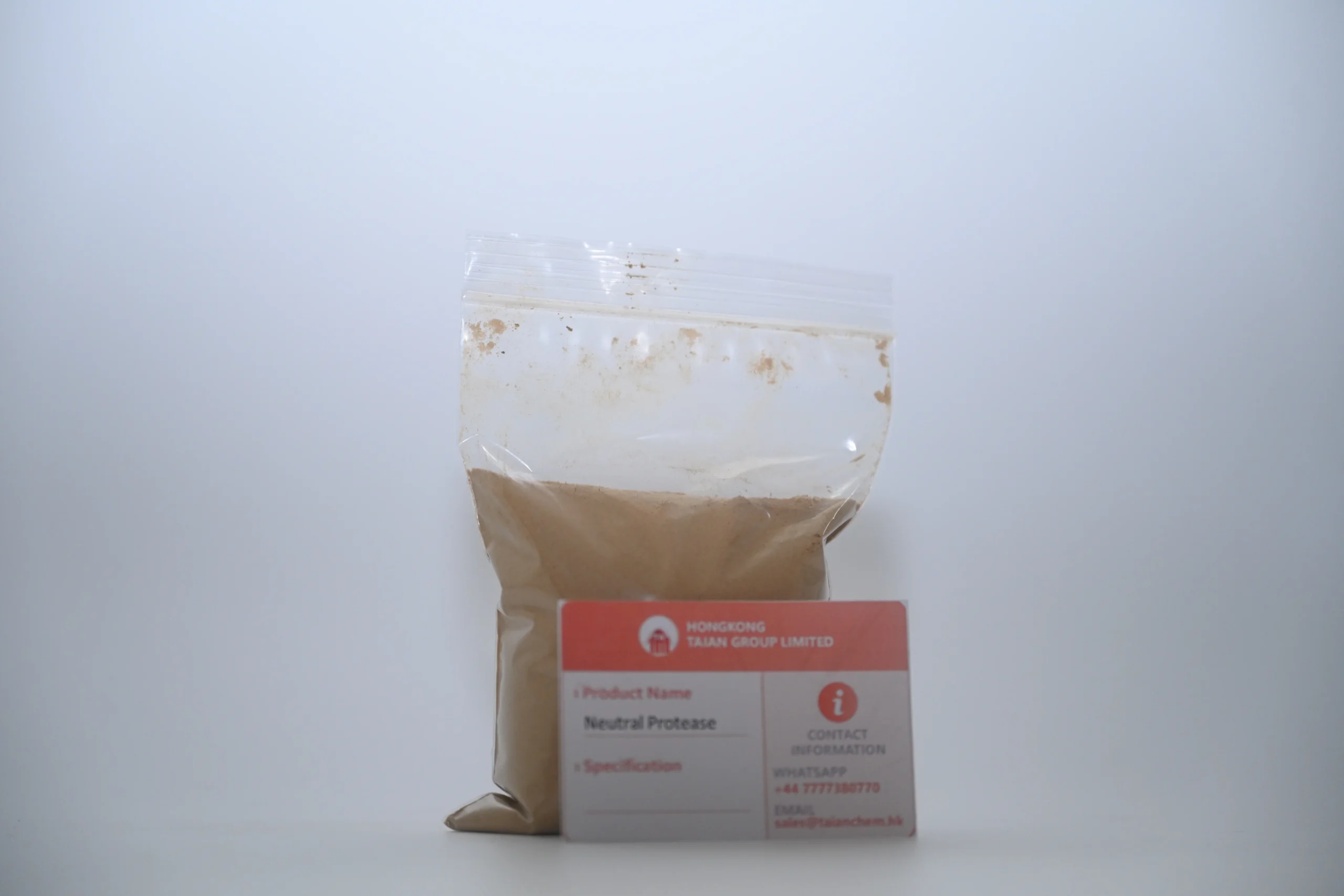
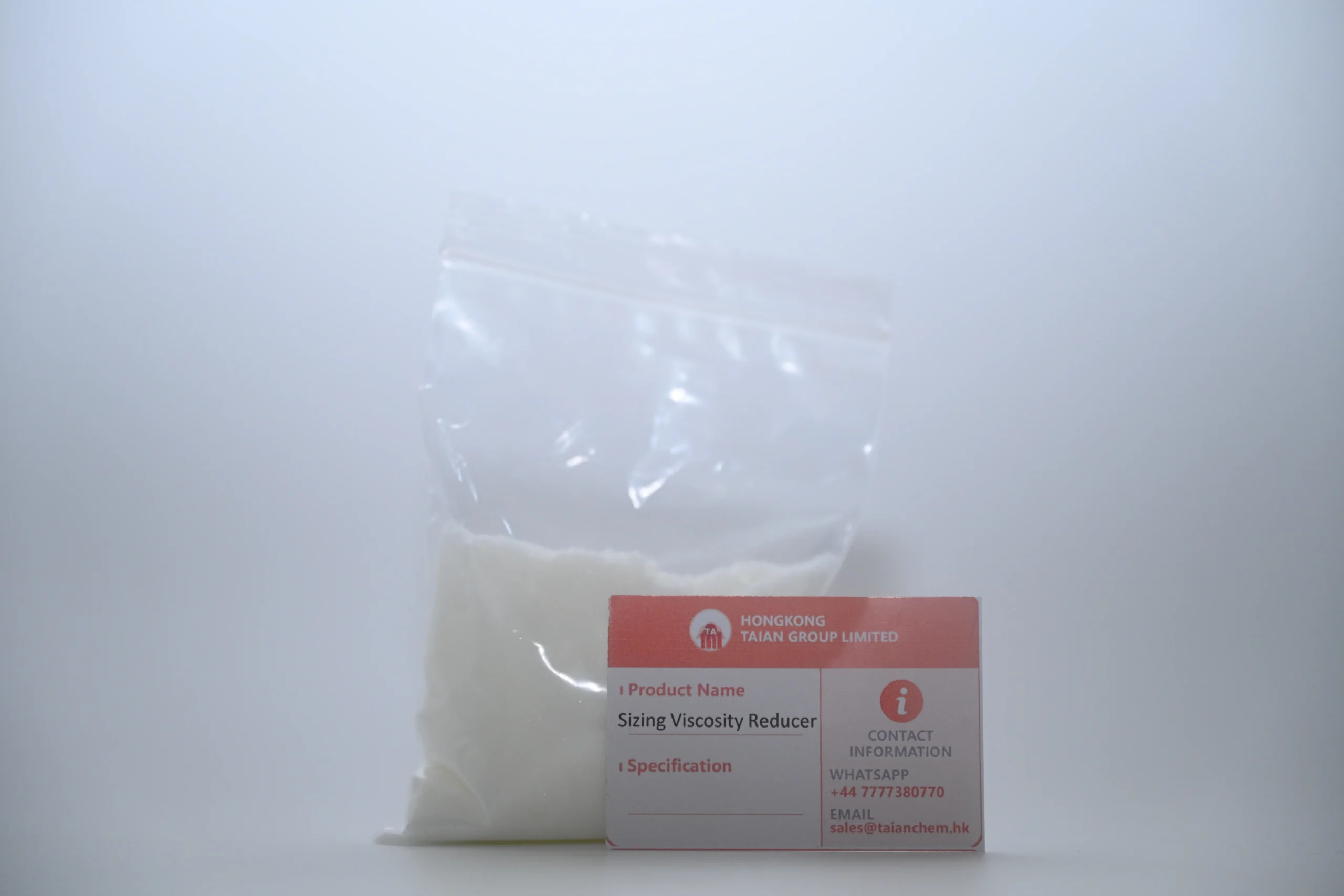
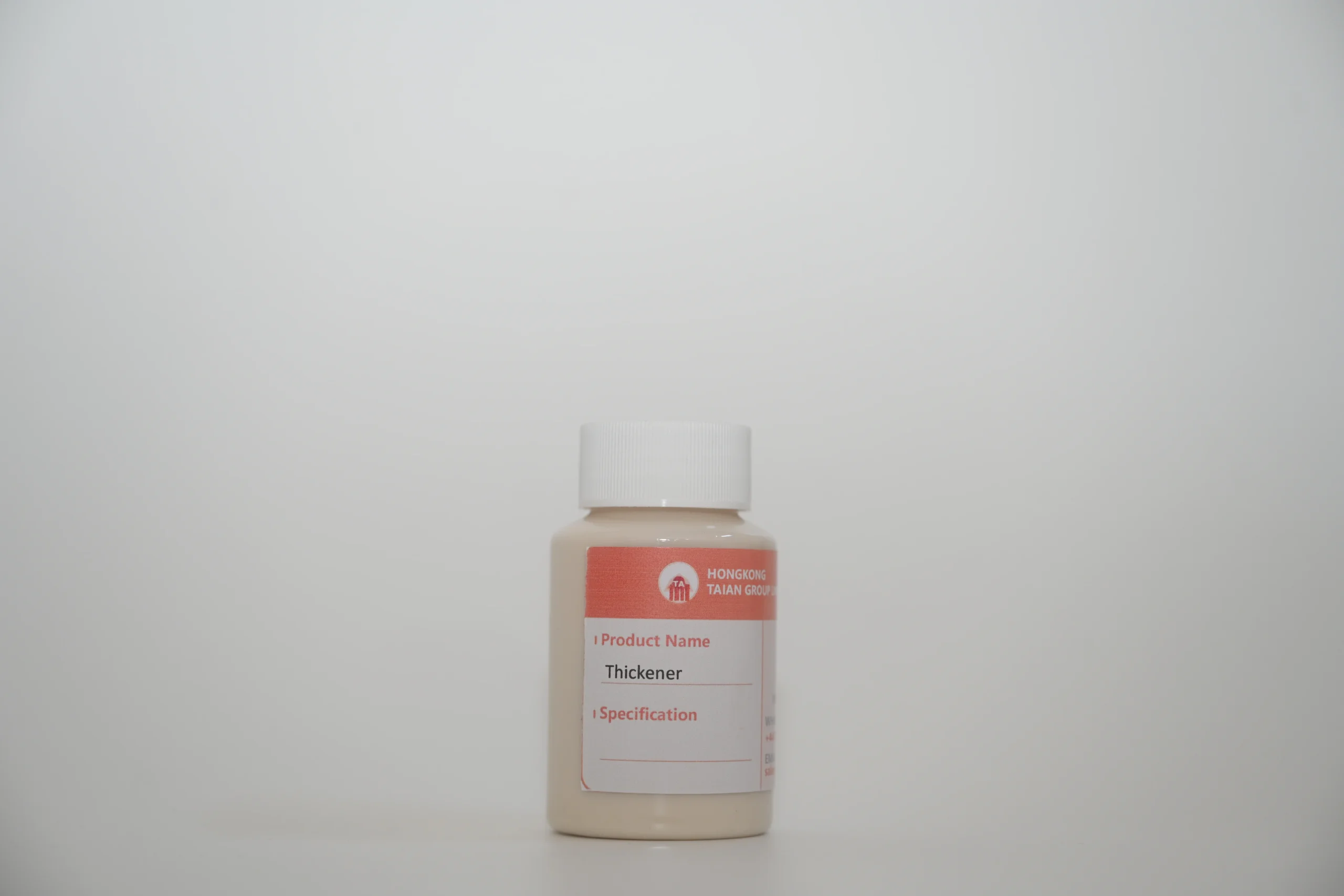
Several distinct processes are typically involved in fabric pretreatment, each targeting specific impurities and aiming to prepare the fabric in a particular way. These include desizing, scouring, bleaching, and mercerization. The specific sequence and intensity of these processes depend on the fiber type, fabric construction, and intended end-use. Dyeingchem provides a wide range of chemicals suitable for each stage of fabric pretreatment.
Pretreatment Process Breakdown:
• Desizing: Removing sizing agents applied during weaving.
• Scouring: Removing natural waxes, oils, and impurities.
• Bleaching: Whitening the fabric to improve dye brightness.
• Mercerization: Increasing luster, strength, and dye affinity.
A Comparison of Pretreatment Chemicals
Different chemicals are used during each pretreatment stage. Choosing the right chemical is crucial for achieving optimal results and minimizing environmental impact. Here's a comparison of commonly used chemicals for scouring and bleaching:
Innovations in Fabric Pretreatment
The textile industry is continually evolving, and new innovations in fabric pretreatment are emerging to improve efficiency and sustainability. These include the use of low-liquor ratio machines, which reduce water consumption, and enzymatic pretreatment methods, which offer eco-friendly alternatives to harsh chemicals. Furthermore, advancements in pretreatment chemical formulations are leading to improved performance and reduced environmental impact. Dyeingchem is at the forefront of providing these innovative solutions to our clients.
Selecting the Right Pretreatment Process
Choosing the optimal pretreatment process requires careful consideration of several factors, including the fiber type, fabric construction, desired end-use, and environmental regulations. Cotton, polyester, and blends each require different approaches. For instance, cotton typically requires a more intensive scouring process than polyester. It's essential to conduct thorough testing and analysis to determine the most effective pretreatment strategy for each specific fabric.
Conclusion: Achieving Optimal Fabric Quality through Pretreatment
Effective fabric pretreatment is the cornerstone of high-quality textile manufacturing. By understanding the different processes, choosing the right chemicals, and embracing innovative technologies, manufacturers can ensure optimal dye uptake, improved colorfastness, and enhanced fabric performance. Investing in proper pretreatment is an investment in the success of the final product.
Frequently Asked Questions (FAQs)
What is the purpose of desizing?
Desizing removes sizing agents—starches, polymers, and waxes—applied to warp yarns during weaving to enhance their strength and abrasion resistance. These sizing agents can prevent proper dye penetration and create uneven finishes if left on the fabric. Desizing prepares the fabric for subsequent wet processing, ensuring uniform dye absorption and optimal results. Common desizing agents include enzymes (amylases for starch removal) and oxidizing agents.
How does scouring differ from bleaching?
Scouring focuses on removing natural impurities like waxes, oils, and pectins from the fabric, enhancing its absorbency. It primarily aims to clean the fabric. Bleaching, on the other hand, aims to whiten the fabric by removing natural pigments or discoloration. While scouring prepares the fabric for dyeing, bleaching focuses on improving its brightness and achieving a clean, white base for vibrant colors. Both processes are crucial for optimal results, but they address different aspects of fabric preparation.
Is mercerization necessary for all fabrics?
No, mercerization isn’t necessary for all fabrics, but it is particularly beneficial for cotton. It increases the fiber’s luster, strength, and dye affinity, resulting in brighter and more durable colors. While not essential for synthetic fabrics like polyester, mercerization can significantly enhance the quality and appearance of cotton fabrics, making them more desirable for various applications. It is especially useful for fabrics intended for high-end apparel or those requiring exceptional dye performance.
What are the environmental considerations in fabric pretreatment?
Traditional fabric pretreatment processes can consume significant amounts of water and energy and generate wastewater containing harmful chemicals. Environmental considerations are driving the adoption of more sustainable practices, such as low-liquor ratio machines, enzymatic pretreatment, and the use of eco-friendly chemicals. Reducing water consumption, minimizing chemical waste, and utilizing renewable energy sources are key priorities in creating a more environmentally responsible textile industry.