
Textile auxiliaries are essential chemical compounds used in various stages of textile processing, from preparation and dyeing to finishing. Understanding the different types of textile auxiliaries is crucial for achieving desired fabric properties, improving production efficiency, and minimizing environmental impact. These auxiliaries enhance processes like wetting, scouring, bleaching, dyeing, printing, and finishing, ultimately determining the quality, performance, and aesthetics of the final textile product.
Globally, the textile industry is a significant economic driver, employing millions and contributing substantially to international trade. However, it also faces increasing pressure to adopt sustainable practices. The correct application of textile auxiliaries is central to this goal. Innovations in auxiliary chemistry are continually emerging to address challenges like water conservation, energy reduction, and the elimination of harmful substances from textile manufacturing processes.
The significance of types of textile auxiliaries extends beyond economic factors. They directly influence the comfort, durability, and safety of the clothing we wear and the textiles used in our homes and workplaces. Properly selected auxiliaries can enhance fabric functionality, offering properties like water repellency, flame retardancy, and antimicrobial protection, meeting evolving consumer needs and industry standards.
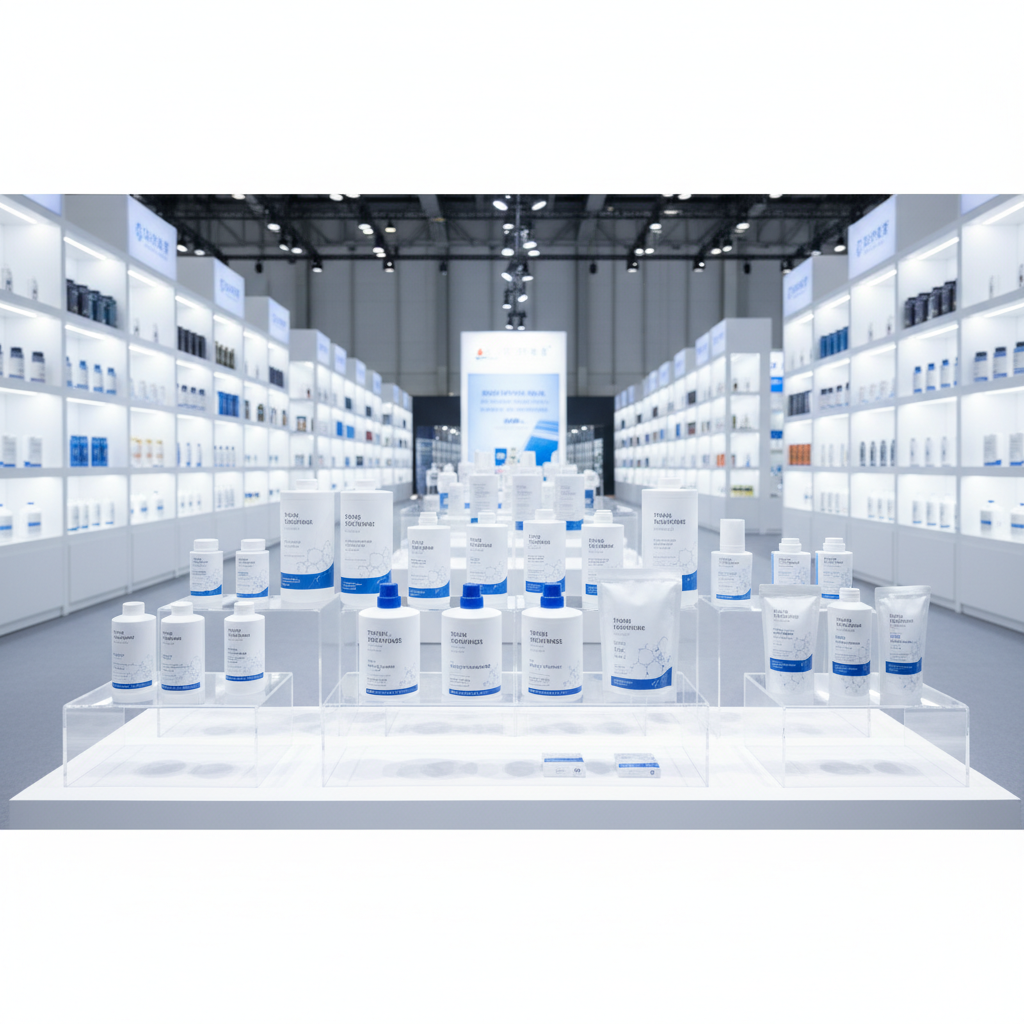
Defining Types of Textile Auxiliaries
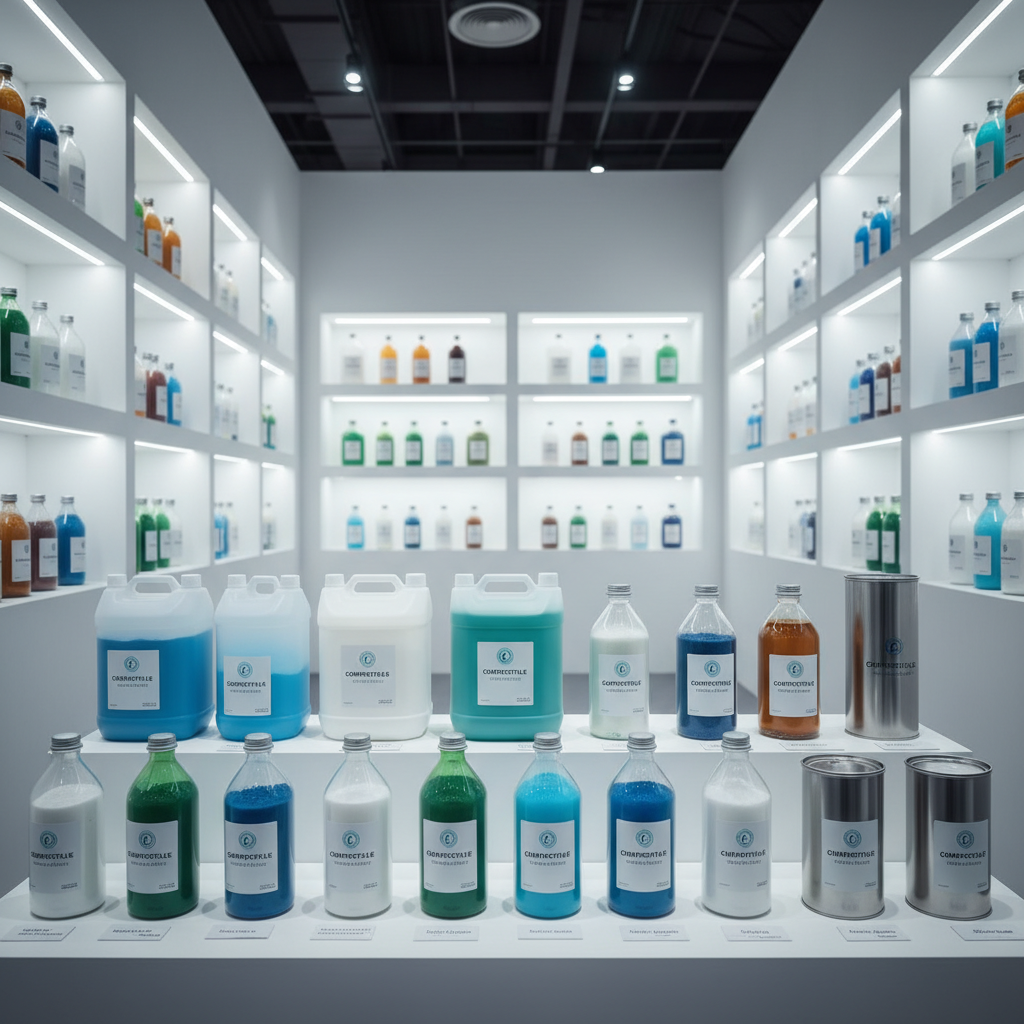
Types of textile auxiliaries encompass a broad spectrum of chemical substances used at each stage of textile manufacturing, but are not integral parts of the final fabric. They're added to enhance the efficiency of processes, modify fabric characteristics, and improve the quality of the finished product. These aren’t dyes or fibers themselves, but rather agents that facilitate the actions of dyes and other treatments.
Essentially, auxiliaries are the supporting cast in the textile production drama. Without them, achieving consistent results – from vibrant, colorfast dyeing to durable, wrinkle-resistant finishes – would be far more challenging and expensive. The selection of the appropriate auxiliary is often as important as the choice of dye or fiber, directly impacting the final product’s performance and marketability.
FAQS
Wetting agents reduce the surface tension of water, allowing it to spread more easily on fabric, improving dye penetration. Scouring agents, on the other hand, remove impurities like waxes, oils, and dirt from the fabric surface. While both prepare the fabric for subsequent processes, they function through different mechanisms. Scouring creates a clean surface, while wetting ensures liquid contact.
Unfortunately, not all textile auxiliaries are environmentally friendly. Some contain harmful chemicals like formaldehyde or APEOs. However, there is a growing trend towards sustainable auxiliaries made from renewable resources or designed to biodegrade easily. Look for certifications like OEKO-TEX Standard 100 or Bluesign to identify more eco-conscious options. Choosing environmentally friendly auxiliaries is vital for reducing the textile industry’s impact.
Determining the correct dosage depends on several factors, including the type of fabric, the auxiliary’s concentration, the processing conditions, and the desired effect. Manufacturers often provide recommended dosage guidelines, but it's crucial to conduct trials to optimize the dosage for your specific application. Overdosing can be costly and potentially harmful, while underdosing may not deliver the desired results.
When selecting a leveling agent, consider its compatibility with the dye class and fiber type, its ability to promote uniform dye absorption, and its impact on colorfastness. The leveling agent should also be stable at the dyeing temperature and pH. Furthermore, consider the environmental impact and potential for residue build-up on the fabric. A well-chosen leveling agent minimizes shade variations and ensures consistent dyeing.
Dispersing agents are critical for stabilizing dye suspensions, preventing agglomeration, and ensuring even distribution of dyes throughout the dyeing bath. This results in more uniform coloration and reduced staining. They work by reducing the surface tension between dye particles and the liquid medium, preventing them from clumping together. Effective dispersion leads to higher dye utilization and improved color yield.
Softeners are applied to textile fabrics to improve their handle, drape, and overall comfort. They lubricate the fibers, reducing friction and creating a softer feel. Different types of softeners are available, each offering varying levels of softness and performance characteristics. Choosing the right softener depends on the fabric type and desired final properties, balancing softness with durability and other functional aspects.
Conclusion
Understanding types of textile auxiliaries is paramount for success in the modern textile industry. From enhancing production efficiency and improving product quality to promoting sustainability and reducing environmental impact, auxiliaries are indispensable. A strategic approach to auxiliary selection and application is no longer optional but a necessity for competitive advantage.
Looking ahead, continued innovation in auxiliary chemistry, driven by demands for greener and more functional textiles, will be vital. Investing in research and development, embracing sustainable practices, and fostering collaboration across the supply chain are crucial steps towards a more responsible and resilient textile future.
Related Posts
-
Navigating the Complexities of Textile Auxiliaries Exporter Applications
-
Understanding Reducing Agents Their Applications and Future Trends
-

Exploring the Comprehensive Reducing Agent List for Industrial and Environmental Applications
-
Advancements in Selective Reducing Agent Technologies for Sustainable Chemistry