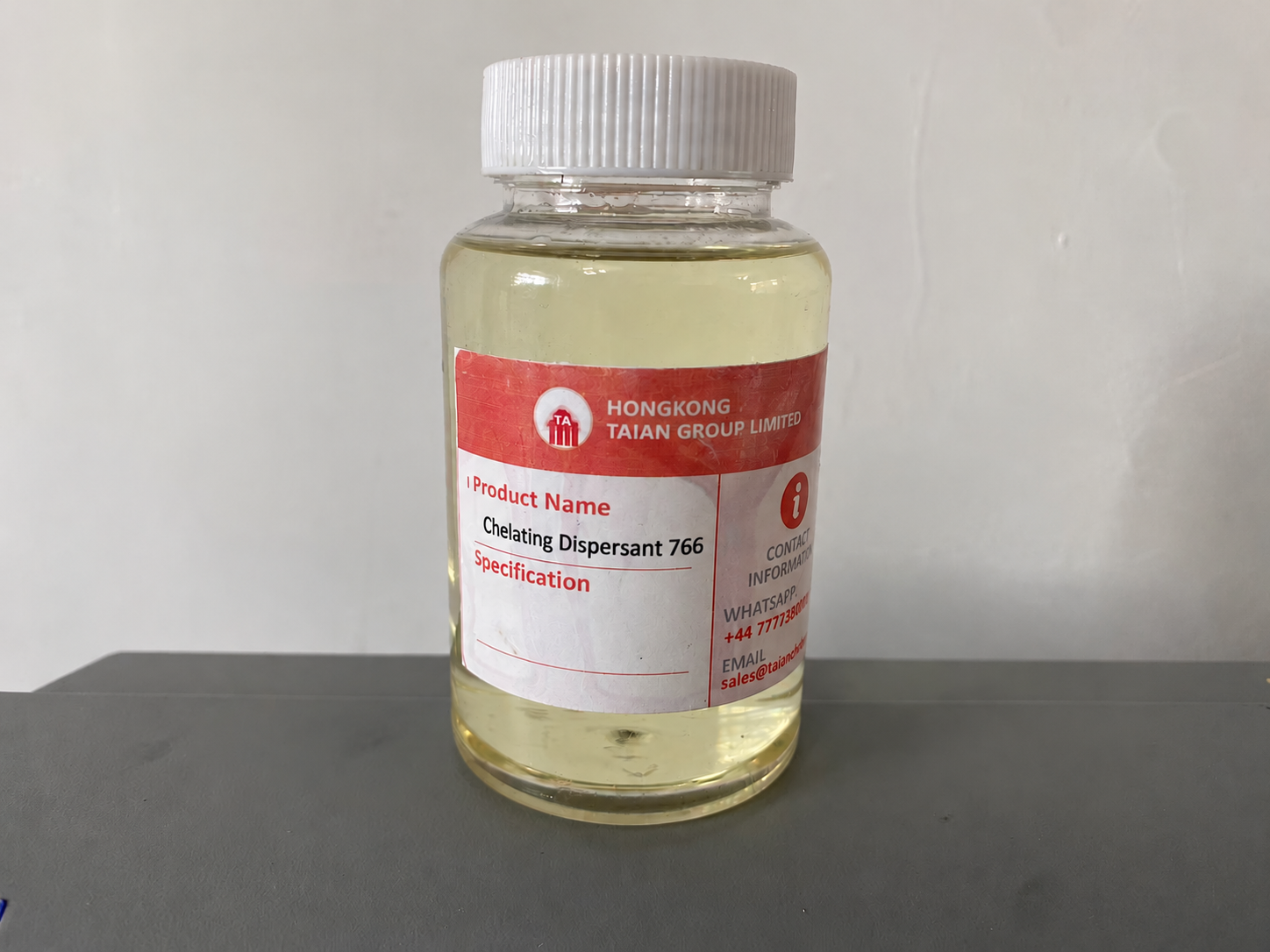
The Role and Future of Synthetic Dyes in Textiles | Industry Insights
The Role and Future of Synthetic Dyes in Textiles | Industry Insights
Synthetic Dyes in Textiles: A Colorful Revolution with Global Impact
When you glance at a shirt, blanket, or curtain, there's a pretty good chance synthetic dyes brought that vibrant color to life. Synthetic dyes in textiles aren't just about aesthetics — they encapsulate decades of innovation, environmental challenges, and serious economic weight worldwide. Understanding synthetic dyes opens the door to grasping how industries balance vibrant fashion trends with sustainability efforts, how millions of jobs depend on dyeing activities, and how new technologies aim to make color more eco-friendly.
Why Synthetic Dyes Matter Globally
Here’s something worth noting: the global textile dyeing market was valued at several billions of dollars in recent years, with a compound annual growth rate hovering around 5-6%. The UN and organizations like the International Labour Organization highlight that textile manufacturing—including dyeing—is a backbone for employment in many developing countries. However, the downside involves environmental issues like water pollution and chemical runoff, pressing challenges that companies and governments alike face.
Synthetic dyes help address these problems by offering more consistent coloring performance and, increasingly, greener alternatives. Yet, the complexity remains — making this field a fascinating intersection of chemistry, industry, and environment.
What Exactly Are Synthetic Dyes in Textiles?
In plain terms, synthetic dyes are man-made organic compounds used to color textiles. Unlike natural dyes extracted from plants or animals, these are designed in labs to be more vibrant, durable, and reproducible. It’s kind of like cooking your favorite meal versus having a factory produce it consistently for millions. Synthetic dyes grew out of the 19th-century chemical revolution and now dominate the dyeing landscape.
The connection to modern industry is intimate — synthetic dyes allow fast production cycles, high-quality aesthetics, and the ability to meet exact client specifications worldwide. They’re also vital in humanitarian contexts, where cheap, reliable colored fabrics support shelter, clothing, and identification efforts during disaster relief.
Mini Takeaway:
Synthetic dyes power the global textile industry, bridging tradition with innovation, with wide-reaching economic and social influence.
Key Aspects of Synthetic Dyes in Practical Textile Use
1. Durability and Colorfastness
Most synthetic dyes offer excellent resistance to fading, washing, and sunlight. This means clothes and fabrics keep their look longer, reducing waste and replacing. Imagine uniforms or upholstery in high-traffic spaces — synthetic dyes help materials endure without looking worn out.
2. Scalability of Production
Whether producing thousands of meters of fabric or millions, synthetic dyes can be manufactured consistently at scale. This scalability is essential as global demand for textiles surges, especially in fast fashion but also in industrial fabrics.
3. Cost Efficiency
Synthetic dyes tend to be more affordable than natural counterparts when factoring in yield and process costs. Plus, their enhanced performance often means fewer product returns or complaints, saving money over time.
4. Environmental Considerations
While the production and use of synthetic dyes traditionally involved toxic chemicals, advancements in green chemistry, like azo-free and low-impact dyes, are changing the landscape. The industry increasingly looks at water-saving processes and biodegradability as priorities.
5. Versatility in Application
From cotton and wool to polyester and nylon, synthetic dyes can be adapted for various fibers. This versatility makes them indispensable across sectors—from fashion and home textiles to automotive and medical fabrics.
Mini Takeaway:
Durability, scalability, cost, environmental responsibility, and versatility all intertwine to make synthetic dyes central to textile manufacturing.
Real-World Applications: Where and How Synthetic Dyes Shine
The textile hubs of Asia, especially India, China, and Bangladesh, extensively use synthetic dyes to meet huge production demands. Europe and North America leverage cutting-edge technologies to produce more eco-friendly dyes, sending ripples through supply chains worldwide.
- Fashion Industry: Enables vibrant, diverse collections running on tight timelines.
- Home Furnishing: Durable upholstery fabrics rely on long-lasting color.
- Industrial Textiles: Safety vests and uniforms benefit from colorfast synthetic dyes.
- Disaster Relief Efforts: Organizations use colored fabrics for quick identification and shelter materials, where synthetic dyes ensure rapid, consistent coloring in remote zones.
- Sportswear: Moisture-wicking polyester often dyed with specialized synthetic dyes for performance and appearance.
Mini Takeaway:
Global industries — from fashion to humanitarian aid — rely on synthetic dyes in textiles to fulfill quality, speed, and safety expectations.
The Advantages and Long-Term Value of Synthetic Dyes
We often think just in terms of color, but synthetic dyes also deliver:
- Economic Benefits: Lower costs and higher production volumes translate into affordable clothing and textiles worldwide.
- Environmental Progress: Green dyeing processes reduce water and chemical waste.
- Social Impact: Jobs created in dye manufacturing communities help lift countless families out of poverty.
- Reliability & Trust: Customers expect lasting colors, no surprises — synthetic dyes meet that.
- Aesthetic Innovation: Brighter, new hues allow designers to continually inspire fresh trends.
On an emotional note, there’s comfort and pride in wearing a well-colored garment that withstands years of life’s trials — colors do tell a story, after all.
Product Specifications of a Typical Synthetic Dye – Basic Overview
| Specification | Details |
|---|---|
| Type | Reactive, Disperse, Acid, Basic |
| Color Range | Full spectrum, including fluorescent & pastel shades |
| Fastness to Washing | 4 - 5 (on a scale of 1 to 5) |
| pH Range | 4 - 11 (depending on dye type) |
| Toxicity | Non-carcinogenic with ISO environmental standards |
| Application Method | Batch, Continuous, and Jet dyeing |
Comparing Leading Vendors of Synthetic Dyes
| Vendor | Eco-Friendliness | Color Range | Global Reach | Price Range |
|---|---|---|---|---|
| DyeChem Co. | High (ISO-certified) | Extensive (500+ shades) | Asia, Europe, Americas | $$ |
| ColorMax Ltd. | Medium | Wide (300+ shades) | Europe, North America | $$$ |
| EcoDyes Inc. | Very High (biodegradable dyes) | Moderate (200+ shades) | Global | $$$ |
Looking Ahead: Trends and Innovations
The future of synthetic dyes in textiles sounds promising — and green. More companies are investing in carbon-neutral manufacturing, waterless dyeing technologies, and digital printing methods that minimize waste. Oddly enough, AI and big data also play roles by predicting demand and optimizing color matching—cutting down re-dyes and returns.
There’s also a push for bio-synthetic dyes, blending synthetic and natural chemistry for less impact but high performance. With international policies tightening on textile pollution, the industry feels both pressure and opportunity to innovate.
Challenges and Clever Solutions
Of course, synthetic dyes don’t come without hurdles. Water pollution, toxicity concerns, and limited biodegradability pop up regularly in reports. Many manufacturers still rely on water-intensive processes and harsh chemicals.
The silver lining: experts suggest closed-loop water systems, enzyme-based dyeing, and improved effluent treatments as solid solutions. NGOs and governments collaborating with industry players are driving transparency and compliance, too — slowly but surely, the color revolution keeps evolving.
FAQ: Common Questions About Synthetic Dyes in Textiles
- Q: Are synthetic dyes safe for human skin?
- A: Generally yes, especially dyes compliant with ISO and other safety standards. However, sensitive individuals might react to some chemicals, so testing and certification matter.
- Q: How do synthetic dyes compare environmentally to natural dyes?
- A: While natural dyes are biodegradable, they often require large amounts of water and sometimes mordants that can be harmful. Modern synthetic dyes are increasingly eco-friendly, using less water and toxic chemicals.
- Q: Can synthetic dyes be used on all types of fabrics?
- A: Different synthetic dyes target different fiber types—reactive for cellulose fibers, disperse for synthetics like polyester, acid dyes for wool and nylon. So, yes, but choice matters.
- Q: How long do clothes dyed with synthetic dyes maintain their color?
- A: With proper care, colors usually last for years. Fastness ratings (like 4-5 out of 5) indicate high resistance to washing and sunlight.
- Q: What’s the cost difference between synthetic and natural dyes?
- A: Synthetic dyes tend to be more cost-effective at scale, especially when factoring in product longevity and process efficiencies.
Wrapping It Up: Why Synthetic Dyes Still Lead the Way
In real terms, synthetic dyes in textiles are much more than just “colors.” They symbolize an industry’s continuous strive for innovation, sustainability, and economic growth — all while dressing the world in vibrancy. As technology marches forward, these dyes will likely become cleaner, smarter, and even more versatile.
If you’re curious about the latest developments or sourcing options, visit our site at synthetic dyes in textiles for detailed insights, product portfolios, and expert advice.
Final Mini Takeaway:
The colorful story of synthetic dyes is one of chemistry and society evolving together — and we're just getting started.