Exploring Solid Reducing Agents and Their Diverse Industrial Applications
Exploring Solid Reducing Agents and Their Diverse Industrial Applications
Understanding Solid Reducing Agents: A Comprehensive Guide
In the realm of chemistry, solid reducing agents play a crucial role in various applications, from industrial processes to laboratory experiments. These substances donate electrons to other chemical species, facilitating reduction reactions. This article delves into the intricacies of solid reducing agents, exploring their types, applications, safety considerations, and key properties. We will provide detailed insights into how these agents contribute to diverse industries and highlight the importance of selecting the right reducing agent for specific needs.
What are Solid Reducing Agents?
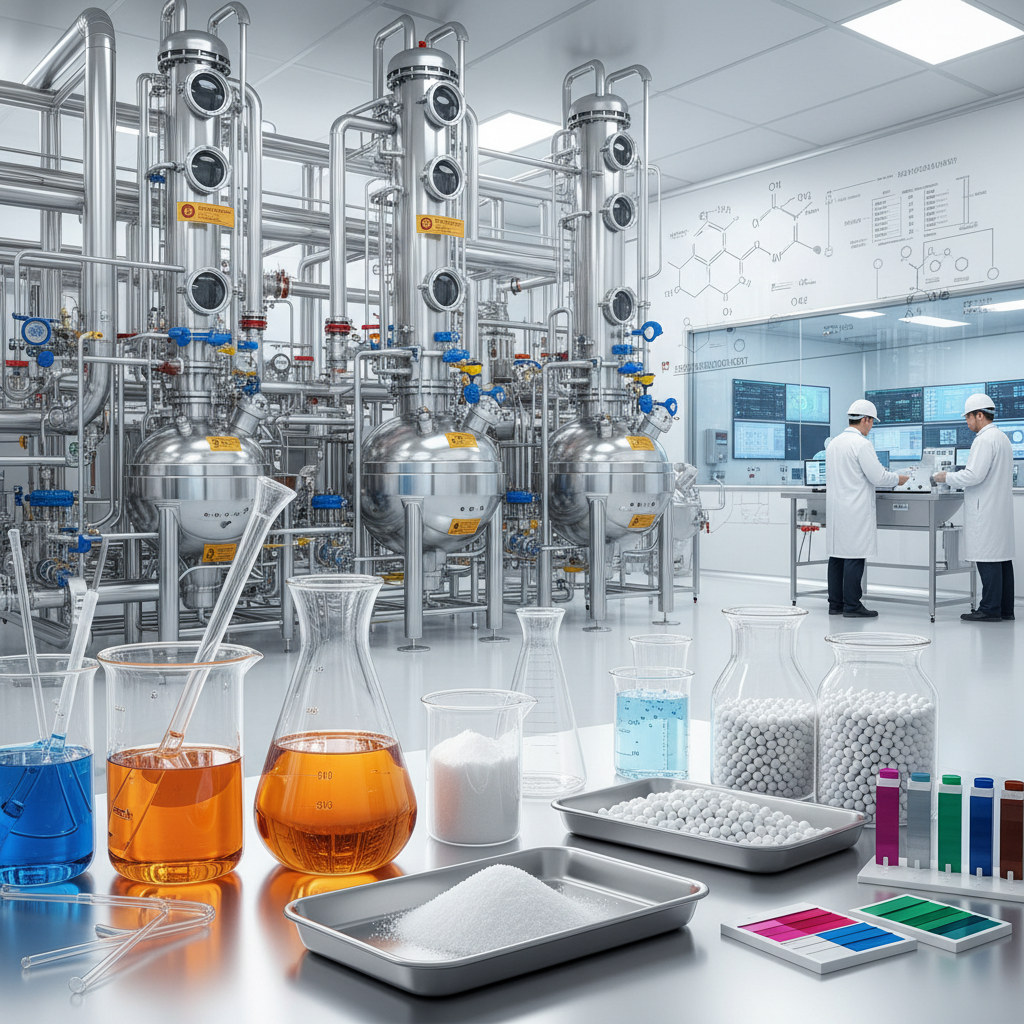
A reducing agent, also known as a reductant, is a substance that donates electrons to another substance in a redox (reduction-oxidation) reaction. Solid reducing agents are those reductants that exist in a solid state at room temperature. This is distinct from liquid or gaseous reducing agents. They are used to facilitate chemical changes by lowering the oxidation state of another species. These agents are widely used in diverse applications, including metal processing, dye production, and chemical synthesis. The efficiency of a reducing agent is determined by its reduction potential.
Key Takeaway: Solid reducing agents donate electrons in redox reactions, lowering the oxidation state of other chemicals. Their solid form provides advantages in handling and storage.
Common Types of Solid Reducing Agents
Several types of solid reducing agents are commonly employed across various industries. Some prominent examples include:
- Sodium Borohydride (NaBH4): A versatile reducing agent often used in organic synthesis for selective reduction of carbonyl compounds.
- Lithium Aluminum Hydride (LiAlH4): A more powerful reducing agent, capable of reducing a broader range of functional groups. It requires anhydrous conditions.
- Metals (e.g., Zinc, Iron, Tin): Often used in powdered form, these metals can reduce metal ions in solution.
- Carbon (e.g., Graphite, Activated Carbon): Frequently utilized in high-temperature reactions to reduce metal oxides.
- Sulfites and Bisulfites (e.g., Sodium Sulfite, Sodium Bisulfite): Used as reducing agents in food preservation and photography.
Applications of Solid Reducing Agents
The applications of solid reducing agents are extensive and impactful. These agents find crucial roles in:
- Metal Extraction & Refining: Reducing metal oxides to obtain pure metals.
- Wastewater Treatment: Removing pollutants and heavy metals from industrial effluent.
- Chemical Synthesis: Facilitating reduction reactions in the production of pharmaceuticals, polymers, and fine chemicals.
- Textile Industry: Used in dyeing processes to ensure color fastness and desired shades.
- Food Industry: As preservatives to prevent oxidation and discoloration.
A Comparison of Common Solid Reducing Agents
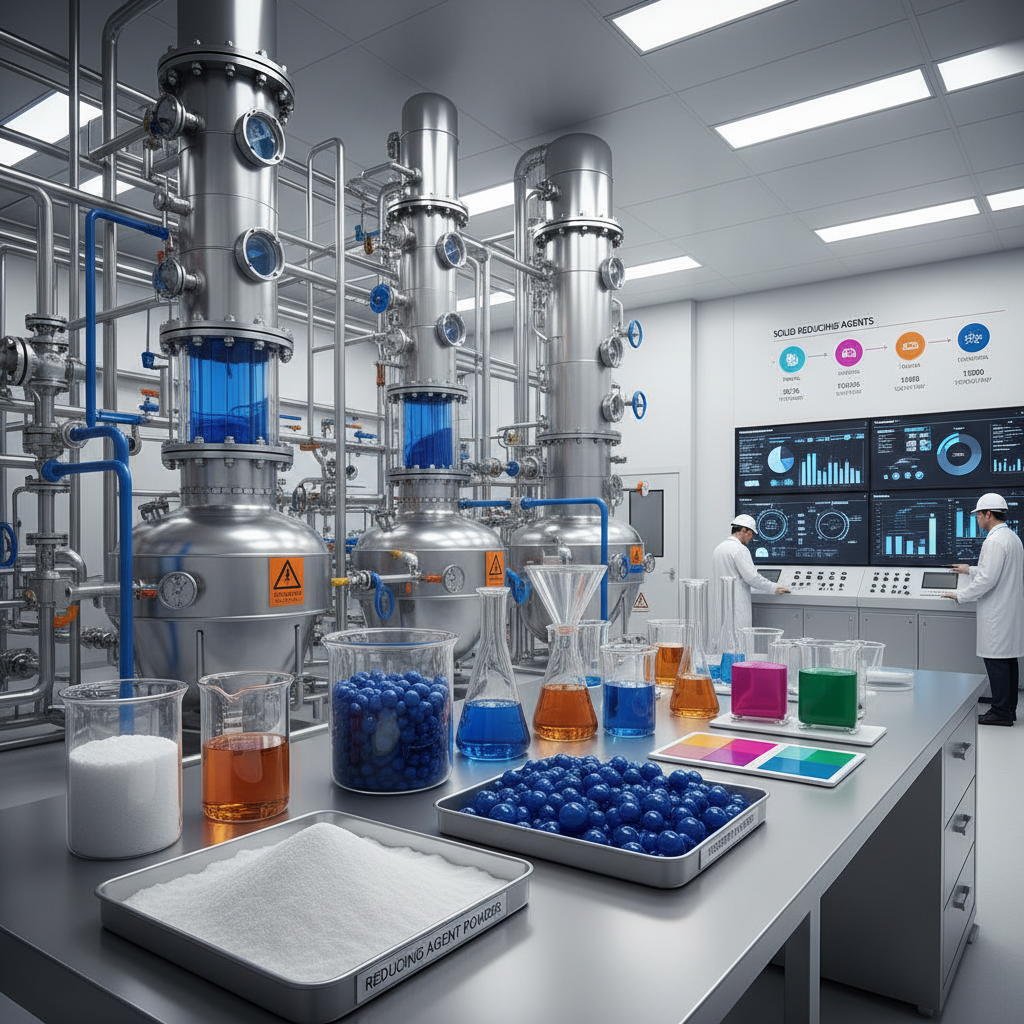
Choosing the right reducing agent depends on the specific application and reaction conditions. Here's a comparative overview of some key solid reducing agents:
Safety Considerations When Handling Solid Reducing Agents
Handling solid reducing agents requires careful attention to safety protocols. Many are reactive and can generate flammable or toxic gases upon contact with water or air. Always consult the Safety Data Sheet (SDS) before handling any reducing agent. Wear appropriate personal protective equipment (PPE), including gloves, safety glasses, and a lab coat. Ensure adequate ventilation and avoid contact with incompatible materials. Proper storage in a cool, dry place is essential.
Conclusion: Harnessing the Power of Solid Reducing Agents
Solid reducing agents are indispensable tools across a broad spectrum of industries and scientific disciplines. Understanding their properties, applications, and safety considerations is paramount for effective and safe utilization. Dyeingchem provides high-quality solid reducing agents for diverse applications. Prioritizing safety and selecting the appropriate agent for each specific need ensures optimal results and minimizes potential risks.
Frequently Asked Questions (FAQs)
What is the main difference between a strong and a weak reducing agent?
The primary difference lies in their ability to donate electrons. A strong reducing agent readily gives up electrons, resulting in a more negative reduction potential. This means it can reduce other substances more effectively. A weak reducing agent, conversely, has a less negative reduction potential and requires more energy to donate electrons. The choice between a strong and weak reducing agent depends on the specific reaction and desired outcome.
Are solid reducing agents affected by moisture?
Yes, many solid reducing agents are highly sensitive to moisture. Contact with water can cause them to react, generating heat, flammable gases (like hydrogen), or corrosive substances. This is particularly true for hydrides like Lithium Aluminum Hydride. It's crucial to store them in airtight containers in a dry environment and handle them under anhydrous conditions when necessary.
How should I dispose of unused solid reducing agents?
Disposal of unused solid reducing agents must be done according to local, state, and federal regulations. Do not dispose of them down the drain or with regular waste. Typically, they need to be neutralized or chemically deactivated before disposal as hazardous waste. Consult the SDS for specific disposal instructions and contact a qualified hazardous waste disposal service for assistance.