Why Neutral Cellulase Delivers Better Anti-Pilling and Strength for Denim Finishing
Why Neutral Cellulase Delivers Better Anti-Pilling and Strength for Denim Finishing
Most textile processing facilities evaluate cellulase performance based on two surface-level indicators: classic stone-wash texture and minimal back-staining. This industry-standard evaluation method works for visual effect screening, yet it misses a critical factor that silently compromises denim quality and product yield: the depth of fiber hydrolysis. This overlooked detail is the core reason many finished denim garments suffer from poor tensile performance, frequent tearing, and high customer return rates—even with a perfect vintage wash appearance.
To clarify the performance gap between different finishing solutions, our team completed real-world comparative trials on 10oz indigo denim fabrics last quarter, focusing on practical production efficiency and fabric structural stability. We tested acid cellulase at pH 4.8 and professionalneutral cellulase enzyme for textile bio-polishing at pH 6.5 under identical production equipment and load conditions.
The acid cellulase group delivered the desired vintage stone-wash finish 25 minutes faster than the neutral group, which explains why many fast-fashion factories still favor acidic formulations. However, the hidden quality cost is extremely high. The acid-treated denim recorded an18.7% tensile strength loss, while fabrics processed with neutral cellulase only lost 6.2% of tensile performance. More importantly, after standard household laundering cycles, the acid-finished denim saw a 12% reduction in tear strength—an obvious defect that directly triggers bulk customer returns and brand reputation losses.
Core Technical Difference: Why Neutral Cellulase Protects Denim Fiber Structure
Most enzyme suppliers only introduce the surface finishing effects of their products but rarely explain the essential structural differences between acid and neutral cellulase for denim stone washing. The key distinction lies in how two enzyme systems interact with cellulose fiber structures.
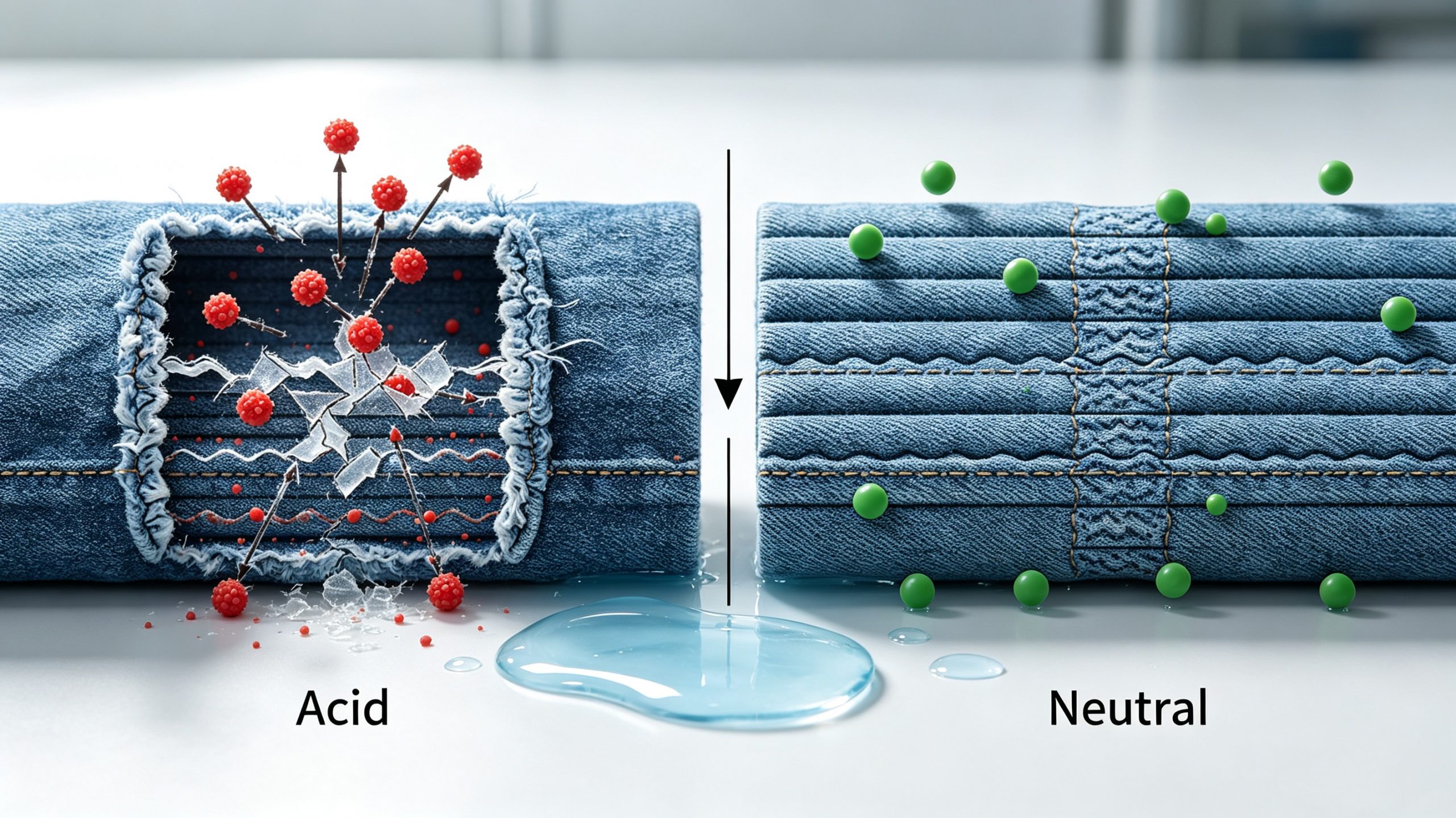
Acid buffer solutions expand the amorphous areas of cellulose fibers, allowing endoglucanases to penetrate deep into the fiber core. This aggressive penetration quickly removes surface fibrils to create a fuzzy vintage contrast effect, but it also destroys the load-bearing crystalline chains inside fibers. This irreversible damage weakens the overall fabric structure, leading to thin, fragile denim that fails long-term durability tests.
In contrast, neutral cellulase works within its ideal pH range of 6.0–7.0, maintaining the compact and stable structure of cellulose fibers. As a professional bio-polishing enzyme for cellulose fabrics, it only targets loose surface fibrils and the fabric cuticle layer, without damaging the internal macroscopic fiber structure. This targeted finishing mode delivers consistent stone-wash and bio-polishing effects while fully preserving fabric tensile and tear strength.
Back-Staining Trade-off: Recalculate Your Actual Production Costs
It’s an industry consensus that neutral enzyme finishing takes slightly longer than acid processing. But focusing solely on single-cycle processing speed ignores the full-cycle production cost, which is where most mills lose hidden profits. We break down the complete production workflow for a standard denim finishing batch:
Acid Cellulase Processing Route: 45-minute main finishing cycle + 10-minute neutralization rinse + dual anti-back-staining agent treatment. The mandatory neutralization step consumes extra water, steam, and chemical materials, while dual anti-staining dosing increases raw material costs.
Neutral Cellulase Processing Route: 70-minute main finishing cycle + no neutralization rinse required + single standard anti-back-staining agent dosing.
After calculating comprehensive costs including water consumption, steam energy, chemical additives, and labor for a 500kg production load, the neutral cellulase solution saves $8.50 per batch despite the longer cycle time. For factories operating three daily shifts, this cost advantage accumulates rapidly, creating substantial profit margins while realizingsustainable textile finishing.
Anti-Pilling Performance: Optimize Bio-polishing for Premium Cotton Blends
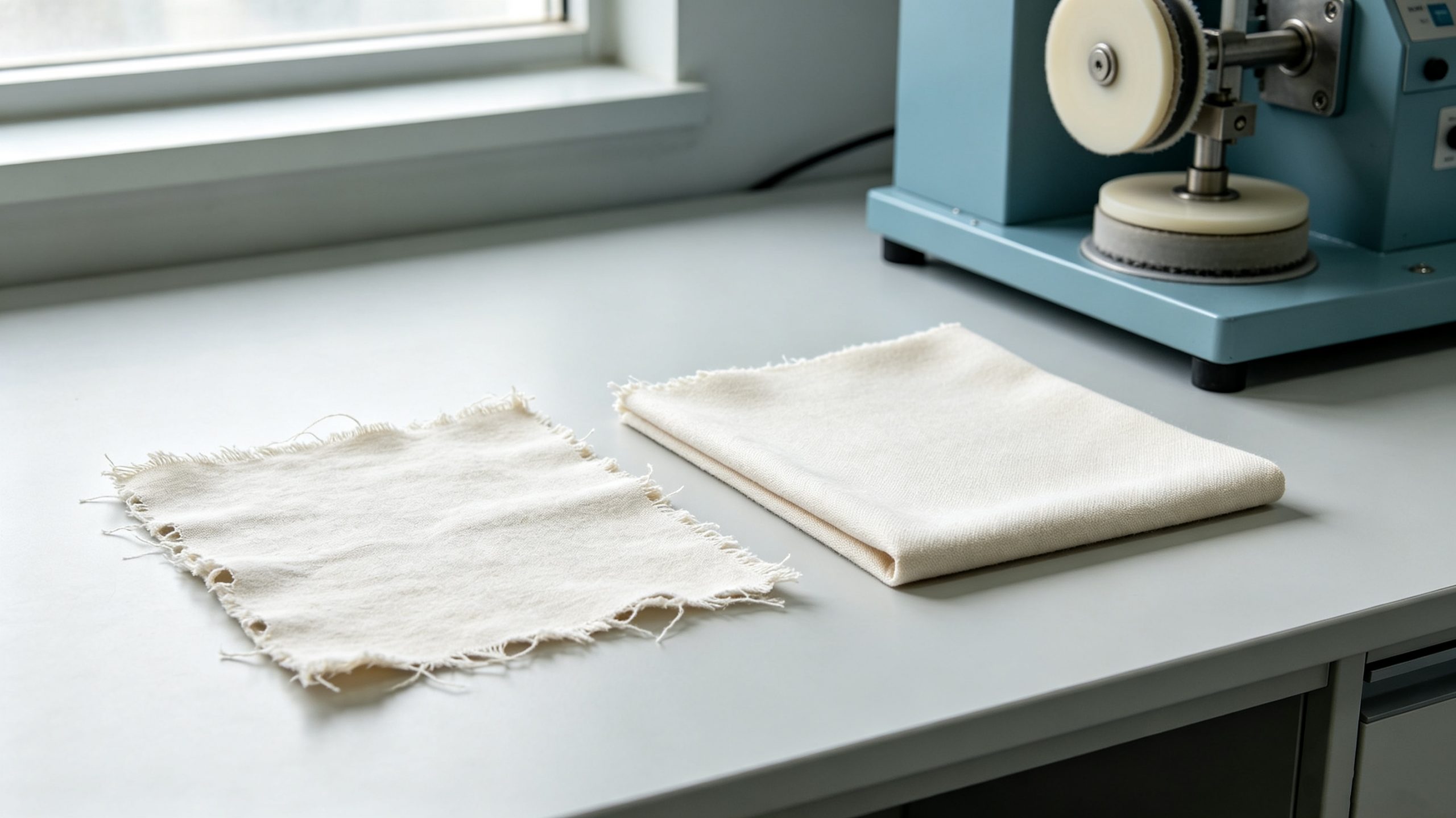
For factories processing combed pure cotton, lyocell blends, and high-grade cellulose fabrics, the core finishing goal is not rapid abrasion but precise textile bio-polishing to achieve a 4.5-level Martindale anti-pilling rating. Many manufacturers fall into a common operational mistake: over-dosing acid cellulase (1.5% owf) to pursue fast anti-pilling effects.
This improper operation causes excessive fabric weight loss of 5–8%, leaving fabrics with a thin, hollow, worn-out hand feel that fails premium market standards. By switching to professional enzyme for anti-pilling fabric treatment (neutral cellulase, 0.8% owf) and adopting a 55°C prolonged bath treatment (60–80 minutes), factories can stably reach a 4–5 star anti-pilling grade. Meanwhile, fabric weight loss is controlled below 3%, retaining a plump, crisp, and premium hand feel— a tactile quality strictly inspected and favored by high-end European apparel buyers.
Factory-Verified Parameter Comparison Sheet
We sorted and verified mass production data from 5 cooperative textile mills with 500kg washing machine capacity, forming a practical parameter reference for cellulase for denim finishing and cotton fabric processing:
| Parameter | Acid Cellulase (Industry Benchmark) | Neutral Cellulase (Practical Factory Data) |
| Optimal pH | 4.5 – 5.2 (requires acetic acid adjustment) | 6.0 – 7.0 (compatible with tap water) |
| Temperature Range | 45 – 50°C | 50 – 60°C (supports hot water recycling) |
| Dosage for Desizing + Bio-polishing | 1.2 – 1.8% (owf) | 0.8 – 1.2% (owf) |
| Tensile Strength Retention Rate | 81 – 85% | >93% |
| Color Brightness (CIE L* Delta) | +4.2 delta | +3.8 delta (negligible visual difference) |
Final Verdict: Choose the Right Cellulase for Your Market Positioning
The choice between neutral cellulase vs acid cellulase for textiles depends entirely on your product positioning and target market. For budget fast-fashion denim orders that prioritize low cost and quick delivery without strict durability requirements, acid cellulase can meet basic finishing needs.
However, for premium denim and cellulose fabric products targeting high-end markets, fabric durability, stable hand feel, and low defect rates are non-negotiable core competitiveness. In this scenario, neutral cellulase is the most cost-effective and sustainable finishing solution, perfectly matching the demand for high-standard cellulase enzyme for cotton fabric finishing.
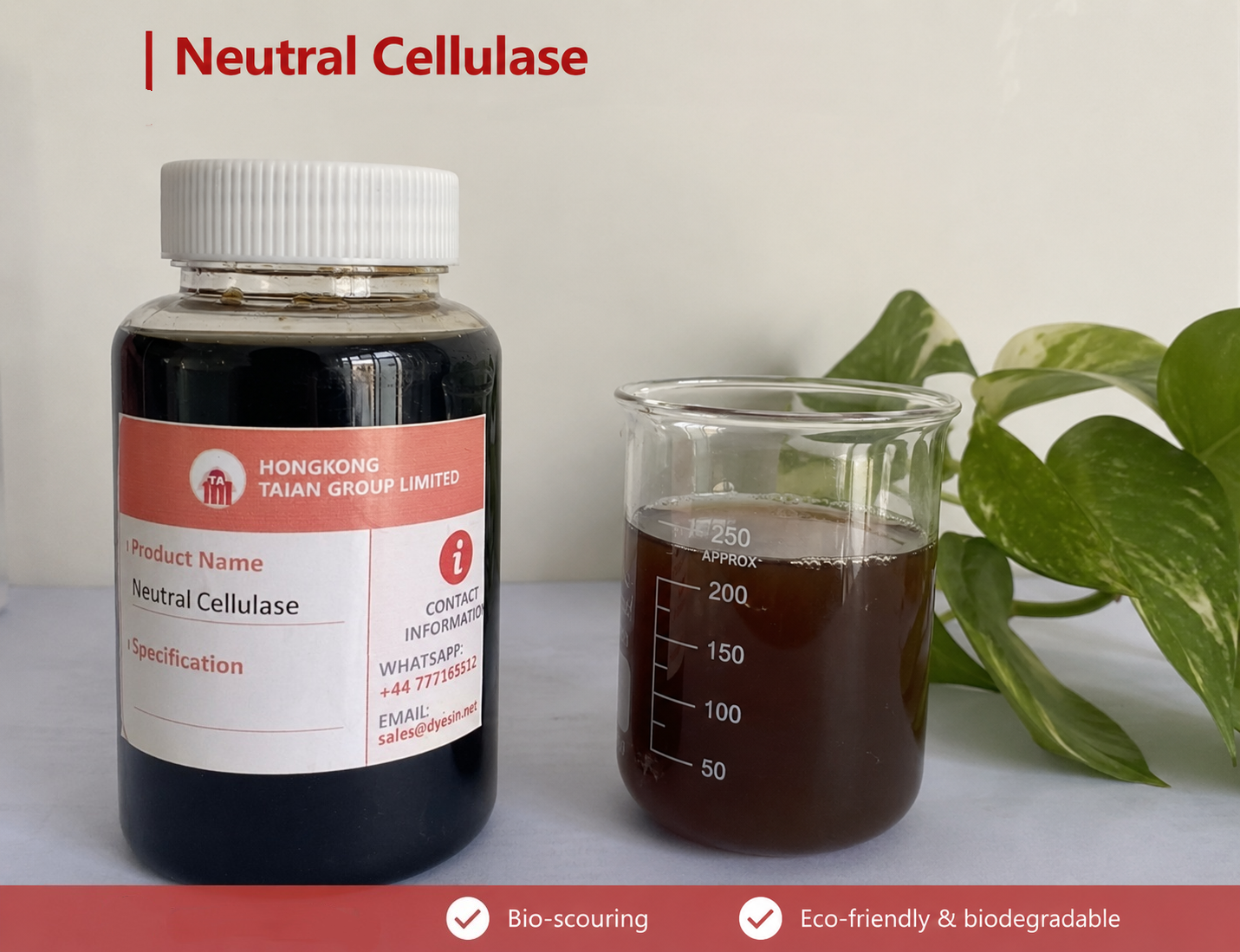
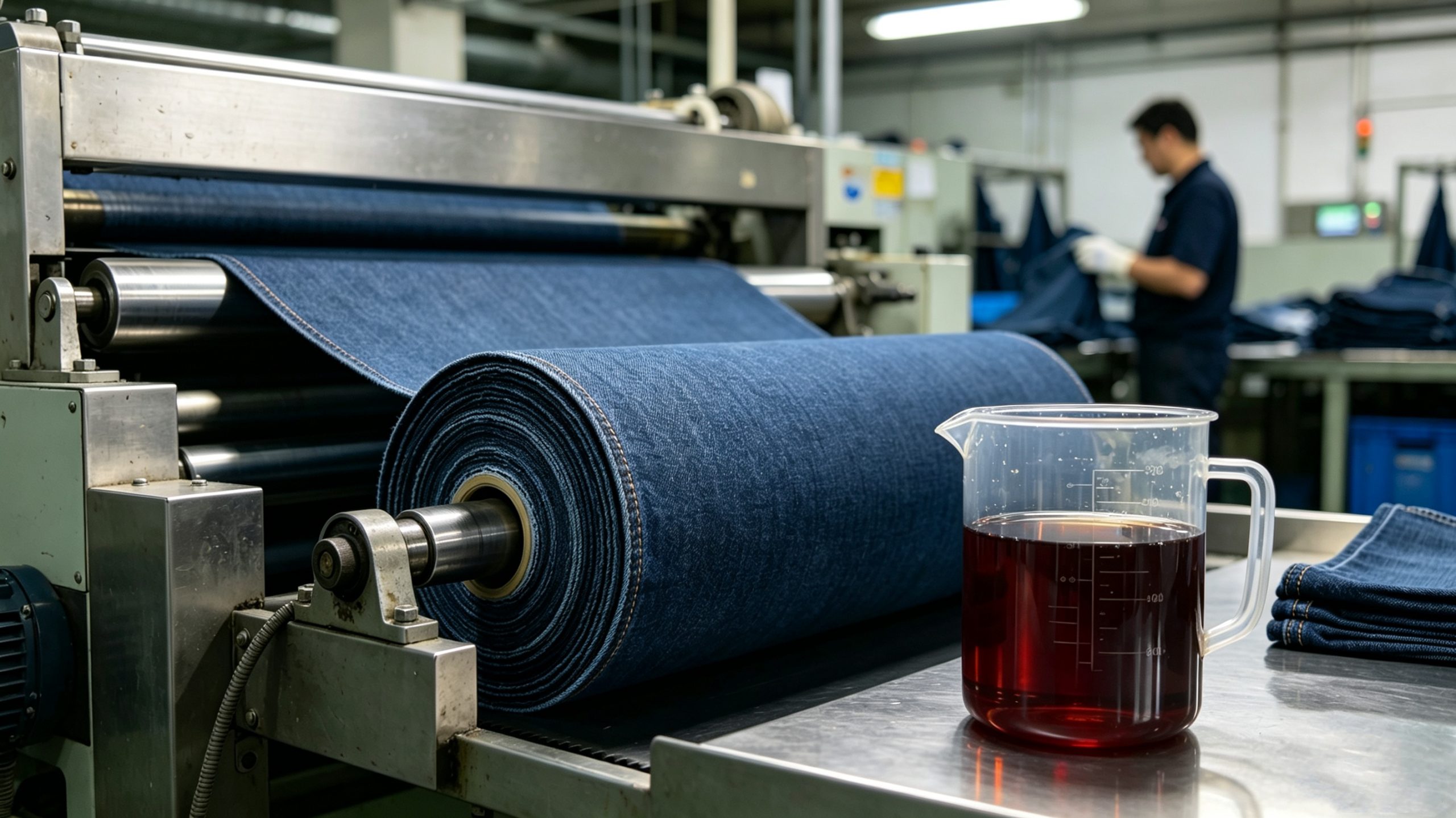
Our premium neutral cellulase enzyme features 2000 u/g enzyme activity with an amber liquid formulation. It maintains stable activity for 6 months under normal workshop ambient temperatures, with high temperature resistance up to 45°C, adapting to various factory production environments. Different from traditional powder cellulase, the liquid design completely avoids dust pollution, effectively improving the working environment of production operators while ensuring stable and consistent batch finishing effects.
Frequently Asked Questions — Neutral Cellulase vs. Acid Cellulase for Textile Finishing
Q1: What is the main difference between acid cellulase and neutral cellulase for denim finishing?
A1: Acid cellulase penetrates deep into the fiber core, leading to rapid fading, but also causing significant loss of tensile and tear strength. Neutral cellulase acts only on the fabric surface, providing a stable biopolishing and stonewashing effect while maintaining the fabric's structural strength.
Q2: Is neutral cellulase more suitable for biopolishing textiles?
A2: Yes. Neutral cellulase used for biopolishing textiles provides a smoother surface refinement, lower weight loss, and better anti-pilling properties without damaging the cotton or cellulose fiber structure.
Q3: Can neutral cellulase replace acid cellulase for denim stonewashing?
A3: Absolutely. Modern premium denim manufacturers universally use neutral cellulase for denim stonewashing to avoid fabric weaknesses, reduce customer returns, and meet environmentally friendly production standards.
Q4: Does neutral cellulase save water and production costs?
A4: Yes. Neutral cellulase eliminates acid neutralization rinsing, reduces chemical usage, and decreases water consumption per batch by 30%, making it one of the most practical sustainable textile finishing enzymes.
Q5: Which cellulase is best suited for anti-pilling treatment of fabrics?
A5: Neutral cellulase is the ideal enzyme for anti-pilling treatment of fabrics. It achieves 4-5 levels of anti-pilling properties while minimizing fabric weight loss and maintaining a superior fabric hand feel.
Q6: Is neutral cellulase suitable for cotton fabric finishing?
A6: Yes. Cellulase used for cotton fabric finishing under neutral pH conditions protects the integrity of cotton fibers, improves softness, and enhances the durability of woven and knitted cotton textiles.
Q7: Why do premium textile mills choose neutral cellulase over acidic cellulase?
A7: Neutral cellulase offers higher stretch retention, lower defect rates, fewer returns, lower water consumption, and better sustainability certification values—crucial for high-end export textile orders.
Providing Stable and Environmentally Friendly Neutral Cellulase for Your Production
If you are looking for a highly stable liquid neutral cellulase for denim stonewashing, cotton biopolishing, and anti-pilling finishing, our 2000u/g neutral cellulase delivers consistent results, reduces production costs, and improves fabric quality for export-grade textile products. Contact us today for free samples and factory trial data.