Textile Desizing Enzyme: Choose the Right Enzyme for Your Enzymatic Desizing Process
Textile Desizing Enzyme: Choose the Right Enzyme for Your Enzymatic Desizing Process
Introduction
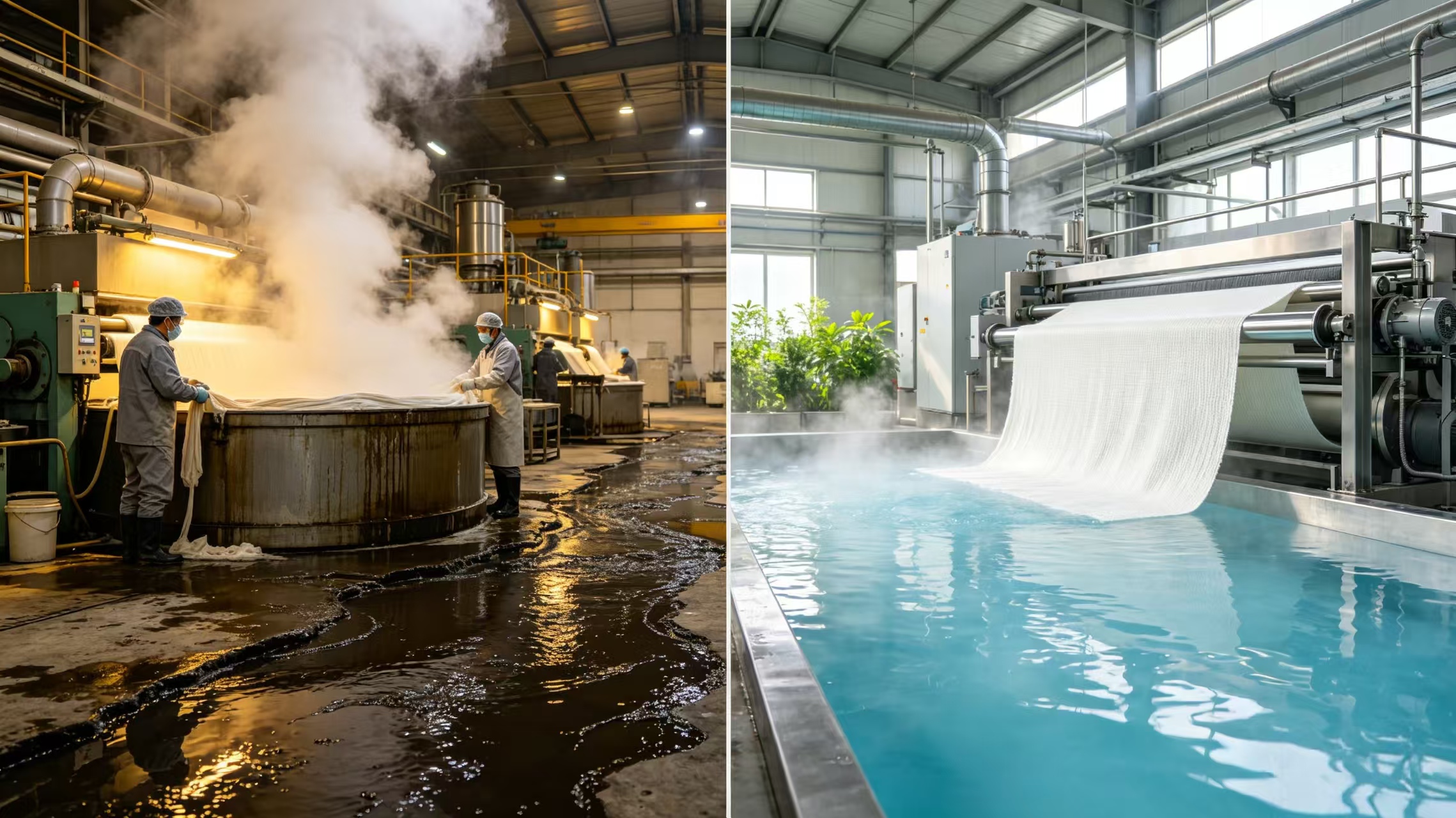
Traditional alkaline desizing has long been the mainstream pretreatment method for woven fabrics. However, it brings well‑known pain points for textile mills: high steam and water consumption, heavily alkaline wastewater with high COD values, potential fiber strength loss, complicated multi‑step washing workflows, and risk of size re‑aggregation leading to size spots on fabrics.
As global textile factories pursue cleaner production and lower operational costs, the enzyme desizing process becomes a practical alternative. Biological desizing enzymes selectively break down starch‑based sizing agents into water‑soluble small‑molecule compounds without attacking textile fibers. This delivers softer fabric hand‑feel, higher desizing rate, lower chemical consumption and better wastewater biodegradability compared to alkaline desizing.
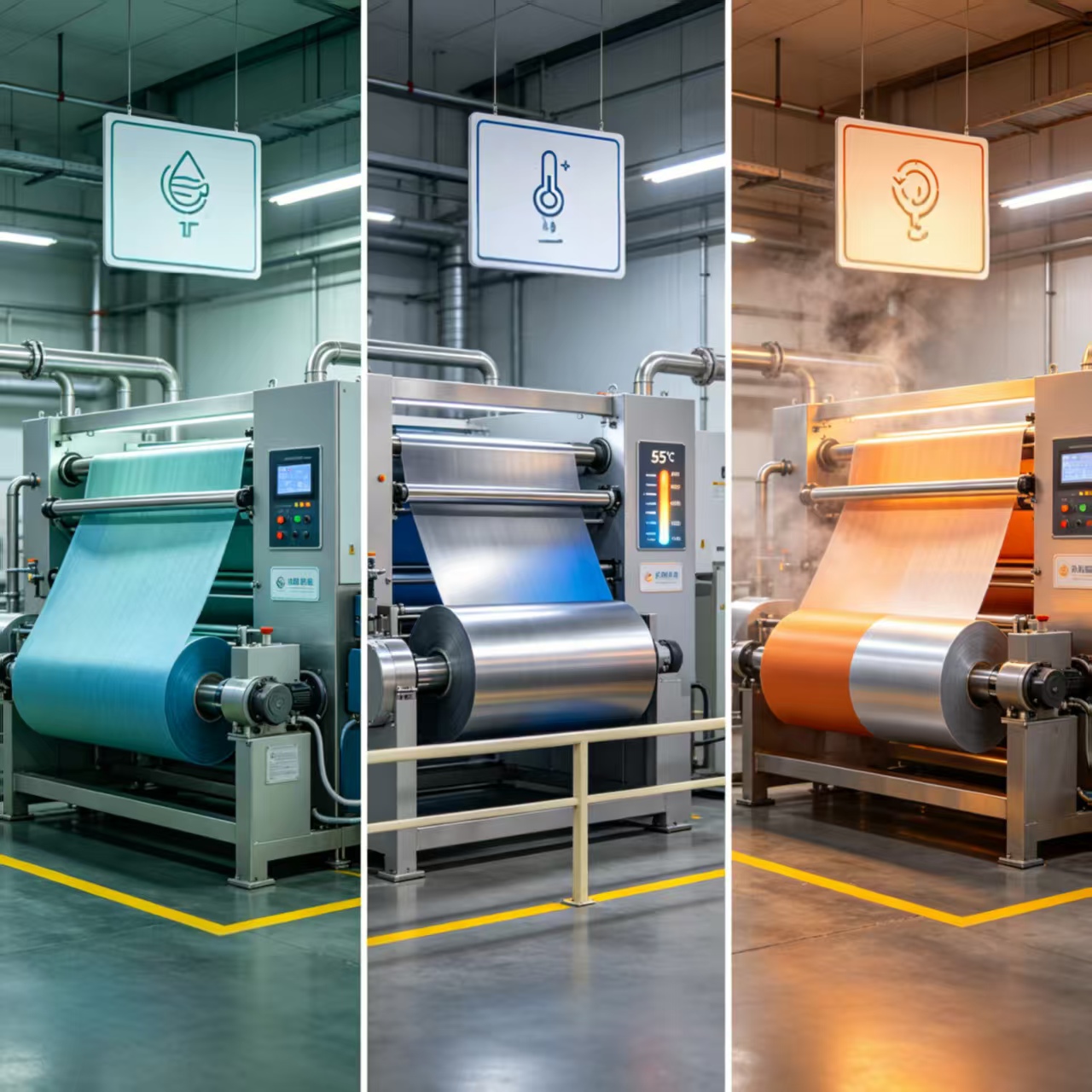
Our desizing enzyme portfolio covers medium‑low temperature, Wide Temperature and high‑temperature grades, allowing you to match your existing production equipment and running parameters.
Our Desizing Enzyme Product Range
All three grades are brown liquid amylase enzyme preparations, non‑toxic, odorless, eco‑friendly, with declared enzyme activity ≥2000 u/g. They decompose starch, pectin and weaving sizing agents efficiently, improve absorbency for dyes and auxiliaries, and fit cotton, denim and other fabrics for bleaching, dyeing and enzyme‑washing finishing. The core difference lies in their optimal working temperature windows.
Medium‑Low Temperature Desizing Enzyme
Pad temperature: 55‑65 °C
Process workflow: Pad enzyme liquor → stacking → washing
Typical application scenarios: Cold pad‑batch, low‑to‑medium temperature continuous desizing lines, factories aiming to cut steam costs. Stacking options: 2‑4 hours long batching or short 15‑30 min holding cycle.
Recommended dosage: 2‑4 g/L in bath formulation; 0.2‑0.4 % (o.w.f). Hot washing temperature: 65‑75 °C.
Best for mills with limited heating capacity, denim and cotton fabric processing where you want to reduce energy input while maintaining stable desizing performance.
Wide Temperature Desizing Enzyme
Pad temperature: 55‑65 °C for padding step; compatible hot‑wash range up to 100 °C
Process workflow: Pad enzyme solution → batching → washing
Typical application scenarios: Versatile Wide Temperature desizing enzyme for variable production conditions. Works well for both cold pad‑batch and higher‑temperature continuous ranges. Flexible for mixed fabric orders with shifting process parameters. Stacking time: 2‑4 hours or 15‑30 min short‑time treatment.
Recommended dosage: 1‑3 g/L bath formulation; 0.2‑0.4 % (o.w.f). Hot‑water washing can go up to 100 °C without performance drop.
Ideal for factories running multiple fabric types, where production temperature fluctuates day‑to‑day. Its wide operating window minimizes rework risk.
High Temperature Desizing Enzyme
Padding temperature: 90‑100 °C
Process workflow: Padding enzyme liquor → batching → washing
Typical application scenarios: High‑temperature continuous desizing ranges, long‑run high‑speed pad‑steam lines. Batching time: 2‑4 hours; short‑time treatment:15‑30 min. Pick‑up ratio 110‑120 %.
Recommended dosage: 2‑4 g/L bath formulation; 0.2‑0.4 % (o.w.f). Hot‑water temperature:65‑75 °C for post‑desizing washing.
Perfect for mature high‑temperature continuous pretreatment lines. Delivers fast reaction under high‑heat conditions, suitable for high‑density starch‑sized woven fabrics.
Product Comparison Table
| Item | Medium‑Low Temp | Wide Temperature | High‑Temperature |
| Appearance | Brown liquid | Brown liquid | Brown liquid |
| Enzyme activity | ≥2000 u/g | ≥2000 u/g | ≥2000 u/g |
| Padding temperature | 55‑65 °C | 55‑65 °C | 90‑100 °C |
| Hot‑wash temperature | 65‑75 °C | 65‑100 °C | 65‑75 °C |
| Typical dosage (bath) | 2‑4 g/L | 1‑3 g/L | 2‑4 g/L |
| o.w.f dosage | 0.2‑0.4 % | 0.2‑0.4 % | 0.2‑0.4 % |
| Best‑fit process | Cold pad‑batch, medium‑temp lines | Multi‑condition flexible production | High‑temp continuous pad‑steam lines |
| pH working range | Liquor pH 5.0‑8.0, optimal 6‑7 | Liquor pH 5.0‑8.0, optimal 6‑7 | Optimal 5.8‑6.8 |
Quick selection guide:
If you want to lower steam consumption → choose Medium & Low Temperature Desizing Enzyme
If your production temperature varies frequently → choose Wide Temperature desizing enzyme
If you run high‑temperature continuous pad‑steam equipment → choose High Temperature Desizing Enzyme
Practical Application Recommendations
pH control: The optimal bath pH for this series sits at 6.0‑7.0(working liquor acceptable range 5.0‑8.0). Strong acid or alkaline conditions will reduce enzyme activity significantly.
Auxiliary addition: You may add penetrating agent JFC 0‑2 g/L to improve fabric penetration.
Bath ratio: Keep bath ratio within 1:4 ~1:10; pick‑up rate controlled at 100‑120 %.
Post‑desizing hot washing: Always apply hot‑water washing after enzyme holding to fully flush hydrolyzed starch fragments off fabric.
Storage: Store within 0‑50 °C, shelf life is 6 months. Test residual enzyme activity if using expired stock.
Important note: Always perform small‑scale lab trials before full‑scale production, because fabric composition, size formulation and mill equipment will influence final results.
Frequently Asked Questions
Q1: Can these textile desizing enzymes remove PVA or synthetic sizes?
A: Our products are alpha‑amylase enzyme preparations, specifically targeting starch‑based sizes and pectin. They cannot decompose PVA or fully‑synthetic sizing agents. For fabrics blended with PVA size, combine enzymatic desizing with supplementary alkaline treatment to achieve complete size removal.
Q2: What will happen if temperature deviates far from the recommended range?
A: Too low temperature slows hydrolysis and causes incomplete desizing. Excessively high temperature will denature enzyme protein and deactivate the product. That is why we offer three temperature‑specific grades to match your actual line temperature, rather than forcing one enzyme to fit all conditions.
Q3: Are these enzymes hazardous goods for transportation?
A: This whole series is classified as general chemical products and transported as non‑dangerous goods. However, avoid direct eye contact; wear basic PPE during handling. Please refer to SDS for full safety instructions.
Conclusion & Call‑to‑Action
Switching to a proper enzyme desizing process helps your mill cut energy and chemical usage, reduce wastewater treatment burden, preserve fabric strength and obtain softer hand‑feel for downstream dyeing and washing. Our three‑grade desizing enzyme portfolio covers medium‑low, Wide Temperature and high‑temperature working scenarios, matching most existing textile pretreatment equipment.
If you are looking to optimize your desizing performance, we are ready to support you.
Contact our technical‑sales team today to request free product samples and get custom‑tailored process guidance for your fabric and production line.
Disclaimer: All technical data is for reference only. On‑site trials are required before mass production.