Understanding the Mercerizing Process for Enhanced Textile Properties
Understanding the Mercerizing Process for Enhanced Textile Properties
Understanding the Mercerizing Process in Textile Manufacturing
The mercerizing process is a crucial treatment applied to cotton yarns and fabrics to enhance their luster, strength, dye affinity, and dimensional stability. This wet chemical treatment, developed by John Mercer in 1844, fundamentally alters the cotton fiber’s structure, leading to improved textile properties. This article will delve into the details of the mercerizing process, its benefits, the chemicals involved, quality control measures, and its role in modern textile production. Choosing the right chemical suppliers like Dyeingchem is essential for optimal results.

The Core Principles of the Mercerizing Process
At its core, mercerization involves treating cotton with a concentrated solution of sodium hydroxide (NaOH), typically between 20-30% by weight. This treatment causes a swelling of the cotton fibers, leading to changes in their cross-sectional shape from flat, ribbon-like to more rounded. This alteration increases light reflection, resulting in a characteristic luster. The swelling also straightens the fibers, increasing their tensile strength. Crucially, the process requires careful control of tension to prevent excessive shrinkage and distortion. The quality of the sodium hydroxide used significantly impacts the final result, emphasizing the importance of sourcing from reputable suppliers.
Key Benefits: Enhanced luster, increased tensile strength, improved dye uptake, and improved dimensional stability. Mercerization prepares cotton for vibrant and lasting coloration.
Key Steps in the Mercerizing Process
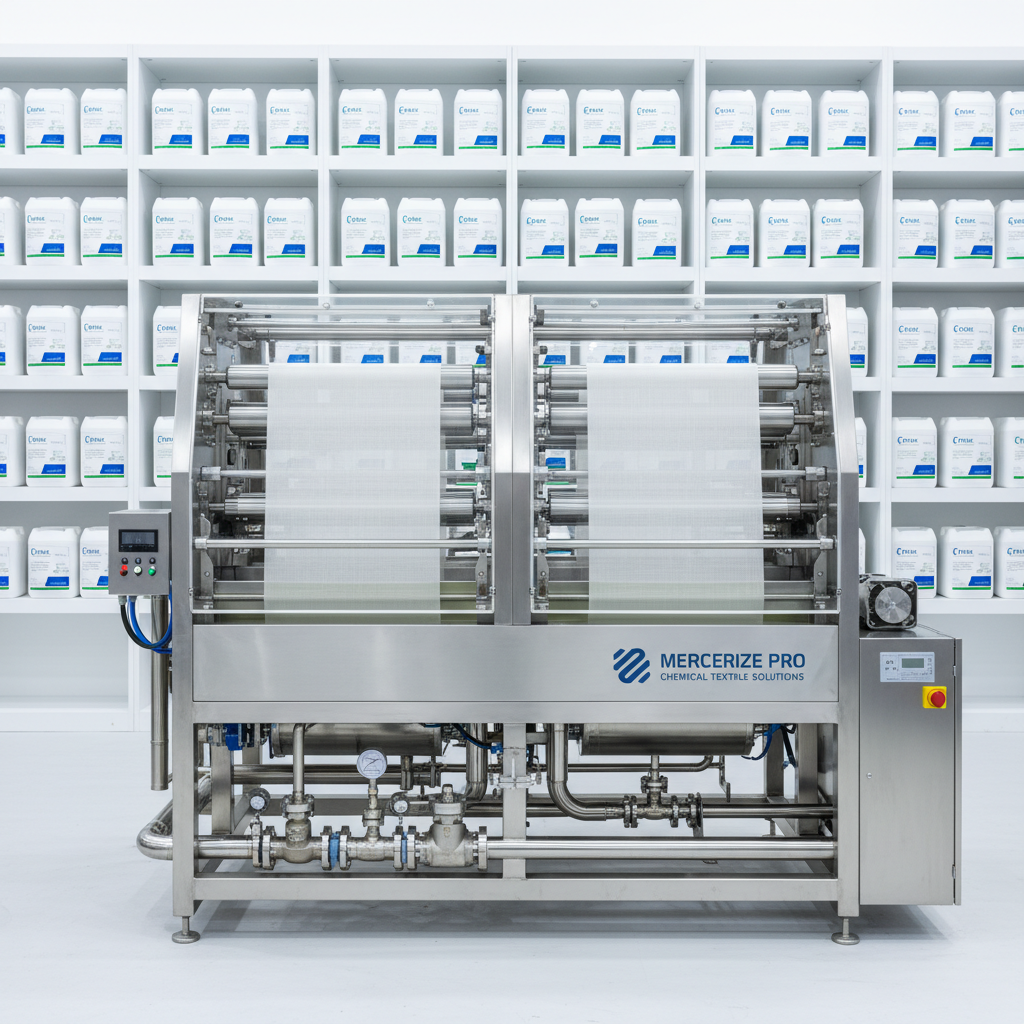
The mercerizing process typically involves several key steps. First, the cotton yarn or fabric is prepared, which may include desizing (removing sizing agents), scouring (removing impurities), and bleaching. Next, the material is impregnated with the sodium hydroxide solution under tension. This is usually done on a continuous range or in batch processes. After impregnation, the material is thoroughly washed with water to remove residual alkali. Finally, the material is neutralized with a mild acid to ensure complete removal of the sodium hydroxide, and then dried. Precise control of each stage is vital for consistent high-quality results.
Mercerization Process Steps:
• Preparation (desizing, scouring, bleaching)
• Impregnation with NaOH solution
• Washing to remove residual alkali
• Neutralization with mild acid
• Drying
Mercerizing Process: Comparing Methods & Chemical Concentrations
There are variations in how the mercerizing process is carried out. These methods and concentrations affect the final outcome. Continuous mercerization is typically used for large-scale production, offering efficiency and consistency. Batch mercerization, while more labor-intensive, allows for greater control and is suitable for smaller runs or specialized fabrics. The concentration of sodium hydroxide is another critical factor, influencing the degree of swelling and the resulting luster and strength. Below is a comparison:
Quality Control and Environmental Considerations
Maintaining consistent quality in the mercerizing process requires rigorous quality control measures. These include monitoring the concentration of the sodium hydroxide solution, controlling the tension during treatment, and carefully measuring the shrinkage of the fabric. Regular testing of the treated fabric for luster, strength, and dye uptake is also essential. Environmentally, the process generates alkaline wastewater that must be treated before discharge to neutralize the pH and remove any residual chemicals. Sustainable practices, such as NaOH recovery and reuse, are becoming increasingly important in minimizing the environmental impact of mercerization. Dyeingchem prioritizes responsible chemical supply and sustainable solutions.
The Future of Mercerization: Innovations and Trends
Ongoing research and development are focused on improving the efficiency and sustainability of the mercerizing process. This includes exploring alternative alkali treatments, optimizing washing techniques to reduce water consumption, and developing more effective wastewater treatment technologies. Innovations in machinery and process control are also contributing to increased consistency and reduced chemical usage. As consumer demand for high-quality, sustainable textiles grows, the importance of a well-controlled and environmentally responsible mercerizing process will only continue to increase.
Conclusion: The Indispensable Role of Mercerization
The mercerizing process remains a cornerstone of textile manufacturing, delivering essential improvements to cotton fabrics. From enhanced luster and strength to improved dye affinity and dimensional stability, mercerization unlocks the full potential of this versatile fiber. By understanding the intricacies of the process and embracing sustainable practices, textile manufacturers can continue to produce high-quality, environmentally responsible textiles.
Frequently Asked Questions (FAQs)
What types of cotton are best suited for mercerization?
While most types of cotton can be mercerized, long-staple cottons like Egyptian and Pima cotton generally yield the best results. These cottons have a longer fiber length and a finer diameter, resulting in a smoother and more lustrous finish after mercerization. Short-staple cottons can also be mercerized, but the improvements in luster and strength may be less pronounced. The fiber’s maturity also plays a role, with more mature fibers responding better to the treatment.
What safety precautions should be taken when handling sodium hydroxide?
Sodium hydroxide is a highly corrosive chemical and must be handled with extreme care. Always wear appropriate personal protective equipment (PPE), including gloves, eye protection (goggles or face shield), and protective clothing. Work in a well-ventilated area to avoid inhaling fumes. In case of skin contact, immediately flush with copious amounts of water for at least 15 minutes. Seek medical attention if irritation persists. Follow all safety guidelines provided by the chemical supplier.
How does mercerization affect the dyeability of cotton?
Mercerization significantly improves the dyeability of cotton. The swelling of the fibers increases the surface area available for dye uptake, resulting in deeper, more vibrant colors. Mercerized cotton also exhibits increased affinity for direct dyes, reactive dyes, and other commonly used textile dyes. This means less dye is required to achieve the desired shade, leading to cost savings and reduced environmental impact.
What is the impact of mercerization on the cost of textile production?
Mercerization adds to the overall cost of textile production due to the chemicals used, the energy required for the process, and the additional processing steps involved. However, the benefits – improved quality, enhanced dye uptake, and increased fabric value – often outweigh the additional cost. The initial investment can translate to a higher selling price and increased customer satisfaction. Sourcing high-quality chemicals from reliable suppliers like Dyeingchem can also help optimize costs.