Understanding the Crucial Roles of Oxidizer and Reducer in Chemical Applications
Understanding the Crucial Roles of Oxidizer and Reducer in Chemical Applications
Understanding Oxidizer and Reducer in Chemical Processes
In the realm of chemistry, particularly in industries like dyeing, textile manufacturing, and water treatment, the concepts of oxidizers and reducers are fundamental. These substances play crucial roles in numerous chemical reactions, influencing the properties and characteristics of various materials. This article will delve into the definitions of oxidizers and reducers, explore their applications, and highlight their importance in industrial processes. Understanding these concepts is critical for optimizing chemical reactions and ensuring product quality. Dyeingchem provides a wide range of chemical products for various industrial applications.
Defining Oxidizers and Reducers
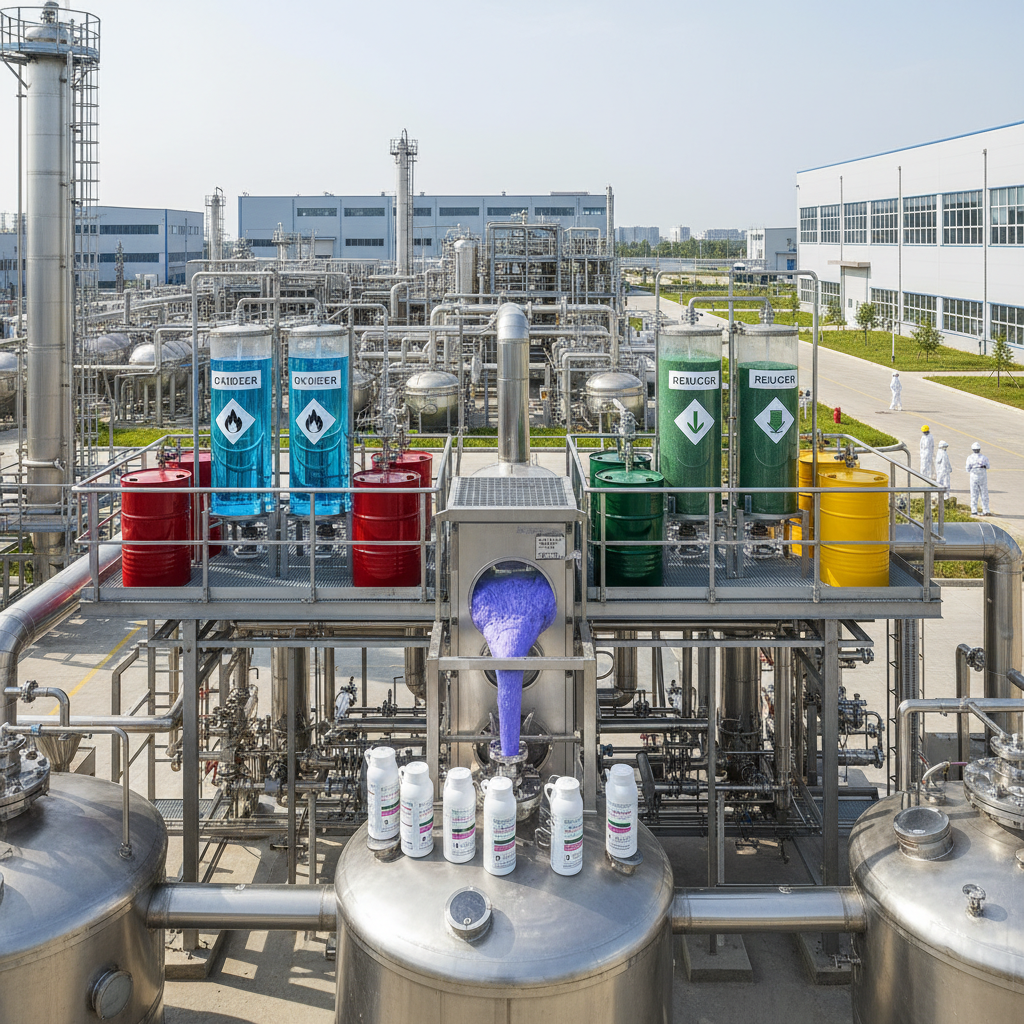
An oxidizer (also known as an oxidizing agent) is a substance that gains electrons in a chemical reaction, causing another substance to be oxidized. Essentially, it accepts electrons. Common examples include oxygen, chlorine, and potassium permanganate. Conversely, a reducer (or reducing agent) is a substance that loses electrons in a chemical reaction, causing another substance to be reduced. It donates electrons. Examples of reducers include sodium borohydride, lithium aluminum hydride, and metallic sodium. It’s important to remember that oxidation and reduction always occur together – one substance cannot be oxidized without another being reduced. The interplay between these two is the basis of redox reactions.
Key Takeaway: Oxidizers accept electrons, causing oxidation. Reducers donate electrons, causing reduction. They always act in pairs.
Applications of Oxidizers and Reducers in Industry
The applications of oxidizers and reducers are vast and span across numerous industries. In the dyeing industry, oxidizers like hydrogen peroxide are used for bleaching fabrics, preparing them for dye application. Reducers, such as sodium hydrosulfite, are utilized to remove excess dye and improve color fastness. In water treatment, oxidizers like chlorine disinfect water by killing bacteria and viruses. Reducers can be used to remove heavy metals from wastewater. Within the pharmaceutical industry, redox reactions are vital for synthesizing complex drug molecules. The versatility of these agents makes them indispensable in modern manufacturing.
Industry Applications:
• Dyeing and Textile Processing
• Water Treatment and Purification
• Pharmaceutical Synthesis
• Metal Processing and Refining
A Comparison: Common Oxidizers and Reducers
Understanding the strengths and weaknesses of different oxidizers and reducers is crucial for selecting the appropriate agent for a specific application. Some oxidizers are stronger than others, and some reducers have better selectivity. Factors like cost, safety, and environmental impact also influence the choice. For example, while chlorine is a powerful oxidizer, its use is increasingly restricted due to environmental concerns. Dyeingchem offers a variety of alternative, environmentally friendly options.
Safety Considerations When Handling Oxidizers and Reducers
Both oxidizers and reducers can be hazardous if not handled correctly. Strong oxidizers can cause fires or explosions when in contact with flammable materials. Reducers can react violently with water or air. It's crucial to always wear appropriate personal protective equipment (PPE), such as gloves, goggles, and respirators, when handling these chemicals. Proper ventilation is essential to prevent the inhalation of harmful fumes. Always consult the Safety Data Sheet (SDS) for specific handling instructions and emergency procedures. Dyeingchem prioritizes safety and provides detailed SDS information for all its products.
Choosing the Right Oxidizer or Reducer: Key Considerations
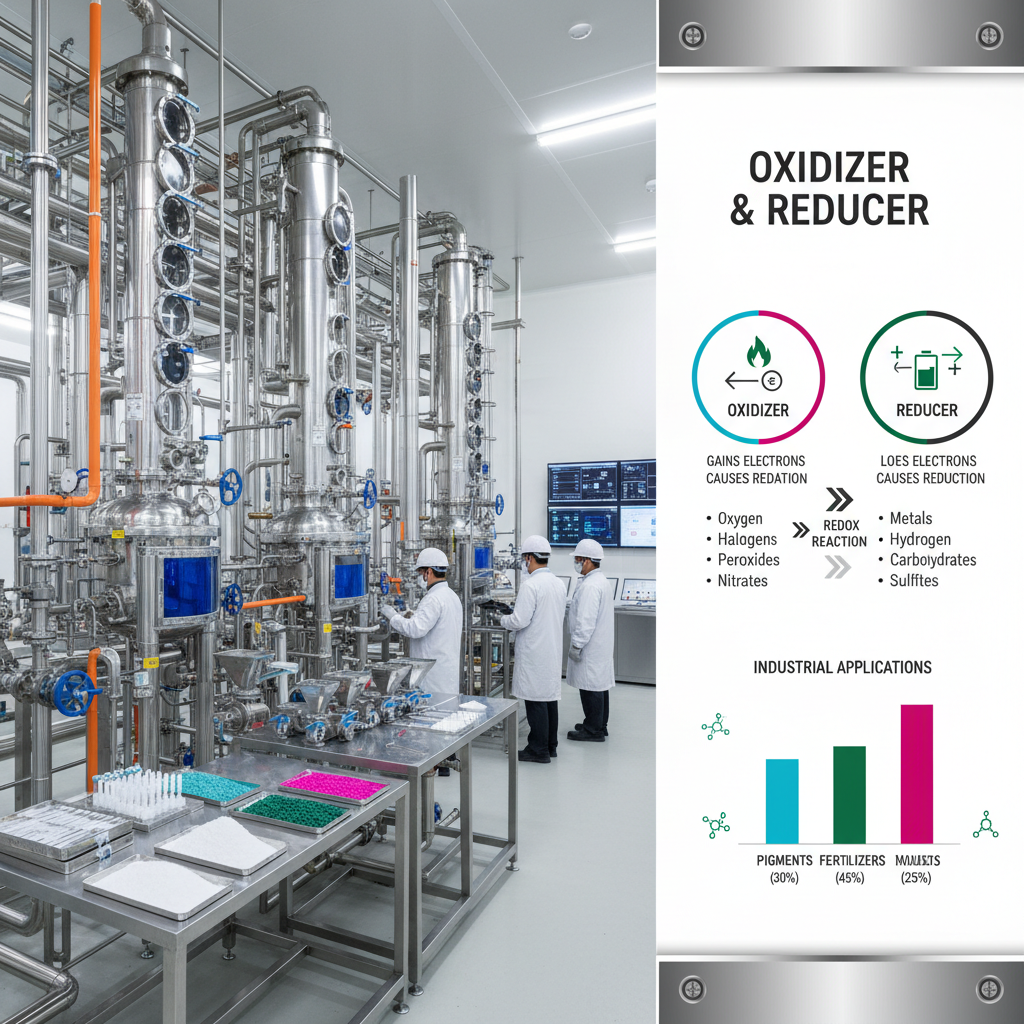
Selecting the appropriate oxidizer or reducer depends on several factors, including the specific reaction requirements, cost, safety profile, and environmental impact. Consider the desired reaction rate, selectivity, and the compatibility of the agent with other chemicals involved. For environmentally sensitive applications, explore greener alternatives. Always prioritize safety and ensure proper handling procedures are in place. Dyeingchem’s experienced team can provide expert guidance in selecting the optimal chemical for your specific needs.
Conclusion: Harnessing the Power of Redox Reactions
Understanding the roles of oxidizers and reducers is vital for success in various chemical processes. From optimizing dyeing procedures to ensuring water purity, these agents are essential tools. By prioritizing safety, considering environmental impact, and selecting the right chemical for the job, you can maximize efficiency and achieve superior results. Explore the comprehensive range of high-quality chemical products available at Dyeingchem to meet your specific needs.
Frequently Asked Questions (FAQs)
What is the difference between oxidation and reduction?
Oxidation is the loss of electrons, while reduction is the gain of electrons. They always occur together in a redox reaction. Think of it this way: oxidation results in an increase in oxidation state, while reduction results in a decrease. An easy way to remember this is using the mnemonic "OIL RIG" – Oxidation Is Loss, Reduction Is Gain. The substance that causes oxidation is the oxidizing agent, and the substance that causes reduction is the reducing agent. Understanding these fundamental concepts is crucial for comprehending chemical reactions in various industrial processes.
Are all oxidizers inherently dangerous?
While all oxidizers have the potential to be dangerous, the degree of hazard varies significantly. Some oxidizers, like oxygen, are relatively mild, while others, like concentrated nitric acid, are highly corrosive and can cause severe burns. The danger depends on the oxidizing agent’s strength, concentration, and reactivity with other substances. Always handle oxidizers with care, wearing appropriate PPE and following safety guidelines outlined in the SDS. Proper storage and handling procedures are essential to prevent accidents.
Can a substance act as both an oxidizer and a reducer?
Yes, certain substances can act as both an oxidizer and a reducer, depending on the reaction conditions and the other reactants involved. These substances are known as amphoteric substances. A classic example is hydrogen peroxide (H₂O₂). In some reactions, it can act as an oxidizer by accepting electrons, while in others, it can act as a reducer by donating electrons. This dual behavior arises from the hydrogen atom’s variable oxidation state.
What are some environmentally friendly alternatives to traditional oxidizers?
Driven by increasing environmental concerns, researchers are actively developing greener alternatives to traditional oxidizers. Ozone (O₃) is a powerful oxidizer that decomposes into oxygen, leaving no harmful byproducts. Hydrogen peroxide, when used with appropriate catalysts, can also be a more environmentally friendly option. Peracetic acid is another alternative with a lower environmental impact compared to chlorine-based oxidizers. Dyeingchem is committed to offering sustainable chemical solutions.