Understanding Enzymes for Detergent Powder Applications and Future Trends
Understanding Enzymes for Detergent Powder Applications and Future Trends
Understanding Enzymes for Detergent Powder: A Comprehensive Guide
Enzymes have revolutionized the detergent industry, dramatically enhancing cleaning power and efficiency. These biological catalysts break down stubborn stains like proteins, starches, and fats, making laundry more effective at lower temperatures. This article delves into the world of enzymes for detergent powder, exploring their types, benefits, applications, and future trends. Choosing the right enzyme blend is crucial for optimal detergent performance and meeting consumer demands for sustainable cleaning solutions. Dyeingchem.com provides a wide range of high-quality enzymes tailored to diverse detergent formulations.
What are Enzymes and How Do They Work in Detergents?
Enzymes are proteins that accelerate chemical reactions without being consumed in the process. In detergents, they act as biological cleaning agents, targeting specific stain types. Unlike traditional chemical cleaning methods, enzymes are highly specific and biodegradable, making them an environmentally friendly option. They work by breaking down large molecules into smaller, water-soluble components that can be easily washed away. The effectiveness of enzymes is also influenced by factors such as pH, temperature, and water hardness, requiring careful formulation for optimal performance.
Key Highlights: Enzymes are biodegradable, highly specific cleaning agents that work effectively at lower temperatures, reducing energy consumption.
Types of Enzymes Used in Detergent Powder
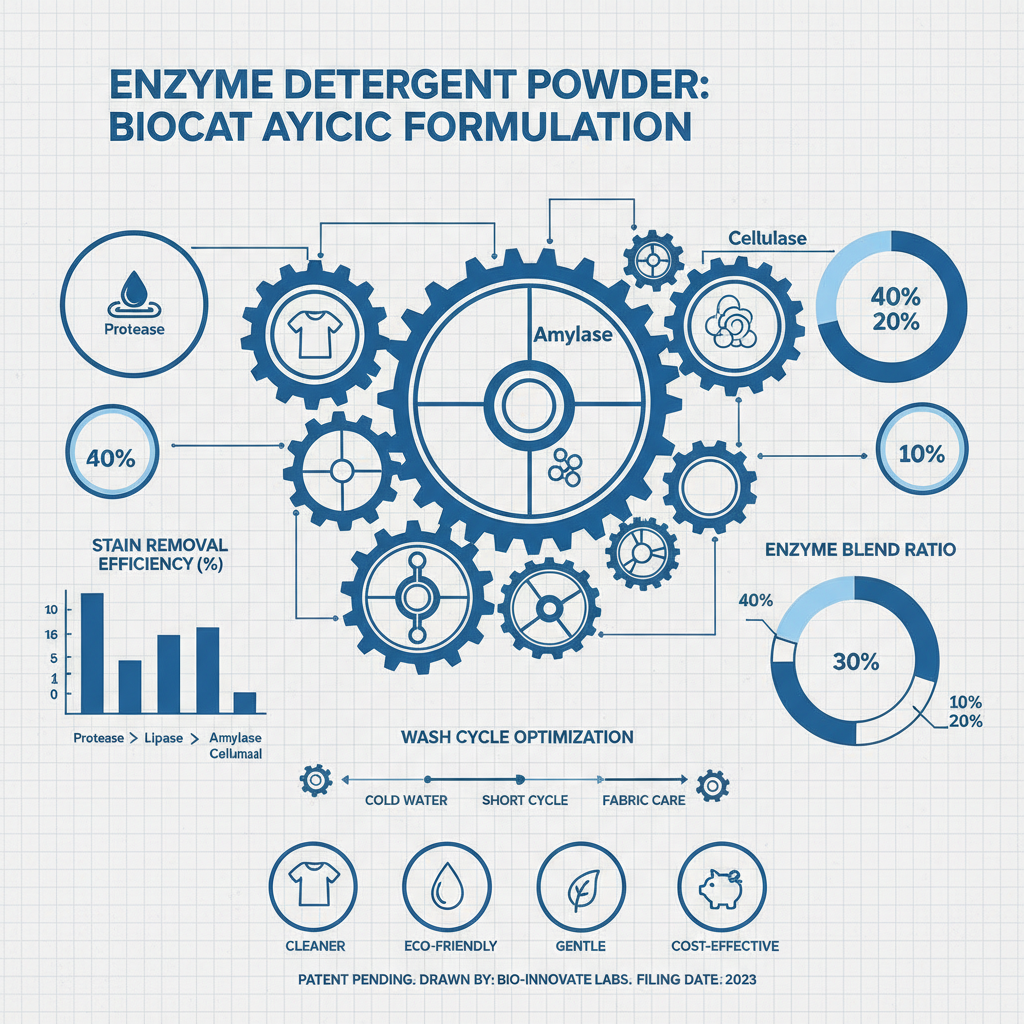
Several types of enzymes are commonly incorporated into detergent powder formulations, each targeting different stain types. The most prevalent include Protease, Amylase, Lipase, Cellulase, and Mannanase. Protease enzymes break down protein-based stains like blood and grass. Amylase targets starch-based stains from foods like potatoes and pasta. Lipase tackles fats and oils from cooking and cosmetics. Cellulase helps to brighten fabrics and remove fuzz. Mannanase effectively removes stains from food containing mannans, such as sauces and ice cream. The optimal enzyme blend depends on the intended use of the detergent powder.
Enzyme Functionality:
• Protease: Breaks down protein stains
• Amylase: Breaks down starch stains
• Lipase: Breaks down fat and oil stains
• Cellulase: Brightens fabrics and removes fuzz
• Mannanase: Removes stains from mannan-containing foods
Enzymes for Detergent Powder: Performance Comparison
The performance of different enzymes can vary significantly depending on factors like pH, temperature, and substrate concentration. Here’s a comparative look at their effectiveness against common stains:
Benefits of Using Enzymes in Detergent Formulations
Incorporating enzymes into detergent powder offers numerous advantages. These include superior stain removal, lower washing temperatures (reducing energy consumption), color preservation, fabric care, and enhanced biodegradability. Enzymes are also effective in low water hardness conditions where traditional detergents might struggle. Dyeingchem.com provides enzyme solutions specifically designed to optimize detergent performance and sustainability.
Future Trends in Enzyme Technology for Detergents
Ongoing research focuses on improving enzyme stability, broadening their substrate specificity, and developing enzymes that perform optimally in challenging conditions like high alkalinity or the presence of bleaching agents. Genetic engineering and protein engineering are playing key roles in creating next-generation enzymes with enhanced performance and resilience. Expect to see more tailored enzyme blends designed for specific fabric types and stain profiles in the coming years. Dyeingchem.com remains at the forefront of these innovations, providing cutting-edge enzyme solutions to meet the evolving needs of the detergent industry.
Conclusion: Embracing Enzyme Technology for Superior Detergent Performance
Enzymes are indispensable components of modern detergent powders, offering superior cleaning power, environmental benefits, and enhanced fabric care. By understanding the different types of enzymes and their specific applications, detergent manufacturers can formulate products that meet the demands of today’s discerning consumers. Dyeingchem.com is your trusted partner for high-quality enzymes and expert technical support.
Frequently Asked Questions (FAQs)
What factors affect enzyme activity in detergents?
Several factors influence enzyme activity, including pH, temperature, water hardness, and the presence of inhibitors. Enzymes have optimal pH and temperature ranges where they function most efficiently. Hard water minerals can interfere with enzyme activity, while certain chemicals, like bleaching agents, can inhibit their performance. Detergent formulations need to be carefully balanced to optimize these factors for maximum enzyme effectiveness.
Are enzymes safe for the environment?
Yes, enzymes are generally considered environmentally friendly. They are biodegradable proteins derived from natural sources, and their use reduces the need for harsh chemicals in detergents. This contributes to lower water pollution and a smaller environmental footprint. However, it’s crucial to ensure enzymes are sourced responsibly and manufactured using sustainable practices.
Can enzymes be used in all types of detergents?
Enzymes can be used in a wide range of detergents, including laundry powders, liquid detergents, and dishwashing formulations. However, the specific enzyme blend needs to be tailored to the intended application. For example, detergents designed for delicate fabrics may require gentler enzymes, while those for heavy-duty cleaning may benefit from higher concentrations of protease and amylase.
Where can I source high-quality enzymes for detergent manufacturing?
Dyeingchem.com is a leading supplier of high-quality enzymes for detergent manufacturing. We offer a comprehensive range of enzyme products, including protease, amylase, lipase, cellulase, and mannanase, along with expert technical support to help you optimize your formulations.