How to Select a Low-Foam Alkali-Resistant Penetrating Agent
How to Select a Low-Foam Alkali-Resistant Penetrating Agent
In cotton scouring and bleaching production lines, common issues like foam overflow, uneven fabric whiteness, and irregular dye spots are often blamed on equipment, but the real cause is usually poor wetting or unstable auxiliary performance. Most of these defects come from insufficient liquid penetration under high-temperature and high-alkali baths. For textile and industrial wet processing, a refined penetrating agent needs to wet quickly, stay active in the actual alkali and temperature range, and keep foam under control.
Many universal penetrating agents often fail in real factory conditions. Some foam heavily. Others lose activity in high-alkali or high-temperature baths. Poor compatibility with dyes or finishing agents can also cause precipitation and batch defects. This guide covers what to check before choosing one and how to run a factory trial.
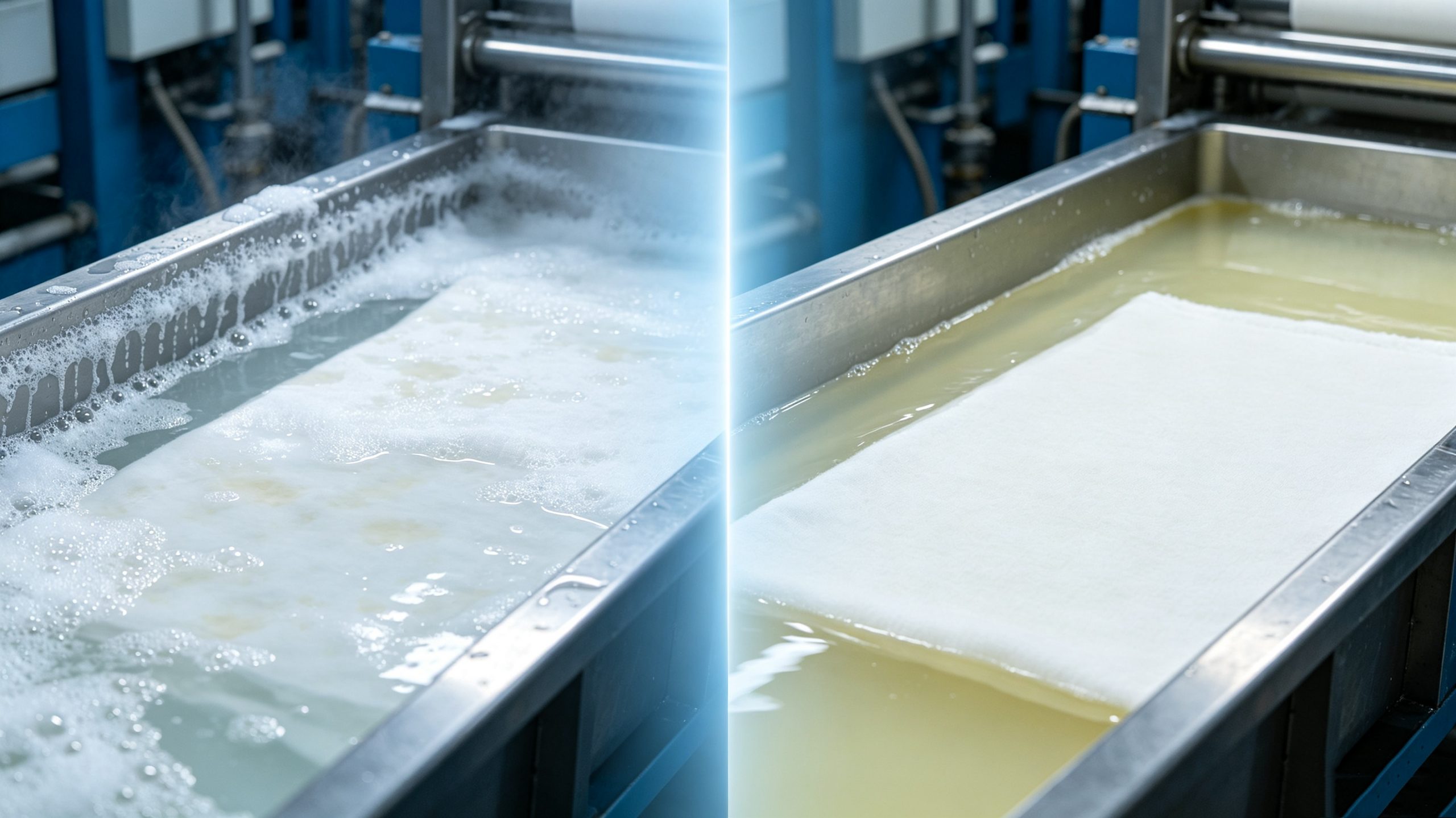
Why Penetration Control Is Critical for Wet Processing Quality
Wet processing depends on the treatment liquid reaching the inside of the substrate. If penetration is incomplete, processing will be uneven.
In textile pre-treatment, poor penetration causes uneven desizing, incomplete scouring, and inconsistent bleaching whiteness. These problems often show up later as dyeing defects. In fabric dyeing and printing processes, inadequate penetration leads to poor leveling performance, obvious color difference, and reduced color fastness.
For leather processing, slow liquor penetration prolongs soaking and tanning cycles, reduces production efficiency, and affects the softness and uniformity of finished leather products. In metal surface treatment, cleaning and rust removal liquids cannot penetrate micro gaps, resulting in residual oil stains and oxide layers, which affect the adhesion of subsequent phosphating and coating treatments.
A penetrant helps reduce surface tension and improves wetting. But the key is whether it still works in your bath, not just in a neutral-water lab test.
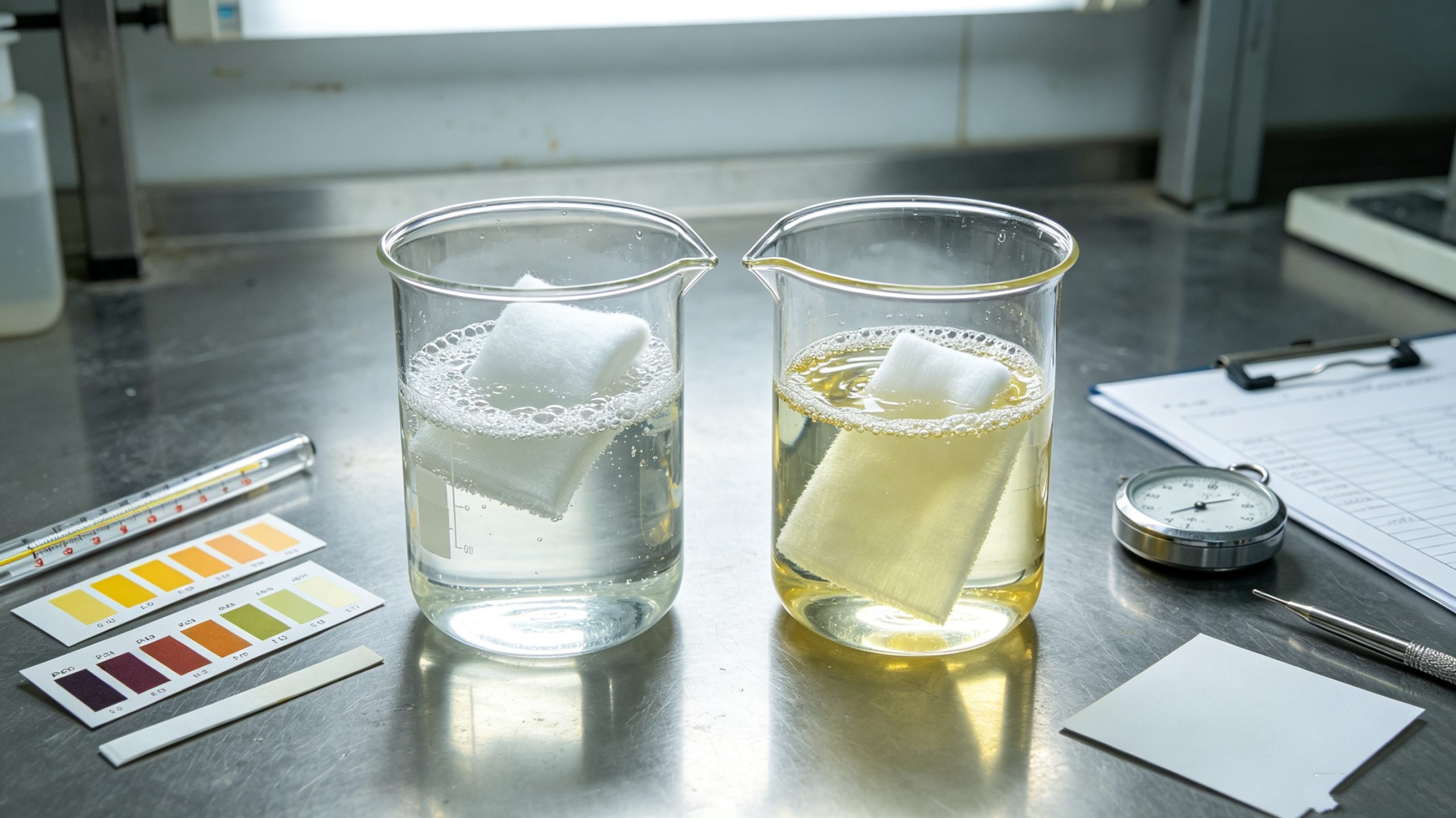
Key Selection Criteria for Refined Penetrating Agent
-
Fast Wetting and Deep Penetration Performance
Penetrating agents can quickly spread and infiltrate the substrate interior after being added to the working bath, shortening the material soaking and processing time. When selecting products, factories should focus on the actual penetration effect under production alkalinity and temperature conditions, rather than only referring to neutral water laboratory data. Check wetting speed in the same alkali, temperature, and water hardness range as your production bath.
-
-
Alkali and Temperature Resistance
-
Textile scouring and bleaching are typical high-temperature and high-alkali processes. Some penetrants lose activity under these conditions. This product is designed for conventional alkaline and high-temperature processes. run a lab trial first.
-
-
Stable Low-Foam Characteristics
-
Foam can cause bath overflow, fabric spots, and uneven treatment. It also increases defoamer use.
-
Chemical Compatibility
Compatible with most anionic and nonionic surfactants, dyes, printing pastes and finishing agents. For cationic products, do a compatibility test before mixing. A jar test at production temperature is usually enough.
-
Safety and Compliance
Phosphorus-free and heavy-metal-free. SDS and test reports are available for review. Avoid long-term contact with eyes and respiratory tract.
Main Industrial Application Scenarios & Reference Dosage
Textile Scouring, Bleaching, Dyeing and Printing
Suitable for pre-treatment and finishing of cotton, linen, silk, wool and synthetic fiber fabrics. It helps desizing and scouring chemicals penetrate the fiber, improving whiteness and hydrophilic uniformity. In the dyeing and printing stage, it promotes uniform dye infiltration, improving fabric leveling performance and color fastness.
Reference Dosage: Scouring & Bleaching: 5–10 g/L; Dyeing: 1–3 g/L
Leather Processing
Used in leather soaking, degreasing and tanning processes. It speeds up the penetration of treatment liquids into raw hide tissues, shortens the production cycle, and makes degreasing and tanning treatment more uniform, improving the texture and quality of finished leather.
Reference Dosage: Soaking & Degreasing: 1–3 g/L; Tanning: 0.5–2 g/L
Metal Surface Treatment
Used for metal cleaning, rust removal and phosphating processes. It improves the wetting and penetrating power of cleaning and rust removal liquids, removes micro-scale oil stains and oxide layers on metal surfaces, and improves the bonding performance of subsequent phosphating and coating layers.
Reference Dosage: Cleaning & Rust Removal: 2–5 g/L; Phosphating: 1–3 g/L
Other Industrial Applications
Factory Trial & Usage Guidelines
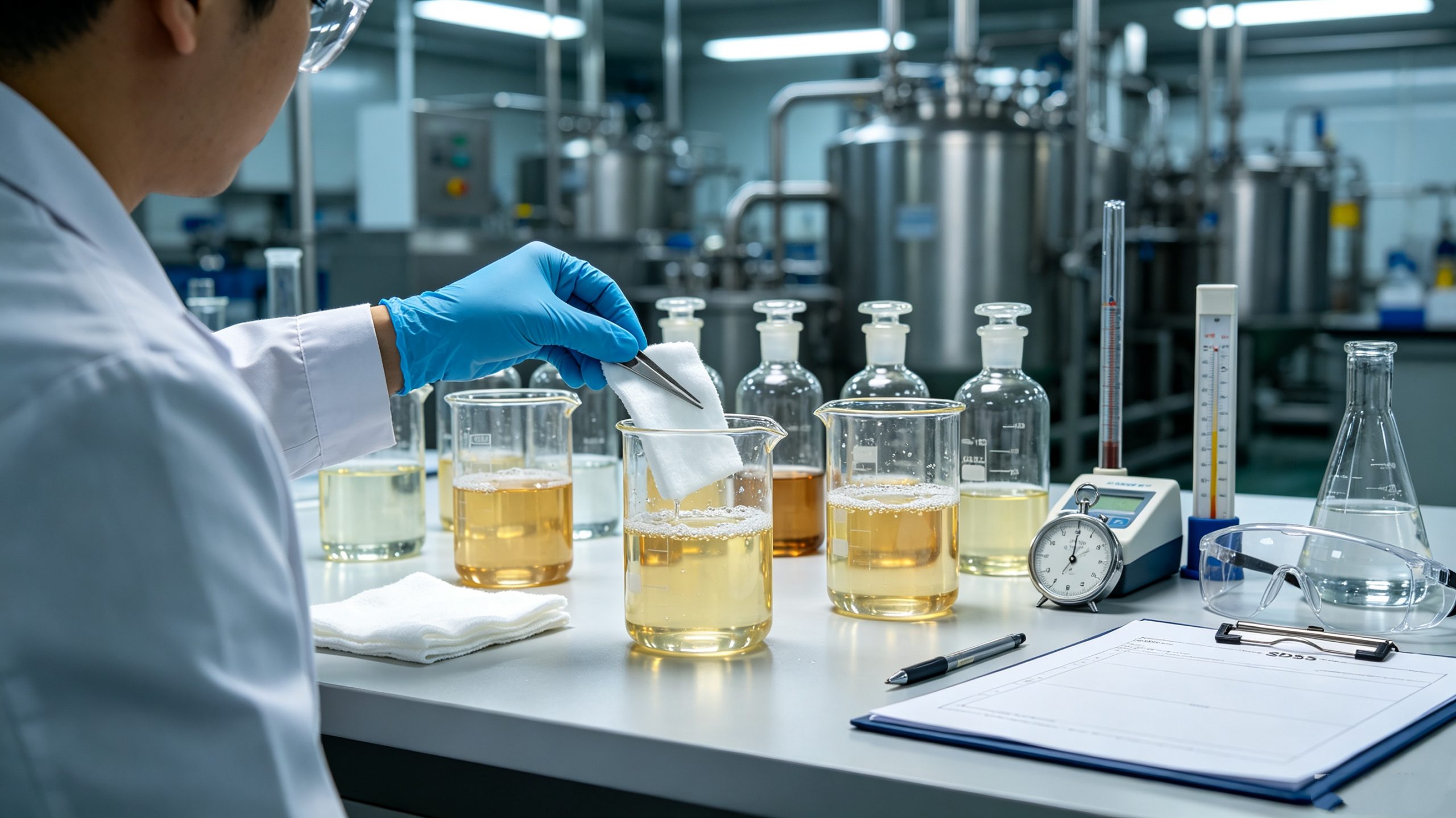
This refined penetrating agent is freely soluble in cold or hot water. All the above dosages are only standard reference values. Due to the differences in factory water quality, substrate types, bath alkalinity and process parameters, it is necessary to carry out small-scale laboratory tests and machine trials before mass production to confirm the optimal dosage.
During customer trials, dosage is often adjusted from 5–10 g/L to 3–8 g/L depending on water hardness, substrate, and bath chemistry.
Follow these steps for trials:
Use the same water, alkali, and temperature as production.
Compare sink time and foam height at 2–3 dosages.
Run one production batch with the best dosage.
Check whiteness, spots, leveling, and defoamer usage.
Adjust the dosage before full-scale use.
Recommended Mixing Order: Water → Penetrating Agent → Other Auxiliaries (Stir until dissolved)
Storage, Packaging & Safety Instructions
Store the product in a cool, dry and well-ventilated indoor environment at room temperature, with a shelf life of 12 months. If the product exceeds the shelf life, it can be used after passing technical index testing.
Packaging options: 200g sample pack for trial test, 125kg plastic drum and 1000kg IBC tote for bulk order. It is a general industrial chemical. According to our transport report, it is usually transported as non-dangerous goods. Please confirm local regulations before shipment.
During operation, avoid long-term direct contact with eyes and respiratory tract. Refer to the official SDS for safe operation specifications.
FAQ
Q1: Is this a low-foam penetrating agent?
A: Yes. In lab tests at 0.1%, Ross-Miles foam height is ≤ 待补充实测 mm after 5 minutes. If your line is sensitive to foam, we recommend a 30-minute bath test at production temperature before bulk use.
Q2: Is it suitable for high-alkali textile pre-treatment?
A: It is designed for conventional scouring and bleaching baths.
Q3: What is the standard working dosage?
A: The reference dosage for textile scouring and bleaching is 5–10 g/L. Adjust based on substrate, water hardness, and bath chemistry.
Q4: Can it be mixed with dyes and finishing agents?
A: It is compatible with most anionic and nonionic dyes and auxiliaries. For cationic products, do a compatibility test before mixing. A jar test at production temperature is usually enough.
Q5: Is this product anionic? Can it be used with cationic softeners?
A: This is an anionic penetrating agent. Direct mixing with cationic softeners is not recommended without prior compatibility testing.
Q6: What are the shelf life and packaging options?
A: The shelf life is 12 months. Samples are 200 g; bulk packaging is 125 kg drums or 1000 kg IBC totes.
Q7: Can I get free product samples?
A: Yes. Send your process conditions—substrate, pH, temperature, alkali concentration, and current dosage—and we will send a sample with a suggested starting point.
Request a Free Sample
Stable penetration is not about one number on a datasheet. It depends on the bath, the substrate, and the process window.
This low-foam, alkali-resistant refined penetrating agent is designed for textile, leather and metal industrial processing applications.
If you are looking for a stable industrial penetrating agent, feel free to contact us for free samples and technical support.