What Is Nonionic Penetrating Agent TK‑980?
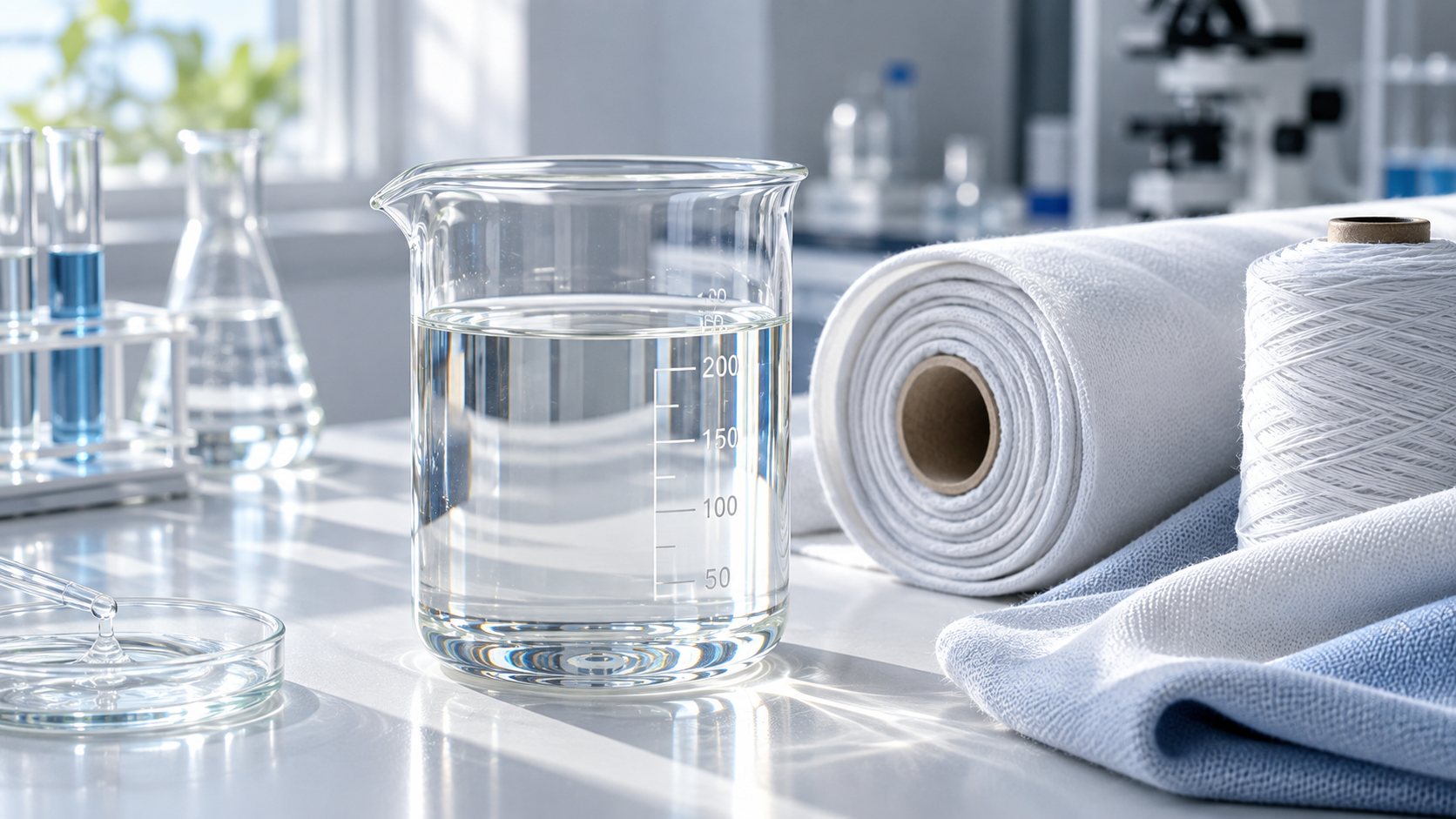
TK‑980 is a colourless, transparent nonionic penetrating liquid with 80% active content. It combines penetration, wetting, dispersing, emulsifying and washing functions in one single product.
It is widely trialled for textile pretreatment and fabric finishing, and users also test it for other processes requiring fast liquor infiltration. Being non‑ionic, it carries no electrical charge when dissolved in water. This gives it potential to mix with anionic, cationic and other nonionic textile auxiliaries.
Do not assume full compatibility with every chemical blend you use. Always run simple jar tests on‑site. We do not publish pH, density, viscosity, cloud point or solubility on this blog. Reach out to our team and request the latest TDS for those figures.
Why choose nonionic penetrants for textile work
Plant‑side formulators often pick nonionic penetrants for their flexible performance. Unlike many ionic wetting products, they usually tolerate fluctuating water hardness, a very common issue across different textile mills.
That said, performance will shift based on foam build‑up, electrolyte concentration, operating temperature and bath pH. No surfactant works perfectly under every possible mill condition. Even if reference documents show good general compatibility, small lab trials remain non‑negotiable before full‑scale production.
Many mills value nonionic penetrants because they can run standalone dosing or get blended inside custom auxiliary formulas. This reduces how many separate raw materials you store for wet‑processing workflows.
Real‑world application areas
TK‑980 fits batch, pad and continuous textile equipment. Actual results hinge on fabric type, machine settings and your existing bath chemistry.
Pretreatment: desizing, scouring, bleaching, mercerizing
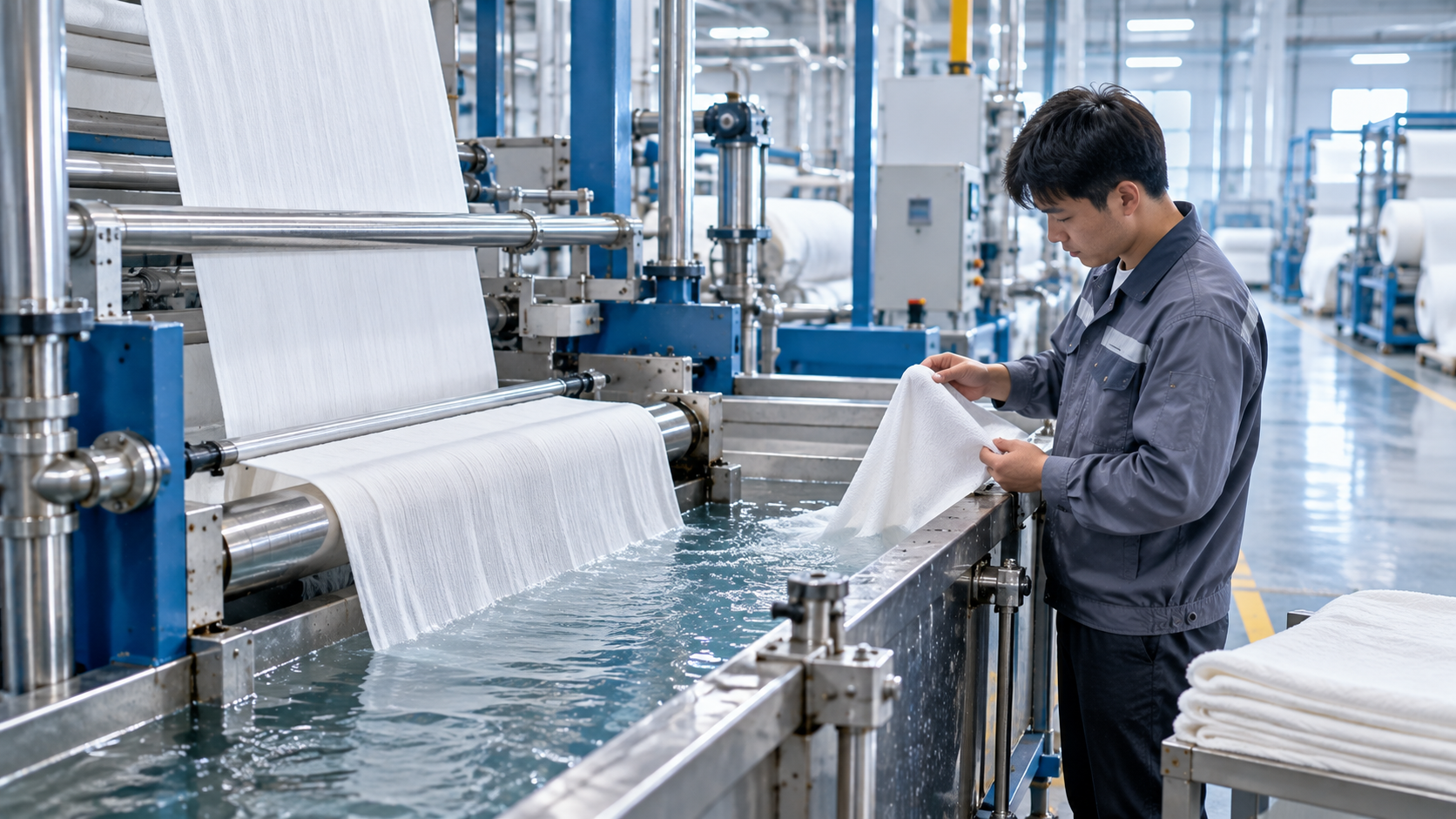
During pretreatment, this penetrant helps working liquor spread and sink into fabric weave quickly. For desizing, it helps treatment chemicals make even contact with sized yarns. In scouring baths, its emulsifying and washing action assists removal of natural waxes and fabric impurities alongside its penetrating effect.
Better liquid penetration supports more uniform whiteness in bleaching. For mercerizing workflows, improved wetting helps caustic solution act evenly across fabric surfaces. Keep in mind heavy‑weight or tightly woven fabrics will demand different operating settings than lightweight material.

Dyeing: supporting dye penetration and levelness
TK‑980 is not a dedicated levelling agent for dyes. Still, mills test it when they struggle with poor liquor movement inside dense package yarns. More even bath penetration helps dye molecules access fibre interiors and lowers risks of spotty shade and white‑core faults. It works as an aid, not a replacement for standard dyeing auxiliaries. Always check for shade shift before production.
Finishing: improve penetration of finishing liquors
Padding finishing processes suffer when softeners or resin treatments only coat fabric surfaces. Finishes fail to deliver expected durability and hand feel changes. Adding TK‑980 helps finishing liquor wet substrates thoroughly and penetrate deeper into fabric cross‑sections. If your finishing bath contains cationic softeners, complete compatibility checks are critical.
Other penetration‑focused processes
You may also try TK‑980 for any wet operation needing rapid liquid uptake. Common examples include dense woven goods and short‑contact continuous treatments. Each new substrate requires separate lab evaluation.

Dosage reference and physical property overview
No fixed universal dosage exists for TK‑980. Adjust rates for fabric density, process temperature and your target penetration performance. Always start laboratory trials before mill runs.
| Application mode | Recommended dosage | Practical notes |
| Standalone bath use | 1–5 g/L | Adjust based on fabric weight and wetting difficulty |
| As formulation additive | 5%‑50% (o.w.f) | Tune percentage for your required penetration strength |
| Pre‑production step | Lab trial first | Confirm compatibility, foam behaviour and optimal dosage |
Typical Physical Properties
| Property | Specification |
| Appearance | Colorless transparent liquid |
| Active content | 80% |
| Ionicity | Nonionic |
Process‑by‑process usage tips
Pretreatment
Add TK‑980 into desizing, scouring or bleaching baths and stir thoroughly before feeding fabric into equipment. Use 1‑5 g/L for standalone dosing. When compounding auxiliaries, work within 5%‑50% (o.w.f). Watch foam levels closely, especially on jet‑processing ranges. Dense or heavily‑sized fabric may need higher dosage, base changes entirely on trial results, not guesswork.
Dyeing
Add TK‑980 under good agitation before introducing dye stock solutions. Avoid direct mixing with concentrated dye liquid without dilution. Stick to low starting dosage. Validate that penetrant addition does not alter shade, levelness or dye exhaustion for your dye recipe. If excessive foam occurs, cut dosage or test compatible defoamer options.
Finishing
Fully mix TK‑980 throughout finishing liquor before padding fabric. Many finishing formulations contain cationic softeners or cross‑linking resins. Run jar tests to spot precipitation or unwanted hand‑feel changes. Over‑dosing brings zero performance gain and may create unexpected surface side‑effec
Compatibility advice and field troubleshooting
Nonionic‑grade TK‑980 mixes well with most anionic, cationic and nonionic textile auxiliaries in general lab conditions. Real‑world mill baths with high‑salt loads or temperatures near product cloud‑point can change outcomes. Never skip compatibility jar testing for new custom formulations.
Common on‑site issues
-
Insufficient penetration effect
Check your current dosage, bath temperature and chemical adding order. Confirm full mixing completes before fabric enters processing equipment. If fabric carries heavy hydrophobic surface contaminants, pre‑cleaning steps may be required.
-
Too much foam during running
Lower penetrant dosage first. Foam can also originate from other surfactants present in your bath. Run separate tests: test TK‑980 alone and with your full chemical package to pinpoint the root source.
-
Auxiliary incompatibility
Watch for bath cloudiness, sediment or phase separation. If these appear, stop testing. Adjust mixing sequence or consult our technical support team. Do not push into production with unstable bath liquid.
-
Wrong dosage level
Too‑low addition delivers barely‑noticeable wetting improvement. Too‑high dosing raises chemical cost and amplifies foam without better penetration. Find the minimum effective dosage proven in your lab trials.
Storage, packaging, safety and waste handling
Store TK‑980 indoors in cool, well‑ventilated warehouse conditions. Properly stored material holds a 12‑month shelf‑life. Reach out to our technical team for guidance if you plan to use stock past expiry date.
Available packaging includes 200 g sample packs for laboratory trials and 125 kg plastic drums for bulk mill consumption. It is classified as general industrial chemical and ships as non‑dangerous goods.
Frequently Asked Questions
What is Nonionic Penetrating Agent TK‑980?
Nonionic Penetrating Agent TK‑980 is a colourless transparent nonionic liquid penetrant with 80% active content. It offers penetration, wetting, dispersing, emulsifying and washing performance. Textile mills test it mainly for pretreatment, finishing and other workflows needing faster liquor penetration.
What is the recommended dosage of TK‑980?
For standalone bath use the dosage sits at 1‑5 g/L. When compounded as a formulation additive, typical addition is 5%‑50% (o.w.f). Exact working rate depends on fabric and process conditions, so lab trials are strongly advised.
Is TK‑980 suitable for cotton pretreatment and dyeing?
Yes, mills commonly trial TK‑980 on cotton for desizing, scouring, bleaching and dyeing operations. It helps improve liquor penetration into cotton fibres. Always validate performance under your own mill process settings ahead of mass production.
Is TK‑980 compatible with other textile chemicals?
As a nonionic surfactant, TK‑980 shows good general‑range compatibility with most anionic, cationic and nonionic textile auxiliaries. That does not guarantee compatibility for every custom bath. Foam, electrolytes and cloud‑point shifts will change results, so run jar‑test checks.
How should TK‑980 be stored and packaged?
Keep TK‑980 in cool, ventilated storage, shelf‑life 12 months. You can order 200 g lab samples or bulk 125 kg plastic drums.
Is TK‑980 a hazardous chemical?
TK‑980 counts as general chemical and transports as non‑dangerous goods. Even so, neat product irritates eyes and respiratory tract when mists form. Read SDS carefully before any handling work.
Get in touch
If you want full TDS, SDS documentation, product samples or process support for TK‑980, get in touch with our textile technical team. We can work with your existing fabric and bath setup to draw up practical trial suggestions for your plant.