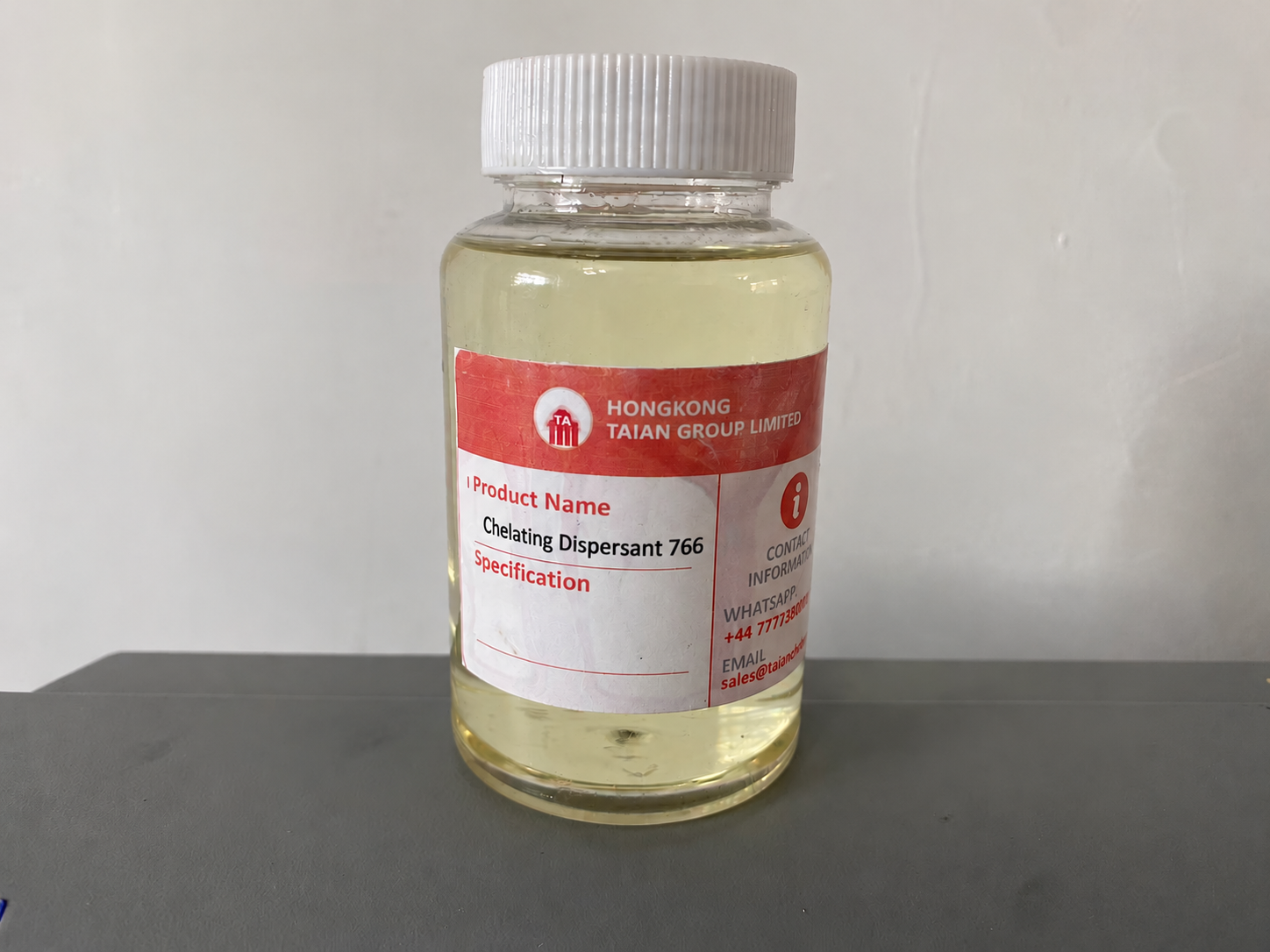
High-Performance Desizing Solutions for Modern Textiles
High-Performance Desizing Solutions for Modern Textiles
Proper pre-treatment is essential in textile production, and desizing enzyme plays a key role in achieving clean, high-quality fabrics. Our liquid α-amylase formulations are designed for efficiency, stability, and adaptability, ensuring that starch-based sizing agents are thoroughly removed while preserving fiber strength. Using desizing enzyme, textile mills can maintain consistent fabric quality and improve subsequent dyeing, printing, and finishing processes.
These desizing enzyme formulations operate effectively over a wide pH range (5.5–10.0) and temperature range (45–95°C), allowing flexibility for batch, continuous, and jet machine processing. With dosages ranging from 0.3–1.5% o.w.f. and processing times of 20–60 minutes, fabrics achieve complete desizing with minimal strength loss, low foaming, and easy rinsing. This makes desizing enzyme an essential component for efficient and sustainable textile production.
Flexible Solutions with Textile Enzyme
Textile enzyme technology is transforming fabric pre-treatment by offering environmentally friendly alternatives to harsh chemicals. Our textile enzyme series includes medium-low temperature energy-saving options, thermostable high-temperature enzymes for continuous production, and versatile formulations that maintain activity across a broad temperature range. Using textile enzyme, mills can optimize production efficiency while ensuring high-quality desizing and minimal fiber damage.
In practical applications, textile enzyme enables consistent starch hydrolysis on warp yarns, improving fabric absorbency and preparing textiles for bleaching, dyeing, and finishing. By integrating textile enzyme into pre-treatment lines, mills reduce water and energy consumption, streamline operations, and enhance overall process sustainability.
Sustainable Performance with Bio Enzyme
Our bio enzyme formulations are bio-based, biodegradable, and environmentally friendly, aligning with modern sustainability goals in textile production. Bio enzyme effectively converts insoluble starch into water-soluble sugars, which can be easily washed away, leaving fabrics soft and uniform. By replacing traditional chemical desizing agents with bio enzyme, mills minimize environmental impact while improving fabric quality and production reliability.
Textile manufacturers using bio enzyme benefit from reduced effluent load, lower energy consumption, and minimized fiber degradation. Continuous research ensures that bio enzyme formulations remain compatible with various fabrics—including cotton, cotton blends, denim, knits, and woven materials—providing consistent results across production lines.
High Activity and Stability of Amylase
Amylase is the active component in our desizing enzyme series, responsible for hydrolyzing glycosidic bonds in starch molecules. High activity and stability across varying pH and temperature ranges make amylase ideal for diverse textile pre-treatment applications. By using amylase, mills can achieve rapid, thorough starch removal with minimal risk of over-processing or fiber damage.
In real-world applications, amylase has proven highly effective in both batch and continuous ranges, including jet dyeing machines and sustainable low-energy processes. Mills report faster processing times, improved fabric cleanliness, and reduced chemical and water usage when integrating amylase into their pre-treatment workflows.
Applications Across Fabrics and Production Lines
Our enzyme solutions are suitable for a wide range of fabrics, including cotton, cotton blends, denim, knits, and woven textiles. Desizing enzyme ensures effective pre-treatment for sustainable, high-efficiency production lines, preparing fabrics for subsequent bleaching, dyeing, and finishing. Using these enzymes, mills can maintain consistent quality across different yarns, fabric types, and production speeds.
For example, a denim mill implementing textile enzyme in their pre-treatment line achieved 98% starch removal while operating at 50°C, reducing energy consumption by 25% and water usage by 30%. Bio enzyme enables similar results in cotton and blended fabrics without compromising fabric strength or softness.
Process Flexibility and Operational Benefits
Our enzyme series provides maximum flexibility for different production requirements. Amylase formulations are compatible with medium-low temperature, high-temperature continuous, and wide-range processes, allowing mills to adjust enzyme type, dosage, and processing time according to fabric type, machine setup, and desired efficiency. Using amylase reduces processing times, improves consistency, and minimizes fiber damage across all production lines.
Mills adopting desizing enzyme or textile enzyme solutions experience lower operating costs, reduced energy and water usage, and improved environmental compliance. The reliability of bio enzyme ensures predictable results, making it easier for production managers to maintain smooth operations and deliver high-quality fabrics consistently.
FAQs About Desizing Enzymes and Textile Enzymes
What is the function of desizing enzyme in textile production?
Desizing enzyme removes starch-based sizing agents from warp yarns, preparing fabrics for bleaching, dyeing, and finishing while preserving fiber strength.
Which fabrics are suitable for enzymatic desizing?
Our textile enzyme formulations are effective on cotton, cotton blends, denim, knits, and woven fabrics, providing consistent desizing across production lines.
How does bio enzyme improve sustainability?
Bio enzyme is biodegradable and energy-efficient, reducing chemical usage, wastewater load, and overall environmental impact in textile production.
What are typical processing parameters for amylase?
Amylase works effectively at 45–95°C, pH 5.5–10.0, with dosages of 0.3–1.5% o.w.f., and processing times between 20–60 minutes.
Can these enzymes be used in both batch and continuous production?
Yes, desizing enzyme, textile enzyme, and bio enzyme are suitable for jet machines, continuous ranges, and batch systems, providing flexible options for all production setups.