Exploring the World of Textile Paints and Dyes for Vibrant Fabric Creations
Exploring the World of Textile Paints and Dyes for Vibrant Fabric Creations
Textile Paints and Dyes: A Comprehensive Guide
The world of fashion and textiles relies heavily on vibrant and durable coloration. Textile paints and dyes are the cornerstone of this process, transforming raw fabrics into the colorful garments and materials we use daily. Understanding the different types, applications, and considerations for these colorants is crucial for manufacturers, designers, and anyone involved in the textile industry. This article provides a detailed overview of textile paints and dyes, exploring their characteristics, uses, and the latest advancements. Choosing the right dye or paint is paramount for achieving the desired aesthetic and performance characteristics.
Understanding the Difference: Textile Dyes vs. Textile Paints
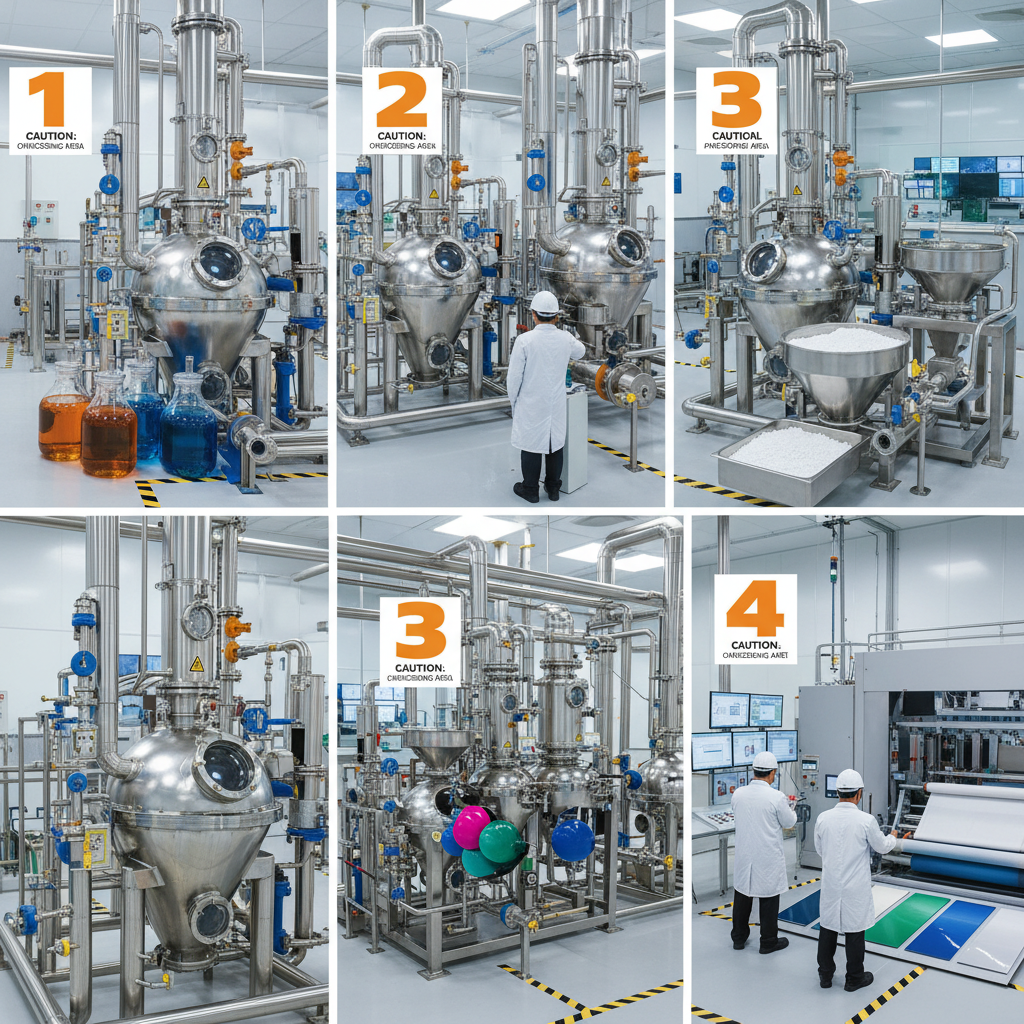
While often used interchangeably, textile dyes and paints differ significantly in their application and how they interact with fabric. Textile dyes penetrate the fibers of the fabric, becoming part of the material itself. This results in excellent wash fastness and durability. They are typically used for large-scale production and achieve deep, consistent colors. Textile paints, conversely, form a coating on the surface of the fabric. This allows for more artistic and detailed designs, but generally offers less wash fastness than dyeing. They are frequently used for bespoke designs, artwork on fabric, and smaller production runs. The choice between dye and paint depends on the desired outcome and application.
Common Types of Textile Dyes
A wide range of textile dyes are available, each with its own unique properties and suitability for different fabrics. Here's an overview of some of the most common types: Reactive Dyes are highly versatile and used extensively on cotton and other cellulosic fibers. They form a strong chemical bond with the fiber, resulting in excellent colorfastness. Direct Dyes are also used on cellulosic fibers, but are generally less colorfast than reactive dyes. Vat Dyes are known for their exceptional wash and lightfastness, making them ideal for workwear and outdoor fabrics. Disperse Dyes are primarily used for polyester and other synthetic fibers. Acid Dyes are suited for protein fibers like wool and silk, providing bright and vibrant colors.
Key Takeaway: Choosing the correct dye type is crucial for achieving optimal colorfastness, vibrancy, and durability on the intended fabric.
Textile Paint Categories and Applications
Textile paints similarly offer diverse options, catering to various artistic and industrial needs. Acrylic Paints are water-based, easy to use, and widely available for craft projects and small-scale applications. Fabric Paints are specifically formulated for textiles, offering better adhesion and wash fastness compared to standard acrylics. Screen Printing Inks are used in professional textile printing, creating durable and intricate designs. Digital Textile Printing Inks are employed in advanced digital printing technologies, allowing for highly detailed and customized prints. The selection of paint depends on the complexity of the design, the fabric type, and the required durability.
Sustainability and Environmental Considerations
The textile industry is known for its environmental impact, and the production of dyes and paints is a significant contributor. Increasingly, manufacturers are focusing on more sustainable alternatives. Low-impact dyes use less water and energy during production, and generate less waste. Natural dyes, derived from plants and other natural sources, are gaining popularity, though they often require mordants for fixation and may have lower colorfastness. Responsible wastewater management and the use of eco-friendly pigments are crucial steps towards minimizing the environmental footprint of textile coloration. Dyeingchem.com is dedicated to providing eco-friendly options for all your textile colorant needs.
Selecting the Right Textile Colorants: A Summary
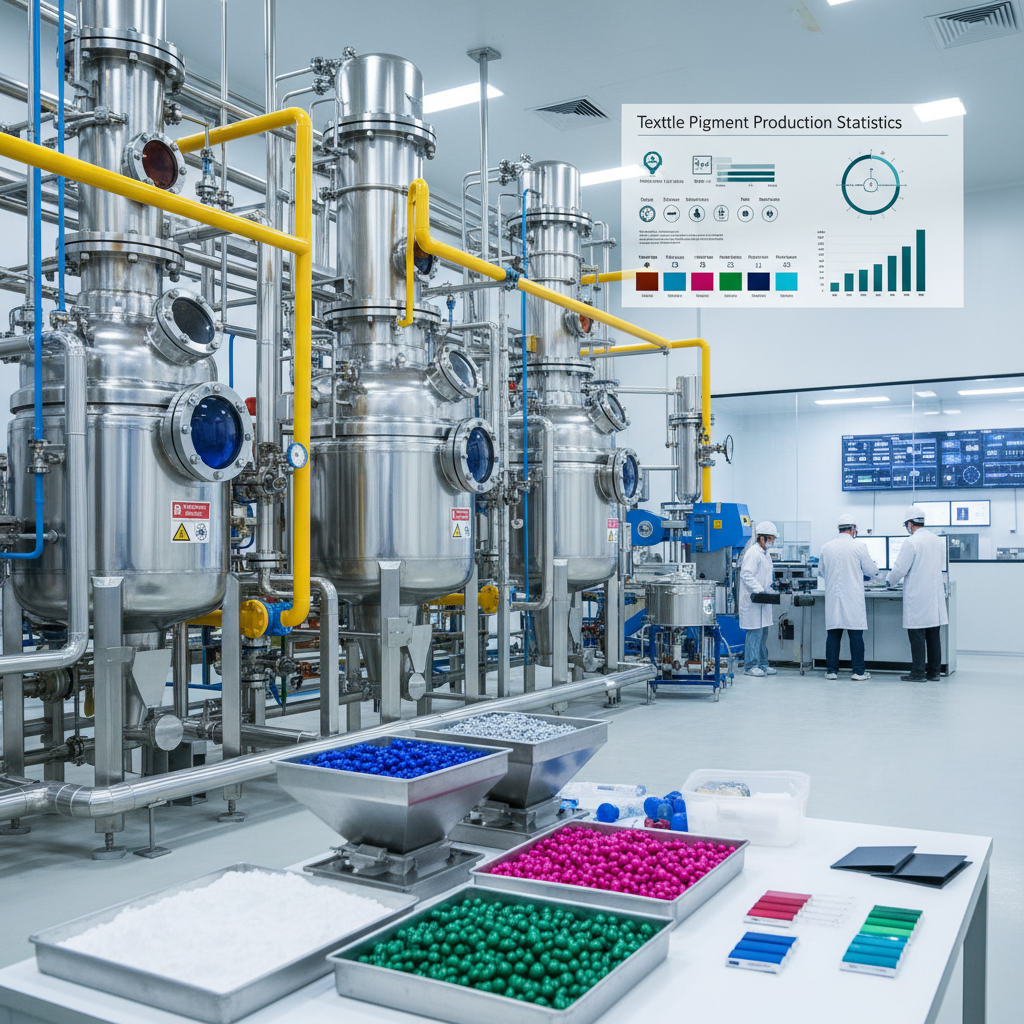
Choosing the correct textile paint or dye involves considering the fabric type, desired colorfastness, application method, and environmental impact. For durable, large-scale coloration, dyes are generally preferred. For artistic designs and smaller productions, paints offer greater flexibility. Prioritizing sustainable options is crucial for reducing the environmental footprint of the textile industry. By carefully evaluating these factors, manufacturers and designers can achieve optimal results and create beautiful, long-lasting textiles.
Conclusion: Embracing Innovation in Textile Coloration
The world of textile paints and dyes is constantly evolving, with new technologies and sustainable solutions emerging. By staying informed about the latest advancements and carefully considering the factors outlined in this guide, you can ensure optimal results and contribute to a more responsible and vibrant textile industry.
Frequently Asked Questions (FAQs)
What is the best dye for cotton fabric?
Reactive dyes are widely considered the best choice for cotton fabric. They offer excellent wash fastness, vibrant colors, and form a strong chemical bond with the cotton fibers. While direct dyes can be used, they generally have lower colorfastness. The specific reactive dye selected will depend on the desired shade and the dyeing process used. Properly prepared cotton, free of impurities, is essential for optimal dye uptake and color development.
How can I improve the wash fastness of fabric paint?
Improving the wash fastness of fabric paint involves several steps. Firstly, use a fabric paint specifically designed for textiles, rather than standard acrylics. Secondly, properly heat-set the paint according to the manufacturer’s instructions, usually by ironing. Thirdly, wash the painted fabric inside out in cold water with a mild detergent. Avoid harsh chemicals and excessive agitation during washing. A fabric medium can also be added to acrylic paints to improve their adhesion and washability.
Are natural dyes as colorfast as synthetic dyes?
Generally, natural dyes are less colorfast than synthetic dyes. They are more susceptible to fading from sunlight and washing. However, the colorfastness of natural dyes can be improved by using mordants, which help to bind the dye to the fabric. The type of mordant used, the concentration, and the fabric type all influence the final result. While not always matching the vibrancy or durability of synthetic dyes, natural dyes offer a more sustainable and environmentally friendly alternative.
What safety precautions should I take when working with textile dyes and paints?
When working with textile dyes and paints, it’s essential to prioritize safety. Wear appropriate protective gear, including gloves, a mask, and eye protection. Work in a well-ventilated area to avoid inhaling fumes. Avoid contact with skin and eyes. Follow the manufacturer’s instructions carefully. Dispose of waste materials responsibly, in accordance with local regulations. Always keep dyes and paints out of reach of children and pets.