Exploring Dyeing in the Textile Industry A Comprehensive Overview
Exploring Dyeing in the Textile Industry A Comprehensive Overview
Dyeing in the Textile Industry: A Comprehensive Guide
The textile industry relies heavily on effective dyeing processes to add color and enhance the aesthetic appeal of fabrics. From natural fibers like cotton and wool to synthetic materials like polyester and nylon, dyeing is a crucial step in textile manufacturing. This article will delve into the intricacies of dyeing in the textile industry, covering various methods, types of dyes, recent advancements, and its overall impact. Understanding these processes is vital for achieving desired colorfastness, shade consistency, and environmental sustainability.
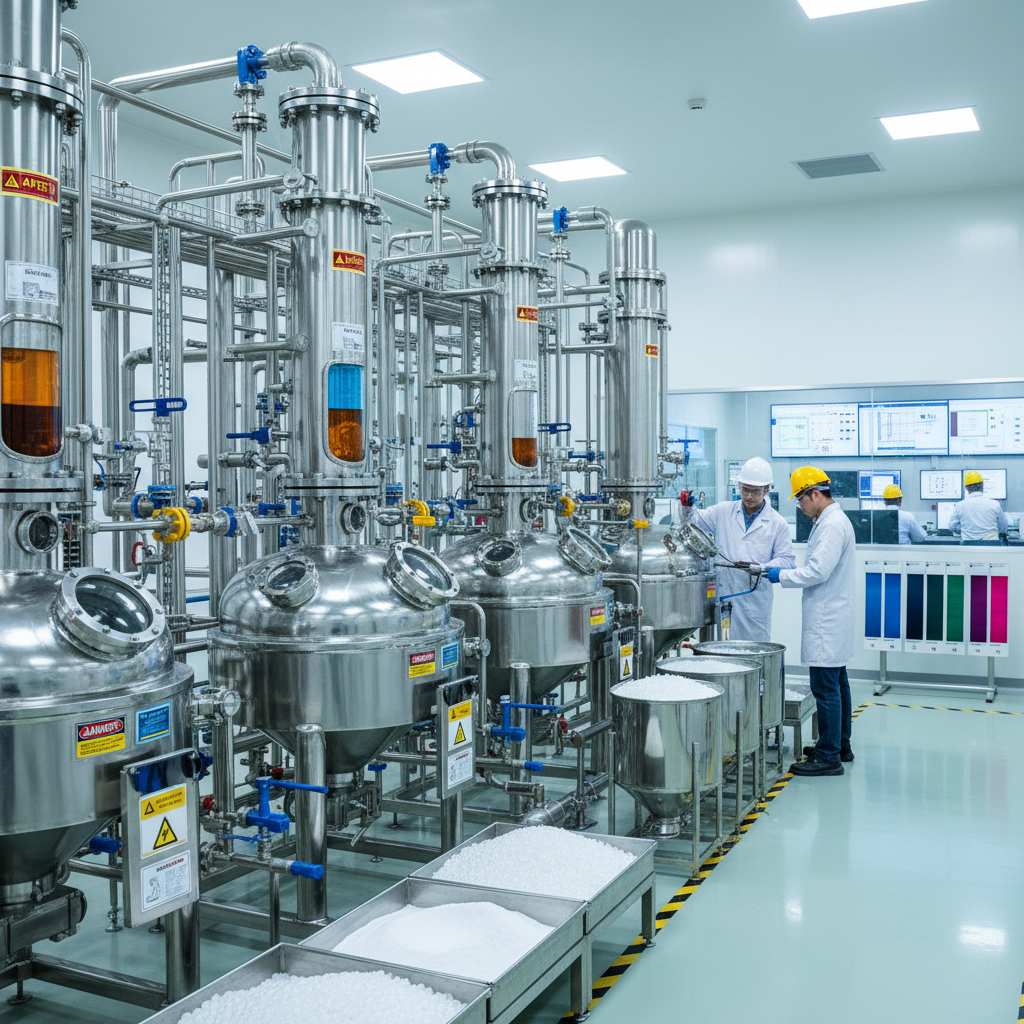
Understanding the Core Principles of Textile Dyeing
At its core, textile dyeing involves the application of colorants to fibers or fabrics, creating a chemical bond between the dye molecules and the textile material. This process requires careful control of several parameters, including temperature, pH, time, and dye concentration. The effectiveness of dyeing depends on the affinity of the dye for the fiber, the fiber's structure, and the dyeing method employed. Different fibers require different dye classes to achieve optimal results. For example, protein fibers like wool and silk respond well to acid dyes, while cellulose fibers like cotton and linen require direct or reactive dyes. Understanding these basic principles is fundamental to successful textile coloration.
Key Considerations: Temperature, pH, time, and dye concentration are critical parameters in controlling the dyeing process. The fiber type dictates the appropriate dye class for optimal coloration.
Common Dyeing Methods Used in Textile Manufacturing
Several dyeing methods are commonly used in the textile industry, each offering unique advantages and suitability for different fabrics. Some of the most prevalent techniques include: batch dyeing (ideal for smaller lots and diverse colors), continuous dyeing (suited for large-scale production and consistent shades), pad-batch dyeing (combines padding and batching for efficient cellulose fiber coloration), exhaust dyeing (commonly used for dyeing polyester and nylon), and solution dyeing (where dye is added to the fiber before it's spun). The choice of method depends on factors such as production volume, fabric type, and desired colorfastness. DyeingChem provides a range of chemicals to optimize these processes.
Popular Dyeing Methods:
• Batch Dyeing: Small lots, diverse colors
• Continuous Dyeing: Large-scale production, consistent shades
• Pad-Batch Dyeing: Efficient cellulose fiber coloration
• Exhaust Dyeing: Polyester and nylon dyeing
A Comparison of Dye Classes for Different Fibers
Selecting the right dye class is paramount for achieving desired results in textile dyeing. Different dyes have varying affinities for different fiber types. Here's a comparative overview:
Recent Advancements and Sustainable Dyeing Practices
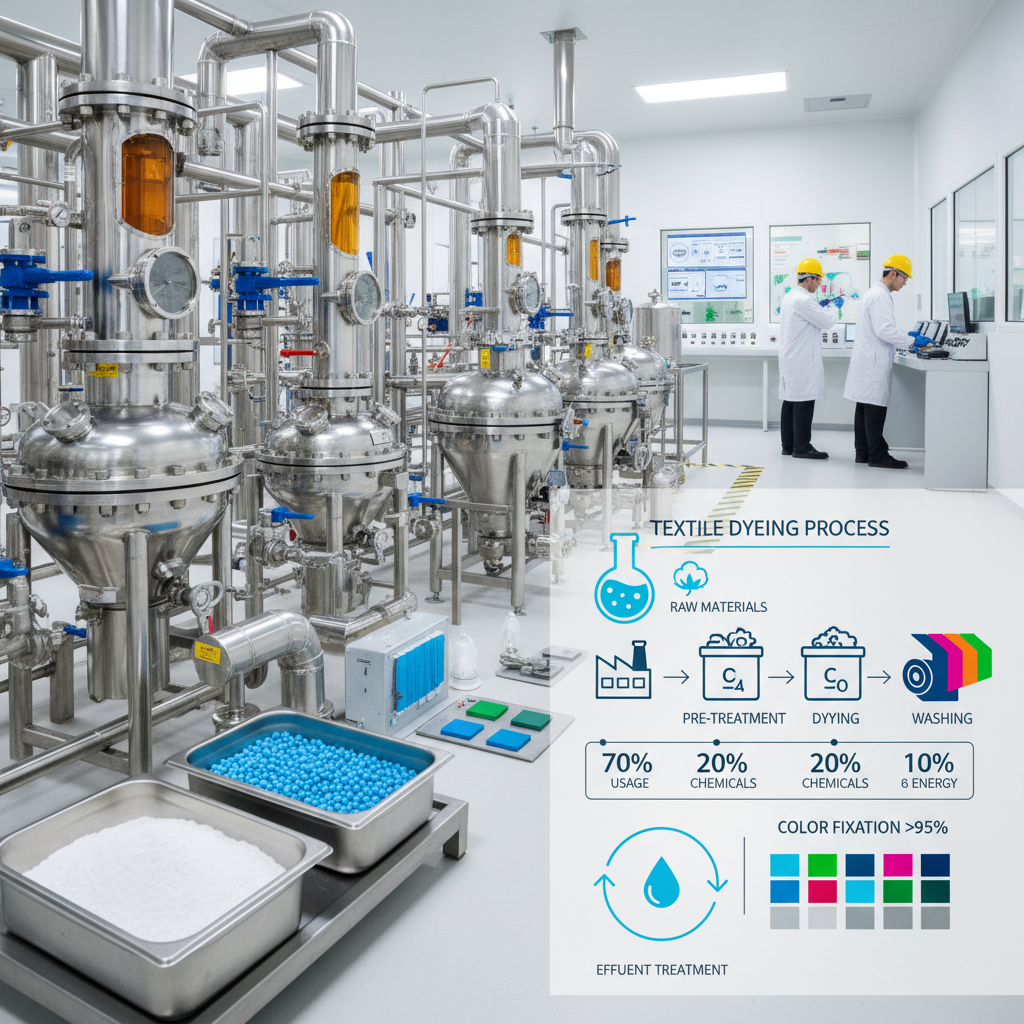
The textile dyeing industry is constantly evolving, with a growing focus on sustainability and minimizing environmental impact. Recent advancements include the development of eco-friendly dyes, such as natural dyes extracted from plants and microorganisms, as well as innovative dyeing techniques that reduce water and energy consumption. Furthermore, advancements in dye fixation technologies aim to minimize dye effluent, reducing pollution and conserving resources. DyeingChem is committed to providing sustainable dyeing solutions.
The Impact of Dyeing on the Textile Industry and Beyond
Dyeing plays a pivotal role in the textile industry, influencing fashion trends, product differentiation, and consumer appeal. The ability to achieve vibrant, durable, and consistent colors is crucial for meeting market demands and maintaining brand reputation. However, the dyeing process also has significant environmental implications, including water pollution and energy consumption. Therefore, adopting sustainable dyeing practices and investing in innovative technologies are essential for ensuring the long-term viability of the textile industry.
Conclusion: The Future of Dyeing in Textiles
Effective dyeing processes are foundational to the textile industry. Embracing sustainability, innovation, and a deep understanding of fiber-dye interactions will drive the future of textile coloration. By prioritizing eco-friendly solutions and efficient techniques, the industry can minimize its environmental footprint while continuing to deliver high-quality, aesthetically pleasing textiles.
Frequently Asked Questions (FAQs)
What are the main environmental concerns associated with textile dyeing?
The primary environmental concerns include water pollution from dye effluent, high water and energy consumption, and the use of hazardous chemicals. Dyeing processes generate large volumes of wastewater containing residual dyes, chemicals, and salts, which can contaminate water bodies. Efforts to mitigate these concerns focus on reducing water usage, implementing wastewater treatment technologies, and adopting eco-friendly dyes and dyeing methods. Sustainable practices, like those offered by DyeingChem, are crucial for minimizing the industry’s impact.
How does water quality affect the dyeing process?
Water quality significantly impacts the dyeing process. Impurities in water, such as minerals, salts, and organic matter, can interfere with dye uptake, leading to uneven coloration and reduced colorfastness. pH levels also play a critical role; maintaining the appropriate pH is essential for optimal dye performance. Pre-treatment of water, including filtration and softening, is often necessary to ensure consistent dyeing results. Using high-quality water improves dye penetration and overall fabric quality.
What are the benefits of using reactive dyes for cellulose fibers?
Reactive dyes offer excellent wash fastness and bright, vibrant colors when applied to cellulose fibers like cotton. They form a covalent bond with the fiber, resulting in a highly durable and permanent coloration. Reactive dyes also have a wide range of available shades and are relatively easy to apply. However, they require careful control of dyeing parameters and produce a significant amount of effluent, necessitating effective wastewater treatment.
How can textile manufacturers reduce water consumption during dyeing?
Textile manufacturers can employ several strategies to reduce water consumption, including using low liquor ratio dyeing machines, implementing water recycling and reuse systems, optimizing dyeing processes to minimize rinse cycles, and utilizing foam dyeing techniques. Switching to continuous dyeing processes, where feasible, also significantly reduces water usage compared to batch dyeing. Investing in advanced water treatment technologies helps recover and purify wastewater for reuse, contributing to a more sustainable operation.