Enzyme in Leather Industry A Comprehensive Guide to Sustainable Processing
Enzyme in Leather Industry A Comprehensive Guide to Sustainable Processing
The Role of Enzyme in Leather Industry: A Comprehensive Guide
The leather industry, historically reliant on chromium-based tanning, is undergoing a significant transformation. Growing environmental concerns and stricter regulations are driving the adoption of more sustainable alternatives. Enzymes in leather processing are emerging as a key solution, offering environmentally friendly and efficient alternatives at various stages of production. This article will explore the diverse applications of enzymes, their benefits, and the future of enzymatic leather processing. Learn how Dyeingchem can provide you with high-quality enzymes for your leather processing needs.
Understanding Enzymes in Leather Processing
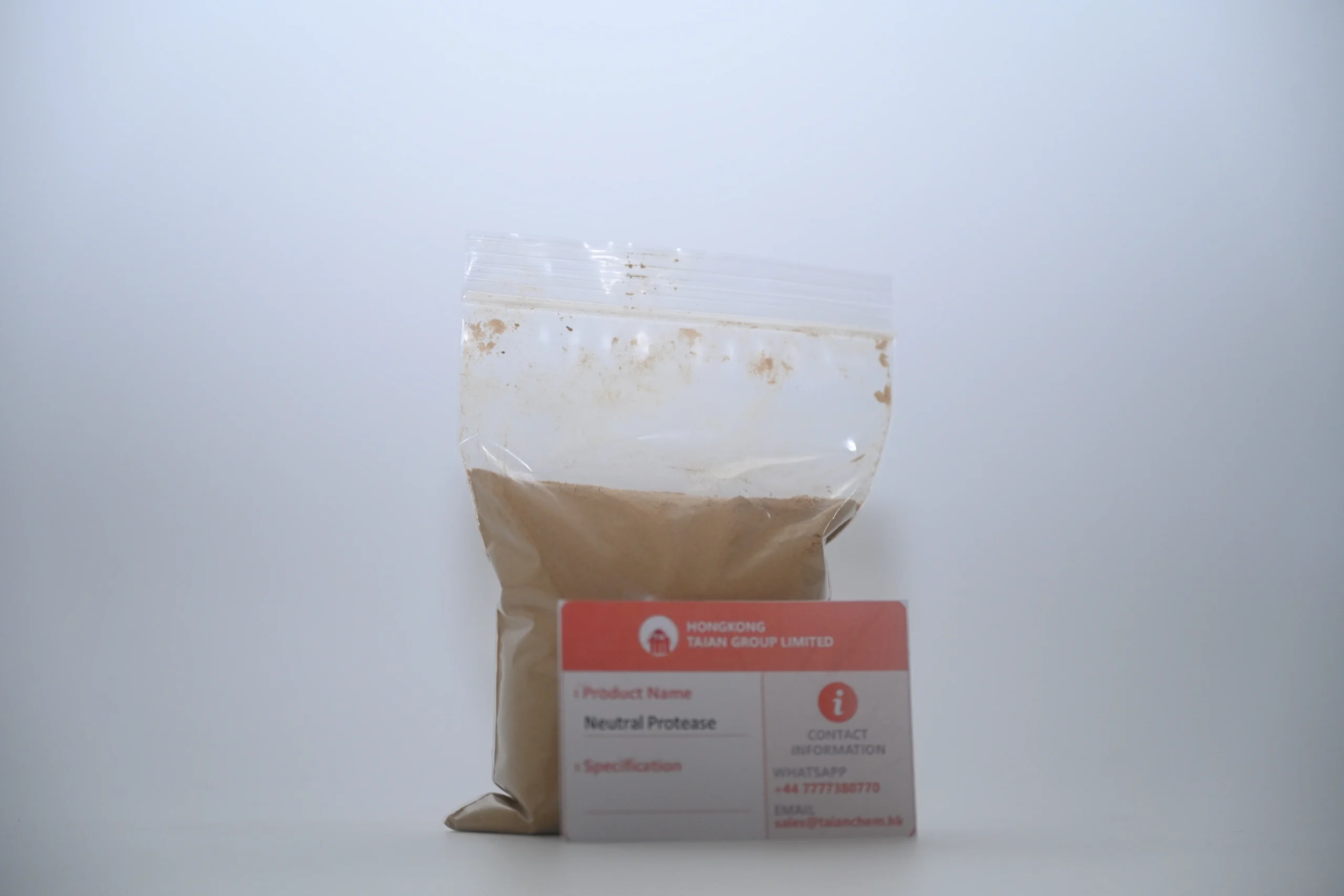
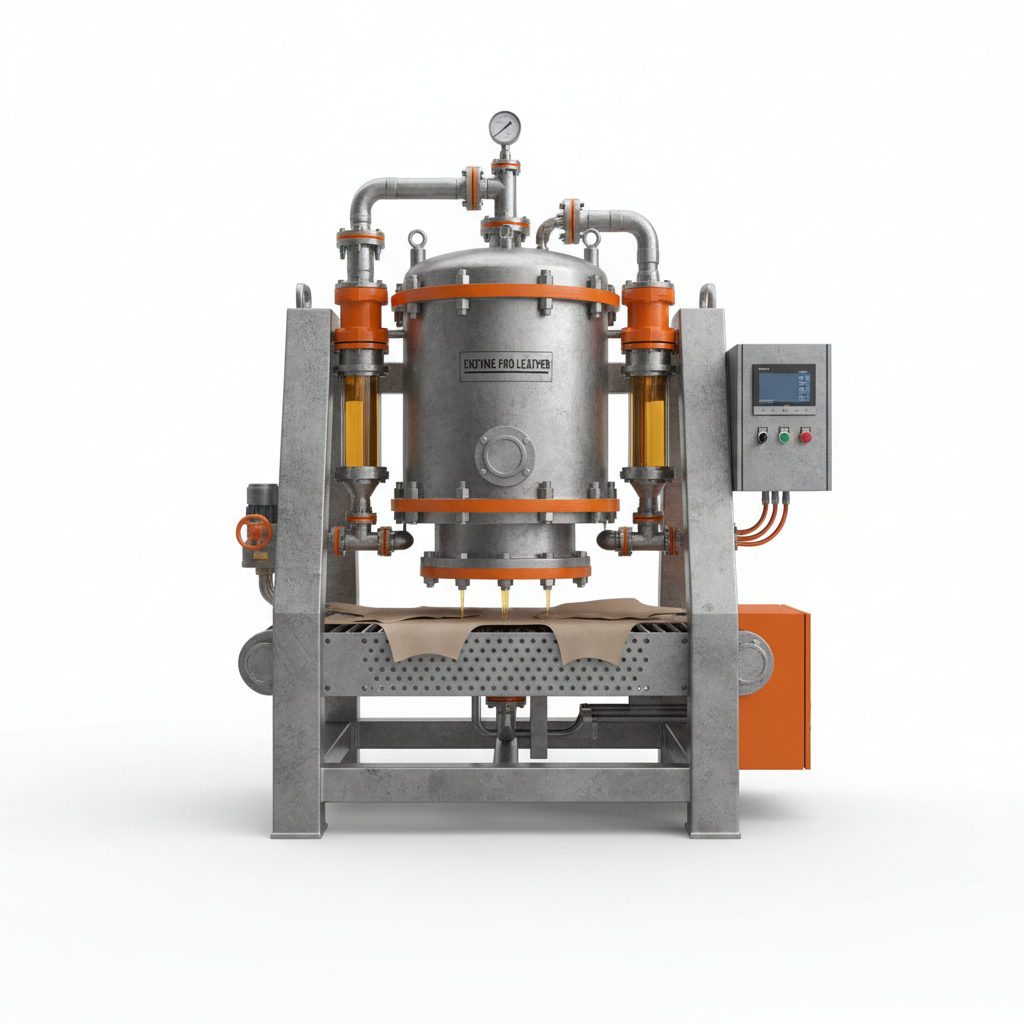
Enzymes are biological catalysts that accelerate specific chemical reactions. In leather processing, they offer a precise and controlled approach, minimizing the need for harsh chemicals. Their biodegradability makes them an environmentally responsible choice, reducing water pollution and waste. Different types of enzymes target different processes, from soaking and liming to degreasing and finishing. They work by breaking down complex molecules into simpler, more manageable components, enhancing the quality and characteristics of the leather. The use of enzymes contributes to softer, more pliable leather with improved dye uptake.
Key Benefits: Biodegradable, reduced chemical usage, improved leather quality, efficient processing, and environmentally friendly.
Specific Applications of Enzymes in the Leather Industry
The application of enzymes spans across almost every stage of leather making. Here’s a breakdown of common uses:
- Soaking: Proteases and amylases aid in the removal of dirt, grease, and non-structural proteins.
- Liming: Enzymes replace harsh chemicals like lime, reducing the environmental impact and improving fiber structure.
- Degreasing: Lipases efficiently break down fats and oils, leading to cleaner and softer leather.
- Bating: Proteases refine the leather structure, improving its softness and suppleness.
- Dyeing: Enzymes can enhance dye penetration and fixation, resulting in more vibrant and even coloration.
- Finishing: Enzymes can be used for surface modification and to improve the feel of the finished leather.
Enzyme Types Commonly Used and Their Functions
Different enzymes perform distinct tasks in leather processing. The selection of the appropriate enzyme is crucial for achieving optimal results. Here's a summary:
Comparing Traditional Tanning vs. Enzymatic Tanning
Traditionally, chromium-based tanning has been the dominant method. However, enzymatic tanning offers a compelling alternative with significant advantages.
The Future of Enzymes in Leather Processing
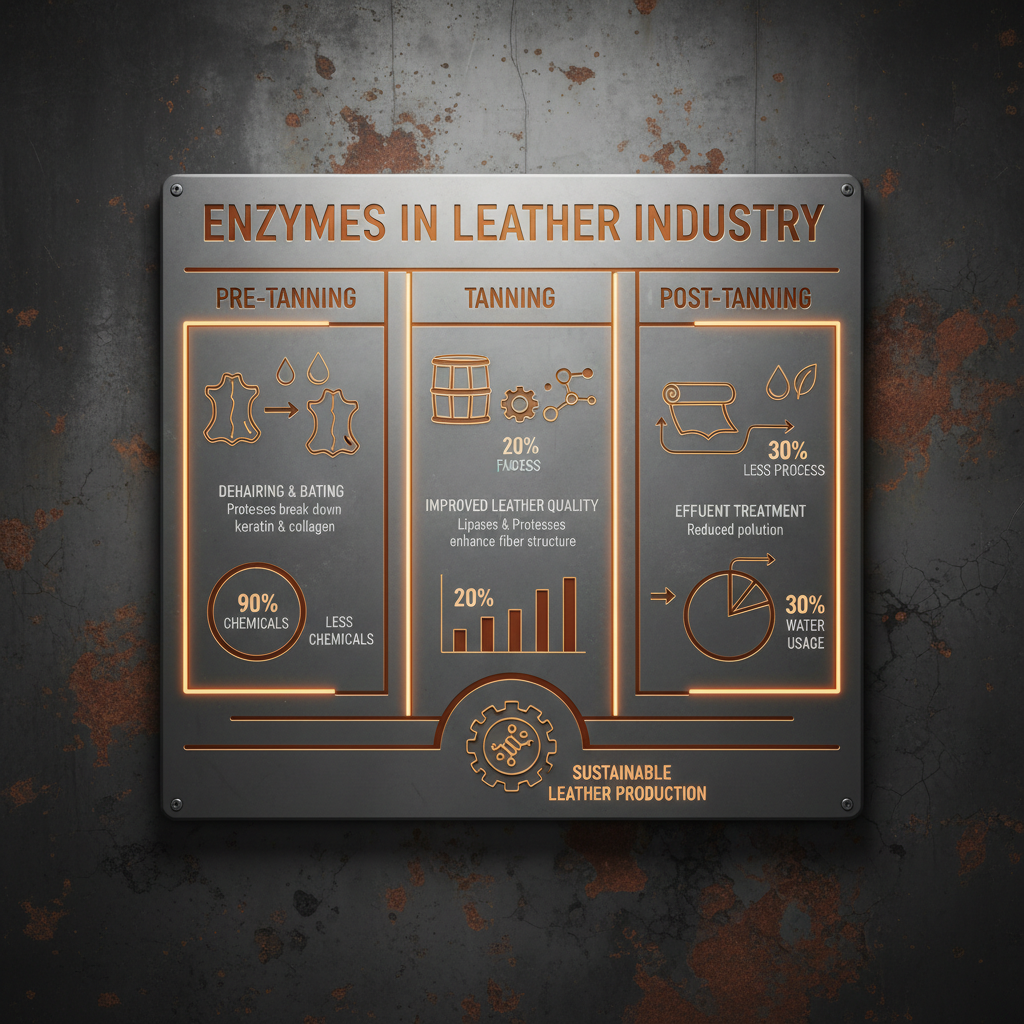
The trend towards sustainable and eco-friendly practices will continue to drive the adoption of enzymatic leather processing. Ongoing research focuses on developing more efficient and specialized enzymes, optimizing process parameters, and reducing costs. Dyeingchem is committed to providing innovative enzyme solutions that meet the evolving needs of the leather industry. Expect to see further integration of biotechnology and enzyme technology in the leather sector, leading to greener, more efficient, and higher-quality leather production.
Conclusion: Embracing Enzymatic Solutions for Sustainable Leather Production
Enzymes in the leather industry represent a crucial step towards a more sustainable and environmentally responsible future. Their ability to replace harsh chemicals, improve leather quality, and reduce waste makes them an invaluable asset. Partner with Dyeingchem to leverage the power of enzymatic technology for your leather processing operations.
Frequently Asked Questions (FAQs)
Are enzymes more expensive than traditional tanning chemicals?
While the initial cost of some enzymes can be higher, the overall cost-effectiveness often surpasses traditional methods. Enzymes reduce the need for other expensive chemicals, minimize water consumption, and decrease waste disposal costs. Furthermore, the improved leather quality resulting from enzymatic processing can command higher market prices. Life cycle cost analysis consistently demonstrates that enzymatic tanning is often economically competitive and environmentally superior.
What is the impact of enzymatic tanning on wastewater treatment?
Enzymatic tanning significantly reduces the pollutant load in wastewater. Enzymes are biodegradable, meaning they break down naturally. This eliminates the need for complex and costly wastewater treatment processes required for chromium and other harsh chemicals. The resulting wastewater is cleaner, requiring less energy and resources for purification, and minimizes the environmental impact of leather production.
Can enzymes be used for all types of leather?
Enzymes can be adapted for use with a wide range of leather types, including bovine, sheepskin, and goat leather. However, the specific enzyme formulation and process parameters may need to be adjusted based on the type of raw material and desired leather characteristics. Dyeingchem offers customized enzyme solutions tailored to your specific leather processing needs.
What are the stability considerations for using enzymes in an industrial setting?
Enzyme stability is crucial for maintaining their effectiveness. Factors like pH, temperature, and the presence of inhibitors can affect enzyme activity. It’s important to control these parameters during the tanning process. Modern enzyme formulations are designed to be robust and stable under typical leather processing conditions. Additionally, enzymes can be encapsulated or immobilized to enhance their stability and prolong their activity.