Comprehensive Guide to Industrial Fabric Dye Selection and Application
Comprehensive Guide to Industrial Fabric Dye Selection and Application
Understanding Industrial Fabric Dye: A Comprehensive Guide
The world of textile manufacturing relies heavily on effective and reliable industrial fabric dye. Selecting the right dye is critical not only for achieving the desired color but also for ensuring fabric quality, durability, and adherence to environmental standards. This article provides an in-depth exploration of industrial fabric dyes, covering their types, applications, factors influencing selection, and emerging trends. We will delve into the chemical processes and considerations necessary for successful dyeing, helping you make informed decisions for your textile operations.
Types of Industrial Fabric Dye
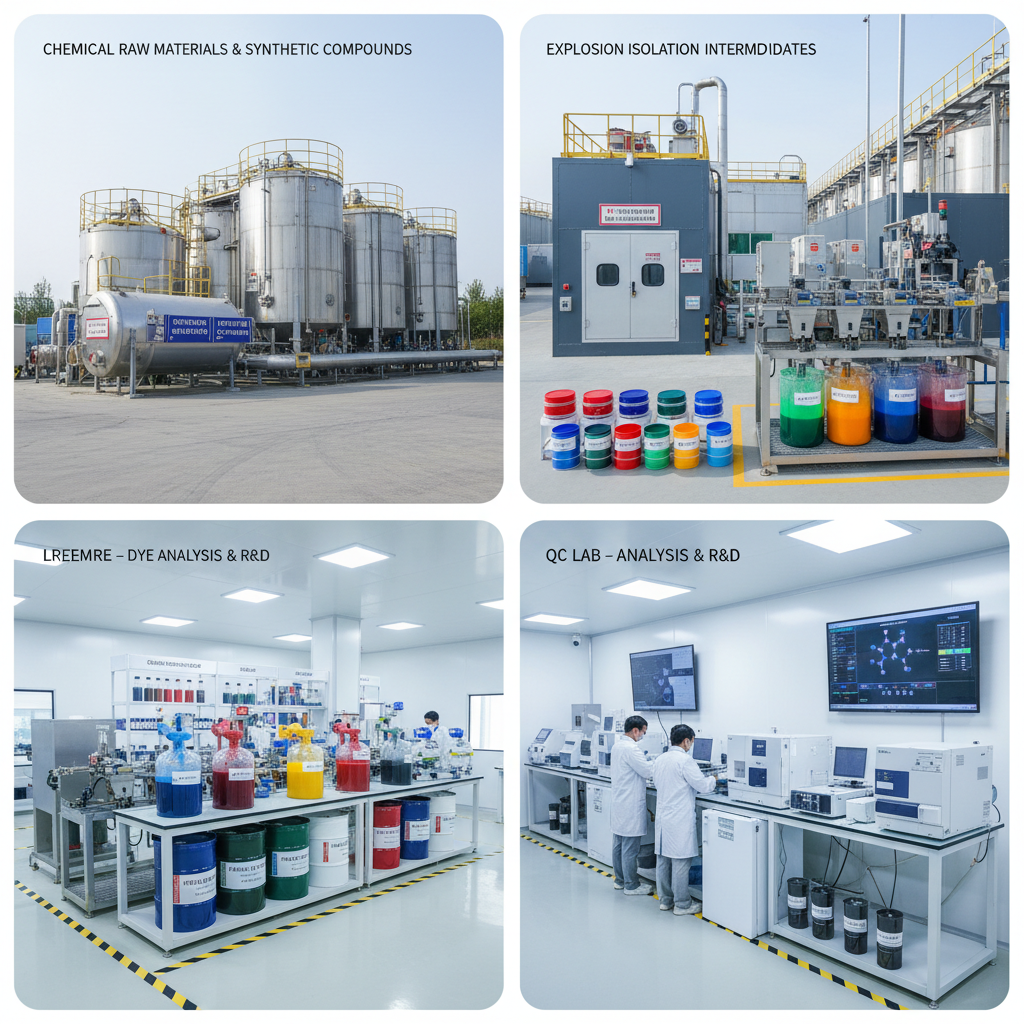
Industrial fabric dyes come in several main classes, each with unique characteristics and suited for different fabric types. These include: Reactive dyes, known for their excellent wash fastness and vibrant colors, primarily used on cellulosic fibers like cotton; Direct dyes, a cost-effective option for cotton and rayon, but generally less wash-fast; Vat dyes, offering exceptional colorfastness and used for durable workwear and military fabrics; Disperse dyes, designed for polyester and other synthetic fibers; Acid dyes, used for protein fibers like wool and silk; and Azoic dyes, creating insoluble dyes within the fabric itself for strong color.
Key Takeaway: The choice of dye depends heavily on the fabric composition and desired performance characteristics, such as wash fastness, light fastness, and color brilliance.
Factors Influencing Dye Selection
Several key factors drive the selection of the appropriate industrial fabric dye. These include the fiber content of the fabric (cotton, polyester, nylon, etc.), the desired color and shade, required colorfastness properties (resistance to washing, light, rubbing, and perspiration), cost considerations, and environmental regulations. Sustainability is increasingly important, driving demand for eco-friendly dyes and processes.
Important Considerations:
• Fiber composition dictates dye compatibility.
• Colorfastness requirements depend on the end-use application.
• Environmental impact is a growing concern.
• Budget constraints play a role in dye selection.
Reactive vs. Disperse Dyes: A Detailed Comparison
Reactive and disperse dyes are two of the most commonly used classes of industrial fabric dyes, but they are suited for very different fabrics. Reactive dyes are primarily used for cellulosic fibers like cotton, linen, and rayon, forming a covalent bond with the fiber for excellent wash fastness. Disperse dyes, on the other hand, are used for synthetic fibers like polyester and acetate, dissolving into the fiber structure. Choosing between the two depends entirely on the fabric composition.
The Growing Trend of Sustainable Dyeing
The textile industry is under increasing pressure to adopt sustainable practices, and dyeing is a major focus. This includes using dyes with lower environmental impact, reducing water consumption, and minimizing waste generation. Natural dyes, while offering environmental benefits, often lack the colorfastness and consistency of synthetic dyes. However, advancements in biotechnology and chemical engineering are leading to the development of more sustainable synthetic dyes and dyeing processes. Dyeingchem is at the forefront of these innovations, offering eco-friendly dye solutions for a more sustainable textile future.
Selecting the Right Dye Supplier
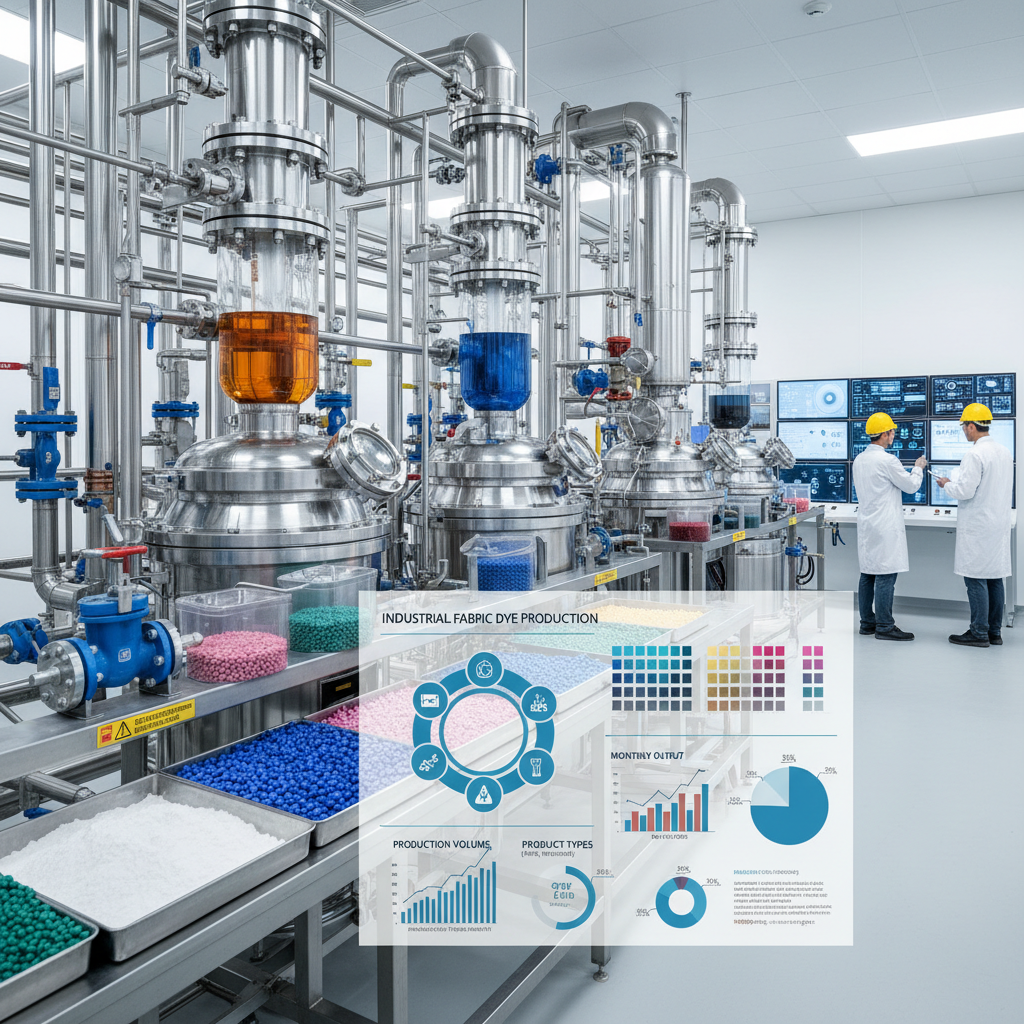
Choosing a reliable dye supplier is crucial for ensuring consistent quality, timely delivery, and technical support. Look for suppliers with a proven track record, a wide range of dye options, and strong quality control procedures. Consider suppliers who offer customized dye solutions to meet your specific needs. Technical expertise and assistance with dye application are also invaluable. Dyeingchem provides comprehensive support and a diverse portfolio of high-quality industrial fabric dyes.
Conclusion: Navigating the World of Industrial Fabric Dyes
Selecting the right industrial fabric dye is a multifaceted process requiring careful consideration of fiber type, desired properties, and environmental impact. By understanding the different dye classes, factors influencing selection, and emerging trends, you can optimize your dyeing processes for superior results and a sustainable future. Partnering with a reputable supplier like Dyeingchem ensures access to quality dyes and expert support.
Frequently Asked Questions (FAQs)
What is the difference between direct and reactive dyes?
Direct dyes are simpler to apply and generally less expensive than reactive dyes. They are applied to the fabric in a solution and bond physically, without forming a covalent bond. This results in lower wash fastness compared to reactive dyes. Reactive dyes, conversely, form a chemical bond with the fiber, making them much more resistant to washing and fading. Reactive dyes require more complex application processes and are typically used when high wash fastness is critical, like in durable garments and textiles.
How can I minimize water consumption during the dyeing process?
Several strategies can reduce water consumption in textile dyeing. These include using low liquor ratio dyeing machines, optimizing dye bath formulations to minimize dye waste, implementing water recycling and reuse systems, and adopting innovative dyeing technologies like foam dyeing or supercritical fluid dyeing. Proper pretreatment of the fabric to improve dye uptake can also reduce the amount of water needed for rinsing.
Are there any regulations regarding the use of certain dyes?
Yes, there are several regulations governing the use of certain dyes due to their potential environmental and health impacts. REACH (Registration, Evaluation, Authorization and Restriction of Chemicals) in Europe and OEKO-TEX Standard 100 are prominent examples. These regulations restrict or ban the use of certain azo dyes, formaldehyde, and other harmful substances. It is crucial for textile manufacturers to ensure that their dyes comply with these regulations to avoid legal issues and protect consumer health.
What role does pH play in the dyeing process?
pH is a critical factor in dyeing, significantly influencing dye solubility, fiber-dye interaction, and color yield. Different dyes require specific pH ranges for optimal performance. For example, reactive dyes typically require an alkaline pH, while acid dyes require an acidic pH. Maintaining the correct pH ensures proper dye exhaustion and fixation, leading to level and reproducible dyeing results. Monitoring and controlling pH throughout the dyeing process is essential for achieving desired color and fastness properties.