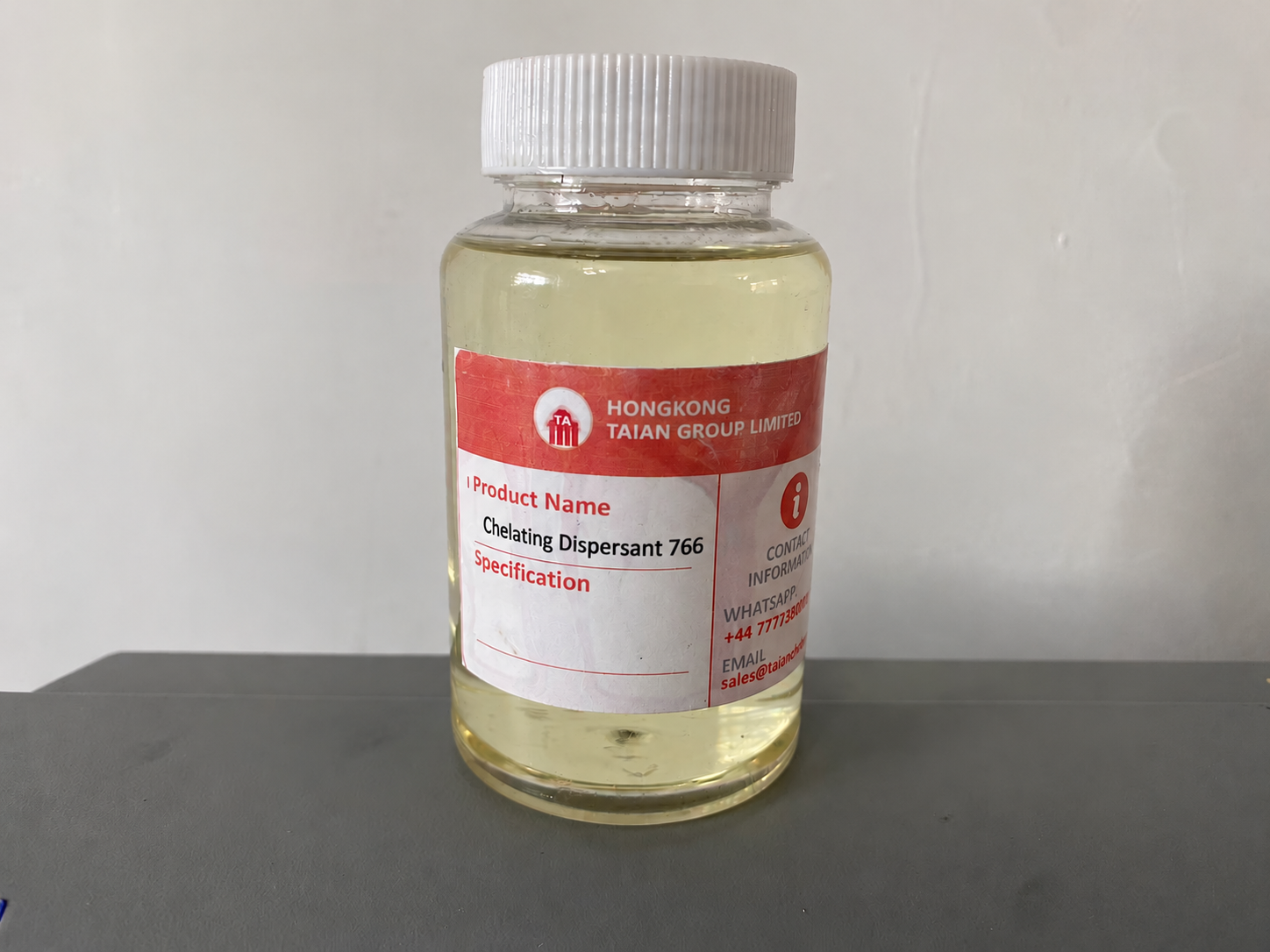
Comprehensive Guide to Dish Washing Enzyme: Benefits, Applications, and Trends
Comprehensive Guide to Dish Washing Enzyme: Benefits, Applications, and Trends
Understanding Dish Washing Enzyme: The Unsung Hero of Clean and Sustainable Living
Dish washing enzymes—maybe not the flashiest phrase in the world, but frankly, they’re a quiet revolution in how we keep our kitchens clean and our planet a bit greener. Globally, with millions of tons of grease, fat, and food residues demanding attention every day, understanding these enzymes isn’t just for scientists in white coats; it’s relevant for anyone who loves a spotless plate without guilt. These biological marvels not only break down stubborn grime but also help reduce chemical use and wastewater pollution, making them increasingly vital in tackling environmental and health challenges worldwide.
Global Context: Why Dish Washing Enzymes Matter on a Big Scale
Nearly every country on the planet grapples with effective cleaning solutions. According to estimates by the International Organization for Standardization (ISO), the global dishwasher detergent market alone is projected to surpass $10 billion in the next few years, reflecting increased demand for efficient, eco-friendly cleaning.
But here’s the rub: traditional detergents can be harsh, often leaving behind toxic residues and contributing to pollution. That’s where the dish washing enzyme steps in to soften the blow — breaking down grease and protein stains naturally, reducing the need for aggressive chemicals. This is especially vital in developing nations with limited water treatment infrastructure, where the environmental burden of cleaning agents is disproportionately high.
What Exactly is a Dish Washing Enzyme?
Simply put, dish washing enzymes are specialized proteins that catalyze the breakdown of stains like fats, starches, and proteins found on dishes and utensils. Lipases cut fats, proteases target proteins, and amylases tackle starches. These enzymes are typically derived from microorganisms using fermentation, which is quite a neat trick of modern biotechnology.
Their role in industry is more than just making your dishes sparkle; these enzymes offer an efficient, biodegradable solution that supports sustainable manufacturing and household cleaning practices, aligning well with current global environmental goals.
Core Features of Dish Washing Enzymes
1. Efficiency at Lower Temperatures
Unlike traditional chemicals that need hot water, many dish washing enzymes perform superbly in cold or warm water, saving energy—a nice bonus you don’t always hear about.
2. Biodegradability
Being protein-based, these enzymes break down naturally once their job is done, lessening chemical pollution in wastewater.
3. Compatibility
They blend well with various detergent formulations, both powder and liquid, adaptable for multiple dishwashing machines or hand-washing products.
4. Stability and Shelf Life
Modern formulations improve enzyme stability, ensuring long shelf life without losing catalytic power—a critical factor for global distribution, especially in humid or warm regions.
5. Safety
Generally non-toxic and safe to handle, they lower the risk of allergic reactions compared to harsh synthetic chemicals, which is reassuring in both homes and industrial kitchens.
Mini takeaway:
Dish washing enzymes aren’t just about cleaning power—they’re designed for efficiency, environmental care, and user safety, making them a smart choice across the board.
Global Applications & Use Cases
- Household Detergents: The most common use — enabling consumers to clean dishes effectively with less water and energy.
- Commercial Kitchens: Restaurants and hotels rely on enzyme-based products to tackle heavy grease while meeting strict hygiene standards.
- Humanitarian Relief: In disaster zones, enzyme detergents facilitate quick sanitization where water supply and wastewater treatment are limited.
- Industrial Cleaning: Food processing plants, dairies, and breweries use these enzymes to maintain cleanliness without damaging sensitive machinery.
For example, NGOs operating in Southeast Asia have noted improved sanitation outcomes when switching to enzyme-based detergent solutions in refugee camps—a practical, low-impact sanitation aid during crises.
Advantages and Long-Term Value
There’s something gratifying about using a product that’s both powerful and gentle. Dish washing enzymes help save energy by working well in cooler water, reduce environmental footprint through biodegradability, and lower health risks due to milder chemical profiles. These benefits accumulate over time, making them cost-effective both for individual consumers and large-scale users.
On a deeper level, these enzymes promote trust — a clean plate handed to a family member or guest is a subtle signal of care and safety. Innovation in detergent enzymes reflects a broader societal push towards smarter, more responsible consumption.
Product Specification Table: Typical Dish Washing Enzyme
| Feature | Specification |
|---|---|
| Enzyme Type | Lipase, Protease, Amylase blend |
| Optimal pH | 7.0 - 10.0 |
| Temperature Range | 10°C - 55°C |
| Shelf Life | 12 - 18 months (dry powder) |
| Form | Liquid or powder |
| Biodegradability | Yes |
Vendor Comparison: Leading Dish Washing Enzyme Suppliers
| Feature | Company A | Company B | Company C |
|---|---|---|---|
| Form(s) Available | Powder, Liquid | Powder Only | Liquid Only |
| Optimal pH | 7 – 10 | 8 – 9.5 | 6.5 – 9 |
| Temperature Range | 10°C – 55°C | 15°C – 50°C | 10°C – 45°C |
| Shelf Life | 12–18 months | 10–12 months | 14–16 months |
| Biodegradable | Yes | Yes | Yes |
| Price Range | $$ | $ | $$$ |
Future Trends & Innovations in Dish Washing Enzymes
Researchers are exploring genetically modified enzymes for even greater efficiency and broader temperature ranges. Green chemistry frameworks encourage enzyme blends that integrate with bio-based detergents, ensuring all ingredients break down safely. Automation is playing its part too: smart dishwashers optimize water and detergent usage based on enzyme activity sensors. Oddly enough, digital transformation in such a humble domain points to big savings and lower environmental impact ahead.
Challenges and Proposed Solutions
There are limitations—mainly around enzyme stability in varying climates and cost concerns for small manufacturers. But advances in encapsulation technology—essentially putting enzymes in tiny protective bubbles—promise to extend shelf-life drastically. Plus, bulk procurement and regional production centers are lowering costs for less affluent markets. With R&D funding from environmental agencies and industry partnerships, these challenges look manageable.
FAQ: Frequently Asked Questions About Dish Washing Enzyme
- How do dish washing enzymes differ from traditional detergents?
- Dish washing enzymes are biological catalysts that specifically break down grease, proteins, and starches, enabling cleaner dishes with less chemical use and energy. Traditional detergents rely more heavily on harsh chemicals that may need higher temperatures to work effectively.
- Can dish washing enzymes cause allergic reactions?
- While generally safe and non-toxic, some individuals may experience sensitivities, especially if exposed directly or in high concentrations. Choosing formulated products with balanced enzyme concentrations and good labeling helps minimize risks.
- Are enzyme-based detergents eco-friendly?
- Yes, enzyme-based detergents degrade more naturally in the environment and reduce the need for phosphates and other harmful chemicals, thus supporting water sustainability efforts.
- How long do these enzymes last in detergent products?
- Typically, dry powder enzyme products last 12 to 18 months if stored properly; liquid forms may last 14 to 16 months depending on preservatives and storage conditions.
- Can enzymes work in cold water?
- Many dish washing enzymes are designed to be effective in lower temperatures (10°C - 40°C), helping save energy compared to traditional hot wash cycles.
Conclusion: The Quiet Power of Dish Washing Enzymes
In real terms, dish washing enzymes bridge the gap between effective cleaning and environmental responsibility. They save energy, reduce waste, and cut down on harmful chemicals — benefits that ripple out from your sink to the broader world. For businesses large or small, savvy consumers, or even humanitarian groups operating in challenging contexts, these enzymes offer a trustworthy, forward-looking path in cleaning technology.
Ready to explore more about enzyme technologies and their industrial applications? Visit our website at https://www.dyeingchem.com for expert insights and solutions.
It’s a humble subject, but these tiny proteins pack a surprisingly big punch in sustainability and efficiency. Worth paying attention to, don’t you think?