Solid Reducing Agent | High-Purity, Fast, Safe Handling
Solid Reducing Agent | High-Purity, Fast, Safe Handling
A Field Note on the Solid Reducing Agent Changing Denim and Dark Shades
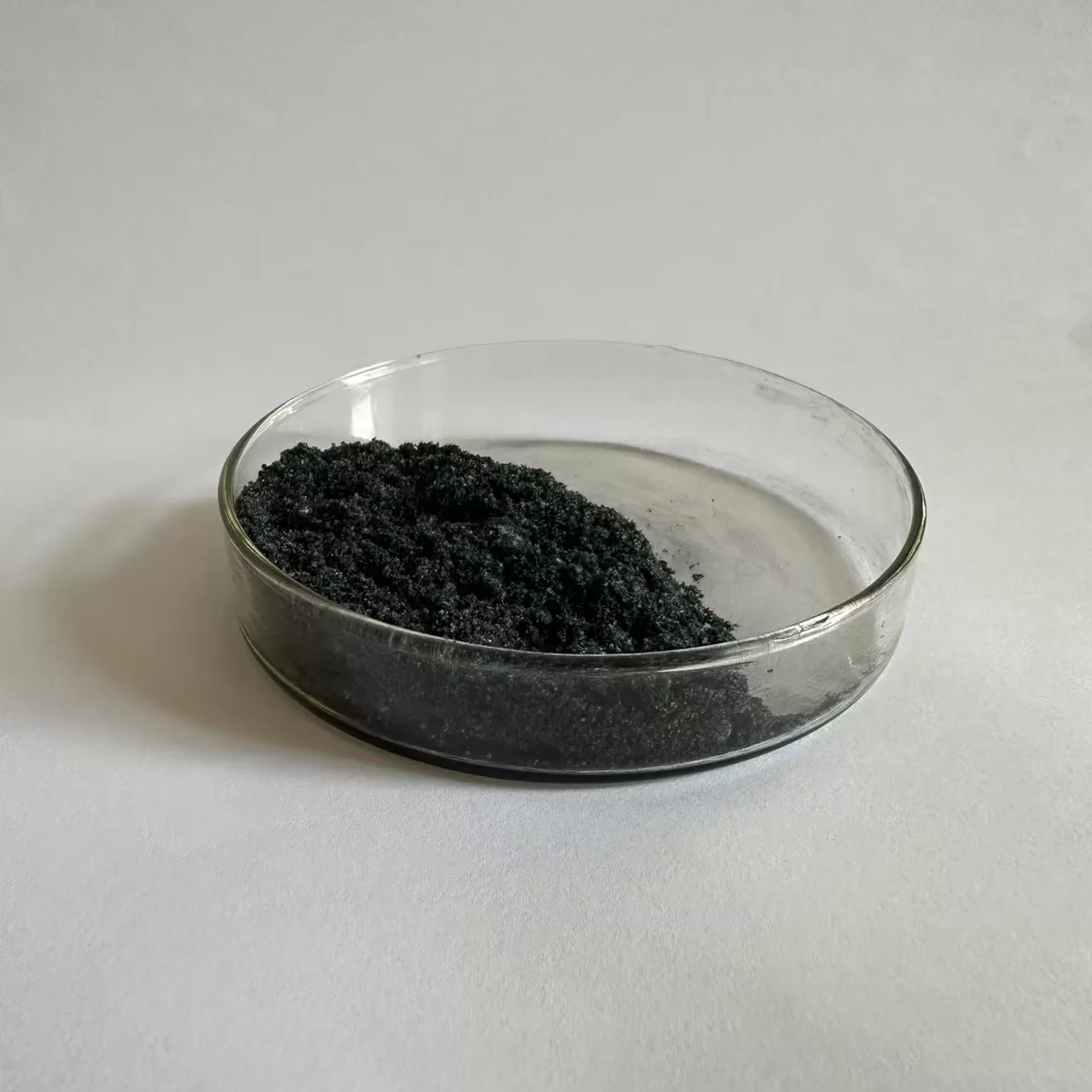
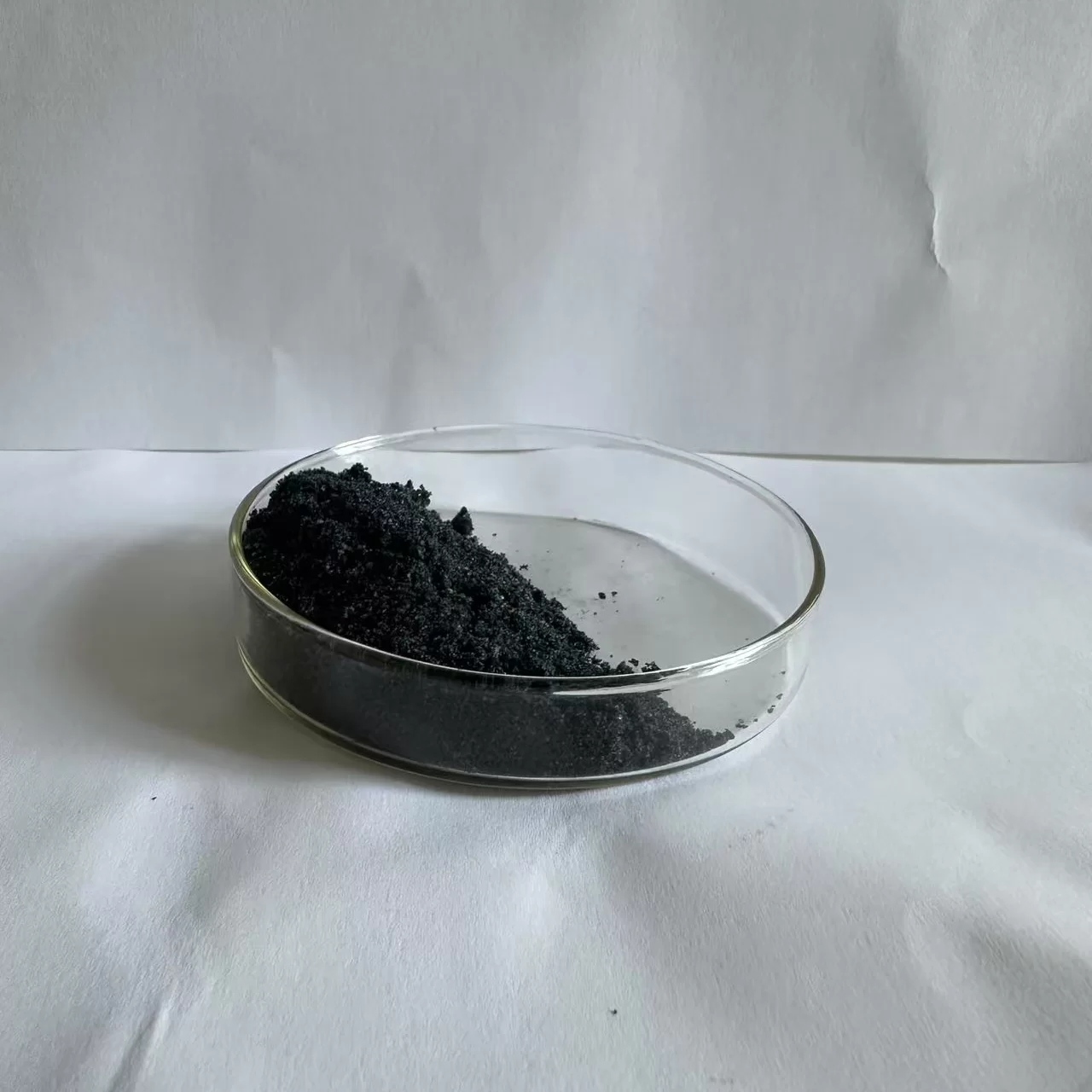
I’ve walked enough dyehouses to know: the right auxiliary is the difference between a smooth shift and a night of rework. From Han Village, Zhao County, Shijiazhuang—an old-school chemical hub in Hebei Province—comes a solid anti-oxygen agent tailored for denim, yarns, and even paper black. It’s positioned as a practical, shop-floor friendly Solid Reducing Agent that keeps shade targets steady without the drama.
What’s Going On in the Industry
Trends are pretty clear: mills are moving from volatile powders to dust-controlled granules; from high-sulfite loads to cleaner, low-odor reducers; and from guesswork to ORP-controlled dosing. Sustainability teams keep asking about ZDHC MRSL and Eco Passport, while production heads still judge by rinse clarity and crocking. A well-balanced Solid Reducing Agent quietly satisfies both.
Typical Specifications (lab values, real-world use may vary)
| Form | Free-flowing solid granules |
| Active reducing content | ≈ 88–92% |
| Moisture | ≤ 1.5% |
| 1% solution pH (25°C) | 6.0–8.0 |
| ORP drop performance | to −650 ~ −750 mV @ 60°C with standard vat/sulfur baths |
| Solubility | Excellent in warm water, low residue |
| Shelf life | 12 months sealed; cool, dry storage |
| Compliance intent | Formulated to support ZDHC MRSL conformance; Eco Passport-ready testing on request |
| Origin | Han Village, Zhao County, Shijiazhuang, Hebei, China |
Where It’s Used
- Denim indigo lines: reduction clearing, anti-redeposition, shade leveling.
- Piece dyeing and yarn dyeing with vat/sulfur systems.
- Paper dyeing for deep black tones and process deoxygenation.
- General dark-shade auxiliaries where dissolved oxygen causes back-staining.
Advantages I keep hearing from production teams: fewer “mystery” stains, stable ORP, and easier handling. The granules are less dusty—small thing, big morale boost. In fairness, extreme water hardness can still nudge dosage a bit; that’s normal.
How It’s Run (practical flow)
- Materials: water at 40–60°C, Solid Reducing Agent, alkali as needed, wetting agent (optional).
- Dissolve: make 10–20 g/L stock; stir 5–10 min until clear.
- Dose: 0.5–2.0 g/L for clearing; 2–6 g/L for heavy sulfur/vat builds—tune by ORP.
- Control: target bath ORP −650 to −720 mV; pH 9–11 for sulfur/vat systems.
- Run: 10–20 min at 60–80°C; then rinse, neutralize if required, proceed to soaping.
- Test: quick check with AATCC/ISO fastness methods; titration for residual reducing power.
Sample lab data: at 1 g/L in 60°C hard water (150 ppm as CaCO3), ORP dropped from +180 mV to −670 mV in ≈3 minutes; rinse turbidity decreased ≈18% versus baseline hydrosulfite clearing. Your mileage may vary with liquor ratio and fabric load.
Vendor Snapshot (quick comparison)
| Vendor/Type | Form | Active ≈ | Odor | ZDHC Intent | Notes |
|---|---|---|---|---|---|
| Hebei solid anti-oxygen agent | Granules | 90% | Low | Yes (testing advised) | Stable ORP, low dust |
| Generic sodium hydrosulfite | Powder | 85–88% | Medium–High | Variable | Good cost, higher dust |
| Blended liquid reducer | Liquid | 35–50% | Low | Often yes | Easy dosing, higher freight |
Customization, Life, and Tests
- Customization: particle size, anti-caking, dust-suppressed coating, tailored ORP curve.
- Service life: 12 months sealed; avoid humidity and heat to protect reducing strength.
- Quality checks: ORP profiling; iodometric titration; color fastness per ISO 105-C06/X12 or AATCC 61/8; restricted-substance screens per ZDHC MRSL.
Quick Case Notes
Denim mill, South Asia: Switched to this Solid Reducing Agent on rope dye clearing. Result: ≈14–18% shorter clearing time, fewer back-stain complaints, and more predictable −680 mV setpoint. Operator comment: “Less fiddling with the valves—nice.”
Paper mill, EU: For deep black dyeing, dissolved oxygen suppression improved tone uniformity; COD in final rinse dipped ≈7% after recipe retune. To be honest, the rinse water looked cleaner.
Certifications and Standards to Reference
Buyers often ask for MRSL and Eco Passport evidence. Reasonable. Check third-party test reports, plus fastness per ISO/AATCC. If you’re scaling up, lock dosing to ORP and verify with periodic titration—it saves late-night shade fixes.
- ISO 105-C06: Textiles — Tests for colour fastness — Colour fastness to domestic and commercial laundering
- ISO 105-X12: Textiles — Colour fastness to rubbing
- AATCC 61/8: Colorfastness to Laundering and Crocking (AATCC methods)
- ZDHC MRSL (current version): Manufacturing Restricted Substances List
- OEKO-TEX Eco Passport: Chemical input verification