Understanding Reducing Agent vs Oxidizing Agent in Chemical Processes
Understanding Reducing Agent vs Oxidizing Agent in Chemical Processes
Reducing Agent vs. Oxidizing Agent: A Comprehensive Guide
In the realm of chemistry, understanding the roles of reducing agents and oxidizing agents is fundamental. These agents are critical in a wide array of industrial processes, particularly in dyeing, textile manufacturing, and chemical synthesis. This article will explore the core differences between these two types of chemical substances, outlining their functions, examples, and significance in various applications. Grasping these concepts is vital for anyone working within these industries to ensure efficient and safe chemical processes.
What is an Oxidizing Agent?
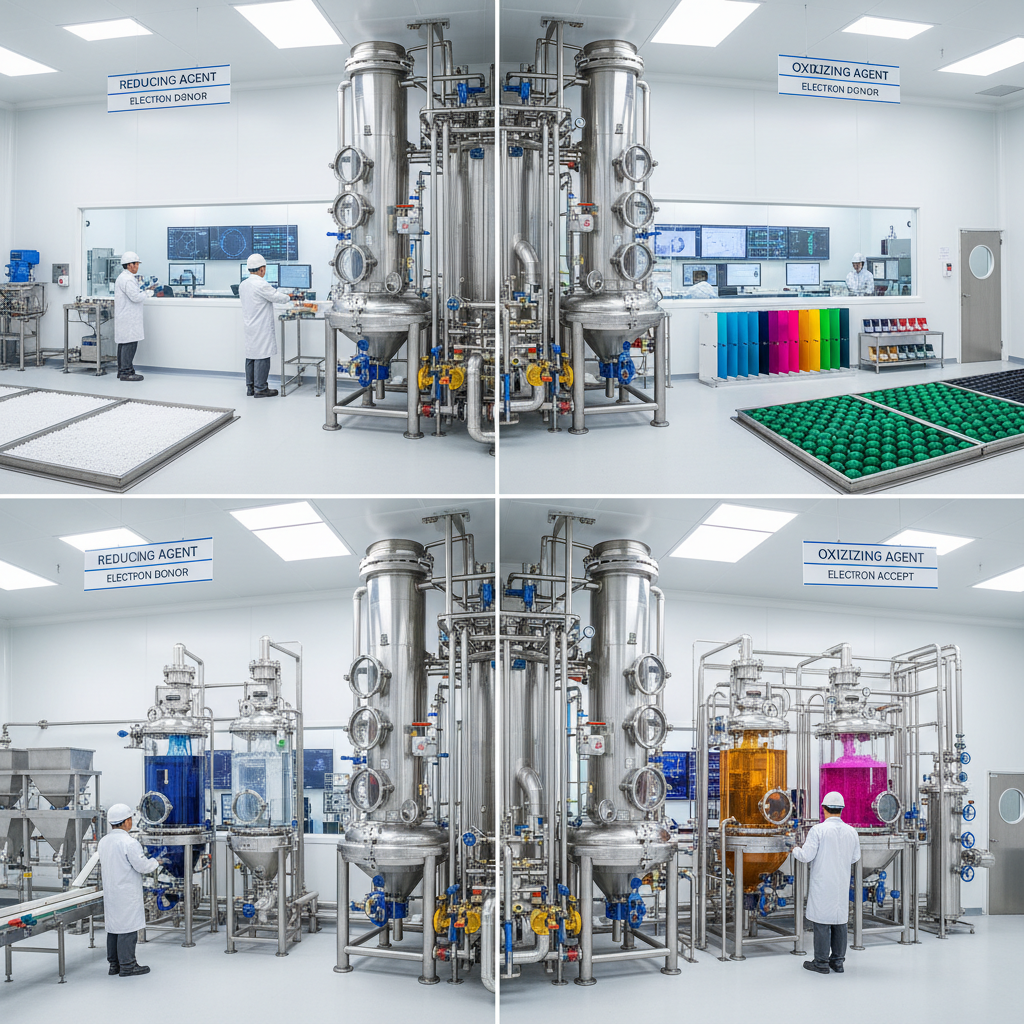
An oxidizing agent, also known as an oxidant, is a substance that gains electrons from another substance in a redox (reduction-oxidation) reaction. Essentially, it causes another substance to be oxidized. Oxidizing agents themselves are reduced in the process. Common examples include oxygen, chlorine, and potassium permanganate. These agents are widely used for bleaching, disinfection, and various chemical syntheses. The strength of an oxidizing agent is determined by its ability to accept electrons – a higher electronegativity generally indicates a stronger oxidizing agent. Dyeingchem provides a range of oxidizing agents tailored for diverse industrial applications.
Key Takeaway: Oxidizing agents accept electrons, causing oxidation in another substance, and become reduced in the process.
What is a Reducing Agent?
Conversely, a reducing agent, or reductant, is a substance that donates electrons to another substance in a redox reaction. This donation causes the other substance to be reduced. Reducing agents are oxidized themselves during this process. Common examples include metals like zinc and iron, as well as compounds like sodium borohydride. Reducing agents are crucial in processes like metal refining, photography, and, notably, the reduction of dyes to allow for their fixation on fabrics. Dyeingchem offers a variety of reducing agents optimized for efficient dye reduction and consistent results.
Reducing Agent Benefits:
• Donates electrons, causing reduction in another substance
• Essential for dye fixation and metal refining
• Undergoes oxidation in the process
Reducing Agent vs. Oxidizing Agent: Key Differences
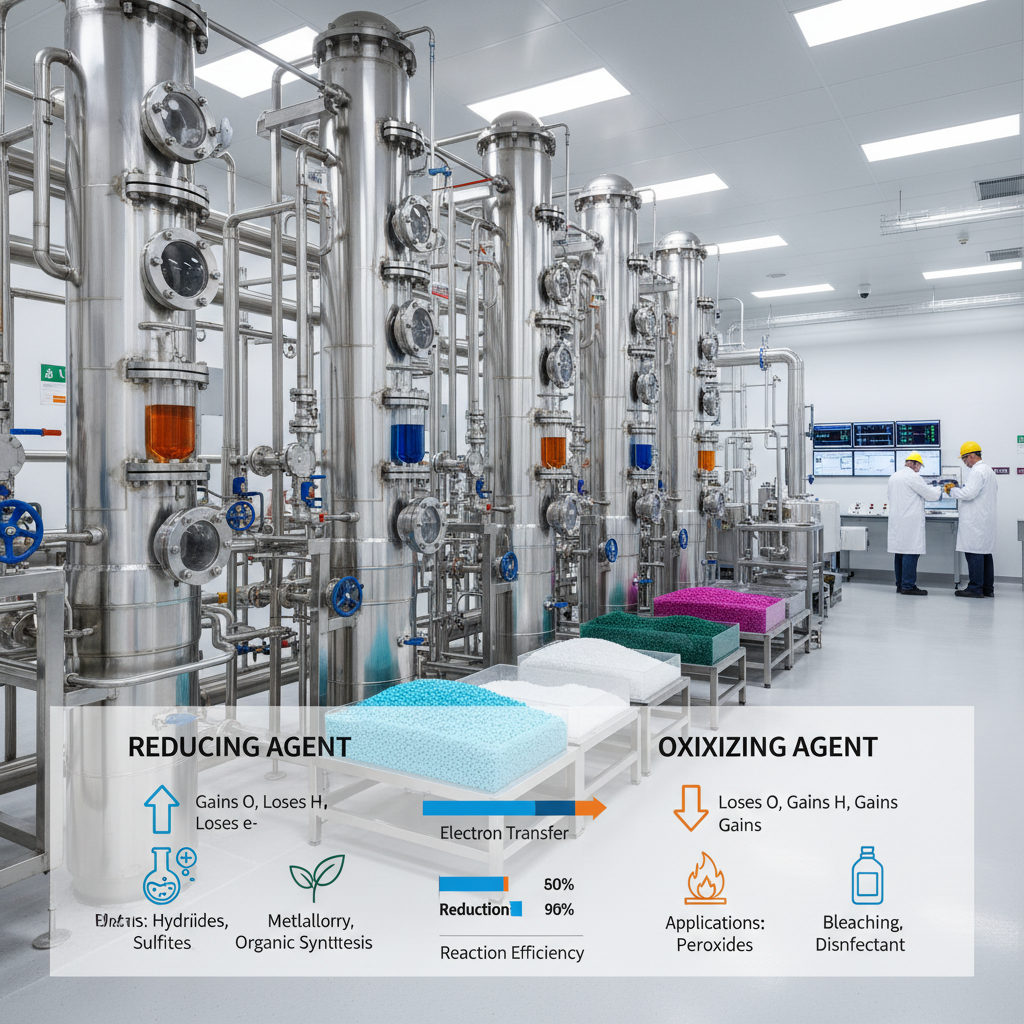
The fundamental difference between reducing and oxidizing agents lies in their electron behavior. Oxidizing agents accept electrons, while reducing agents donate them. This difference dictates their respective roles in chemical reactions. Understanding this interaction is crucial for controlling reaction rates and achieving desired product outcomes. It is important to remember that reduction and oxidation always occur simultaneously; one substance cannot be reduced without another being oxidized.
Applications in the Dyeing Industry
Both reducing and oxidizing agents play crucial roles in the dyeing process. Reducing agents are often used to convert insoluble dyes into their soluble leuco form, allowing them to penetrate the fabric fibers. Subsequently, an oxidizing agent is employed to re-oxidize the dye back to its insoluble form, effectively trapping it within the fabric and resulting in a colorfast dye. The correct selection and concentration of these agents are paramount to achieving optimal color intensity, evenness, and durability. Dyeingchem specializes in providing tailored chemical solutions for this process, ensuring high-quality dyeing results.
Safety Considerations and Handling
Both reducing and oxidizing agents can be hazardous if not handled correctly. Oxidizing agents can react violently with combustible materials, posing a fire hazard. Reducing agents can be corrosive and may release flammable gases upon contact with water. Therefore, proper personal protective equipment (PPE), including gloves, goggles, and respirators, should always be worn when handling these chemicals. It’s vital to store them in appropriately labeled containers, away from incompatible substances, and follow all safety guidelines outlined in the Material Safety Data Sheet (MSDS). Refer to Dyeingchem’s resources for detailed safety information on our products.
Conclusion
Understanding the difference between reducing agents and oxidizing agents is critical for success in many industrial applications, particularly in dyeing and chemical synthesis. Proper application of these agents requires a strong understanding of their functions and safety considerations. Dyeingchem is dedicated to providing high-quality chemical solutions and expert support to help you achieve optimal results.
Frequently Asked Questions (FAQs)
What are some common industrial uses for reducing agents beyond dyeing?
Reducing agents find extensive use in metal refining, where they are used to extract metals from their ores. They are also vital in photography for developing film, in the food industry as preservatives, and in the production of various chemicals, including plastics and pharmaceuticals. Their ability to donate electrons makes them invaluable in processes requiring the conversion of one chemical form to another. They are also used in wastewater treatment to remove pollutants like nitrates.
Can oxidizing agents be used for water purification?
Yes, oxidizing agents like chlorine and ozone are commonly used for water purification. They disinfect water by killing bacteria and viruses, making it safe for drinking and other uses. However, the use of oxidizing agents in water treatment needs to be carefully controlled to avoid the formation of harmful byproducts. The concentration and contact time are critical factors in ensuring effective disinfection without compromising water quality.
What are the potential dangers of mixing reducing and oxidizing agents?
Mixing reducing and oxidizing agents can result in a rapid and exothermic (heat-releasing) reaction, potentially leading to fires, explosions, or the release of toxic gases. The intensity of the reaction depends on the concentration and strength of the agents involved. It is absolutely crucial to avoid mixing these chemicals unless specifically instructed to do so by a qualified professional and under controlled conditions. Always consult the MSDS for specific hazard information.