Comprehensive Strong Reducing Agent List For Chemical Applications
Comprehensive Strong Reducing Agent List For Chemical Applications
Strong Reducing Agent List: A Comprehensive Guide
Understanding strong reducing agents is crucial in various chemical applications, from industrial processes to laboratory research. These agents play a vital role in donating electrons and facilitating reduction reactions. This article provides a detailed overview of commonly used strong reducing agents, their properties, applications, and safety considerations. Selecting the right reducing agent is critical for achieving desired outcomes and ensuring process safety. We'll explore a diverse range of options and their suitability for different scenarios.
What are Strong Reducing Agents?
A strong reducing agent readily donates electrons to another chemical species, causing its reduction. The strength of a reducing agent is typically assessed by its reduction potential. A more negative reduction potential indicates a stronger reducing agent. These agents are integral in numerous chemical reactions, including metal extraction, organic synthesis, and analytical chemistry. They are used to restore materials to their original state, remove oxygen from compounds, and facilitate specific chemical transformations. Understanding the principles behind reducing agents is fundamental to many scientific and industrial applications.
Key Characteristics: Strong reducing agents have a high tendency to lose electrons, leading to a negative reduction potential. They are used to cause other substances to be reduced.
Common Strong Reducing Agents and Their Applications
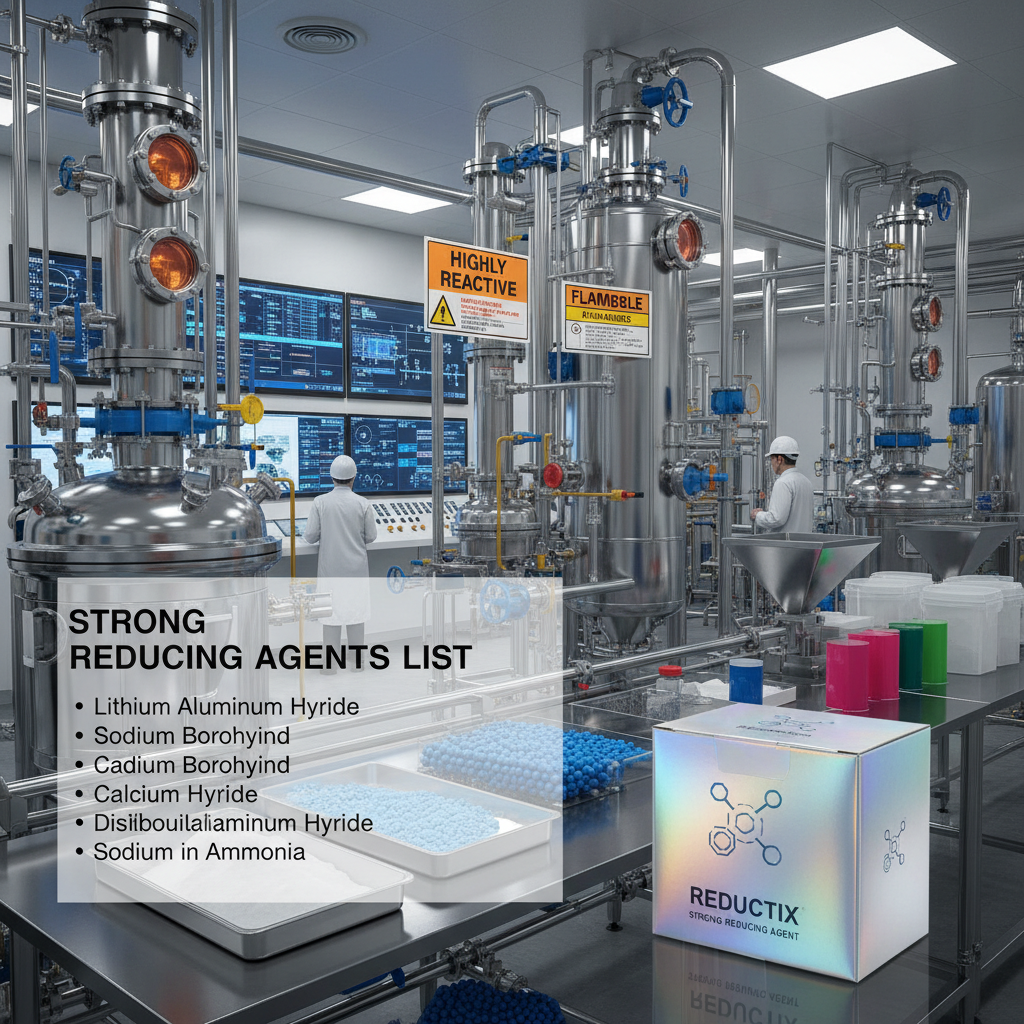
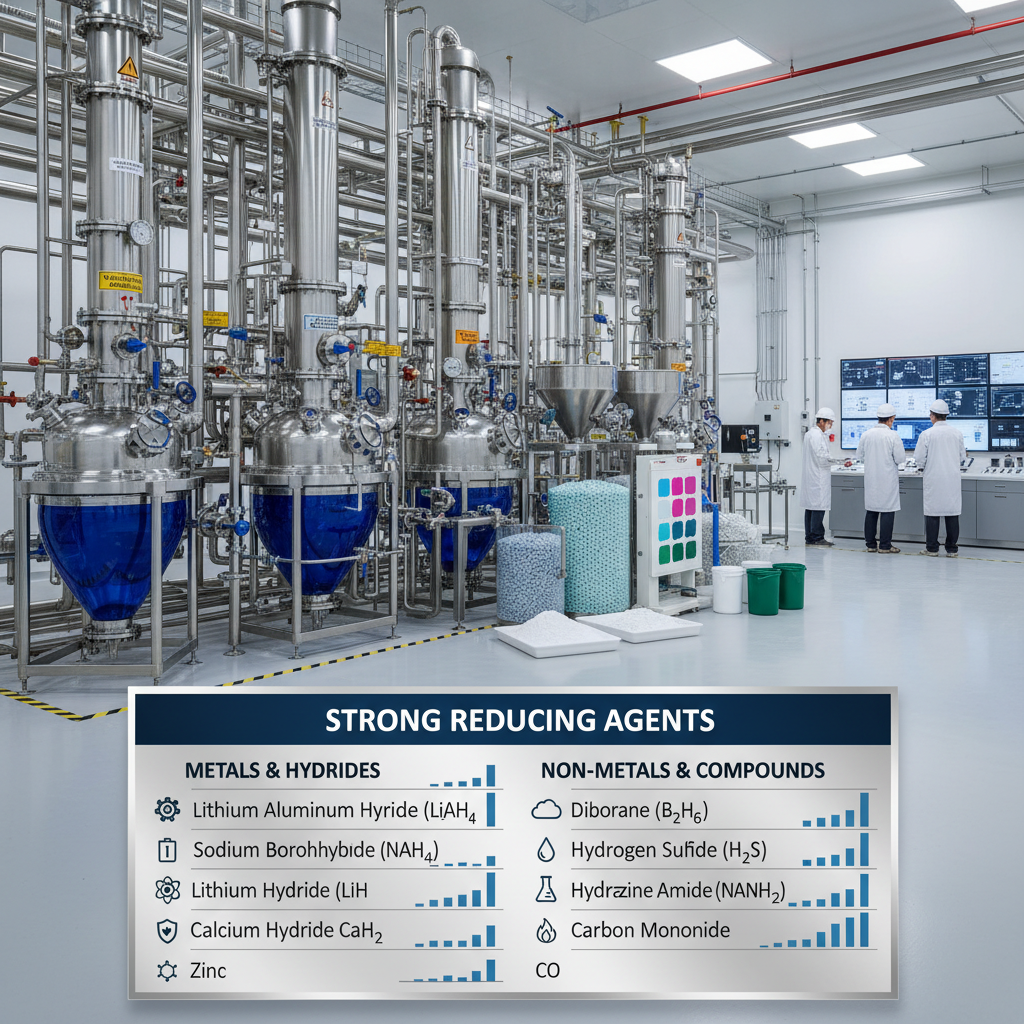
Several compounds stand out as potent reducing agents. Lithium aluminum hydride (LiAlH₄) is exceptionally strong and used in organic chemistry to reduce various functional groups. Sodium borohydride (NaBH₄) is a milder reducing agent, often employed for reducing aldehydes and ketones. Metallic hydrides like LiAlH₄ require careful handling due to their reactivity with water. Other important reducing agents include hydrazine, formic acid, and various metal ions in their lower oxidation states. The choice of reducing agent depends on the specific reaction requirements and the desired selectivity.
Reducing Agent Considerations:
• Strength of reduction: Determined by reduction potential.
• Selectivity: Ability to reduce specific functional groups.
• Safety: Reactivity and handling precautions.
• Cost and availability
A Comparison of Popular Strong Reducing Agents
Selecting the correct reducing agent requires considering the specific requirements of the reaction. Each agent boasts distinct strengths and weaknesses. For example, LiAlH₄ is more powerful but also more hazardous than NaBH₄. Understanding their properties and applications is crucial for successful chemical synthesis. The table below outlines the key characteristics of several common reducing agents:
Safety Considerations When Handling Reducing Agents
Strong reducing agents can be hazardous if not handled correctly. Many react violently with water, air, or oxidizing agents. Lithium aluminum hydride, in particular, is pyrophoric and can ignite spontaneously in air. Proper personal protective equipment (PPE), including gloves, eye protection, and lab coats, must always be worn. Work should be conducted in a well-ventilated area or under a fume hood. It is essential to understand the specific hazards of each reducing agent before use and to follow appropriate safety protocols. Always consult the Safety Data Sheet (SDS) before using any chemical.
Applications in the Dyeing and Chemical Industry
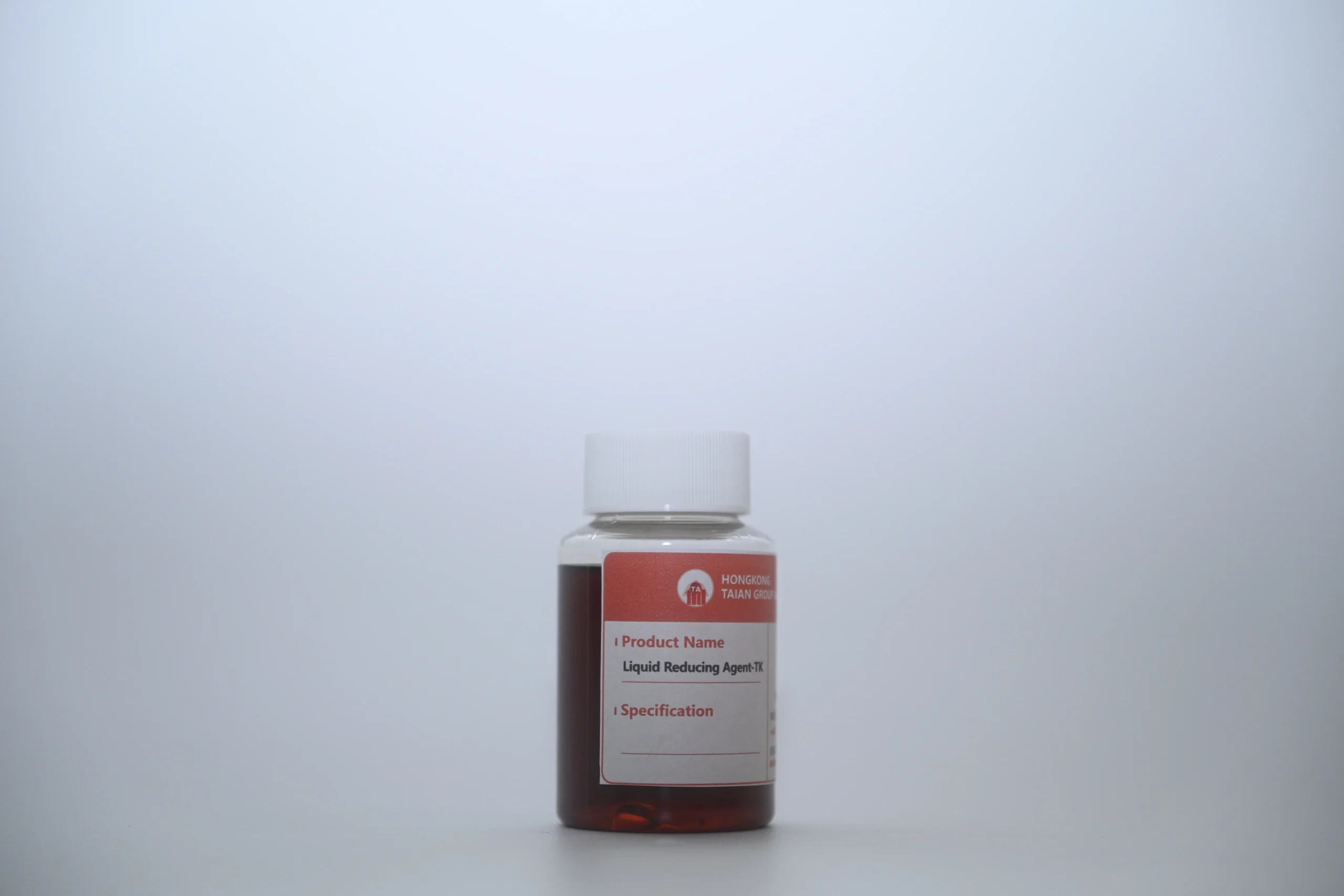
At DyeingChem, we understand the critical role of strong reducing agents in various chemical processes, particularly in the dyeing industry. They are essential for developing color, fixing dyes onto fabrics, and removing unwanted oxidation products. We provide high-quality reducing agents tailored to meet the specific needs of our clients. Our products ensure consistent and reliable performance, optimizing dyeing processes and achieving vibrant, long-lasting colors. We cater to a wide array of industrial requirements, delivering both standard and customized solutions.
Conclusion: Choosing the Right Reducing Agent
The selection of a strong reducing agent hinges on a nuanced understanding of its properties, applications, and safety considerations. By carefully assessing your specific needs and prioritizing safety, you can leverage these powerful chemicals to achieve optimal results. At DyeingChem, we are committed to providing high-quality reducing agents and expert support to ensure your success.
Frequently Asked Questions (FAQs)
What are the key differences between LiAlH₄ and NaBH₄?
Lithium aluminum hydride (LiAlH₄) is a much stronger reducing agent than sodium borohydride (NaBH₄). LiAlH₄ can reduce a wider range of functional groups, including carboxylic acids, esters, and amides, while NaBH₄ is typically limited to aldehydes and ketones. However, LiAlH₄ is significantly more reactive and requires anhydrous conditions, presenting greater safety challenges. NaBH₄ is milder, easier to handle, and can be used in protic solvents like water or alcohols. The choice between the two depends on the specific reduction required and safety considerations.
How should strong reducing agents be stored?
Strong reducing agents should be stored in a cool, dry, and well-ventilated area, away from incompatible materials such as oxidizers, acids, and water. Containers should be tightly sealed to prevent exposure to air and moisture. Lithium aluminum hydride and similar pyrophoric reagents require storage under an inert atmosphere (e.g., argon or nitrogen). Always consult the Safety Data Sheet (SDS) for specific storage recommendations for each reducing agent. Proper storage is essential to maintain the agent’s effectiveness and prevent hazardous reactions.
What is the role of reducing agents in textile dyeing?
In textile dyeing, reducing agents like sodium hydrosulfite (dithionite) are commonly used to reduce insoluble dyes into their soluble leuco forms. This allows the dye to penetrate the textile fibers effectively. After penetration, the reducing agent is typically removed or oxidized to regenerate the insoluble dye within the fiber, resulting in a permanent color. Reducing agents also help in removing residual dyes and impurities from fabrics during the washing process. DyeingChem offers a range of high-quality reducing agents specifically designed for textile dyeing applications.
What are the environmental considerations when using reducing agents?
Some reducing agents can have environmental impacts if not handled responsibly. For example, the use of sodium hydrosulfite generates sulfite and sulfate waste, which can contribute to water pollution. Proper waste treatment and disposal methods are crucial. Increasingly, there's a focus on developing and utilizing more environmentally friendly reducing agents and optimizing processes to minimize waste generation. DyeingChem is committed to providing sustainable solutions and assisting clients in adopting environmentally responsible practices.