Understanding the Roles of Oxidizing Agent and Reducing Agent in Chemical Reactions
Understanding the Roles of Oxidizing Agent and Reducing Agent in Chemical Reactions
Understanding Oxidizing and Reducing Agents in Chemical Processes
In the realm of chemistry, particularly in industries like dyeing, textiles, and water treatment, understanding oxidizing agents and reducing agents is fundamental. These agents play crucial roles in numerous chemical reactions, influencing the outcome and efficiency of various processes. This article will delve into the concepts of oxidation-reduction (redox) reactions, the characteristics of these agents, their applications, and safety considerations. Whether you're a chemist, textile professional, or simply curious about the science behind these reactions, this guide will provide a comprehensive overview.

What are Oxidizing and Reducing Agents?
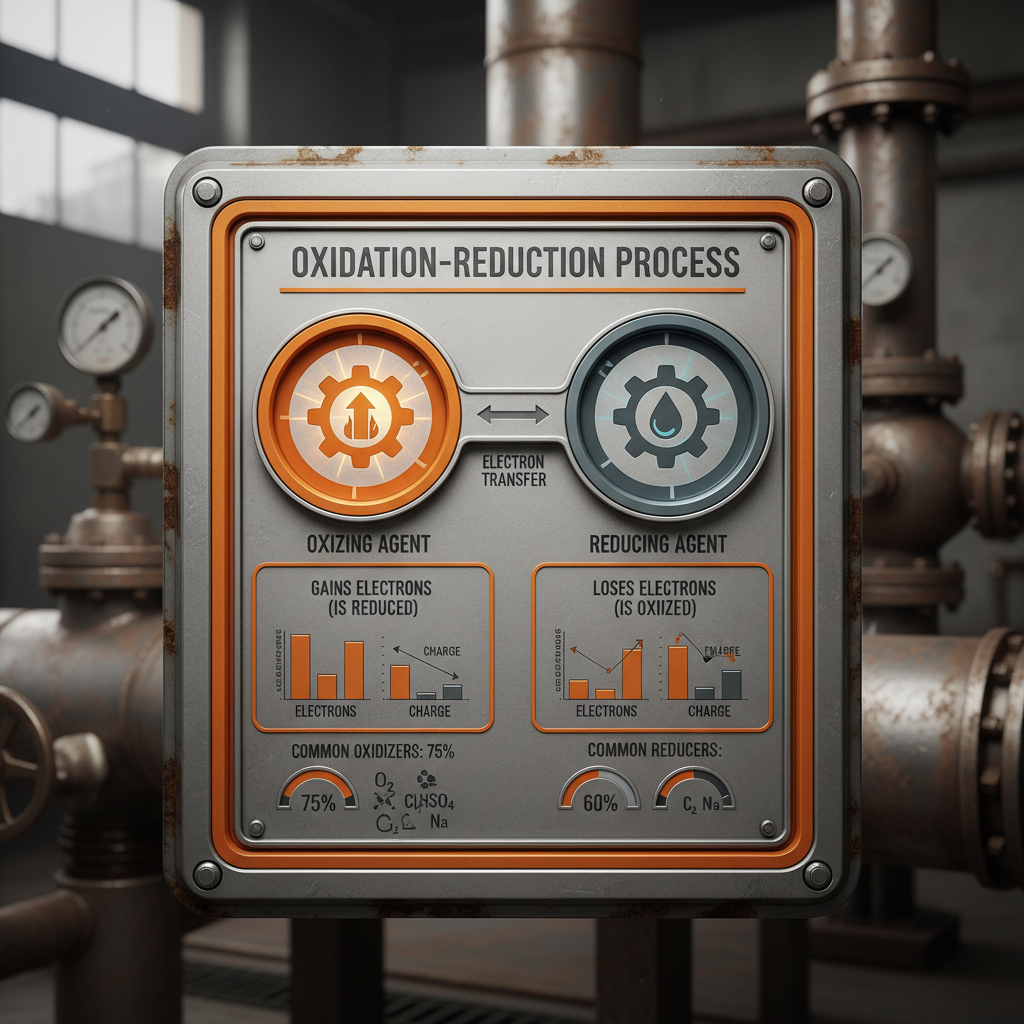
An oxidizing agent is a substance that gains electrons from another substance during a chemical reaction, causing the oxidation of the other substance. Conversely, a reducing agent is a substance that loses electrons to another substance, causing the reduction of the other substance. These processes always occur simultaneously; one substance cannot be oxidized without another being reduced – this is known as a redox reaction. Common oxidizing agents include oxygen, chlorine, and hydrogen peroxide, while reducing agents include metals, hydrogen, and various organic compounds. Understanding these roles is critical in controlling and optimizing chemical processes in various applications.
Key Takeaway: Redox reactions involve the transfer of electrons between substances, with oxidizing agents accepting electrons and reducing agents donating them.
Common Oxidizing Agents and Their Applications
Several compounds serve as effective oxidizing agents in various industrial processes. For example, hydrogen peroxide (H₂O₂) is widely used in bleaching textiles and disinfecting wastewater. Potassium permanganate (KMnO₄) is utilized in water treatment for removing iron and manganese. Chlorine (Cl₂) is a common disinfectant and bleaching agent in the pulp and paper industry. The choice of oxidizing agent depends on the specific application, desired reaction rate, and safety considerations. DyeingChem provides a range of high-quality oxidizing agents tailored to meet diverse industrial needs.
Examples of Oxidizing Agents and Uses:
• Hydrogen Peroxide (H₂O₂): Bleaching, disinfection.
• Potassium Permanganate (KMnO₄): Water treatment, oxidation of organic compounds.
• Chlorine (Cl₂): Disinfection, bleaching, PVC production.
Comparing Oxidizing and Reducing Agents
The fundamental difference between oxidizing and reducing agents lies in their ability to accept or donate electrons. Oxidizing agents facilitate the loss of electrons from another species, while reducing agents provide electrons to another species. This difference dictates their applications and how they interact with other chemicals. For instance, in the dyeing industry, reducing agents are often used to convert insoluble dyes into soluble leuco forms, allowing them to penetrate fabric fibers. Understanding these contrasting roles is crucial for controlling the chemical processes and achieving the desired results.
Applications of Reducing Agents in Industrial Processes
Reducing agents find extensive use in various industrial applications, including metal refining, photography, and organic synthesis. In the textile industry, sodium dithionite (Na₂S₂O₄) is a commonly used reducing agent for vat dyeing, converting insoluble dyes into a soluble form for fabric penetration. In metalworking, reducing agents are used to extract metals from their ores. Hydrogen (H₂) is a vital reducing agent in the petrochemical industry. The selection of a suitable reducing agent is crucial for maximizing efficiency and minimizing environmental impact.
Safety Considerations When Handling Oxidizing and Reducing Agents
Both oxidizing and reducing agents can be hazardous if not handled properly. Oxidizing agents can cause fires or explosions when in contact with combustible materials. Reducing agents may react violently with water or air, releasing flammable gases. It is crucial to follow strict safety protocols, including wearing appropriate personal protective equipment (PPE), such as gloves, goggles, and respirators. Proper storage and ventilation are also essential. Always consult the Safety Data Sheet (SDS) for specific hazard information and handling instructions. DyeingChem is committed to providing safe and reliable chemical products, along with comprehensive safety information.
Conclusion: Mastering Redox Chemistry for Industrial Success
A thorough understanding of oxidizing and reducing agents is critical for optimizing chemical processes and ensuring safety. By correctly applying these principles, industries can enhance efficiency, reduce waste, and achieve superior product quality. Investing in quality chemicals and prioritizing safety protocols are essential steps toward sustainable and successful operations.
Frequently Asked Questions (FAQs)
What are the main differences between oxidation and reduction?
Oxidation involves the loss of electrons, resulting in an increase in oxidation state, while reduction involves the gain of electrons, leading to a decrease in oxidation state. These processes always occur together in a redox reaction. Oxidation can be visualized as a substance becoming more positive or losing electrons, while reduction is the opposite – gaining electrons and becoming more negative. Understanding these fundamental definitions is key to grasping the role of oxidizing and reducing agents.
How do I choose the right oxidizing agent for a specific application?
Selecting the right oxidizing agent depends on factors like the reactivity of the substance being oxidized, the desired reaction rate, and safety considerations. Stronger oxidizing agents are more reactive but also pose greater hazards. The specific application and the nature of the substances involved dictate the most appropriate choice. Consider factors like cost, environmental impact, and ease of handling when making your selection.
What are some common safety precautions when working with reducing agents?
When handling reducing agents, always wear appropriate PPE, including gloves, goggles, and respirators. Avoid contact with water, air, and incompatible materials, as these can cause violent reactions. Ensure adequate ventilation in the work area. Store reducing agents in a cool, dry place away from flammable materials. Always consult the SDS for specific safety instructions before handling any reducing agent.