Optimizing Poultry Health and Performance with Enzyme for Poultry Feed
Optimizing Poultry Health and Performance with Enzyme for Poultry Feed
Enhancing Poultry Health with Enzyme for Poultry Feed
Optimizing poultry feed is crucial for maximizing growth, improving nutrient absorption, and reducing digestive issues. A key component in achieving this is the inclusion of enzyme for poultry feed. These enzymes play a vital role in breaking down complex carbohydrates, proteins, and fats, making them more accessible for the birds. This article will explore the benefits of using enzymes in poultry feed, the different types available, factors influencing their effectiveness, and how to choose the right enzyme solution for your flock. Investing in quality enzyme supplementation is an investment in the health and profitability of your poultry operation.
Understanding the Benefits of Enzyme Supplementation
The inclusion of enzyme for poultry feed offers a multitude of advantages. Primarily, enzymes improve nutrient digestibility, leading to better feed conversion ratios (FCR). This means birds require less feed to gain the same amount of weight, reducing feed costs. Furthermore, enzymes help reduce the anti-nutritional factors present in some feed ingredients, like phytate, which binds essential minerals like calcium and phosphorus, making them unavailable to the birds. By breaking down these factors, enzymes enhance mineral absorption. Improved gut health is another key benefit; enzymes promote a balanced gut microbiome, reducing the risk of digestive disorders like necrotic enteritis. Ultimately, enzyme supplementation contributes to healthier, faster-growing, and more productive poultry.
Key Highlights: Improves nutrient digestibility, reduces feed costs, enhances mineral absorption, and promotes a healthy gut microbiome.
Types of Enzymes Used in Poultry Feed
Several types of enzymes are commonly used in poultry feed, each targeting specific components. Phytase is arguably the most important, breaking down phytate and releasing phosphorus. Xylanase degrades xylan, a non-starch polysaccharide found in grains like wheat and barley, improving energy utilization. Beta-glucanase breaks down beta-glucans, another type of non-starch polysaccharide, also enhancing energy availability. Proteases aid in protein digestion, improving amino acid absorption. Amylases break down starch, increasing energy availability. Lipases assist in fat digestion, improving the absorption of essential fatty acids. The optimal enzyme blend depends on the specific feed ingredients used and the age/type of poultry.
Common Poultry Feed Enzymes:
• Phytase: Releases phosphorus from phytate.
• Xylanase: Breaks down xylan for better energy utilization.
• Beta-glucanase: Improves energy availability from beta-glucans.
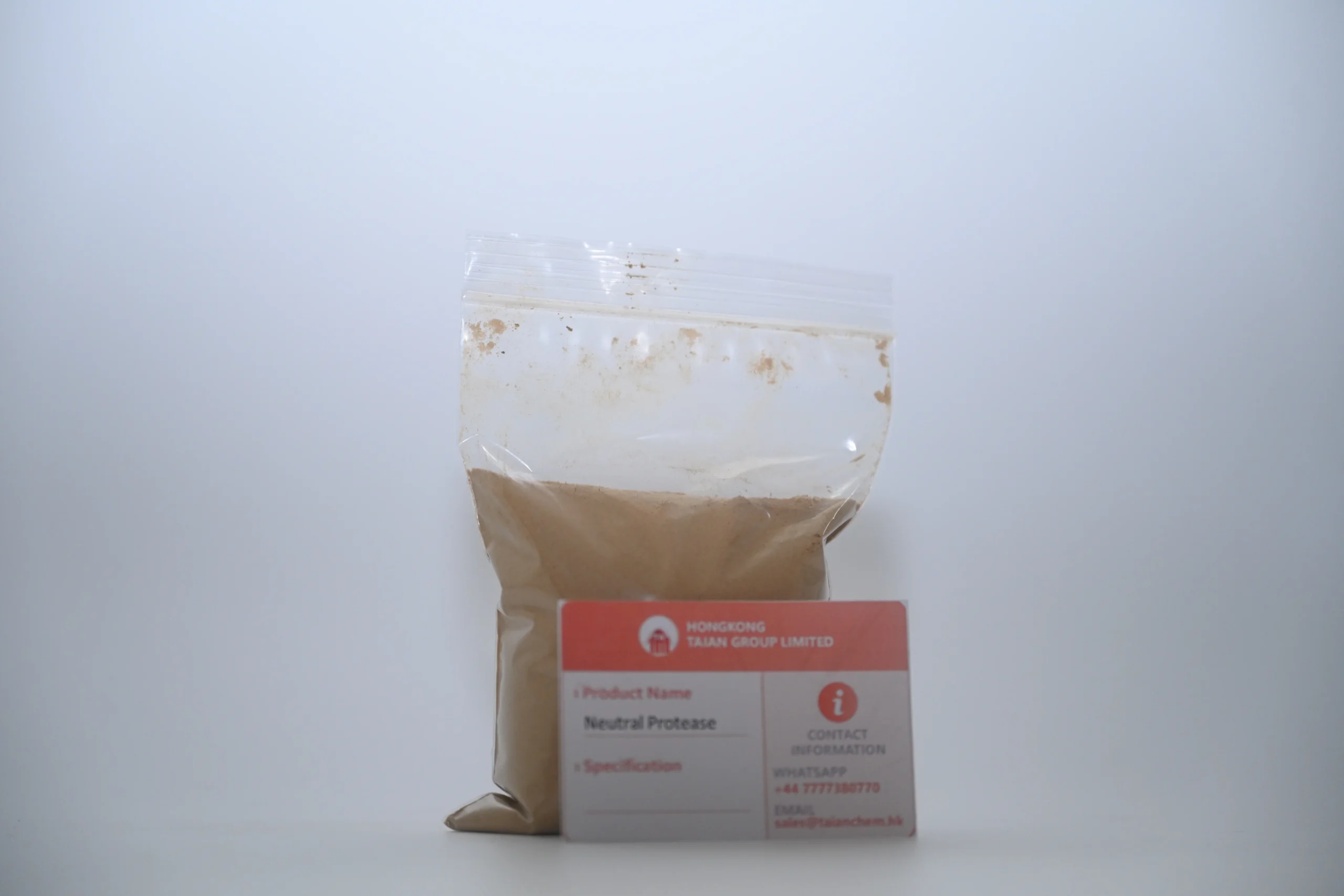
• Protease: Enhances protein digestion and amino acid absorption.
Factors Influencing Enzyme Effectiveness
The effectiveness of enzyme for poultry feed is influenced by several factors. Feed composition is critical; the presence of substrates that the enzyme can act upon is essential. Enzyme activity is also affected by pH, temperature, and storage conditions. The pelleting process can reduce enzyme activity if not properly managed; minimizing pelleting temperature and using coated enzymes can help mitigate this. Water availability is also important, as enzymes require water to function optimally. Finally, the enzyme’s stability within the digestive tract of the bird is crucial; some enzymes are more resistant to the harsh conditions of the gut than others.
Comparing Enzyme Products: Choosing the Right Solution
Selecting the appropriate enzyme product requires careful consideration. Enzyme products vary in activity levels, stability, and cost. It's essential to choose a reputable supplier offering high-quality enzymes with guaranteed activity. Consider the specific needs of your flock; different enzyme blends are better suited for different poultry types and feed compositions. Here's a comparison of common enzyme suppliers and their offerings:
Maximizing Return on Investment with Enzyme Supplementation
Properly implementing an enzyme strategy can significantly boost your bottom line. Regularly monitoring FCR, growth rates, and gut health can help assess the effectiveness of your enzyme supplementation program. Consider working with a nutritionist to develop a tailored enzyme blend for your specific needs. By optimizing enzyme usage, you can unlock the full potential of your poultry feed, leading to healthier, more productive birds and increased profitability. Contact us at Dyeingchem to learn more about our enzyme solutions.
Conclusion: Investing in a Healthier, More Profitable Flock
Investing in enzyme for poultry feed is a strategic decision that delivers tangible benefits, from improved nutrient utilization and reduced feed costs to enhanced gut health and increased profitability. By understanding the different types of enzymes, factors influencing their effectiveness, and carefully selecting the right products, you can optimize your poultry operation for maximum success.
Frequently Asked Questions (FAQs)
What is the optimal dosage of enzyme for poultry feed?
The optimal dosage varies depending on the specific enzyme, the composition of the feed, and the age and type of poultry. Generally, phytase is added at 500-1000 FTU/kg of feed, while xylanase and beta-glucanase are dosed at 100-300 U/kg. It’s crucial to follow the manufacturer’s recommendations and conduct trials to determine the most effective dosage for your specific situation. Overdosing can be wasteful and potentially harmful, while underdosing may not deliver the desired benefits. Consulting with a nutritionist is highly recommended to optimize enzyme dosage.
Can enzymes replace other feed additives?
Enzymes are not intended to completely replace other essential feed additives. They work synergistically with other nutrients and supplements to optimize overall feed performance. While enzymes can reduce the need for inorganic phosphorus supplementation due to increased phytate breakdown, they don't eliminate the need for all vitamins and minerals. A balanced feed formulation is crucial, and enzymes should be considered as an integral part of that formulation, not a substitute for it.
How long can enzyme-supplemented feed be stored?
The storage stability of enzyme-supplemented feed depends on several factors, including temperature, humidity, and the type of enzyme. Generally, enzyme activity can decline over time, particularly under adverse storage conditions. It’s recommended to store feed in a cool, dry, and well-ventilated area. Using coated enzymes can improve their stability during storage. Ideally, enzyme-supplemented feed should be used within 3-6 months of production to ensure maximum enzyme activity. Always check the manufacturer’s recommendations for specific storage guidelines.