Understanding Mercerization in Textile Processing and its Benefits
Understanding Mercerization in Textile Processing and its Benefits
Mercerization in Textile: A Comprehensive Guide
Mercerization is a crucial finishing process applied to cellulosic fabrics, notably cotton, linen, and viscose rayon, to enhance their luster, strength, and dye affinity. Developed by John Mercer in 1844, this process involves treating the fabric with a caustic soda solution under tension. This results in significant improvements in the fabric’s overall properties and appearance. Understanding the nuances of mercerization is essential for textile manufacturers and those involved in the dyeing and finishing industries. It's a cornerstone of quality enhancement and preparing textiles for superior coloration.
The Science Behind Mercerization
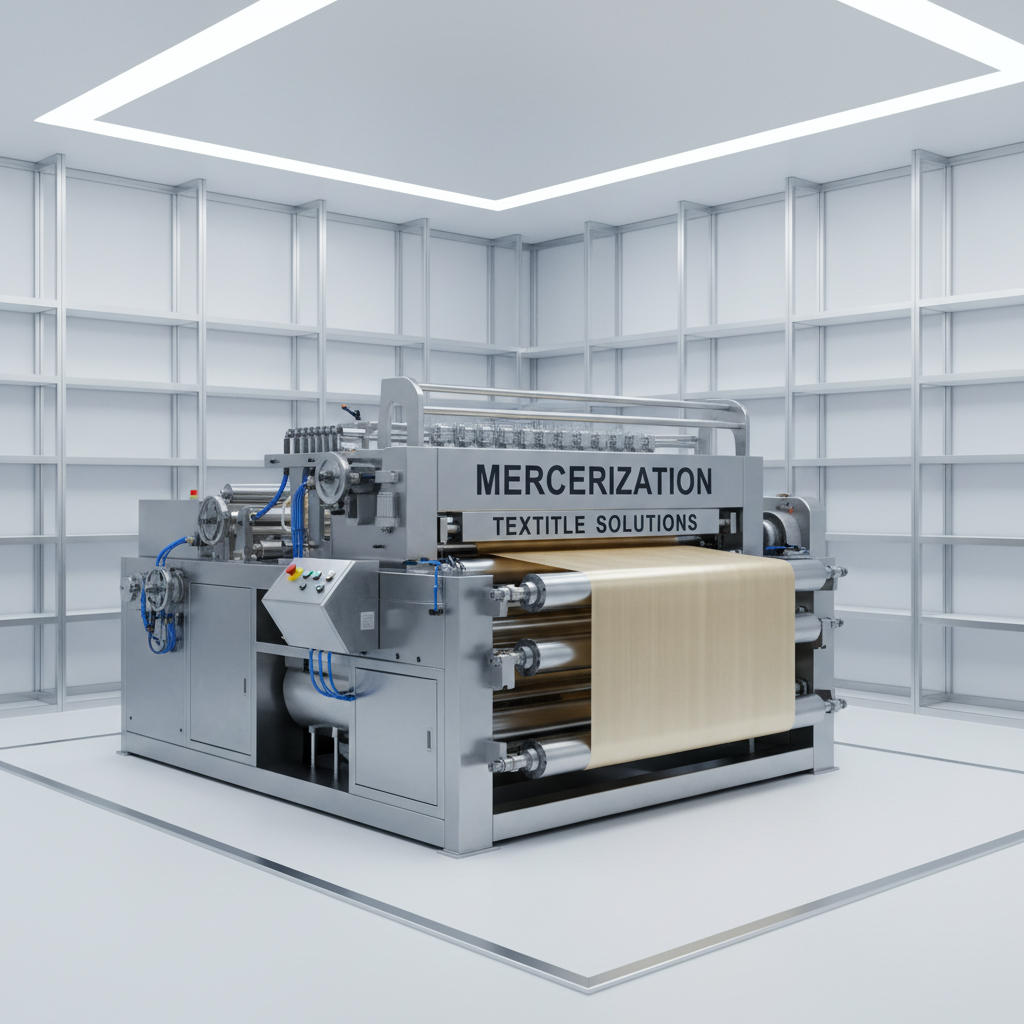
At its core, mercerization induces structural changes within the cellulose fibers. The caustic soda causes the fiber's cross-section to become more rounded, increasing light reflectivity and imparting a characteristic sheen. This process also reduces fiber shrinkage, leading to a more stable and dimensionally accurate fabric. Furthermore, the swelling of the fibers creates microscopic capillaries, enhancing their ability to absorb dyes and improving colorfastness. The tension applied during mercerization prevents the fibers from shrinking back to their original state, locking in these beneficial changes. The outcome is a fabric that is stronger, brighter, and more receptive to dyes.
Key Benefits: Increased luster, enhanced strength, improved dye uptake, reduced shrinkage, and better dimensional stability.
The Mercerization Process: A Step-by-Step Guide
The mercerization process typically involves several stages: Preparation – The fabric is first prepared by removing any impurities, such as waxes and oils, through scouring. Impregnation – The fabric is then immersed in a concentrated solution of sodium hydroxide (caustic soda), typically between 20-30% concentration. Stretching – Crucially, the fabric is held under tension during the impregnation stage. This is often achieved using a tentering frame or other mechanical stretching devices. Washing – After impregnation, the fabric is thoroughly washed to remove all traces of the caustic soda. Neutralization – Finally, the fabric is neutralized with a weak acid solution to ensure complete removal of alkali and stabilize the fibers. Each stage is vital for achieving optimal results and avoiding damage to the fabric.
Mercerized Cotton vs. Regular Cotton: A Detailed Comparison
The differences between mercerized cotton and regular cotton are significant, impacting both the aesthetic and functional properties of the fabric. Mercerization fundamentally alters the fiber structure, leading to noticeable improvements. Here’s a comparative overview:
Applications of Mercerized Fabrics
Mercerized fabrics find wide-ranging applications due to their enhanced properties. High-end apparel, particularly dress shirts, blouses, and lingerie, frequently utilizes mercerized cotton for its luxurious feel and appearance. In home textiles, mercerized cotton is employed in premium bed linens, towels, and upholstery. The improved dye uptake makes mercerized fabrics ideal for vibrant and long-lasting colors in fashion and home décor. Furthermore, its strength and durability are advantageous in industrial applications like sewing threads and technical textiles. Dyeingchem.com offers a range of chemicals and solutions to facilitate the mercerization process.
Environmental Considerations and Modern Innovations
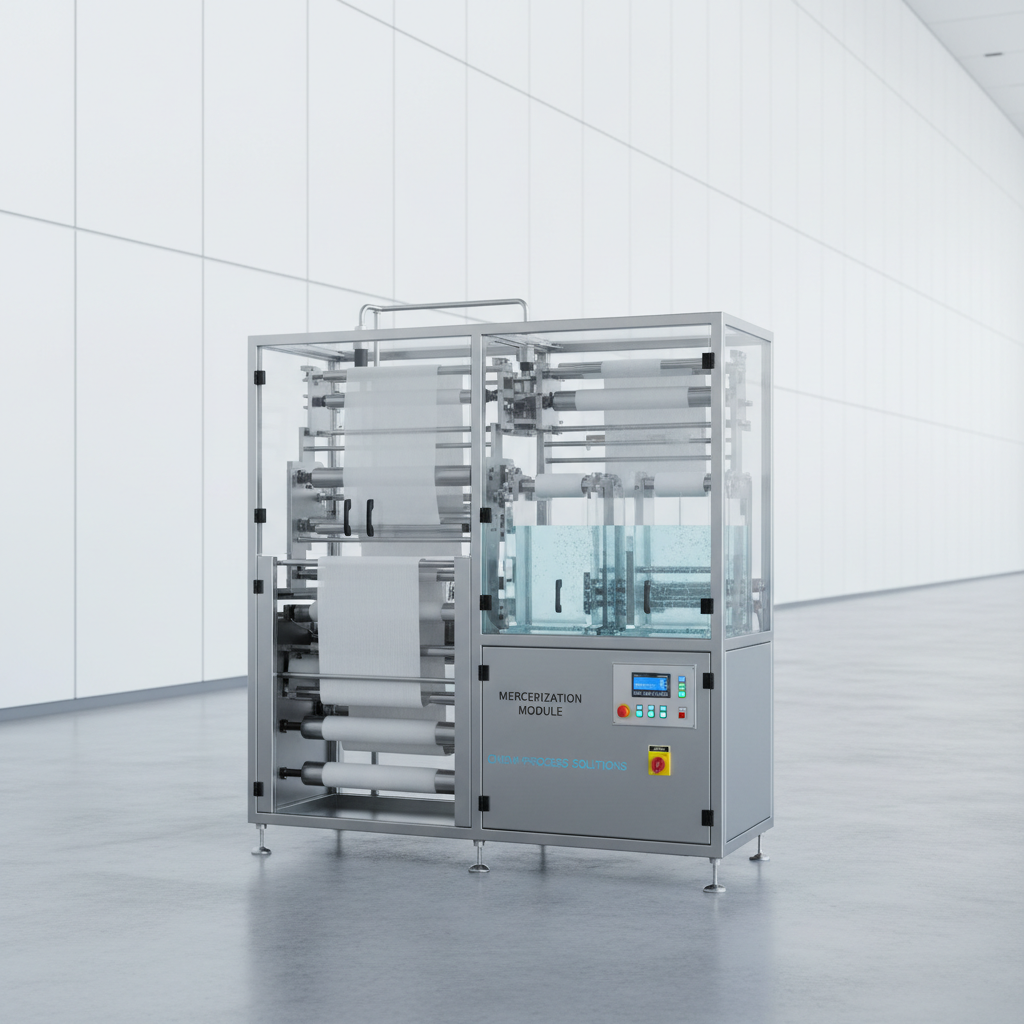
Traditional mercerization relies on significant amounts of caustic soda, raising environmental concerns related to effluent treatment and chemical waste. Modern innovations are focusing on reducing the environmental impact of this process. These include technologies for recovering and reusing caustic soda, as well as exploring alternative mercerizing agents. Low-liquor ratio machinery and optimized process control are also employed to minimize water and chemical consumption. The industry is increasingly striving towards sustainable mercerization practices to minimize its environmental footprint and comply with stricter regulations.
Conclusion: The Enduring Importance of Mercerization
Mercerization remains a vital finishing process in the textile industry, delivering significant improvements in fabric quality and performance. From enhancing luster and strength to improving dye uptake and dimensional stability, the benefits are undeniable. As the industry evolves, continued innovation will focus on making mercerization more sustainable and environmentally friendly, ensuring its continued relevance for years to come. Explore Dyeingchem.com for quality chemicals and solutions.
Frequently Asked Questions (FAQs)
What types of fabrics benefit most from mercerization?
Cellulosic fibers, particularly cotton, linen, and viscose rayon, benefit the most from mercerization. Cotton is the most commonly mercerized fabric, as it experiences the most significant improvements in luster, strength, and dye affinity. Linen also responds well, gaining a smoother hand and increased sheen. While synthetic fibers don’t undergo mercerization in the same way, modified cellulosic fibers like lyocell can sometimes be treated with similar processes to enhance their properties. The process works best with fabrics that have a relatively open structure, allowing the caustic soda to penetrate and alter the fiber morphology.
What is the role of tension in the mercerization process?
Tension is absolutely critical in mercerization. It prevents the fibers from shrinking and wrinkling as they swell in the caustic soda solution. Without tension, the process would result in a distorted, weakened fabric. Maintaining consistent tension throughout the process ensures that the beneficial structural changes are “locked in,” resulting in a fabric with increased luster, strength, and dimensional stability. The tension is typically applied using a tentering frame, which stretches the fabric lengthwise and widthwise.
Are there any drawbacks to mercerization?
While mercerization offers numerous benefits, there are some potential drawbacks. The use of concentrated caustic soda poses environmental challenges due to effluent treatment. Improper control of the process can lead to fiber damage and weakening. Also, it adds a cost to the overall fabric production. Newer technologies are addressing these concerns by focusing on caustic soda recovery and reducing chemical consumption. Nevertheless, the benefits of mercerization generally outweigh the drawbacks, particularly for high-quality textiles.
How does mercerization affect the hand feel of the fabric?
Mercerization significantly improves the hand feel of the fabric, making it smoother, softer, and more luxurious. The process rounds the cross-section of the fibers, reducing friction and resulting in a more pleasant tactile experience. Mercerized cotton, in particular, feels cooler and more comfortable against the skin compared to regular cotton. This improved hand feel is a key reason why mercerization is favored for high-end apparel and home textiles.