Understanding the Role of Mercerizing Agent in Textile Processing and Quality Enhancement
Understanding the Role of Mercerizing Agent in Textile Processing and Quality Enhancement
Understanding Mercerizing Agents in Textile Processing
The textile industry relies heavily on various chemical processes to enhance the quality, appearance, and performance of fabrics. Among these, mercerization plays a vital role, and at its core lies the mercerizing agent. This article delves into the world of mercerizing agents, exploring their function, types, applications, and the latest advancements. We'll explore how choosing the right mercerizing agent can significantly improve textile production. Mercerization is a crucial step in preparing cotton for dyeing and finishing, ultimately affecting the final product’s quality.
What are Mercerizing Agents and Why are They Important?
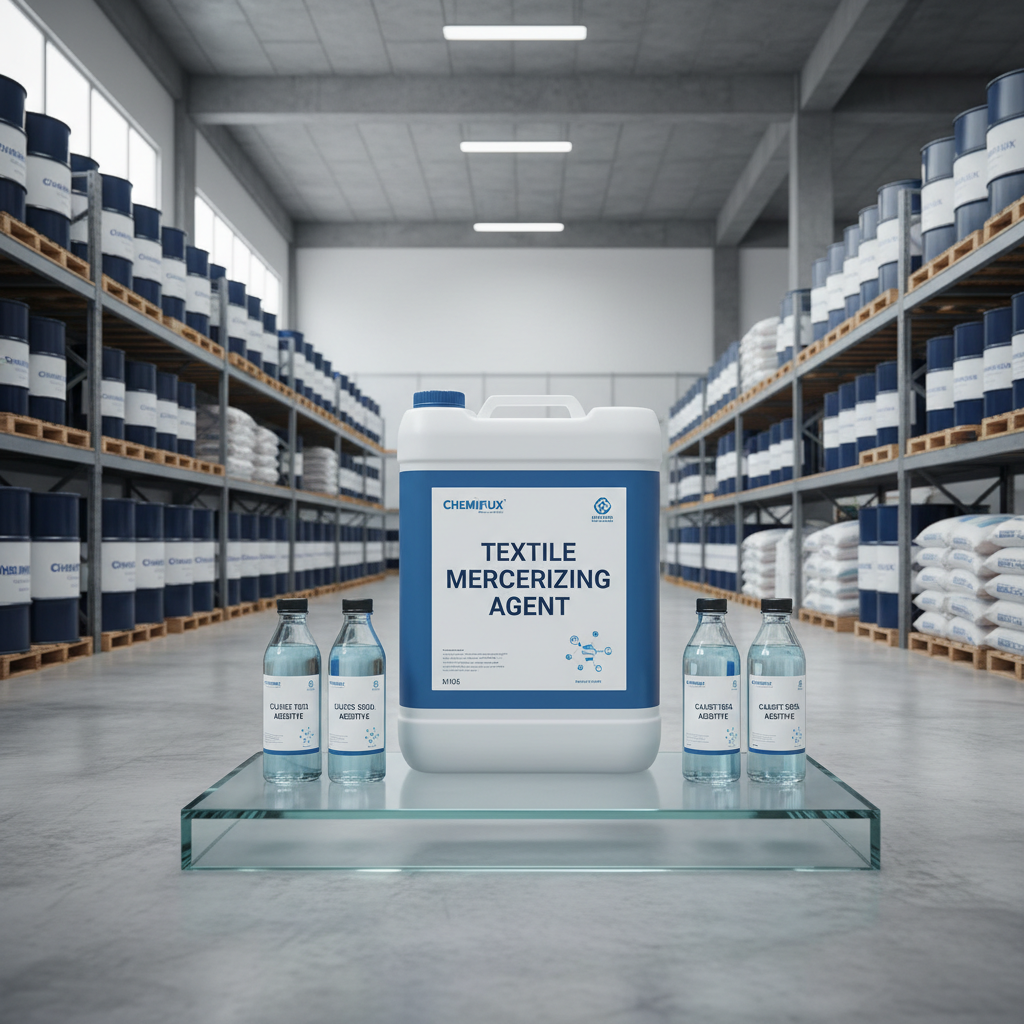
A mercerizing agent is a chemical, typically sodium hydroxide (NaOH), used to treat cotton fibers under tension. This process alters the fiber’s physical and chemical properties, increasing its luster, strength, and affinity for dyes. The key benefits include improved dye uptake, dimensional stability, and a smoother, more refined fabric surface. Without an effective mercerizing agent, cotton fabrics would lack the desirable qualities expected in high-end textiles. The process causes the cotton fiber to swell, round out, and become more uniform, resulting in a more aesthetically pleasing and durable fabric.
Key Benefits of Mercerization: Increased luster, enhanced dyeability, improved strength, reduced shrinkage, and smoother texture.
Types of Mercerizing Agents
While sodium hydroxide is the most common mercerizing agent, other options exist, each offering unique advantages and drawbacks. These alternatives are often used to address specific textile needs or environmental concerns. Potassium hydroxide (KOH) is sometimes used as an alternative to NaOH, producing a slightly different effect on the cotton fiber. Additionally, variations in concentration and treatment conditions can tailor the mercerization process to specific fabric types and desired outcomes. Choosing the right agent depends on several factors, including cost, availability, and the desired properties of the finished textile.
Common Mercerizing Agents:
• Sodium Hydroxide (NaOH): The most widely used and cost-effective option.
• Potassium Hydroxide (KOH): Offers a slightly different fiber modification.
• Lithium Hydroxide (LiOH): Less common due to cost, but can provide unique properties.
Sodium Hydroxide vs. Potassium Hydroxide: A Comparative Analysis
Sodium hydroxide and potassium hydroxide are the primary contenders as mercerizing agents. While both achieve mercerization, they differ in their effects on the cotton fiber. Sodium hydroxide is generally more cost-effective and readily available. However, potassium hydroxide often results in a slightly brighter luster and increased fiber swelling. The choice between the two depends on the desired fabric characteristics and budget constraints. Potassium hydroxide also tends to be easier to remove from the fabric during rinsing, potentially reducing water consumption.
Factors Influencing Mercerizing Agent Effectiveness
The efficacy of a mercerizing agent isn’t solely determined by its chemical composition. Several factors play a crucial role, including concentration, temperature, treatment time, and the tension applied to the fabric. Maintaining precise control over these parameters is essential for achieving consistent and optimal results. Improper tension can lead to uneven mercerization, while incorrect concentration can damage the fibers. Furthermore, the quality of the water used for rinsing also impacts the final outcome, as residual alkali can cause yellowing or fiber degradation. Dyeingchem provides solutions for optimizing these processes.
Safety Considerations and Environmental Impact
Handling mercerizing agents requires strict adherence to safety protocols. Sodium and potassium hydroxide are corrosive substances and can cause severe burns. Proper personal protective equipment (PPE), including gloves, goggles, and protective clothing, is essential. Moreover, the discharge of alkaline wastewater poses an environmental concern. Textile mills must implement effective wastewater treatment systems to neutralize the alkali before releasing it into the environment. Sustainable practices and responsible chemical management are paramount in minimizing the environmental footprint of mercerization.
Conclusion: Optimizing Textile Quality with the Right Mercerizing Agent
Selecting the appropriate mercerizing agent is crucial for achieving high-quality textile products. Understanding the differences between agents, optimizing process parameters, and prioritizing safety and environmental responsibility are all essential components of a successful mercerization process. By carefully considering these factors, textile manufacturers can enhance the performance, appearance, and sustainability of their fabrics.
Frequently Asked Questions (FAQs)
What is the ideal concentration of NaOH for mercerization?
The ideal concentration of NaOH typically ranges from 10% to 25% by weight, depending on the cotton type and desired effect. Lower concentrations result in milder mercerization, while higher concentrations lead to more significant fiber modification. Careful control is crucial, as excessive concentration can damage the fibers. The temperature of the solution also plays a key role – lower temperatures generally require higher concentrations. It’s essential to follow established protocols and conduct trials to determine the optimal concentration for specific fabric types and equipment.
How does tension affect the mercerization process?
Tension is a critical factor in mercerization. Maintaining proper tension prevents the cotton fibers from wrinkling or distorting during treatment with the mercerizing agent. Consistent tension ensures uniform swelling and shrinkage, resulting in a smoother, more lustrous fabric. Too little tension can lead to uneven mercerization, while too much can damage the fibers. The level of tension needs to be carefully adjusted based on the fabric’s construction and weight.
What are the environmental concerns associated with mercerization?
The primary environmental concern is the highly alkaline wastewater generated during mercerization. Discharging untreated wastewater can significantly increase the pH of receiving water bodies, harming aquatic life. Therefore, effective neutralization and wastewater treatment are crucial. This often involves using acids to neutralize the alkali and then removing any residual chemicals before discharge. Sustainable practices such as NaOH recovery and reuse can further minimize the environmental impact.
Can mercerization be applied to fabrics other than cotton?
While mercerization is most commonly associated with cotton, it can also be applied to other cellulosic fibers like linen and viscose rayon, but with varying degrees of success. The effectiveness depends on the fiber’s structure and its response to alkali treatment. Linen, for instance, typically requires lower NaOH concentrations and shorter treatment times compared to cotton. The goal is to achieve the desired luster and improve dye uptake without damaging the fiber.