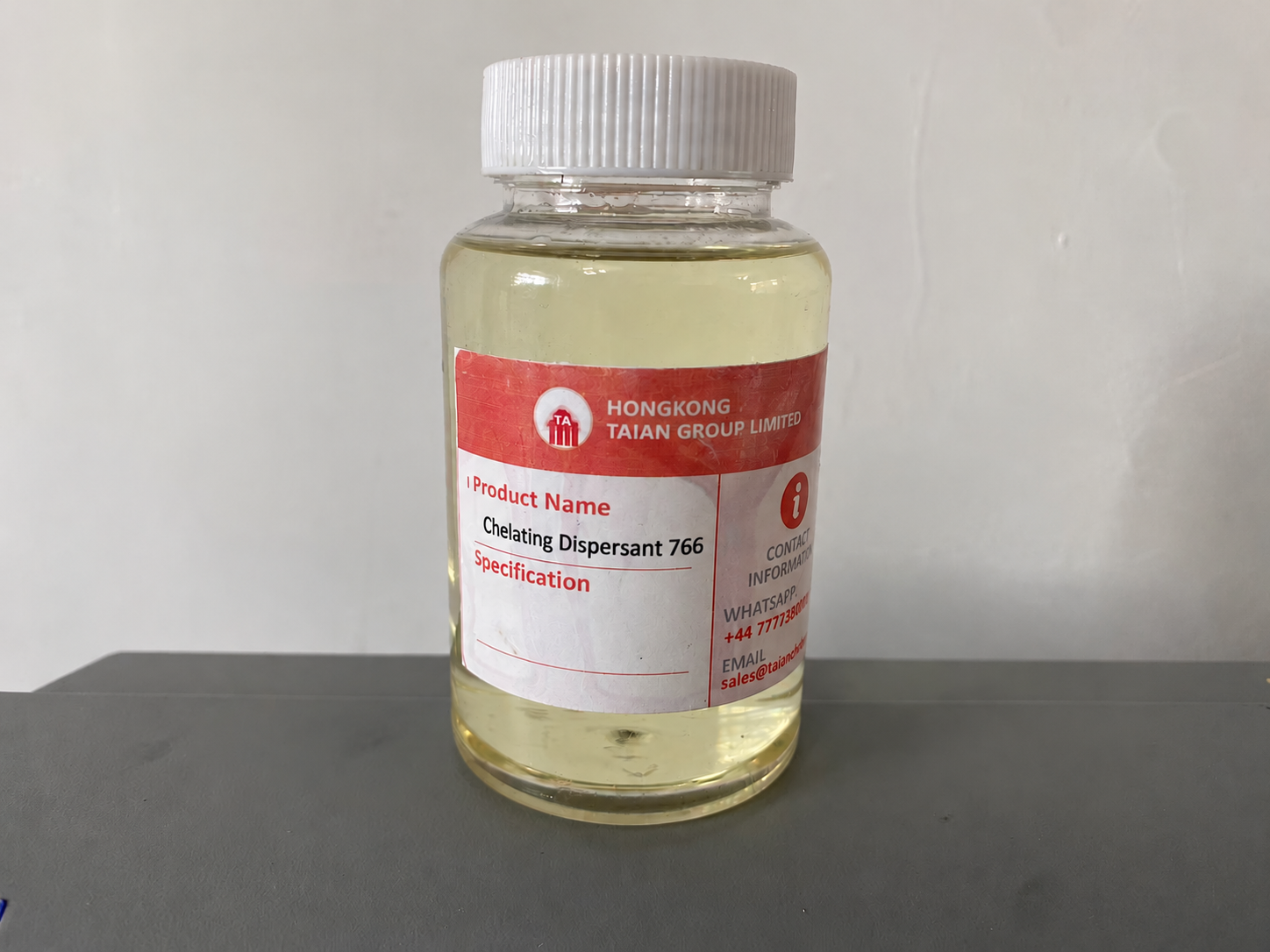
Comprehensive Guide to Textile Wetting Agents for Enhanced Fabric Processing
Comprehensive Guide to Textile Wetting Agents for Enhanced Fabric Processing
Understanding Textile Wetting Agents: A Comprehensive Guide
In the textile industry, efficient and uniform wetting is crucial for processes like dyeing, printing, and finishing. A textile wetting agent plays a vital role in reducing surface tension, enabling liquids to spread evenly across fabric surfaces. This leads to improved color uptake, better finishing results, and overall enhanced textile quality. This article will delve into the science behind textile wetting agents, their types, applications, and the factors influencing their selection. We’ll also explore how to choose the right wetting agent for your specific textile processing needs.
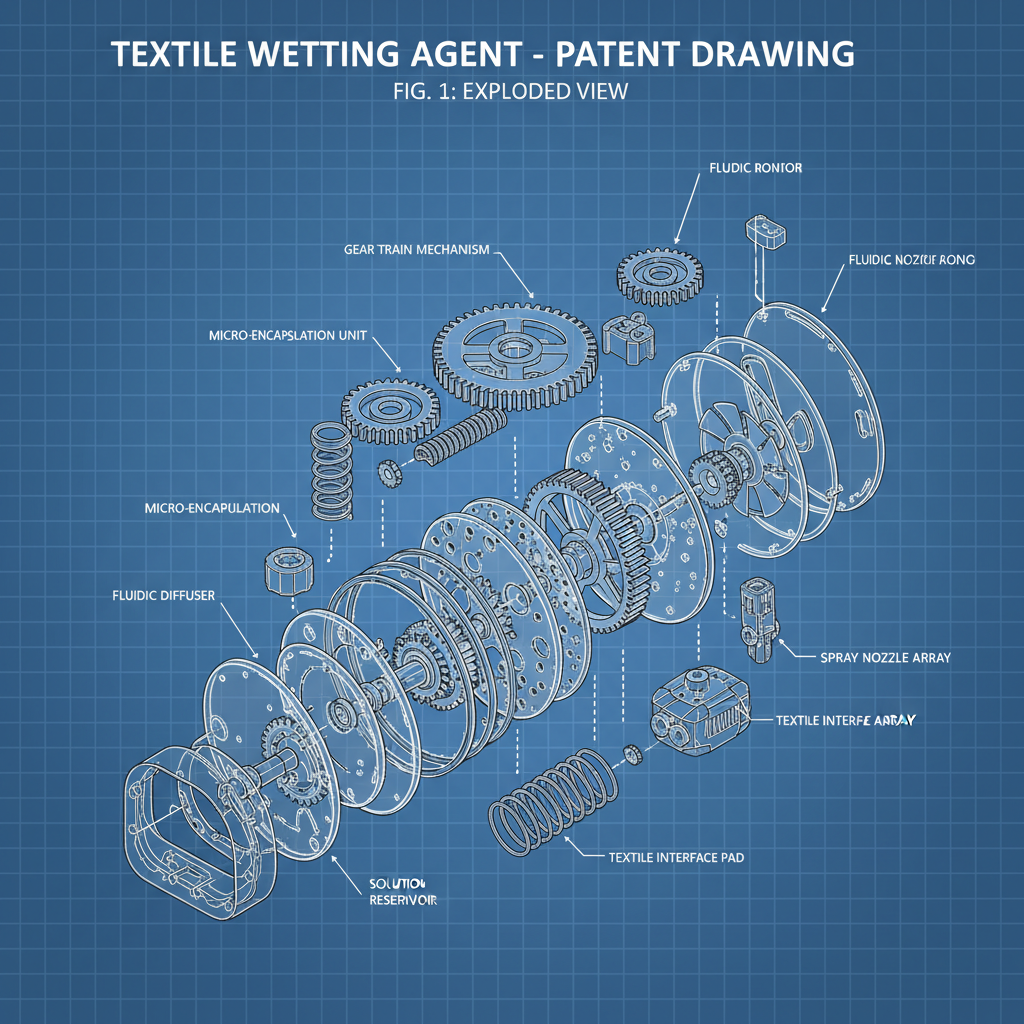
What are Textile Wetting Agents and Why are They Important?
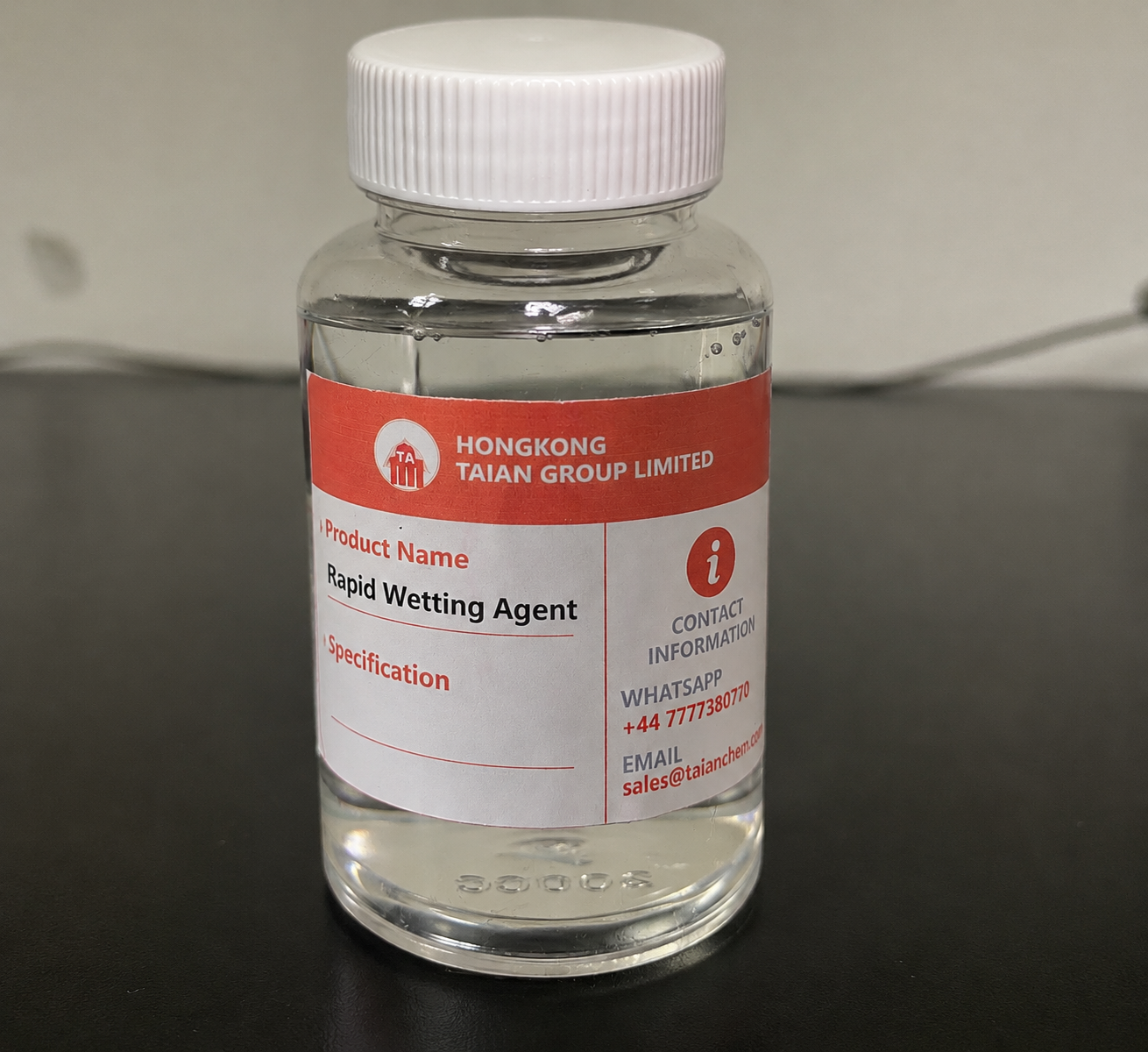
Textile wetting agents are surface-active substances that lower the surface tension of a liquid, allowing it to spread more easily on a textile material. Most textiles, particularly synthetic fibers, possess hydrophobic properties, meaning they repel water. Without a wetting agent, liquids tend to bead up on the fabric surface, preventing even distribution. This uneven wetting leads to inconsistent dyeing, poor printing results, and ineffective finishing. Effective wetting ensures that the processing liquid penetrates the fiber structure, facilitating uniform treatment. Choosing the right textile wetting agent directly translates to improved product quality and reduced processing costs.
Key Benefits: Improved dye penetration, enhanced print quality, more effective finishing, reduced re-work, and lower chemical consumption.
Types of Textile Wetting Agents
Textile wetting agents are categorized based on their chemical structure and ionic properties. The most common types include:
- Anionic Wetting Agents: Contain negatively charged groups. They offer excellent wetting and emulsifying properties but can be sensitive to hard water.
- Nonionic Wetting Agents: Do not carry an electrical charge. They are highly compatible with other chemicals and less affected by water hardness, making them versatile options.
- Cationic Wetting Agents: Contain positively charged groups. They are often used for specific applications like improving the feel of synthetic fibers.
- Amphoteric Wetting Agents: Possess both positive and negative charges, offering a balance of properties.
The choice of wetting agent type depends on the fiber composition, the specific process, and the water quality.
Wetting Agent Selection Considerations:
• Fiber type (cotton, polyester, nylon, etc.)
• Dye class (reactive, disperse, direct, etc.)
• Water hardness
• Processing temperature
Application of Textile Wetting Agents in Key Processes
Wetting agents are indispensable in several textile processes. In dyeing, they ensure uniform dye absorption, leading to level shades. During printing, they enable precise dye placement and sharp designs. In finishing processes like softening and water repellency, wetting agents facilitate the even distribution of finishing chemicals. They are also crucial in scouring and bleaching, helping to remove impurities and prepare the fabric for subsequent treatments. Effective wetting in these stages directly impacts the final product's appearance, performance, and durability.
Choosing the Right Wetting Agent: Factors to Consider
Selecting the most appropriate textile wetting agent involves carefully evaluating several factors. Fiber type is paramount – different fibers require different wetting characteristics. Water hardness can significantly affect anionic wetting agents, requiring the use of chelating agents or nonionic alternatives. The processing temperature and pH also play a role, influencing the agent's stability and performance. Furthermore, consider the environmental impact and choose eco-friendly options whenever possible. Dyeingchem.com offers a comprehensive range of wetting agents tailored to diverse textile applications.
Conclusion: Optimizing Textile Processes with Effective Wetting
Investing in the right textile wetting agent is an investment in quality, efficiency, and sustainability.
By understanding the different types of wetting agents, their applications, and the factors influencing their selection, textile manufacturers can optimize their processes and achieve superior results. Dyeingchem.com provides high-quality wetting agents and expert technical support to help you achieve your textile processing goals.
Frequently Asked Questions (FAQs)
What is the recommended dosage for a textile wetting agent?
The optimal dosage of a textile wetting agent varies depending on the fiber type, the concentration of the processing bath, and the desired wetting effect. Typically, dosages range from 0.1% to 1.0% on the weight of the fabric (o.w.f.). It’s crucial to conduct lab trials to determine the most effective dosage for your specific application. Overdosing can lead to foaming and reduced rinsing efficiency, while underdosing may result in insufficient wetting. Always refer to the product's technical datasheet and follow the manufacturer’s recommendations.
Can wetting agents be used with all types of dyes?
While most wetting agents are compatible with various dye classes, it's essential to consider the dye's chemical nature. For example, anionic wetting agents may interact with cationic dyes, reducing their effectiveness. Nonionic wetting agents are generally more versatile and compatible with most dye classes. Always consult the dye manufacturer's recommendations and conduct compatibility tests before combining a wetting agent with a specific dye.
Are there eco-friendly alternatives to traditional wetting agents?
Yes, there’s a growing demand for sustainable textile processing, leading to the development of eco-friendly wetting agents. These often utilize bio-based raw materials and are readily biodegradable. Examples include wetting agents derived from plant oils and sugars. These alternatives offer comparable performance to traditional agents while minimizing environmental impact. Dyeingchem.com offers a selection of environmentally friendly wetting agents.