The Role of Enzyme Used in Detergent Industry for Effective Cleaning Solutions
The Role of Enzyme Used in Detergent Industry for Effective Cleaning Solutions
Enzyme Used in Detergent Industry: A Comprehensive Guide
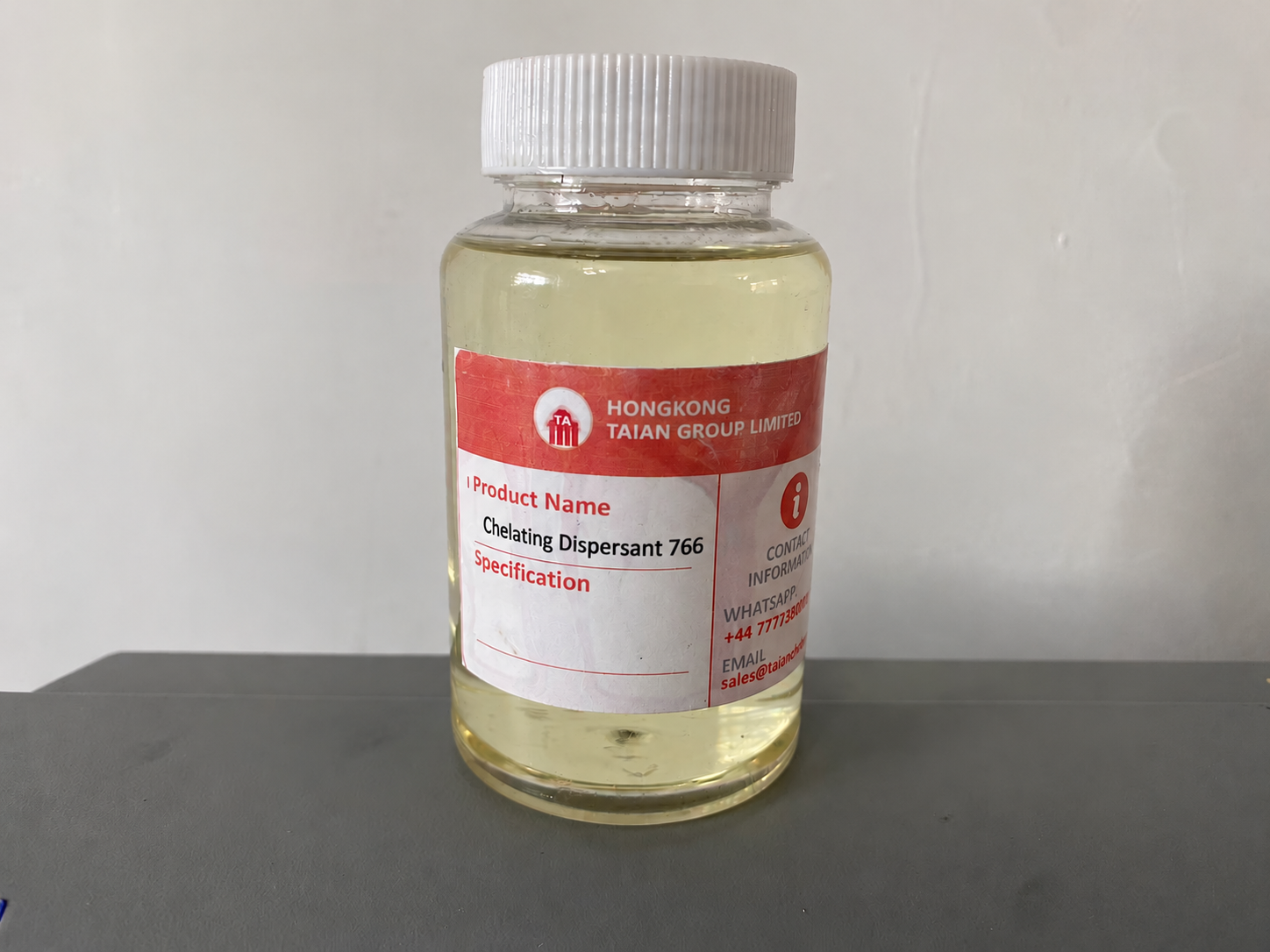
The detergent industry relies heavily on enzymes to enhance cleaning performance and reduce environmental impact. These biological catalysts break down stubborn stains, improve fabric care, and allow for lower washing temperatures. This article delves into the world of enzymes in detergents, exploring their types, benefits, applications, and future trends. Understanding these vital components is crucial for manufacturers and consumers alike. We will explore how enzymes provide a more sustainable and effective cleaning solution compared to traditional chemical approaches.
Types of Enzymes Commonly Used in Detergents
Several enzyme types contribute to the effectiveness of modern detergents. Proteases break down protein-based stains like blood and grass. Amylases target starch-based stains such as gravy and chocolate. Lipases tackle fats and oils from food and cosmetics. Cellulases improve fabric softness and remove fuzz. Mannanases are effective against stains caused by food gums and sauces. Each enzyme performs a specific function, and their combination creates a synergistic cleaning effect. Dyeingchem.com offers a variety of high-quality enzymes for detergent formulations.
Key Highlights: Enzymes target specific stains, providing a highly efficient and eco-friendly cleaning process. They function effectively at lower temperatures, conserving energy and protecting fabrics.
The Benefits of Using Enzymes in Detergent Formulations
Enzymes offer numerous advantages over traditional detergent ingredients. They are biodegradable, reducing their impact on the environment. They work effectively at lower temperatures, saving energy and reducing fabric damage. Enzymes are also highly specific, targeting only the stain without harming the fabric. Furthermore, they can improve the overall cleaning performance of detergents, leading to brighter, fresher clothes. Enzyme suppliers like Dyeingchem.com are dedicated to providing sustainable solutions for the detergent industry.
Enzyme Benefits:
• Biodegradable and environmentally friendly
• Effective at lower temperatures
• Fabric-friendly and specific to stains
• Enhance overall cleaning performance
Enzyme Application: A Comparison of Cleaning Performance
The efficacy of enzymes in detergent applications can be demonstrated through comparative studies. The following table illustrates the cleaning performance of detergents with and without enzymes on various stain types. These data underline the significance of enzyme integration for enhanced cleaning efficiency.
Enzyme Stability and Formulation Challenges
Maintaining enzyme stability during detergent manufacturing and storage is a key challenge. Factors such as pH, temperature, and the presence of certain chemicals can affect enzyme activity. Formulators must carefully select stabilizing agents and optimize detergent compositions to ensure enzyme effectiveness throughout the product’s shelf life. Proper encapsulation techniques are also employed to protect enzymes from degradation. Dyeingchem.com provides technical support to assist customers in overcoming these formulation hurdles.
Future Trends in Enzyme-Based Detergents
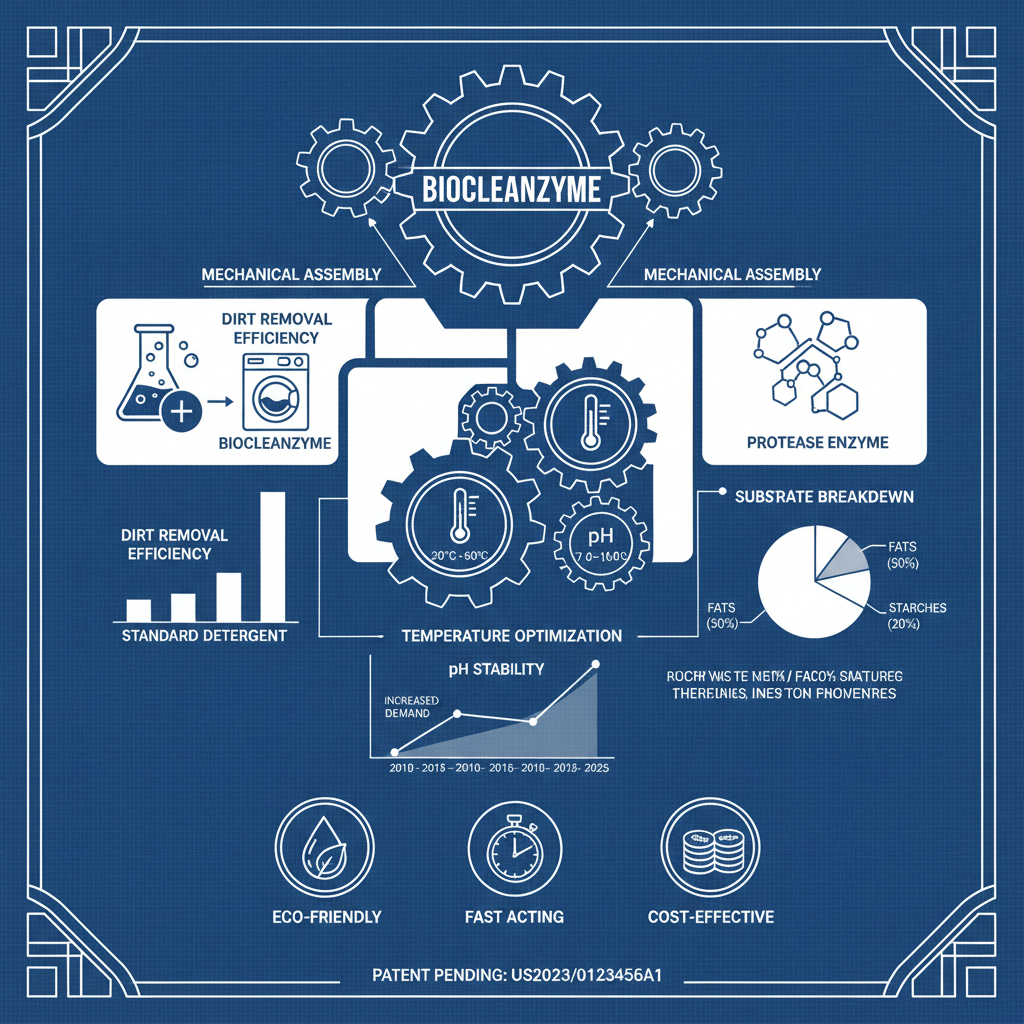
Research and development in enzyme technology are ongoing, with a focus on improving enzyme stability, expanding their substrate specificity, and discovering novel enzymes. There’s increasing interest in using enzymes from extremophiles—organisms that thrive in harsh environments—to develop enzymes that are highly resistant to degradation. Furthermore, advancements in biotechnology are enabling the production of enzymes at lower costs, making them more accessible to detergent manufacturers. We expect to see more innovative enzyme combinations in future detergent formulations, offering even greater cleaning power and environmental benefits.
Conclusion: The Future is Enzymatic
Enzymes are revolutionizing the detergent industry, offering a sustainable and highly effective cleaning solution. As technology advances, we can expect to see even greater benefits from enzyme-based detergents, contributing to a cleaner and more environmentally friendly future. Dyeingchem.com is committed to providing cutting-edge enzyme solutions for the global detergent market.
Frequently Asked Questions (FAQs)
What is the optimal temperature range for enzyme activity in detergents?
Most detergent enzymes are optimized to perform effectively within a temperature range of 30-60°C (86-140°F). While some enzymes retain activity at lower temperatures, performance typically increases with temperature up to a certain point. Above the optimal temperature, enzymes can denature and lose their activity. Modern detergent formulations often include stabilizing agents to protect enzymes from temperature fluctuations and maintain their effectiveness over a wider range. Choosing enzymes specifically tailored for low-temperature washing is also a common strategy.
Are enzymes safe for all types of fabrics?
Generally, enzymes are safe for most common fabrics like cotton, polyester, and blends. However, certain delicate fabrics, such as silk and wool, may be sensitive to enzyme activity, especially proteases and cellulases. These enzymes can cause damage to the protein fibers in these fabrics. It's always recommended to check the garment's care label before using enzyme-containing detergents. Detergent manufacturers often formulate separate detergents for delicate fabrics, either excluding enzymes or using lower concentrations.
How do enzymes contribute to sustainability in the detergent industry?
Enzymes contribute to sustainability in several ways. They allow for lower washing temperatures, reducing energy consumption. They are biodegradable, minimizing their environmental impact compared to traditional chemical ingredients. Enzymes also enhance cleaning performance, reducing the need for high dosages of other detergents. Furthermore, they can replace harsh chemicals like phosphates and bleach, which are harmful to the environment. By using enzymes, detergent manufacturers can create more eco-friendly products that contribute to a circular economy.
Where can I source high-quality enzymes for detergent manufacturing?
Dyeingchem.com is a reputable supplier of high-quality enzymes for the detergent industry. We offer a comprehensive range of enzymes, including proteases, amylases, lipases, and cellulases, along with technical support and customized solutions. We prioritize quality control and ensure our enzymes meet stringent industry standards. Contact us today to discuss your specific requirements and obtain a quote.