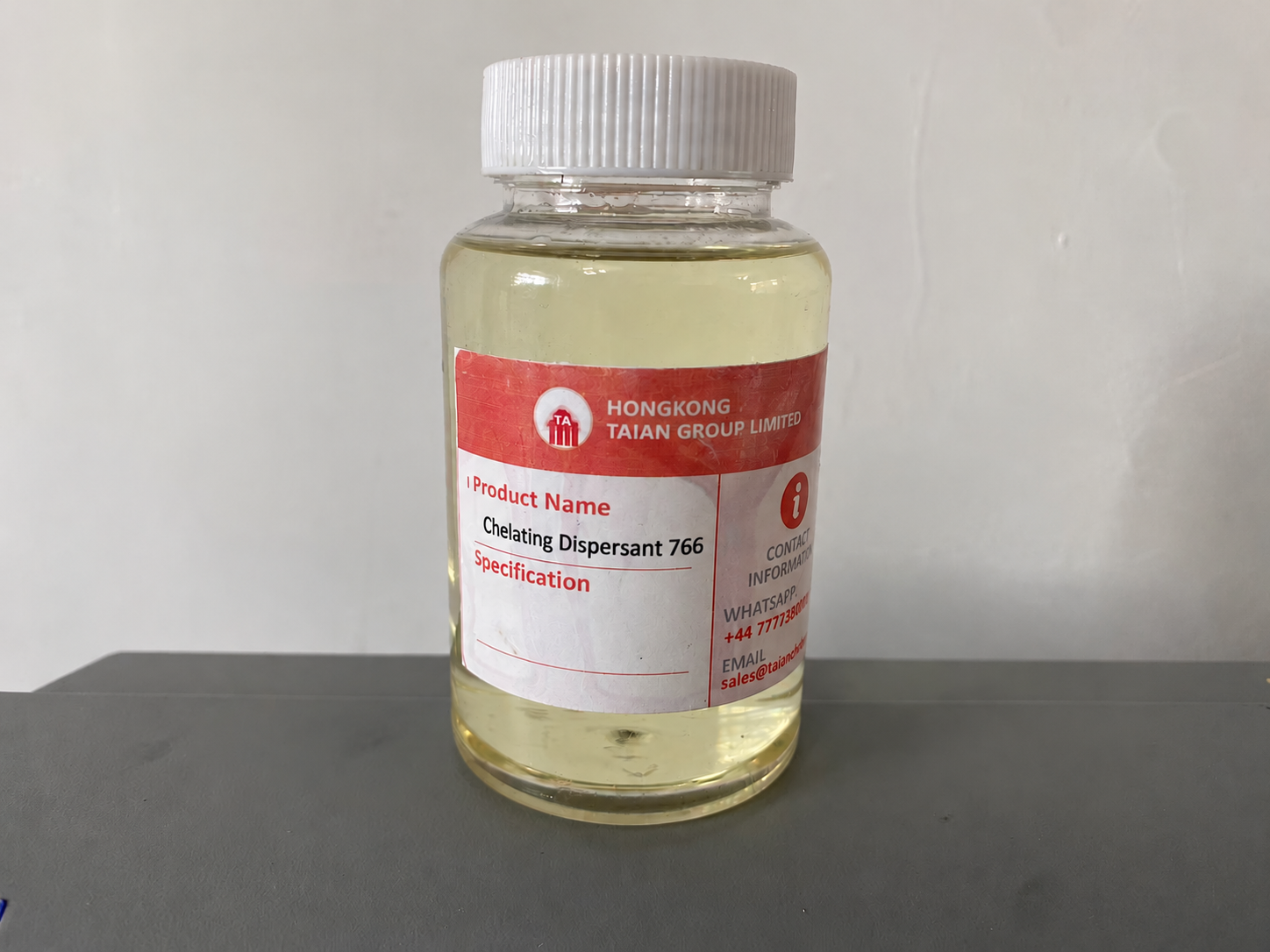
Optimizing Textile Manufacturing with Advanced Dyeing and Printing Auxiliaries
Optimizing Textile Manufacturing with Advanced Dyeing and Printing Auxiliaries
Dyeing and Printing Auxiliaries: Enhancing Textile Production
The textile industry relies heavily on a variety of chemical auxiliaries to optimize dyeing and printing processes. These crucial components significantly impact color fastness, fabric quality, and production efficiency. From pre-treatment agents to finishing chemicals, dyeing and printing auxiliaries play an indispensable role in modern textile manufacturing. Understanding their diverse functions and applications is key to achieving superior results. Selecting the correct auxiliaries can lead to reduced costs, improved environmental performance, and higher quality finished goods.
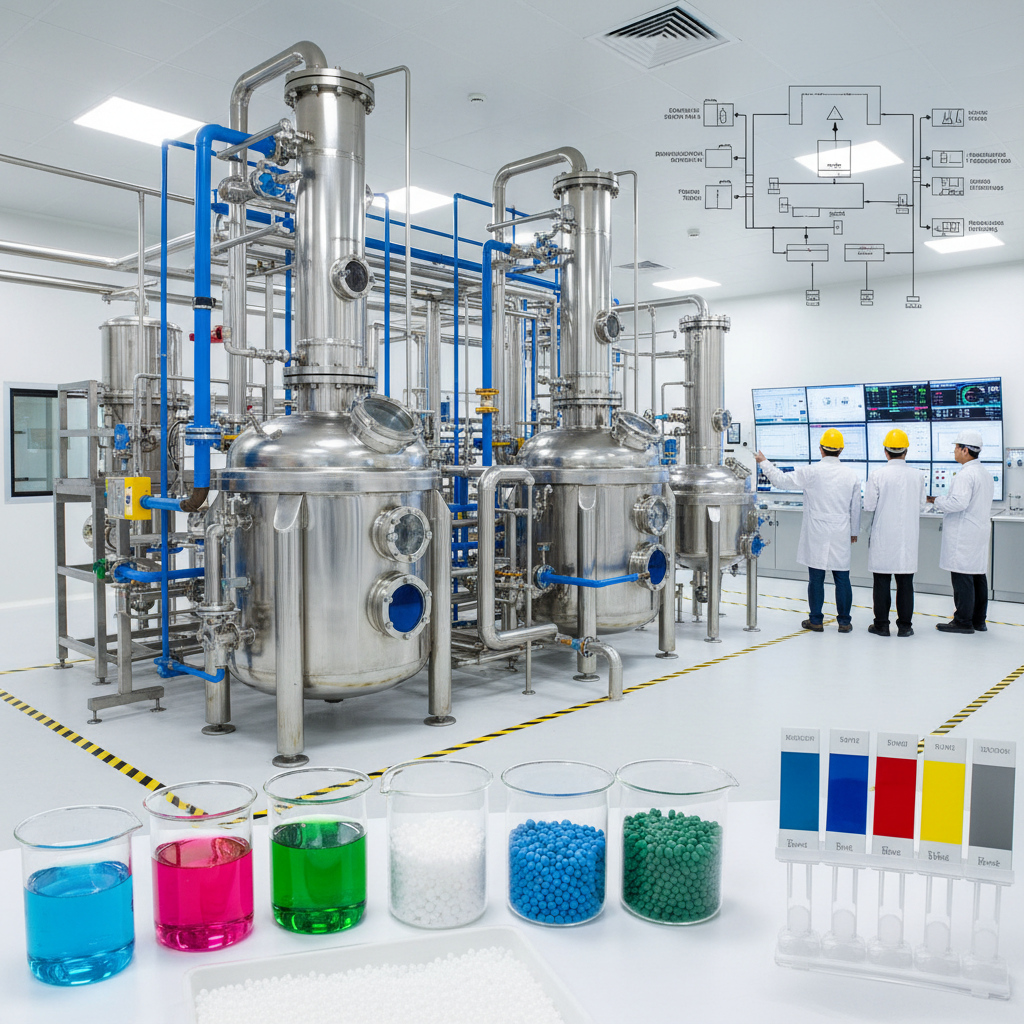
Understanding the Role of Dyeing Auxiliaries
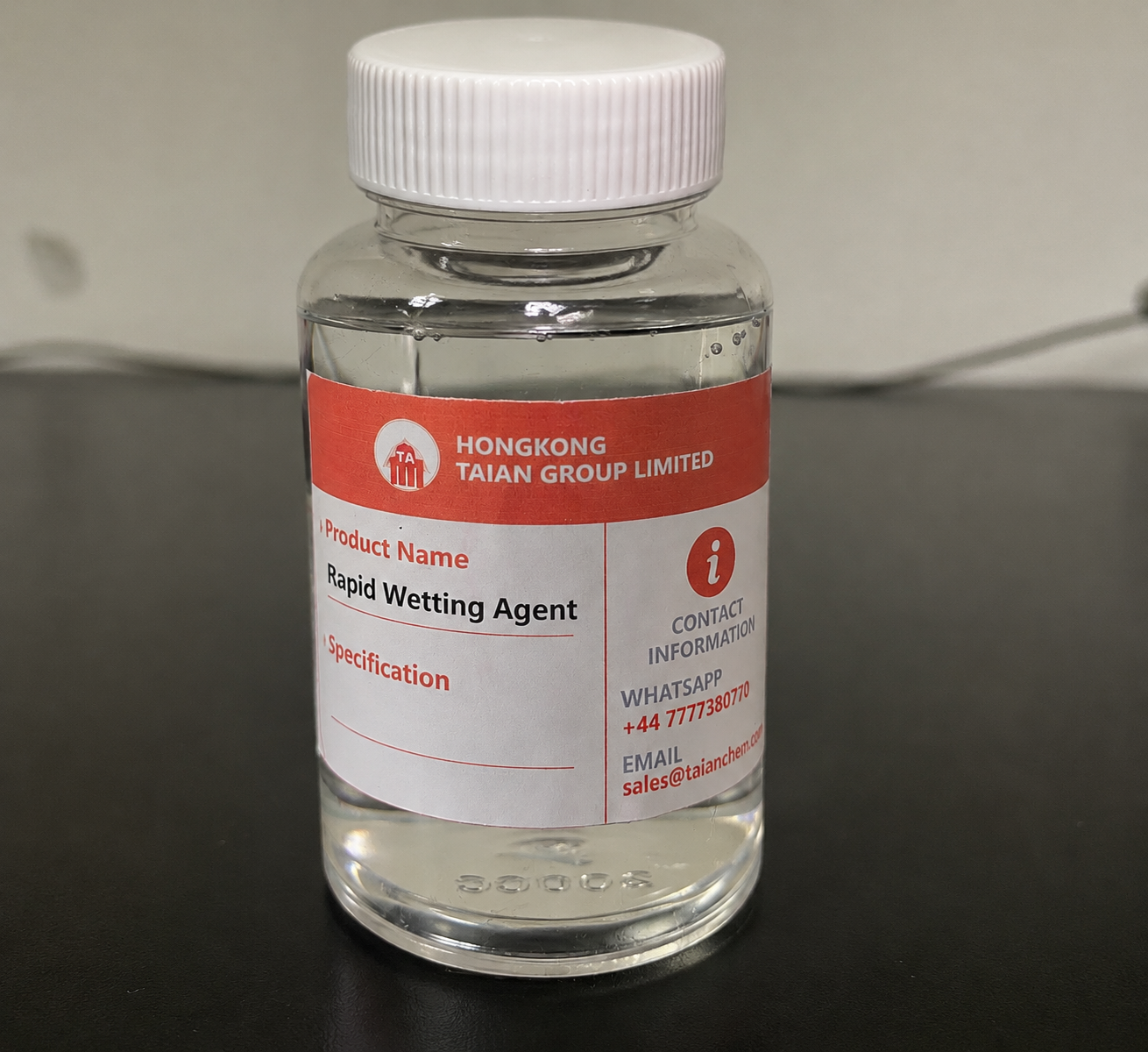
Dyeing auxiliaries are essential for achieving uniform and vibrant coloration of textiles. They work by improving dye solubility, enhancing dye penetration into the fabric, and promoting dye fixation. Different types of dyes require specific auxiliaries for optimal performance. For instance, leveling agents ensure even dye distribution, while dispersing agents prevent dye aggregation. Other key auxiliaries include wetting agents to improve fabric absorbency, and pH buffers to maintain the correct dyeing conditions. Using the right auxiliaries ensures consistent color reproduction and prevents defects like uneven dyeing or staining. Explore our range of dyeing auxiliaries for diverse applications.
Key Benefits of Dyeing Auxiliaries: Improved dye uptake, enhanced color fastness, reduced dyeing time, optimized water usage.
Printing Auxiliaries: Achieving Precise and Durable Prints
Printing auxiliaries are vital for achieving high-quality prints on textiles. These chemicals control the viscosity of printing pastes, enhance color brilliance, and improve print durability. Thickeners are used to prevent dye bleeding, while binders help fix the pigment onto the fabric. Fixing agents ensure wash fastness and prevent color fading. Furthermore, anti-foaming agents prevent bubble formation during printing, ensuring a smooth and consistent print. Different printing methods, such as screen printing, digital printing, and rotary printing, necessitate different auxiliary formulations.
Key Printing Auxiliary Functions:
• Control printing paste viscosity
• Enhance color brilliance
• Improve print durability & wash fastness
• Prevent dye bleeding
Types of Dyeing and Printing Auxiliaries: A Comparative Overview
Numerous types of auxiliaries are available, each serving a specific purpose. Understanding their differences is crucial for selecting the most appropriate chemicals for your application. Here’s a comparison of some common auxiliaries:
Eco-Friendly Dyeing and Printing Auxiliaries
Sustainability is increasingly important in the textile industry. Manufacturers are actively seeking eco-friendly auxiliaries that minimize environmental impact. Biodegradable auxiliaries, low-VOC (volatile organic compound) formulations, and products derived from renewable resources are gaining popularity. We offer a range of environmentally responsible dyeing and printing auxiliaries that meet stringent environmental standards.
Selecting the Right Auxiliaries: Factors to Consider
Choosing the right dyeing and printing auxiliaries requires careful consideration of several factors. These include the type of fiber being processed, the type of dye used, the desired color fastness properties, and the specific printing method employed. It's also essential to consider the environmental regulations and sustainability goals of your company. Consulting with a chemical supplier with expertise in textile auxiliaries can provide valuable guidance. Contact our team today for personalized recommendations.
Conclusion: Optimizing Textile Production with Quality Auxiliaries
Investing in high-quality dyeing and printing auxiliaries is essential for achieving superior textile products. By understanding the diverse functions of these chemicals and carefully selecting the right formulations, manufacturers can optimize their processes, improve product quality, and reduce environmental impact.
Frequently Asked Questions (FAQs)
What is the difference between a wetting agent and a dispersing agent?
Wetting agents reduce the surface tension of liquids, allowing them to spread more easily and improve fabric absorbency. They help the dye solution penetrate the textile fibers more effectively. Dispersing agents, on the other hand, prevent dye particles from aggregating or clumping together. This ensures uniform dye distribution and prevents uneven coloration. While both are important in dyeing processes, they address different challenges. Wetting agents tackle fabric preparation, while dispersing agents focus on dye stability.
How do I choose the right leveling agent for my dye?
The ideal leveling agent depends on the type of dye you're using and the fiber you're dyeing. Different dyes have different affinities for fabrics, and leveling agents are formulated to address these specific interactions. Generally, anionic leveling agents are used for reactive dyes, while non-ionic agents are suitable for disperse dyes. Consider factors like temperature, pH, and liquor ratio when selecting a leveling agent. Consulting the dye manufacturer's recommendations is always a good practice.
Are there any eco-friendly alternatives to traditional printing thickeners?
Yes, there are several eco-friendly alternatives to traditional synthetic thickeners. Alginates derived from seaweed are a popular choice, as they are biodegradable and produce less waste. Modified starches and cellulose-based thickeners are also gaining traction. These alternatives offer comparable performance to synthetic thickeners while minimizing environmental impact. At Dyeingchem, we provide a selection of sustainable printing thickeners.