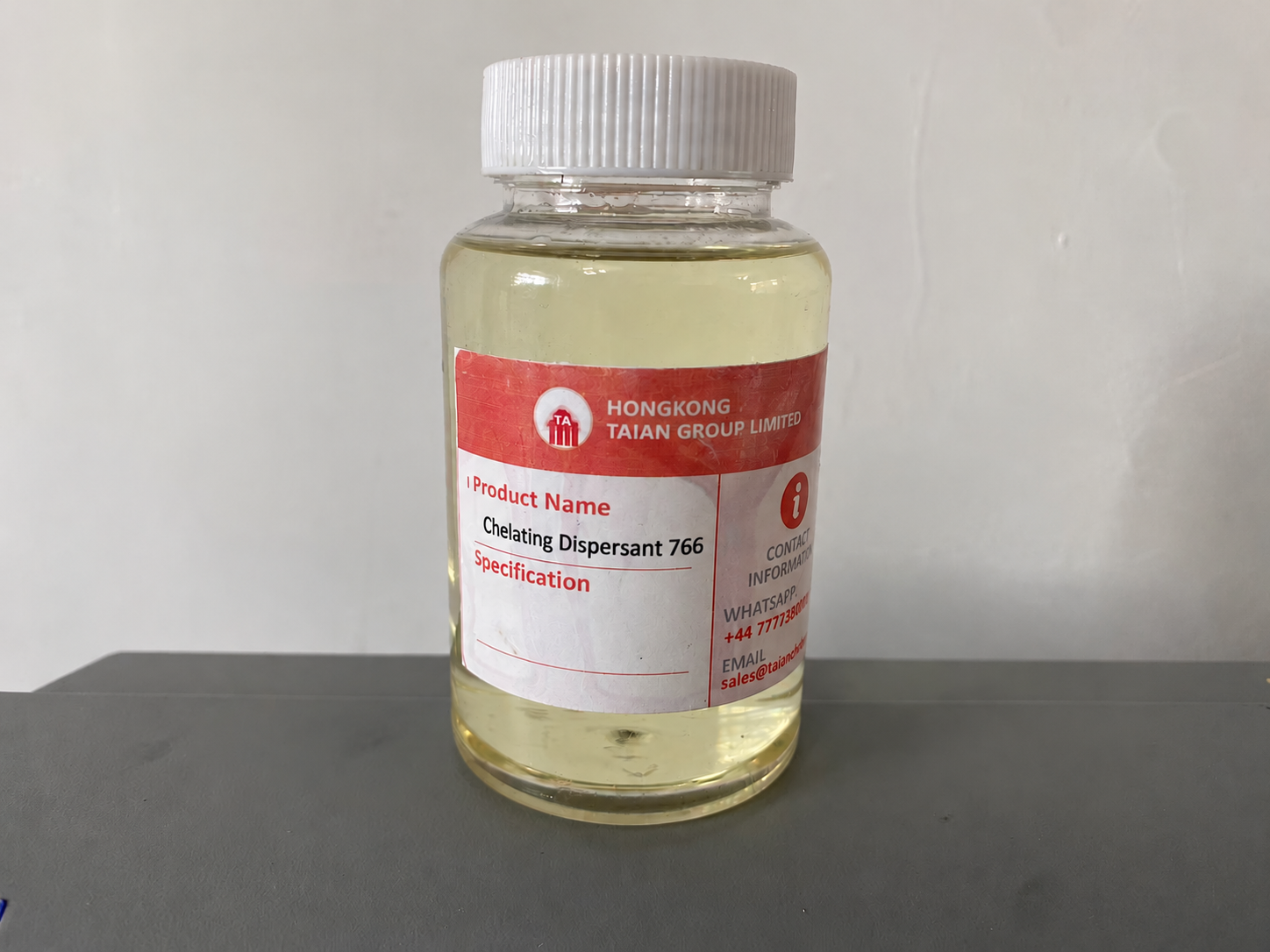
Comprehensive Guide to Textile Auxiliary Chemicals for Optimal Fabric Processing
Comprehensive Guide to Textile Auxiliary Chemicals for Optimal Fabric Processing
Understanding Textile Auxiliary Chemicals: A Comprehensive Guide
Textile auxiliary chemicals are vital components in modern textile processing, enhancing various stages from pre-treatment to finishing. These chemicals aren't part of the fiber structure itself, but significantly impact the quality, durability, and aesthetic appeal of fabrics. Selecting the right textile auxiliary chemicals is crucial for achieving optimal results and meeting industry standards. This article delves into the different types, applications, and considerations when choosing these essential compounds. We’ll cover everything from wetting agents to finishing agents, providing a thorough understanding for professionals in the textile industry.
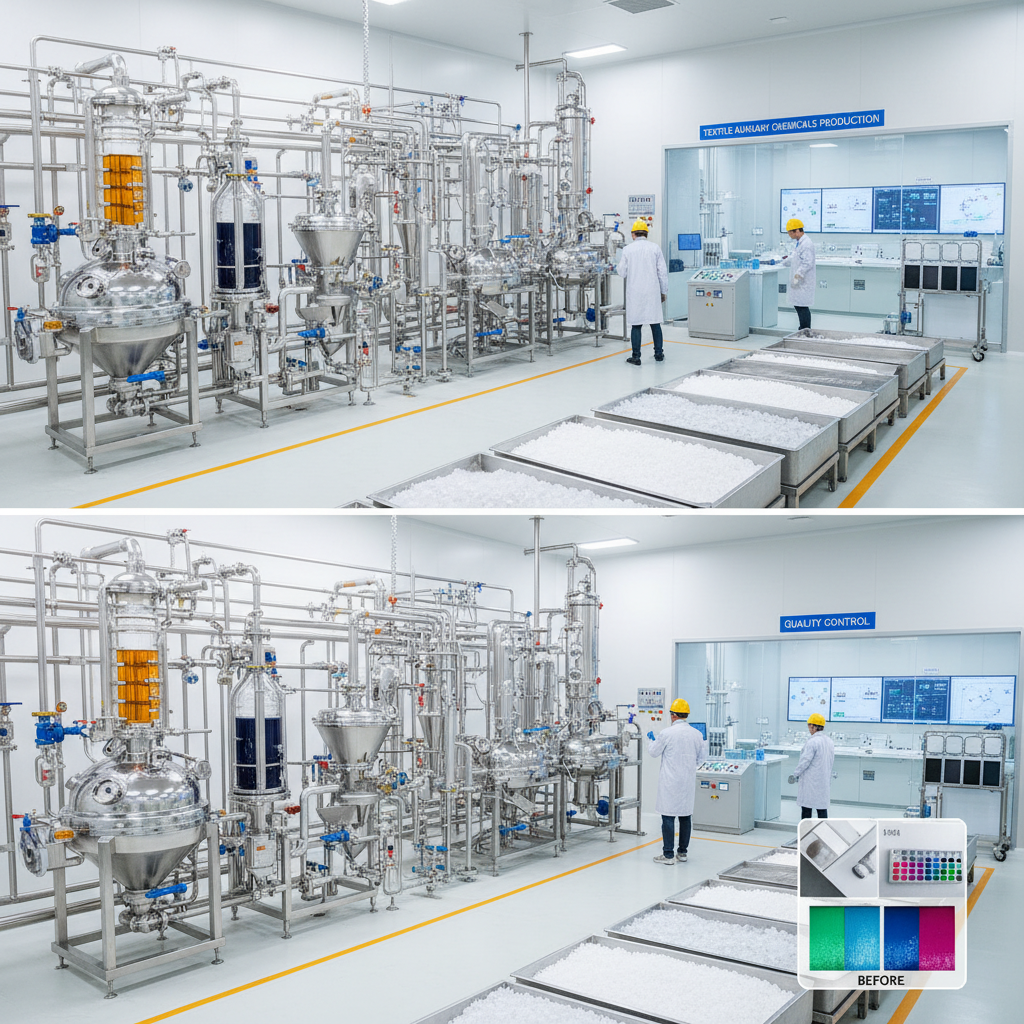
Key Categories of Textile Auxiliary Chemicals
Textile auxiliary chemicals are broadly categorized based on their function. These include pre-treatment chemicals (for cleaning and preparing fabrics), dyeing auxiliaries (enhancing dye uptake and leveling), printing auxiliaries (improving print quality and fixation), and finishing agents (imparting desired properties like softness, water repellency, and wrinkle resistance). Understanding these categories is the first step in selecting the appropriate chemicals for a specific textile process. The selection process directly impacts the final product's quality and efficiency of production. Properly selected auxiliaries can also reduce environmental impact.
Key Takeaway: Effective textile processing relies heavily on a deep understanding of the different types of auxiliary chemicals and their specific roles in each stage of production.
The Role of Wetting Agents and Dispersants
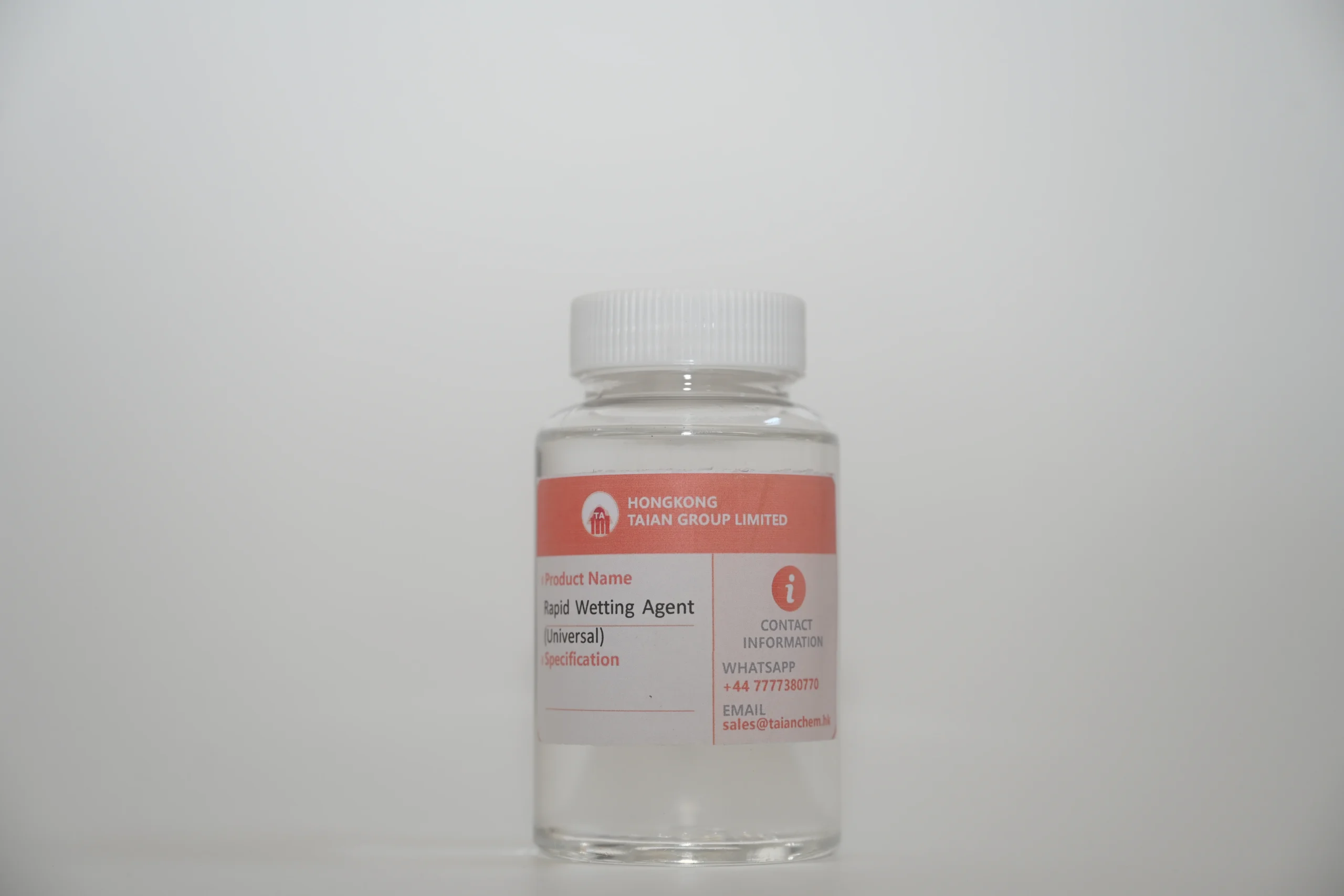
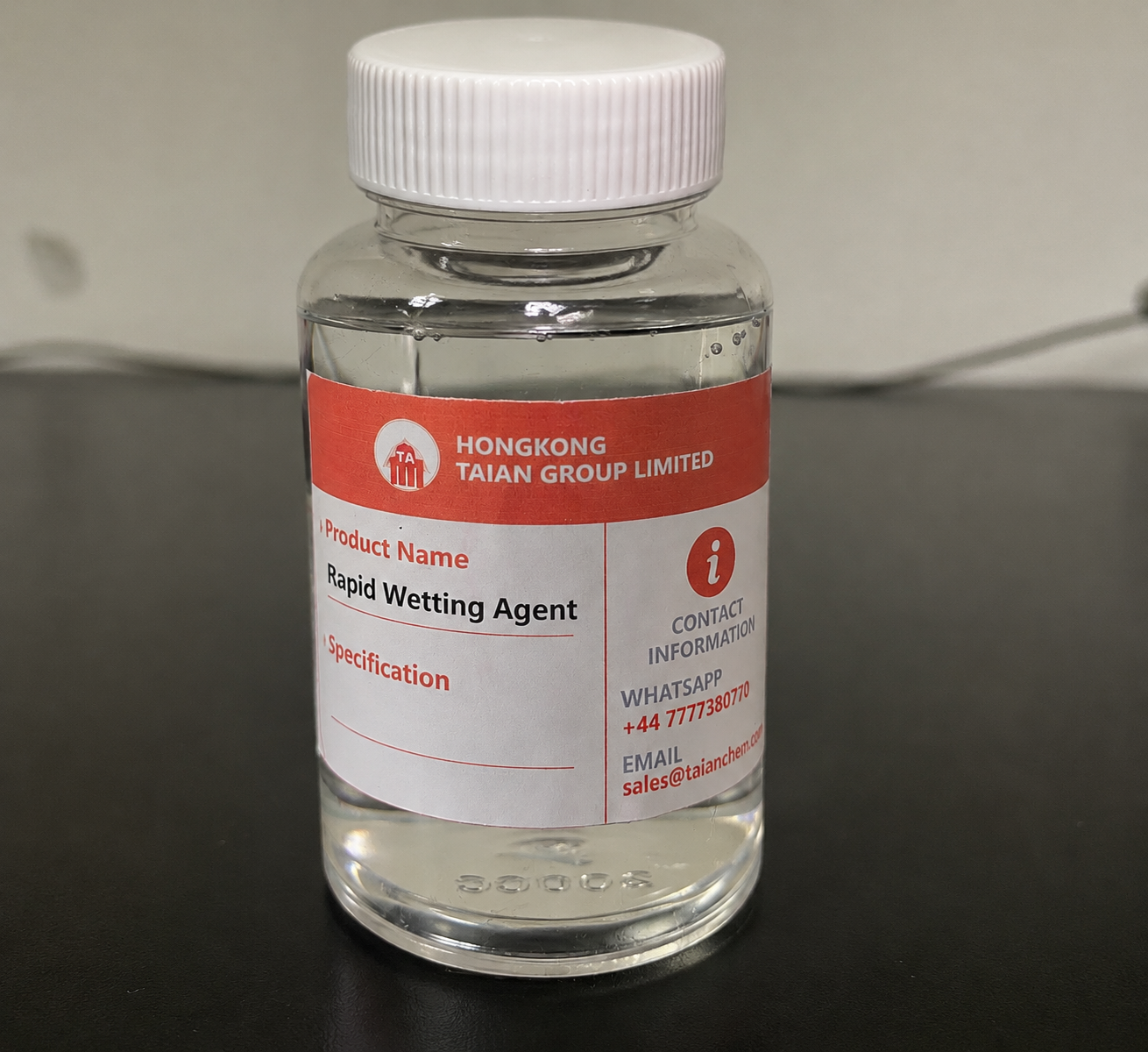
Wetting agents are crucial in the pre-treatment stage, reducing surface tension and allowing water and other chemicals to penetrate the fabric evenly. Dispersants, often used with dyes, prevent aggregation and ensure uniform distribution throughout the textile material. Without these auxiliaries, achieving consistent and vibrant color is challenging. These chemicals significantly improve the efficiency of dyeing and printing processes, reducing chemical waste and energy consumption. They are foundational to achieving high-quality textile coloration.
Benefits of Wetting Agents & Dispersants:
• Improved penetration of chemicals
• Uniform dye distribution
• Reduced chemical consumption
• Enhanced fabric quality
Textile Auxiliary Chemicals: A Comparative Analysis
Different types of textile auxiliaries excel in specific applications. For instance, cationic softening agents provide a luxurious hand feel, while silicone emulsions offer excellent water repellency. Selecting the right auxiliary requires understanding the fabric type, desired finish, and process conditions. Choosing the wrong chemical can lead to undesirable results, such as color fading, reduced fabric strength, or uneven finishing. Dyeingchem offers a wide range of solutions tailored to different needs.
Environmental Considerations & Sustainable Chemistry
The textile industry is increasingly focused on sustainability. Choosing eco-friendly textile auxiliary chemicals is crucial for reducing environmental impact. This includes opting for biodegradable formulations, minimizing the use of harmful substances, and reducing water and energy consumption. Dyeingchem is committed to providing sustainable solutions that meet both performance and environmental standards. This commitment reflects a growing industry trend towards responsible manufacturing practices.

Product Specifications and Quality Control
Ensuring the quality and consistency of textile auxiliary chemicals is paramount. Reputable suppliers provide detailed product specifications, including chemical composition, pH levels, viscosity, and performance data. Rigorous quality control measures, such as batch testing and impurity analysis, are essential for maintaining product integrity. Partnering with a trusted supplier like Dyeingchem guarantees access to high-quality chemicals and reliable technical support.
Conclusion: Optimizing Textile Processing with the Right Auxiliaries
Choosing the correct textile auxiliary chemicals is essential for achieving high-quality results, optimizing production efficiency, and minimizing environmental impact. By understanding the different types of chemicals, their applications, and the importance of sustainable practices, textile manufacturers can enhance their processes and deliver superior products. Partnering with a reliable supplier like Dyeingchem ensures access to the expertise and resources needed to navigate the complex world of textile chemistry.
Frequently Asked Questions (FAQs)
What factors should I consider when selecting a textile auxiliary chemical?
Several factors are crucial when choosing the right textile auxiliary chemical. These include the type of fiber being processed (cotton, polyester, wool, etc.), the desired finishing effect (softness, water repellency, wrinkle resistance), the specific processing conditions (temperature, pH, concentration), and environmental regulations. It’s important to consider the chemical's compatibility with other chemicals being used in the process and its potential impact on the fabric's performance and durability. Choosing a chemical specifically formulated for your application will yield the best results. Always consult the supplier’s technical data sheets for detailed guidance.
How can I ensure the compatibility of different textile auxiliary chemicals?
Compatibility testing is essential before combining different auxiliary chemicals. Start by consulting the supplier’s technical data sheets, which often provide information on potential incompatibilities. Conduct small-scale trials to observe any adverse reactions, such as precipitation, discoloration, or reduced effectiveness. Always add chemicals in the recommended order and concentration. If you are unsure, consult with a textile chemist or technical expert. Proper planning and testing can prevent costly production issues and ensure optimal results.
What are the environmental considerations when using textile auxiliary chemicals?
Environmental impact is a growing concern in the textile industry. Choose biodegradable and low-VOC (volatile organic compound) chemicals whenever possible. Minimize the use of hazardous substances like APEOs (alkylphenol ethoxylates) and formaldehyde. Implement closed-loop systems to recycle and reuse chemicals, reducing waste and water consumption. Comply with relevant environmental regulations and consider the entire life cycle of the chemicals used. Sustainable chemistry practices are vital for protecting the environment and ensuring the long-term viability of the textile industry.
Where can I find reliable suppliers of textile auxiliary chemicals?
Finding a trustworthy supplier is critical. Look for companies with a strong reputation for quality, reliability, and technical expertise. Check for certifications like ISO 9001, which demonstrate commitment to quality management. Dyeingchem is a reputable supplier offering a wide range of high-quality textile auxiliary chemicals and comprehensive technical support. Consider suppliers who also prioritize sustainability and offer eco-friendly options.