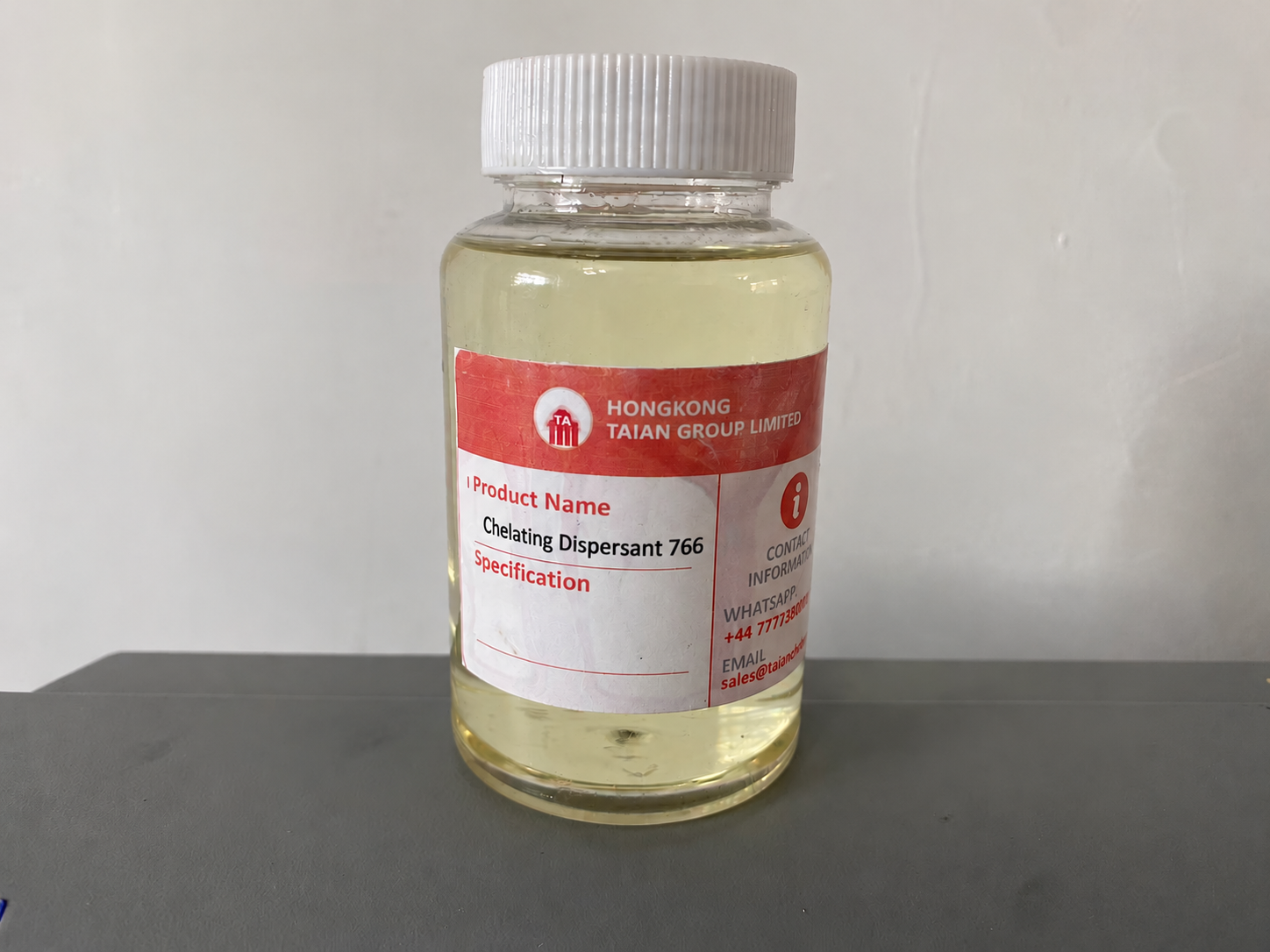
How Liquid Reducing Agent Improves Dye Penetration in Fabrics
How Liquid Reducing Agent Improves Dye Penetration in Fabrics
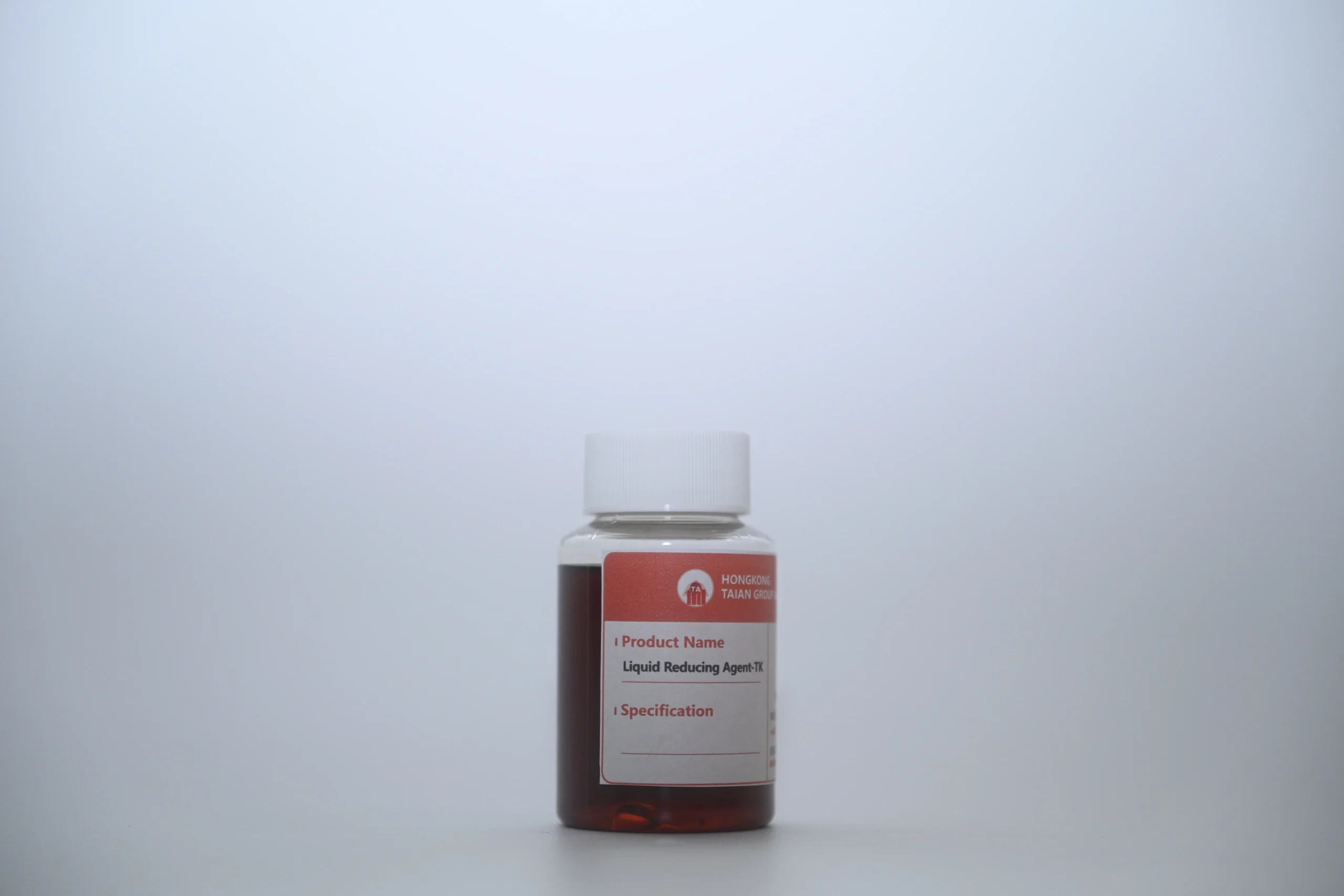
In textile dyeing processes—from cotton and wool to synthetic blends—achieving uniform, deep dye penetration is critical to producing high-quality, long-lasting fabrics. Liquid reducing agent, a key component of textile dyeing auxiliaries and broader textile chemicals and auxiliaries, plays a pivotal role in breaking down dye molecules, softening fabric fibers, and removing barriers that hinder dye absorption. As a trusted textile auxiliary manufacturer with over 25 years of experience (established in 1999), our company boasts a team of seasoned experts—including 15-20 year industry veterans in R&D, production management, and quality control—who craft high-performance textile auxiliaries tailored to wholesalers’ needs. We’ve evolved from a specialized facility to an international enterprise, ensuring our liquid reducing agent and other textile dyeing auxiliaries meet global standards for consistency and efficacy. This article explores how liquid reducing agent enhances dye penetration, and why our wholesale-focused solutions excel for clients supplying textile mills and dyeing facilities worldwide.
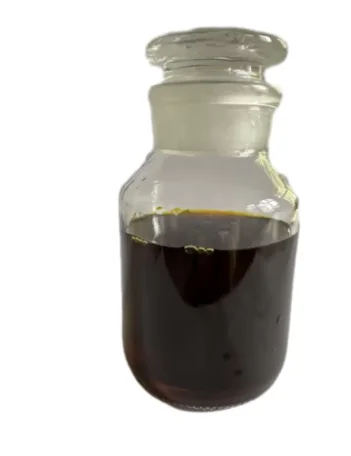
The Science of Dye Penetration Enhancement With Liquid Reducing Agent
• Breaking Down Dye Aggregates for Better Dispersion: Dye molecules often clump together (form aggregates) in dye baths, creating large particles that can’t penetrate fabric fibers deeply—leading to uneven color and surface-only staining. Liquid reducing agent works by breaking these aggregates into smaller, more soluble molecules, ensuring uniform dispersion in the dye bath. Our R&D team optimizes the formulation of our liquid reducing agent to target specific dye types (e.g., reactive, disperse, vat dyes), with ingredients that weaken intermolecular bonds between dye particles without damaging the dye’s colorfastness. For example, when used with reactive dyes for cotton, our liquid reducing agent reduces aggregate size by 60-70%, allowing dye molecules to seep into the fabric’s inner fibers rather than sitting on the surface. A wholesaler supplying Asian cotton mills reported that our liquid reducing agent improved color uniformity by 40%, cutting fabric rejection rates significantly.
• Softening Fabric Fibers to Reduce Penetration Resistance: Natural fibers like cotton and wool have rigid, compact structures that act as barriers to dye penetration—especially when fibers are stiff from manufacturing residues (e.g., sizing agents). Liquid reducing agent contains softening compounds that relax fiber structures, creating micro-gaps between fiber strands that dye molecules can easily pass through. Unlike harsh chemicals that damage fibers, our liquid reducing agent (part of our premium textile dyeing auxiliaries line) uses mild, fiber-friendly ingredients that maintain fabric strength while enhancing permeability. For wool fabrics, this means dye penetrates the curly fiber cores, resulting in richer, more durable color. Our production management team ensures each batch of liquid reducing agent has consistent softening efficacy, so wholesalers can deliver reliable results to their clients.
Product Specifications: Liquid Reducing Agent for Different Textile Fibers
Product Category | Our Specifications | Wholesale Value & Market Appeal | Ideal Fabric Applications |
Reactive Dye Liquid Reducing Agent | Formulation: Anionic-based; pH range: 6.5-7.5; compatibility: Reactive dyes (cotton, linen); dosage: 1-3% o.w.f. (on weight of fabric); shelf life: 12 months | Cotton/linen dyeing; cost-effective; enhances colorfastness; low dosage requirement | Cotton t-shirts, linen towels, denim fabrics |
Vat Dye Liquid Reducing Agent | Formulation: Non-ionic blend; pH range: 8.0-9.0; compatibility: Vat dyes (wool, silk); dosage: 2-4% o.w.f.; shelf life: 10 months | Wool/silk dyeing; reduces dyeing time; improves deep color penetration; eco-friendly (low VOC) | Wool sweaters, silk scarves, high-end woolen fabrics |
Synthetic Fiber Liquid Reducing Agent | Formulation: Cationic-based; pH range: 5.5-6.5; compatibility: Disperse dyes (polyester, nylon); dosage: 0.8-2% o.w.f.; shelf life: 14 months | Polyester/nylon dyeing; heat-stable (up to 130°C); prevents dye migration; suitable for high-temperature dyeing | Polyester sportswear, nylon leggings, synthetic blends |
Key Benefits of Our Textile Dyeing Auxiliaries for Wholesalers
• Cost-Efficiency and Dosage Optimization: As a textile auxiliaries company focused on wholesale value, we design our textile dyeing auxiliaries—including liquid reducing agent—to require lower dosages than competitors’ products. This means textile mills get more dyeing cycles per batch of auxiliary, reducing their overall operational costs. For example, our reactive dye liquid reducing agent needs just 1-3% o.w.f., compared to 3-5% for generic alternatives. Our quality control team tests each batch for dosage efficacy, ensuring wholesalers can market a cost-saving solution to their clients. A wholesaler serving European polyester mills noted that our low-dosage liquid reducing agent helped clients cut auxiliary expenses by 25%.
• Compatibility With Broad Textile Chemicals and Auxiliaries: Textile dyeing processes use multiple additives (e.g., leveling agents, wetting agents, fixatives), and incompatibility between auxiliaries can ruin batches. Our liquid reducing agent is formulated to work seamlessly with most common textile chemicals and auxiliaries, eliminating the risk of clashing ingredients. We provide detailed compatibility charts to wholesalers, outlining which of our products pair with different dyes and additives. This flexibility makes our textile dyeing auxiliaries a go-to choice for mills that use diverse dyeing processes. Our international business team also offers multilingual support to wholesalers, helping them explain compatibility benefits to global clients.
Sustainability Features of Our Liquid Reducing Agent
• Eco-Friendly Formulations to Meet Global Standards: Modern textile facilities prioritize sustainability, and our liquid reducing agent aligns with this goal—free from heavy metals, formaldehyde, and high-VOC (volatile organic compound) ingredients. It’s biodegradable, breaking down in wastewater treatment systems to reduce environmental impact, and complies with global standards like OEKO-TEX® and GOTS (Global Organic Textile Standard). Our R&D team continuously improves sustainability, recently launching a low-salt liquid reducing agent variant that cuts water usage in dye baths by 30%. Wholesalers supplying eco-conscious mills appreciate that our textile dyeing auxiliaries help their clients meet green certification requirements.
• Reducing Water and Energy Consumption: Inefficient dyeing processes waste water (for rinsing) and energy (for heating baths). Our liquid reducing agent speeds up dye penetration, reducing dyeing time by 15-20% and cutting the need for multiple rinses to remove surface dye. This translates to lower water and energy use for mills—a key selling point for wholesalers. For example, a cotton mill using our liquid reducing agent reduced its water consumption per batch by 25%, lowering utility costs and environmental footprint. Our production management team ensures sustainable practices extend to manufacturing, with minimal waste in liquid reducing agent production.
Liquid Reducing Agent FAQS
Can Liquid Reducing Agent Be Used With All Types of Textile Dyes?
Our liquid reducing agent is formulated for specific dye types—we offer variants for reactive, vat, and disperse dyes (the most common in textile manufacturing). It’s not universal: for example, acid dyes (used for wool) require a different auxiliary, though we do offer compatible acid dye auxiliaries. Our compatibility charts (provided to wholesalers) clearly outline which liquid reducing agent pairs with each dye type. A wholesaler supplying Indian silk mills reported that using the correct vat dye liquid reducing agent variant eliminated 90% of dyeing issues, like uneven color.
What Is the Recommended Storage Condition for Liquid Reducing Agent?
To maintain efficacy, store liquid reducing agent in a cool (15-25°C), dry area away from direct sunlight and extreme temperatures. Freezing or overheating can break down active ingredients—our products have a freezing point of -5°C, so avoid cold storage below this. It should also be kept in sealed containers to prevent contamination or evaporation. Our textile auxiliaries come with labeled storage instructions, which wholesalers can share with clients. A wholesaler serving Middle Eastern mills noted that following storage guidelines extended the shelf life of our liquid reducing agent by 2-3 months.
Does Liquid Reducing Agent Affect Fabric Strength or Softness?
No—our liquid reducing agent is designed to preserve fabric quality. It softens fibers to enhance dye penetration but doesn’t weaken them, as it uses mild, fiber-compatible ingredients. Testing shows that fabrics treated with our product maintain 95%+ of their original tensile strength, and softness is often improved (a bonus for consumer textiles like clothing and towels). Our quality control team conducts strength tests on every new liquid reducing agent batch to ensure this. A wholesaler supplying North American towel mills reported that clients praised the softer feel of fabrics dyed with our liquid reducing agent.
What Dosage of Liquid Reducing Agent Is Needed for Heavyweight Fabrics?
Heavyweight fabrics (e.g., denim, thick wool) have denser fibers, requiring a slightly higher liquid reducing agent dosage—typically 2-4% o.w.f. (compared to 1-3% for lightweight fabrics like cotton jersey). Our dosage guidelines (included with wholesale orders) specify adjustments for fabric weight and density, and our team can provide custom recommendations for unique fabrics. For example, heavy denim requires 3-4% o.w.f. to ensure dye penetrates the thick yarns, preventing faded exteriors and uneven interiors. A wholesaler supplying European denim mills noted that following our dosage advice resulted in consistent, deep color across heavyweight fabrics.
What Support Do You Offer Wholesalers of Textile Dyeing Auxiliaries?
We provide end-to-end support for wholesalers: 1) Technical guidance—our R&D team helps wholesalers advise clients on liquid reducing agent selection, dosage, and compatibility; 2) Marketing materials—datasheets, case studies, and product samples to help wholesalers promote our textile dyeing auxiliaries; 3) Quality assurance—batch-specific test reports to verify efficacy and compliance; 4) Logistics support—bulk packaging options (20L drums, 1000L IBC tanks) and timely shipping for global orders. Our international business team offers seamless communication in multiple languages, ensuring smooth collaboration. A wholesaler supplying Southeast Asian mills reported that our support helped them increase sales of liquid reducing agent by 35% in their first year partnering with us.