Eco-Friendly Auxiliaries in Textile Dyeing Trends
Eco-Friendly Auxiliaries in Textile Dyeing Trends
As global textile industries shift toward sustainability—driven by consumer demand, regulatory standards, and environmental responsibility—auxiliaries in textile dyeing have become a focal point of innovation. Among these, eco-friendly variants of the reducing agent (including solid reducing agent) are leading the trend, replacing traditional chemical-heavy options with formulations that cut waste, lower carbon footprints, and maintain dyeing efficacy. As a trusted textile auxiliary manufacturer established in 1999, we bring over 25 years of expertise to crafting sustainable auxiliaries in textile dyeing, supported by a team of seasoned professionals (15-20 years of industry experience) across R&D, production, and quality control. Our evolution from a specialized facility to an international enterprise ensures our solid reducing agent and other eco-friendly auxiliaries meet global standards, making them ideal for wholesalers supplying forward-thinking textile mills. This article explores key trends in eco-friendly auxiliaries in textile dyeing and why our wholesale-focused solutions align with the industry’s sustainability goals.
The Rise of Solid Reducing Agent in Eco-Friendly Textile Dyeing
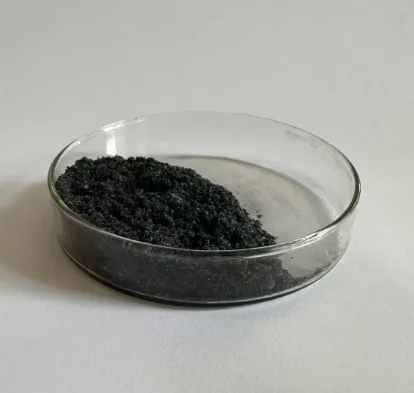
• Lower Environmental Impact Than Liquid Counterparts: Solid reducing agent is emerging as a sustainable alternative to liquid variants, primarily due to reduced packaging waste and lower transportation emissions. Unlike liquid the reducing agent (which requires plastic or metal containers), our solid reducing agent uses recyclable, compostable packaging—cutting plastic waste by up to 80% per batch. Additionally, solid formulations are denser, meaning fewer shipments are needed to meet the same demand, reducing carbon emissions from transportation. Our R&D team optimized the solubility of our solid reducing agent to ensure it dissolves quickly in dye baths, matching the performance of liquid alternatives while delivering eco-benefits. A wholesaler supplying European cotton mills reported that switching to our solid reducing agent helped their clients reduce logistics-related emissions by 35%.
• Reduced Water and Chemical Usage: Solid reducing agent is formulated to require lower dosages than traditional liquid the reducing agent, minimizing chemical input into dye baths. For example, our solid variant needs just 0.5-2% o.w.f. (on weight of fabric) for reactive dyeing, compared to 1-3% for liquid alternatives. This not only cuts chemical costs but also reduces the amount of auxiliaries that end up in wastewater, easing treatment burdens for textile mills. Our quality control team tests each batch to ensure dosage efficiency, so wholesalers can market a solution that lowers both environmental impact and operational costs. A wholesaler serving Asian denim mills noted that our solid reducing agent reduced their clients’ wastewater chemical loads by 25%.
Key Trends in Eco-Friendly Auxiliaries in Textile Dyeing Solid Reducing Agent
Trend Category | Description & Alignment With Our Products | Wholesale Value & Market Appeal | Ideal Textile Applications |
Bio-Based The Reducing Agent | Formulated with plant-derived ingredients (e.g., sugarcane byproducts, natural enzymes) instead of petroleum-based chemicals. Our bio-based the reducing agent is 100% biodegradable and compliant with GOTS. | Appeals to organic textile mills; meets eco-certifications (OEKO-TEX®); enhances brand reputation for sustainability | Organic cotton, hemp fabrics, GOTS-certified apparel |
Low-Salt Auxiliaries in Textile Dyeing | Salt is a common additive in dyeing, but excess salt harms aquatic ecosystems. Our eco-friendly auxiliaries in textile dyeing (including solid reducing agent) are low-salt or salt-free, cutting salt use by 70%. | Reduces wastewater treatment costs; avoids salt-related environmental fines; suitable for water-scarce regions | Cotton, linen, and blended fabrics in water-scarce areas (e.g., Middle East) |
Energy-Efficient The Reducing Agent | Optimized to work at lower temperatures (60-80°C instead of 80-100°C), reducing energy use for heating dye baths. Our the reducing agent maintains efficacy at low temps, matching high-heat performance. | Lowers mills’ energy bills; reduces carbon footprints; aligns with global energy-saving goals | Polyester blends, wool, and silk (temperature-sensitive fabrics) |
Sustainability Certifications and Compliance for The Reducing Agent
• Meeting Global Eco-Standards for Market Access: Modern textile mills require auxiliaries in textile dyeing to carry recognized sustainability certifications to access global markets. Our solid reducing agent and the reducing agent meet standards like OEKO-TEX® Standard 100 (no harmful substances), GOTS (for organic textiles), and ISO 14001 (environmental management). These certifications eliminate barriers for wholesalers selling to mills that export to regions like the EU, North America, and Japan—where strict eco-regulations apply. We provide detailed certification documents with every wholesale order, helping wholesalers streamline client compliance processes. Our international business team also offers support in verifying regional standards, ensuring our auxiliaries align with local requirements. A wholesaler supplying Australian organic mills reported that our certified the reducing agent helped them enter the organic textile market, which was previously inaccessible with non-certified products.
• Transparency in Supply Chains: Sustainability now includes supply chain transparency, and we provide wholesalers with full visibility into the sourcing and production of our auxiliaries in textile dyeing. For example, our solid reducing agent uses raw materials sourced from Fair Trade-certified suppliers, ensuring ethical labor practices and minimal environmental impact at the upstream level. We share supply chain reports with wholesalers, who can pass this transparency to their clients—enhancing trust and brand value. Our production management team also implements eco-friendly manufacturing practices (e.g., solar-powered facilities, water recycling) to reduce the carbon footprint of our auxiliaries, a selling point for wholesalers targeting sustainability-focused mills.
The Reducing Agent FAQS
Is Solid Reducing Agent Compatible With High-Temperature Dyeing Processes?
Yes—our solid reducing agent is designed to withstand high temperatures (up to 130°C) for synthetic fabric dyeing (e.g., polyester). It maintains stability and efficacy even in high-heat baths, matching the performance of liquid the reducing agent without compromising sustainability. Our R&D team tested the solid variant in 120-130°C disperse dyeing cycles, confirming it dissolves fully and prevents dye aggregation. A wholesaler supplying North American sportswear mills reported that our solid reducing agent performed reliably in high-temperature polyester dyeing, with no impact on colorfastness.
How Does The Reducing Agent Contribute to Circular Textile Practices?
Our the reducing agent (both solid and liquid variants) supports circularity by being biodegradable and non-toxic, ensuring fabrics dyed with our auxiliaries are easier to recycle or upcycle. Additionally, the low-dosage formulation reduces chemical buildup in fabrics, making them more compatible with fiber-recycling processes (e.g., mechanical or chemical recycling of cotton). For mills focused on circularity, this means their dyed fabrics can re-enter the supply chain as recycled fibers, reducing waste. A wholesaler serving European sustainable fashion brands noted that our the reducing agent helped their clients achieve circularity certifications for their recycled fabric lines.
What Is the Shelf Life of Solid Reducing Agent, and How Should It Be Stored?
Our solid reducing agent has a shelf life of 18-24 months when stored in a cool (15-25°C), dry area away from direct sunlight and moisture. It should be kept in its original sealed packaging to prevent clumping or degradation. Unlike liquid the reducing agent (which can expire in 12-14 months), the solid variant’s longer shelf life reduces waste for wholesalers and mills. We include clear storage instructions with every order, and our production team uses moisture-resistant packaging to protect the product during transit. A wholesaler supplying African textile mills reported that the long shelf life of our solid reducing agent minimized inventory losses from expired stock.
Can The Reducing Agent Be Used in Both Batch and Continuous Dyeing Systems?
Absolutely—our the reducing agent (solid and liquid) is compatible with both batch dyeing (e.g., jet dyeing for small batches) and continuous dyeing (e.g., pad-dyeing for large fabric rolls). For continuous systems, our solid reducing agent can be pre-dissolved in a storage tank and metered into the dye bath automatically, ensuring consistent dosing. Our technical team provides setup guidelines for wholesalers to share with clients, helping mills integrate the product into their existing systems. A wholesaler serving Asian large-scale fabric manufacturers noted that our the reducing agent worked seamlessly in their clients’ continuous dyeing lines, reducing downtime from system adjustments.
What Support Do You Offer Wholesalers for Promoting Eco-Friendly Auxiliaries in Textile Dyeing?
We provide wholesalers with comprehensive support to market our eco-friendly auxiliaries in textile dyeing: 1) Marketing materials—datasheets, sustainability reports, and case studies highlighting the environmental benefits of our solid reducing agent and the reducing agent; 2) Technical training—webinars and guides for wholesalers to understand product specs and answer client questions; 3) Custom samples—small-batch samples for mills to test before bulk orders; 4) Multilingual support—our international business team assists with regional market needs (e.g., local certification requirements). A wholesaler supplying Middle Eastern textile mills reported that our support materials helped them secure 40% more orders for eco-friendly auxiliaries. To explore our solid reducing agent, the reducing agent, and other eco-friendly auxiliaries in textile dyeing, visit our company webpage today!