Exploring the Benefits of Safer Solvents and Auxiliaries for Sustainable Chemistry
Exploring the Benefits of Safer Solvents and Auxiliaries for Sustainable Chemistry
Safer Solvents and Auxiliaries: A Guide to Sustainable Chemical Solutions
In the world of industrial chemistry, particularly in sectors like textiles, paints, and coatings, the choice of solvents and auxiliaries significantly impacts both process efficiency and environmental sustainability. Traditional solvents often pose risks to human health and the environment due to their volatility, toxicity, and flammability. This article explores the growing trend towards safer solvents and auxiliaries, detailing their benefits, applications, and how businesses can make the transition. Prioritizing these alternatives is a crucial step toward responsible chemical management and a greener future.
Understanding the Need for Safer Alternatives
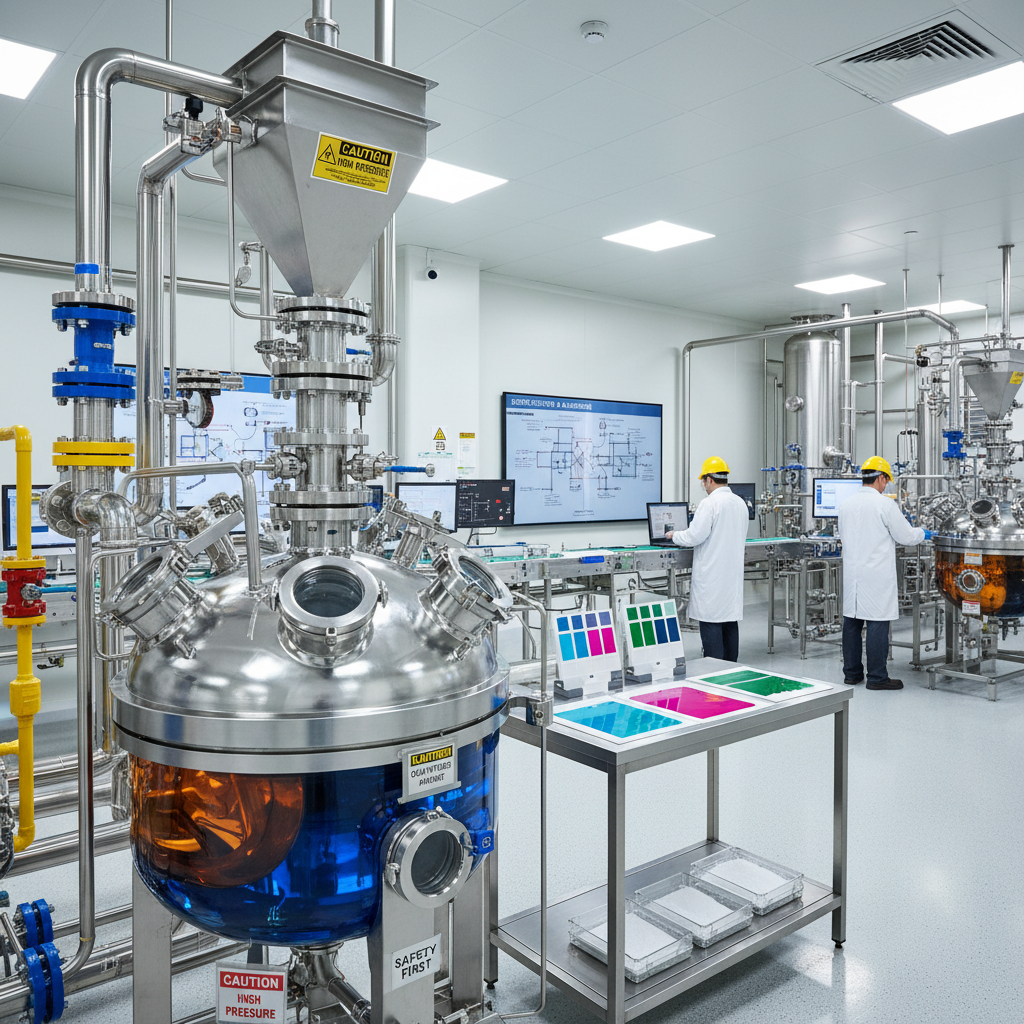
Many conventional solvents, such as chlorinated hydrocarbons and aromatic compounds, are under increasing regulatory scrutiny due to their adverse effects. Exposure to these substances can lead to respiratory problems, skin irritation, and even long-term health issues. Furthermore, their release into the environment contributes to air and water pollution. The demand for safer solvents and auxiliaries isn't just a matter of compliance; it’s about protecting workers, communities, and the planet. The shift towards sustainability is driven by both ethical considerations and growing consumer awareness.
Key Benefits: Reduced environmental impact, improved worker safety, enhanced product quality, and compliance with regulations.
Types of Safer Solvents and Auxiliaries
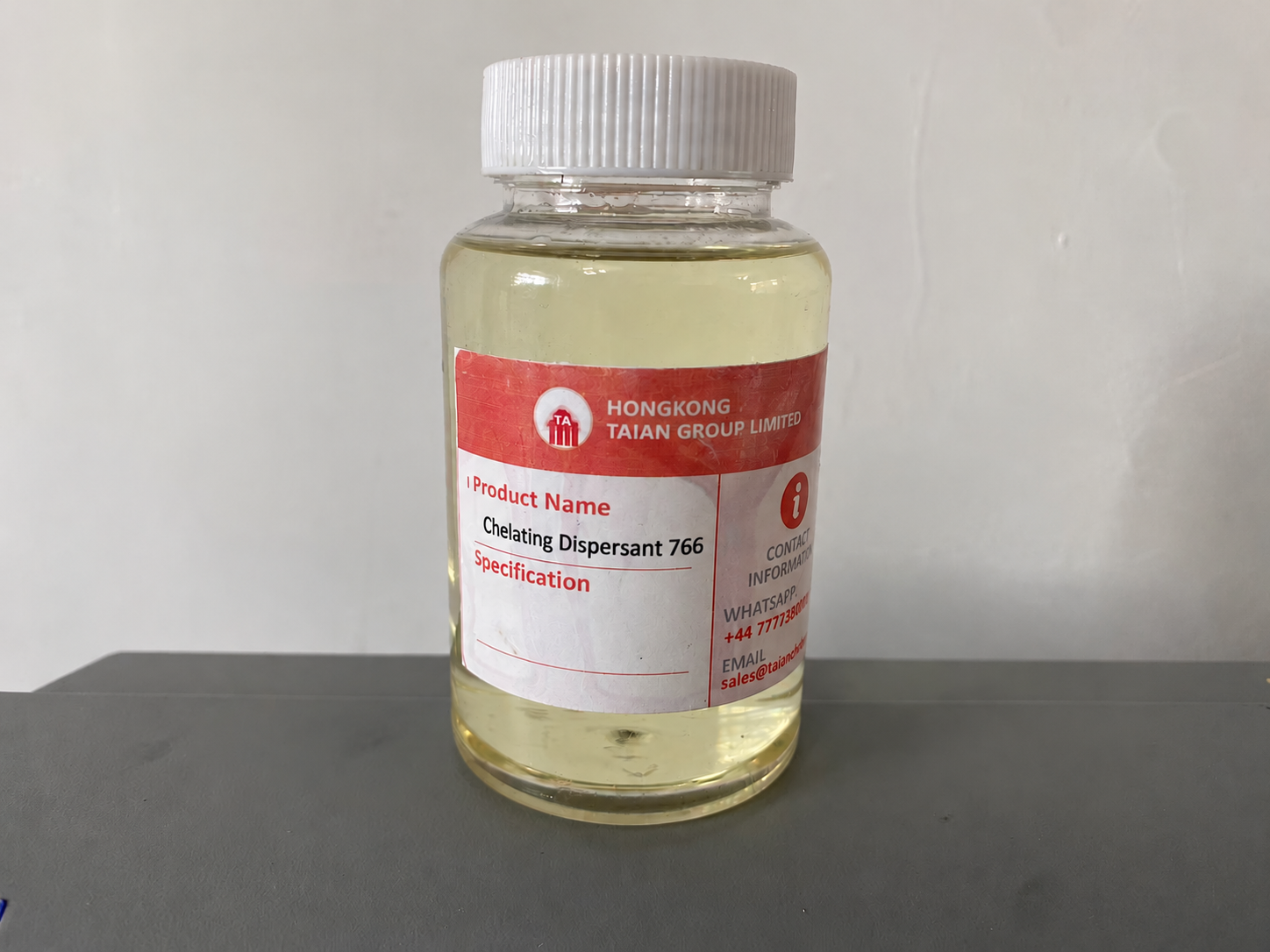
The market offers a growing range of alternatives, each with its own set of properties and applications. These include bio-based solvents derived from renewable resources, such as agricultural byproducts and plant oils. Examples include ethyl lactate, d-limonene, and methyl soyate. Water-based systems are another excellent option, offering minimal environmental impact and reduced health risks. Supercritical fluids, like carbon dioxide, are also gaining traction for specialized applications, offering unique solvency properties with minimal residue. Auxiliaries, too, are evolving, with biodegradable surfactants and chelating agents replacing traditional, more harmful substances.
Key Solvent Alternatives:
• Ethyl Lactate
• d-Limonene
• Methyl Soyate
• Water-Based Systems
Comparing Traditional vs. Safer Solvent Options
A direct comparison reveals significant advantages of switching to safer alternatives. While traditional solvents often offer high solvency power, they come with substantial environmental and health drawbacks. Safer solvents may require process optimization to achieve comparable performance, but the long-term benefits outweigh these initial adjustments. The table below highlights some key differences:
Applications in Key Industries
The use of safer solvents and auxiliaries is expanding rapidly across diverse sectors. In the textile industry, they are crucial for dyeing, finishing, and printing processes. The paints and coatings industry benefits from reduced VOC emissions and improved air quality. Pharmaceutical manufacturing utilizes these alternatives to create safer and more sustainable drug formulations. Even in the cleaning and degreasing sectors, bio-based solvents are gaining prominence, offering effective performance without the harsh chemicals.
Navigating the Transition: Considerations and Resources
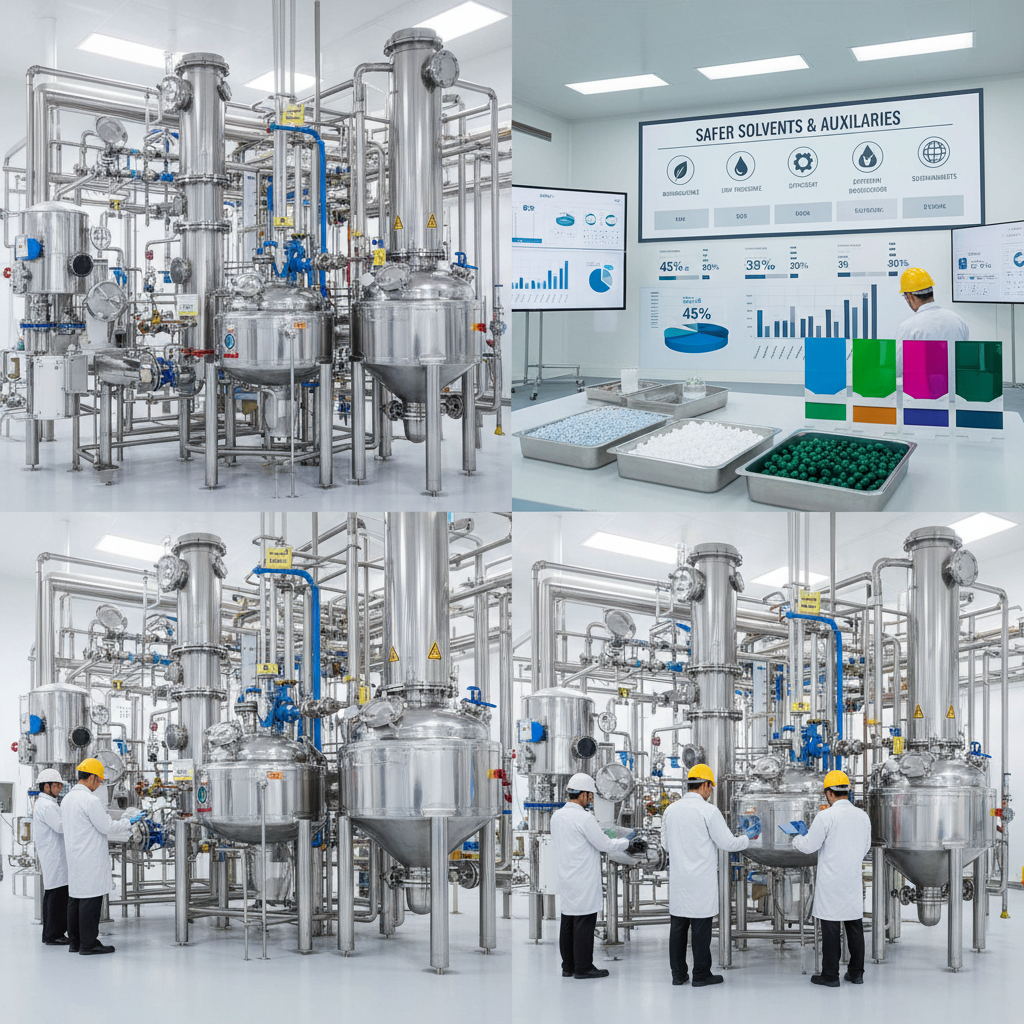
Switching to safer alternatives requires careful planning and consideration. Factors to evaluate include solvent compatibility with existing equipment, potential process modifications, and cost analysis. Collaboration with suppliers like Dyeingchem is crucial for sourcing high-quality products and receiving expert technical support. Furthermore, staying informed about regulatory changes and industry best practices is essential for ensuring compliance and maximizing the benefits of sustainable chemical solutions.
Conclusion: Embracing a Sustainable Future
The adoption of safer solvents and auxiliaries is no longer a trend, but a necessity. It's a critical step towards creating a more sustainable and responsible chemical industry, benefiting both businesses and the environment. By prioritizing worker safety, reducing pollution, and complying with evolving regulations, companies can secure a competitive advantage and contribute to a healthier future.
Frequently Asked Questions (FAQs)
Are safer solvents as effective as traditional solvents?
While some safer solvents may require adjustments to process parameters (like temperature or concentration), they can often achieve comparable performance to traditional solvents. Ongoing research and development are continuously improving the efficacy of these alternatives. It’s important to work with a supplier who can provide technical support to optimize your processes and ensure desired results. In many cases, the initial performance gap is minimal, and the long-term benefits of safety and sustainability outweigh any slight adjustments needed.
What industries are best suited for adopting safer solvent solutions?
A wide range of industries can benefit from switching to safer solvents, including textiles, paints & coatings, pharmaceuticals, cleaning products, adhesives, and electronics manufacturing. Any industry that utilizes solvents in its processes should explore these alternatives. Sectors facing stricter regulations regarding VOC emissions or worker safety are particularly well-positioned to gain advantages from adopting safer options.
How can I determine the best safer solvent for my application?
The selection of the most suitable solvent depends on several factors, including the specific application, the materials being processed, performance requirements, and cost considerations. Consulting with a chemical supplier like Dyeingchem is highly recommended. They can assess your needs and recommend the best solution based on their expertise and product portfolio.