Comprehensive Guide to Textile Auxiliary Products and Their Applications
Comprehensive Guide to Textile Auxiliary Products and Their Applications
Understanding Textile Auxiliaries: A Comprehensive Guide
Textile auxiliaries are crucial components in modern textile processing, enhancing efficiency, quality, and functionality. They encompass a wide array of chemicals used at various stages, from pretreatment to finishing. This article provides a detailed overview of textile auxiliary products, their applications, and the benefits they bring to the textile industry. Choosing the right auxiliaries is key to achieving optimal results and ensuring sustainable textile production. We will delve into the different types of auxiliaries and their specific roles in the dyeing and finishing processes.
What are Textile Auxiliaries?
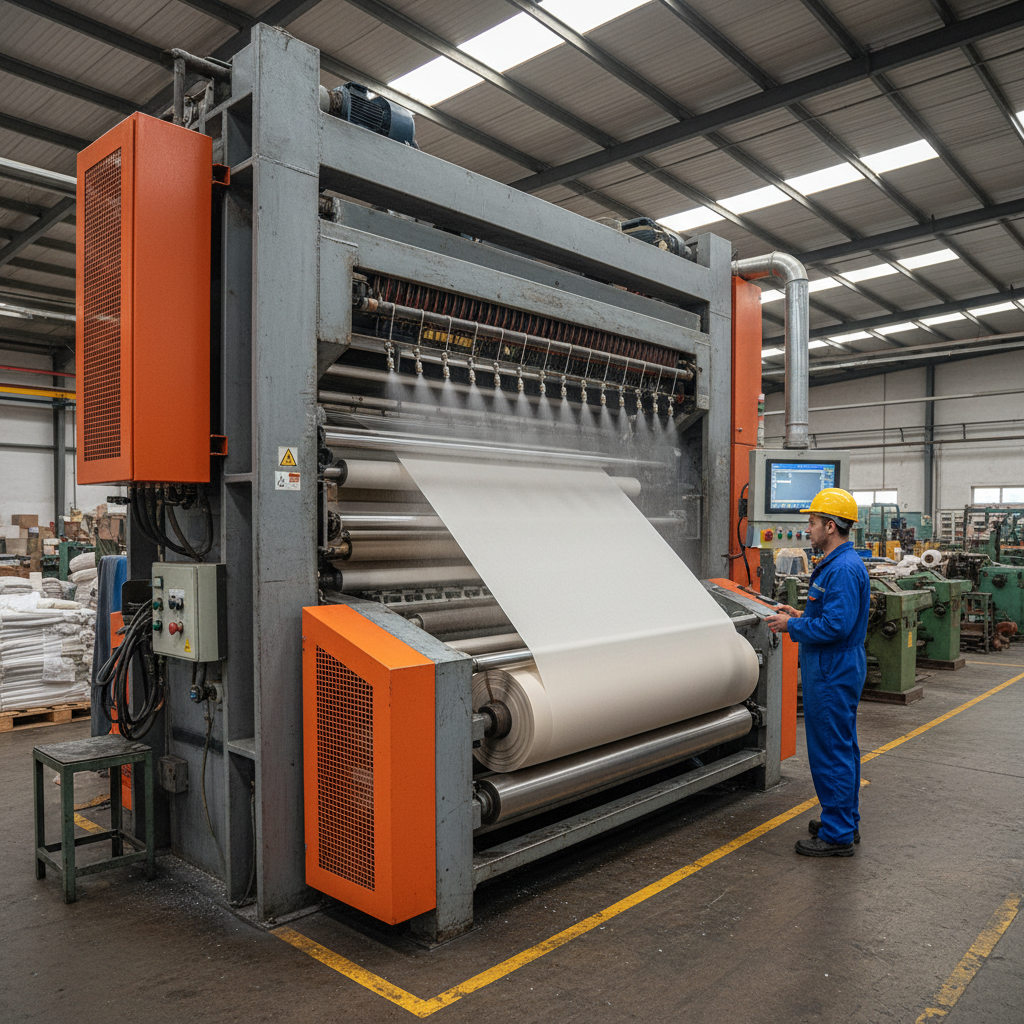
Textile auxiliaries are chemical compounds added during textile processing to improve the efficiency of treatments and the properties of the final product. They do not directly provide color or strength to the fabric but act as facilitators, enhancers, or modifiers. These chemicals are integral to achieving desired effects such as improved dye uptake, softer hand feel, water repellency, or crease resistance. Without these auxiliaries, achieving high-quality and functional textiles would be significantly more challenging.
Key Highlights: Textile auxiliaries enhance efficiency, improve fabric properties, and facilitate sustainable textile production.
Types of Textile Auxiliaries and Their Applications
The range of textile auxiliaries is extensive. They can be categorized based on the stage of processing where they are used. Common types include:
- Pretreatment Auxiliaries: Wetting agents, scouring agents, bleaching agents, and desizing agents used to prepare the fabric for dyeing and finishing.
- Dyeing Auxiliaries: Leveling agents, dispersing agents, fixing agents, and anti-foaming agents to ensure uniform dye distribution and colorfastness.
- Finishing Auxiliaries: Softeners, resins, water repellents, flame retardants, and anti-static agents used to impart specific properties to the finished fabric.
- Printing Auxiliaries: Thickeners, binders, and fixing agents, vital for successful textile printing.
The Role of Textile Auxiliaries in Dyeing Processes
Dyeing is a critical step in textile production, and textile auxiliaries play a vital role in achieving optimal results. Leveling agents ensure even dye distribution, preventing patchy or uneven coloration. Dispersing agents keep dyes finely dispersed in the dye bath, preventing agglomeration and ensuring consistent shade. Fixing agents enhance colorfastness, preventing dye bleeding or fading during washing or exposure to light. Anti-foaming agents control foam formation, ensuring efficient dye penetration. Explore our dyeing auxiliary range for superior dyeing outcomes.
Benefits of Using Dyeing Auxiliaries:
• Enhanced dye uptake and color intensity
• Improved colorfastness and durability
• Uniform and even coloration
• Reduced dyeing time and costs
Textile Auxiliary Comparison: Traditional vs. Eco-Friendly Options
Historically, many textile auxiliaries contained harmful chemicals like APEOs (alkylphenol ethoxylates) and formaldehyde. However, growing environmental concerns have driven a shift towards more sustainable alternatives. Eco-friendly auxiliaries utilize biodegradable and less toxic ingredients, reducing the environmental impact of textile processing. While some traditional auxiliaries may offer slightly better performance in certain applications, the long-term benefits of eco-friendly options – reduced pollution, improved worker safety, and enhanced brand image – are increasingly outweighing the costs.
Future Trends in Textile Auxiliaries
The future of textile auxiliaries is focused on sustainability, innovation, and performance. We can expect to see increased development of bio-based auxiliaries derived from renewable resources, nanotechnology-based auxiliaries offering enhanced functionality, and multi-functional auxiliaries that combine several properties into a single product. Furthermore, digitalization and AI-driven formulation optimization will play a key role in creating tailored auxiliary solutions for specific textile processes.
Conclusion: Partnering with a Reliable Auxiliary Supplier
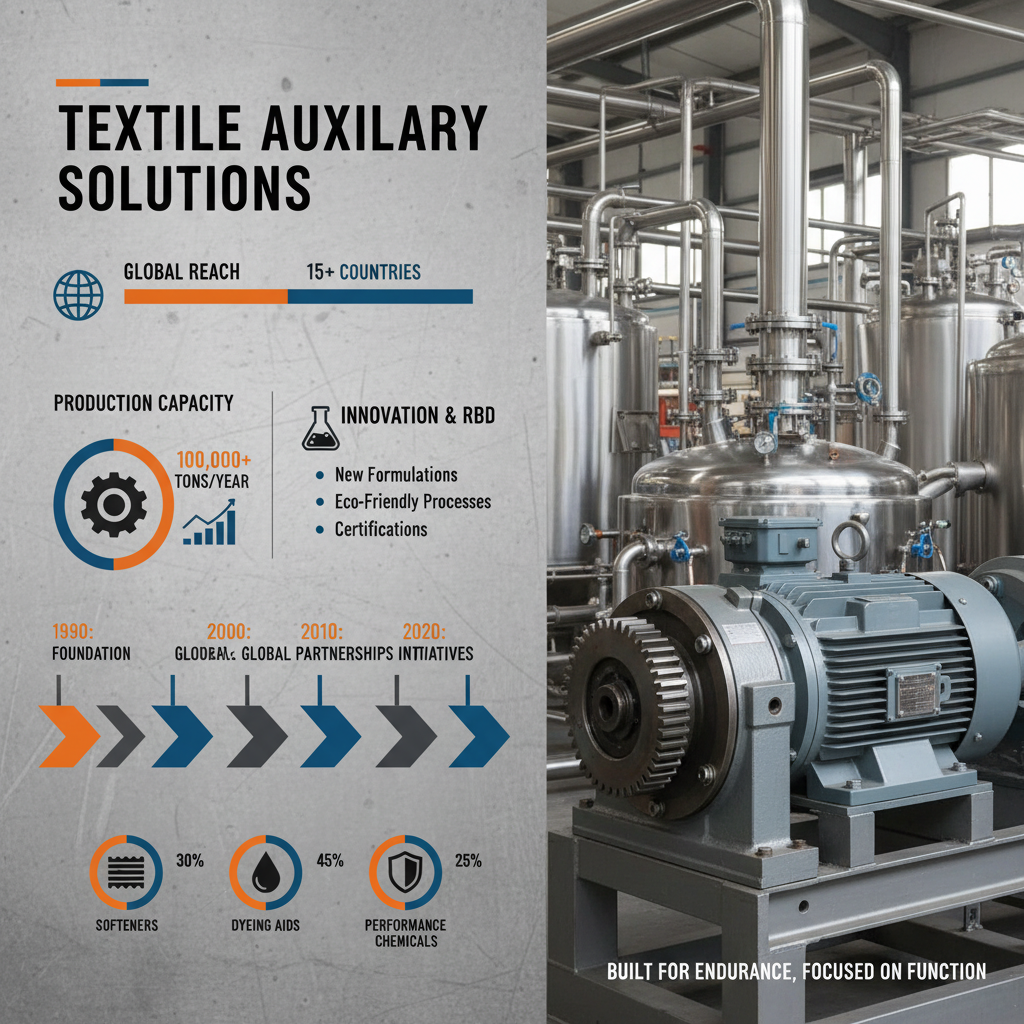
Textile auxiliaries are essential for achieving high-quality, functional, and sustainable textile products. Selecting the right auxiliaries and partnering with a reliable supplier like Dyeingchem is crucial for success. We offer a comprehensive range of innovative and eco-friendly textile auxiliaries, backed by expert technical support.
Conclusion
Investing in high-quality textile auxiliaries is not just about improving product performance; it’s about embracing sustainability, ensuring worker safety, and building a responsible brand. Partner with Dyeingchem to unlock the full potential of your textile production process.
Frequently Asked Questions (FAQs)
What are APEOs and why are they being phased out in textile auxiliaries?
APEOs (Alkylphenol Ethoxylates) are a class of non-ionic surfactants previously widely used in textile auxiliaries for their excellent wetting, dispersing, and emulsifying properties. However, they are known to be endocrine disruptors and persistent in the environment, posing risks to aquatic life and human health. Due to increasing environmental regulations and consumer demand for sustainable products, APEOs are being phased out and replaced with more environmentally friendly alternatives such as alcohol ethoxylates and sugar-based surfactants. Dyeingchem prioritizes offering APEO-free auxiliaries to meet these evolving standards.
How do I determine the correct dosage of textile auxiliaries?
Determining the correct dosage of textile auxiliaries depends on several factors including the fabric type, dyeing method, water quality, and desired effect. It's crucial to follow the manufacturer’s recommendations, which are typically provided on the product label or technical data sheet. Small-scale trials are recommended to optimize the dosage for specific applications. Overdosing can lead to increased costs and potential environmental issues, while underdosing may result in suboptimal performance. Dyeingchem offers technical support to assist customers in determining the optimal dosage for their processes.
What are the benefits of using bio-based textile auxiliaries?
Bio-based textile auxiliaries are derived from renewable resources such as plants and microorganisms, offering several advantages over conventional petroleum-based auxiliaries. They are biodegradable, reducing their environmental impact, and often have lower toxicity levels, enhancing worker safety. Using bio-based auxiliaries supports sustainable textile production and contributes to a circular economy. They can also offer comparable or even improved performance in certain applications, particularly in terms of softness and biodegradability.