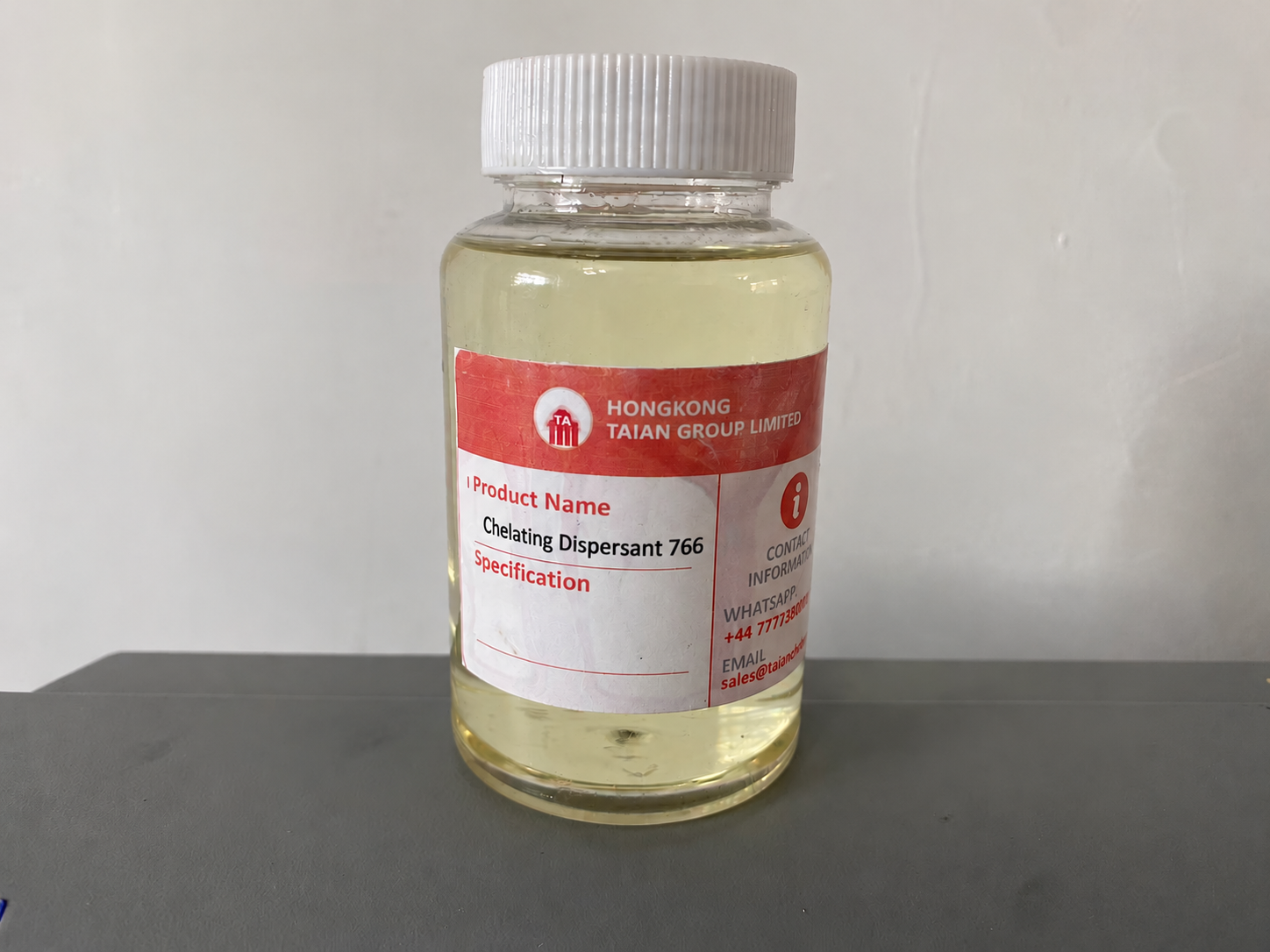
Comprehensive Guide to Textile Auxiliaries Chemicals for Enhanced Fabric Properties
Comprehensive Guide to Textile Auxiliaries Chemicals for Enhanced Fabric Properties
Understanding Textile Auxiliaries Chemicals: A Comprehensive Guide
The textile industry relies heavily on textile auxiliaries chemicals to enhance fabric properties, improve processing efficiency, and achieve desired aesthetic effects. These chemicals are integral to almost every stage of textile manufacturing, from pre-treatment to finishing. Selecting the right auxiliaries is crucial for ensuring product quality, minimizing environmental impact, and optimizing cost-effectiveness. This article provides an in-depth look at textile auxiliaries chemicals, their types, applications, and the latest advancements in this field. Explore our extensive range of high-quality textile auxiliaries chemicals at Dyeingchem, designed to meet your specific needs.

What are Textile Auxiliaries Chemicals?
Textile auxiliaries chemicals are substances used in the textile processing chain to aid or improve the performance of dyeing, printing, and finishing operations. Unlike dyes and pigments that impart color, auxiliaries don’t generally provide coloration themselves. Instead, they perform various functions like wetting, dispersing, emulsifying, foaming, leveling, softening, and more. They are essential for achieving consistent results, improving fabric hand feel, and enhancing the durability of textiles. Proper selection and application of these chemicals significantly impact the quality and marketability of textile products.
Key Highlights: These chemicals do not provide coloration but significantly enhance processing and fabric properties, ensuring consistent quality and improved performance throughout the textile manufacturing chain.
Types of Textile Auxiliaries Chemicals
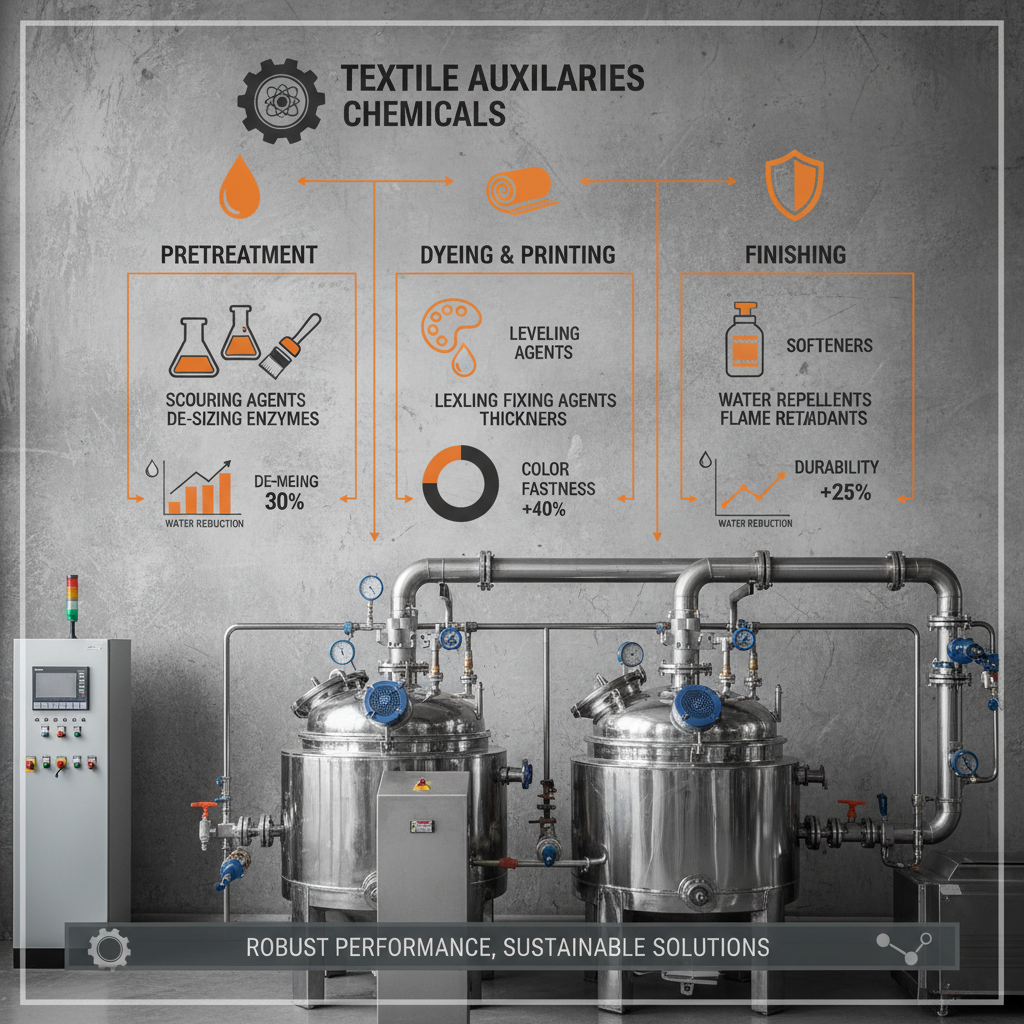
There's a vast array of textile auxiliaries chemicals categorized by their function. Some key categories include:
- Pre-treatment Agents: Wetting agents, scouring agents, bleaching agents.
- Dyeing Auxiliaries: Dispersing agents, leveling agents, fixing agents.
- Printing Auxiliaries: Thickeners, anti-foaming agents, binders.
- Finishing Agents: Softeners, water repellents, flame retardants.
Key Benefits:
• Improved fabric wetting and absorbency
• Enhanced dye uptake and leveling
• Increased fabric softness and drape
• Improved durability and performance
A Comparison of Different Wetting Agents
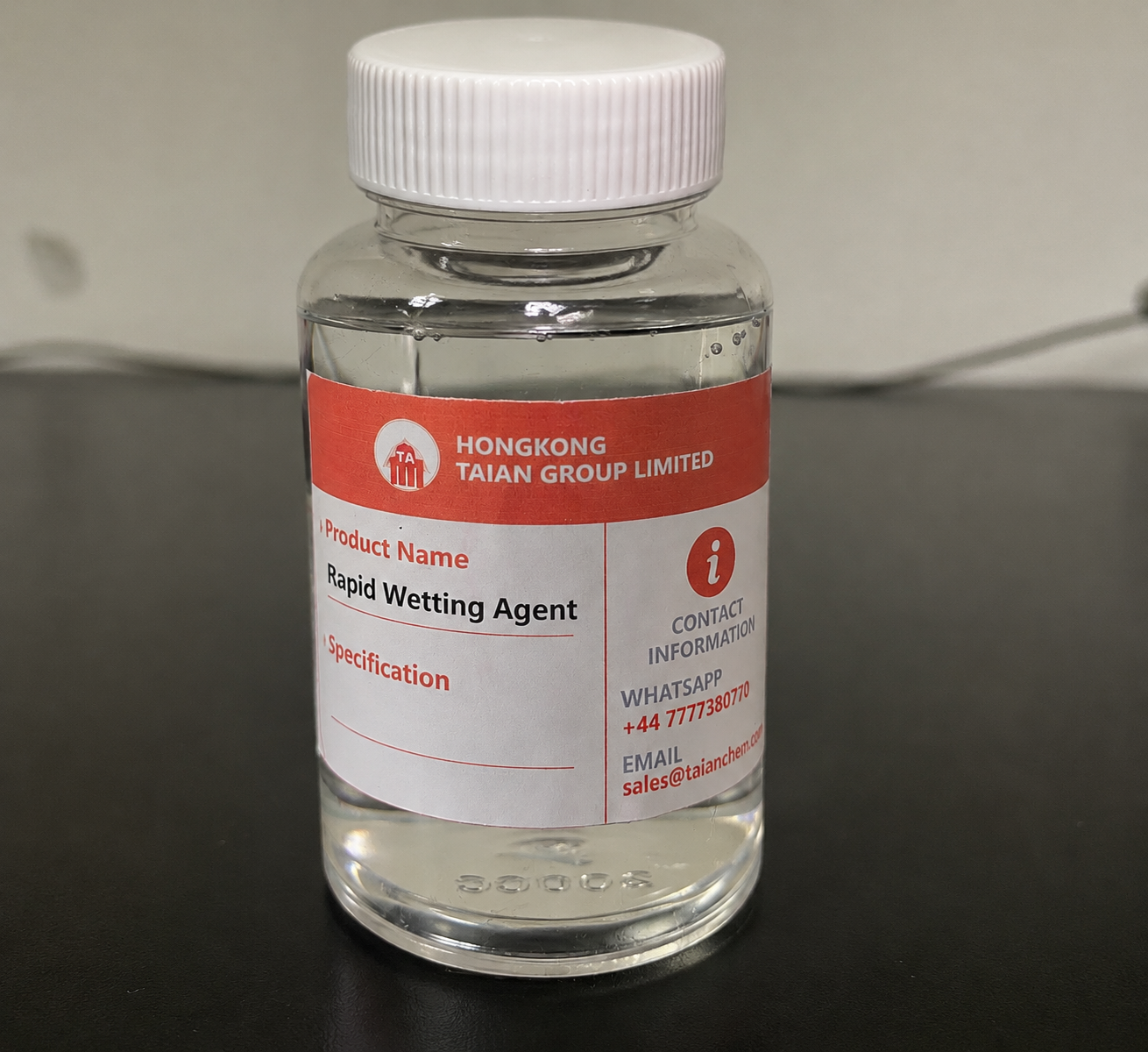
Wetting agents are crucial for pre-treatment, enabling efficient penetration of processing liquors into the fabric. Different types of wetting agents offer varying performance characteristics. The table below compares some common options:
Sustainability and the Future of Textile Auxiliaries
The textile industry is facing increasing pressure to adopt sustainable practices. This has led to a growing demand for textile auxiliaries chemicals that are eco-friendly and biodegradable. Manufacturers are now developing auxiliaries based on renewable resources and minimizing the use of hazardous substances. Bio-based alternatives, enzyme-based auxiliaries, and low-VOC (volatile organic compound) formulations are gaining prominence. At Dyeingchem, we are committed to providing sustainable chemical solutions that meet the evolving needs of the industry.
Product Specifications – Dyeingchem’s Leveling Agent DC-L100
Here’s a detailed look at one of our leading products, Dyeingchem’s Leveling Agent DC-L100:
Conclusion: Choosing the Right Textile Auxiliaries
Selecting the appropriate textile auxiliaries chemicals is paramount for achieving optimal textile processing and product quality. From pre-treatment to finishing, these chemicals play a crucial role in enhancing fabric properties and ensuring sustainable manufacturing practices. At Dyeingchem, we offer a comprehensive range of high-quality, innovative auxiliaries to meet your specific requirements. Contact us today to learn how we can help you improve your textile production process.
Frequently Asked Questions (FAQs)
What is the recommended dosage for a leveling agent?
The recommended dosage for a leveling agent varies depending on the dye class, fiber type, liquor ratio, and temperature. Generally, it ranges from 0.5% to 2% of the weight of the goods (WOG). It’s crucial to follow the manufacturer’s instructions and conduct small-scale trials to determine the optimal dosage for your specific application. Overdosing can lead to uneven dyeing and potential fabric staining, while underdosing may result in inadequate leveling. Consulting with a technical expert can help you optimize the dosage for best results.
How can I ensure compatibility between different auxiliaries?
Compatibility between different textile auxiliaries chemicals is essential to avoid unwanted reactions and ensure optimal performance. Always check the technical data sheets (TDS) of each product for compatibility information. Generally, it’s recommended to avoid mixing anionic and cationic auxiliaries unless specifically formulated for compatibility. Start with small-scale mixing tests before combining chemicals in a large batch. If unsure, consult with a technical expert to ensure compatibility and prevent potential issues like precipitation or reduced effectiveness.
What are the environmental considerations when using textile auxiliaries?
Environmental impact is a critical consideration when selecting and using textile auxiliaries chemicals. Choose auxiliaries that are biodegradable, low in VOCs, and free from harmful substances like APEOs (alkylphenol ethoxylates). Ensure proper waste water treatment to remove residual chemicals before discharge. Consider using eco-labeled auxiliaries certified by reputable organizations. Implementing sustainable practices like reduced water consumption and optimized chemical usage can minimize the environmental footprint of textile processing.