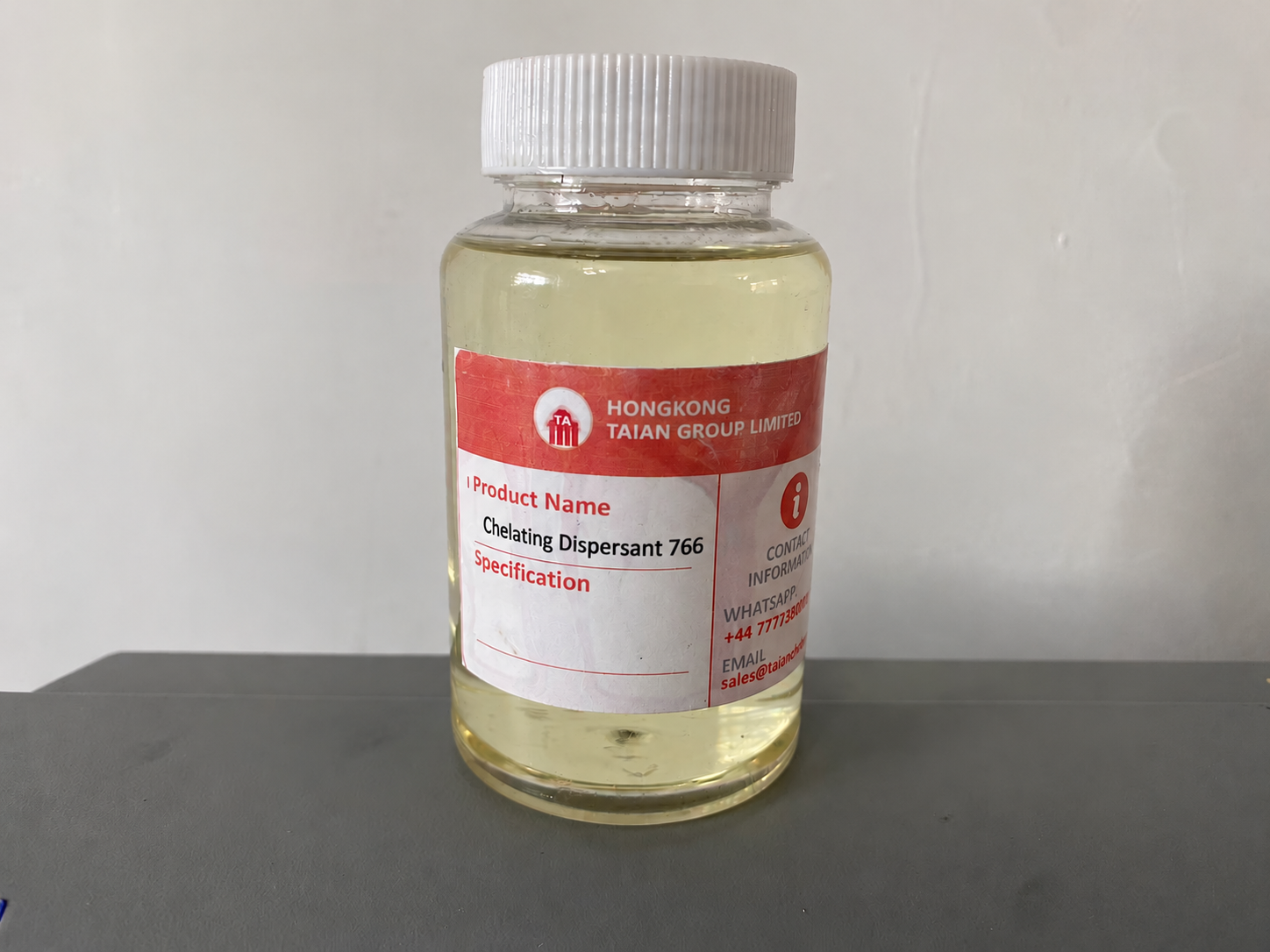
Stabilizer Selection for Liquid Sulphur Dyes Storage
Stabilizer Selection for Liquid Sulphur Dyes Storage
Liquid sulphur dyes (a convenient, ready-to-use form of sulphur dye and sulfur dye) are widely used in textile dyeing for cotton, denim, and other cellulosic fabrics—valued for their cost-effectiveness, deep color payoff, and good wash fastness. However, these dyes are inherently unstable during storage: they tend to oxidize, precipitate, or degrade over time, leading to color inconsistency, reduced dyeing efficacy, and wasted inventory. Choosing the right stabilizer is critical to preserving the quality of liquid sulphur dyes, and as a trusted textile auxiliary manufacturer established in 1999, we bring over 25 years of expertise to this space. Our team—including 15-20 year industry veterans in R&D, production, and quality control—crafts tailored stabilizer solutions for sulphur dye storage, ensuring wholesalers can supply clients with stable, long-lasting dyes. We’ve evolved from a specialized facility to an international enterprise, so our stabilizers meet global standards for compatibility and efficacy. This article explores key factors in stabilizer selection for liquid sulphur dyes storage and why our wholesale-focused solutions align with textile mills’ needs.
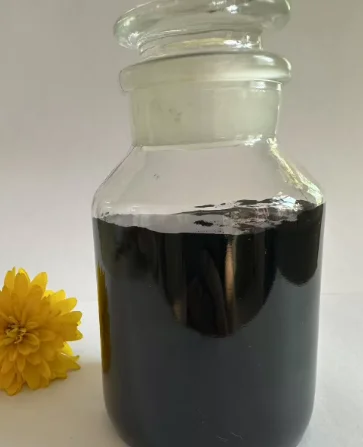
Why Stabilizers Are Critical for Liquid Sulphur Dyes Storage
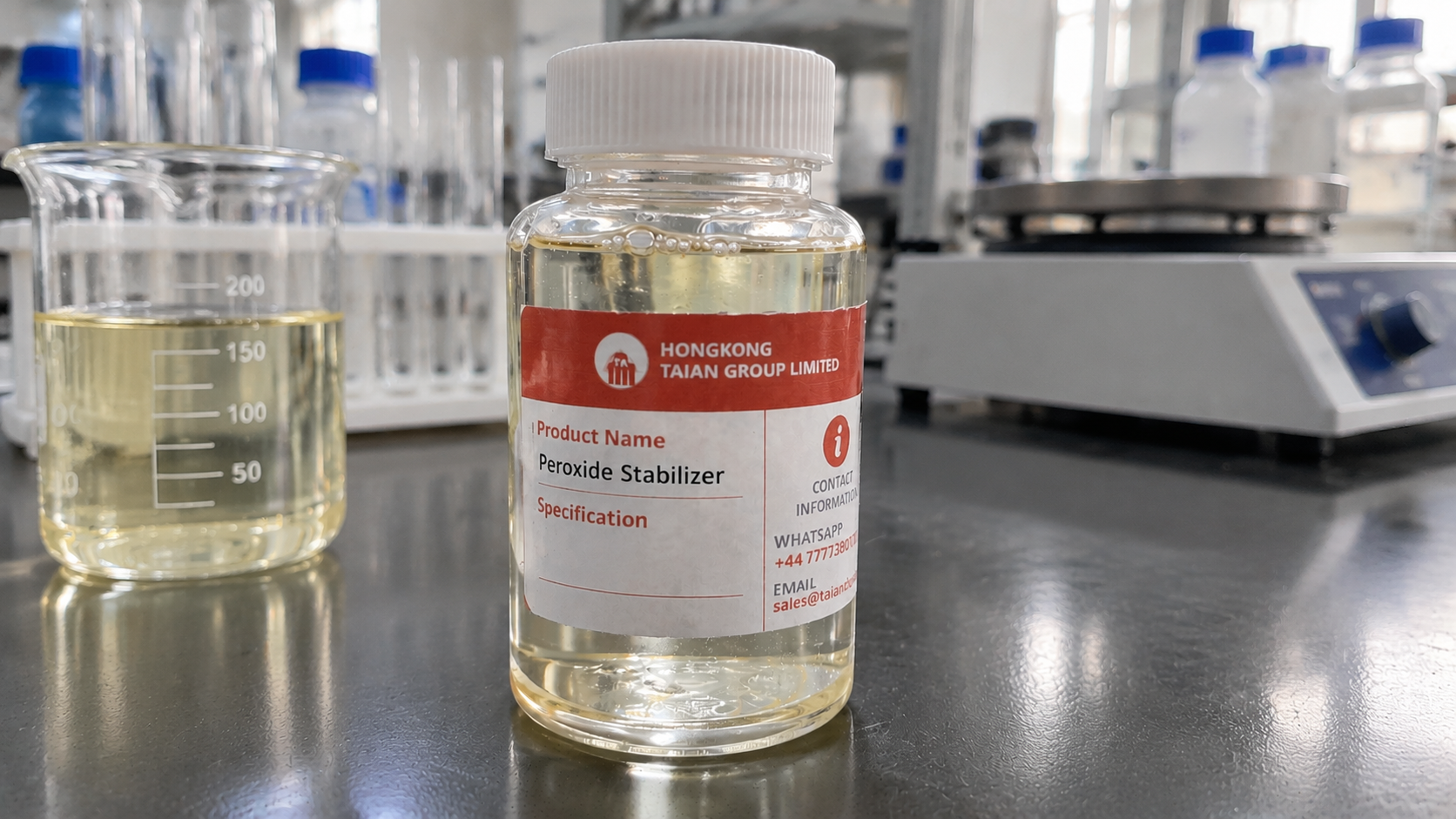
• Preventing Oxidation of Sulphur Dye Molecules: Sulphur dye (and its liquid form, liquid sulphur dyes) relies on reduced sulfur compounds to maintain color integrity. During storage, exposure to air (oxygen) causes these compounds to oxidize—turning the dye from a soluble, vibrant form into insoluble, dull particles that can’t bond with fabric. A high-quality stabilizer acts as an oxygen scavenger, neutralizing oxygen in the storage container to slow or stop oxidation. Our R&D team formulates stabilizers with reducing agents (e.g., sodium hydrosulfite derivatives) that specifically target oxidation in liquid sulphur dyes, extending storage life from 1-2 months (without stabilizer) to 6-8 months. A wholesaler supplying Asian denim mills reported that our stabilizers reduced sulfur dye oxidation-related waste by 70%.
• Avoiding Precipitation and Phase Separation: Liquid sulphur dyes are colloidal suspensions, and without stabilization, dye particles can clump together (aggregate) or separate from the liquid base—making the dye unusable for uniform dyeing. Our stabilizers contain dispersing agents that coat sulphur dye particles, preventing aggregation and maintaining a homogeneous mixture. Unlike generic stabilizers that dilute the dye, our formulations are concentrated (1-3% dosage by dye weight), preserving dye strength while ensuring stability. Our quality control team tests each stabilizer batch for dispersion efficacy, so wholesalers can market a solution that eliminates “lumpy” or separated liquid sulphur dyes.
Key Criteria for Stabilizer Selection for Liquid Sulphur Dyes
Selection Criterion | Description & Alignment With Our Stabilizers | Wholesale Value & Market Appeal | Ideal Storage Scenarios |
Compatibility With Sulphur Dye | Our stabilizers are tailored to sulphur dye chemistry—they don’t react with dye molecules or alter color shade. Compatible with all liquid sulphur dyes (e.g., blue, black, brown). | Eliminates color distortion risks; works with diverse dye shades, reducing wholesalers’ inventory SKUs | Storage of mixed sulfur dye shades (e.g., textile mills with varied production needs) |
pH Stability Maintenance | Liquid sulphur dyes require a slightly alkaline pH (8.5-9.5) for stability. Our stabilizers include pH buffers that prevent acidification (from oxidation byproducts) or over-alkalization. | Prevents pH-related degradation; reduces the need for additional pH adjusters, cutting client costs | Long-term storage (4+ months) or storage in fluctuating temperature environments |
Low Toxicity and Eco-Friendliness | Formulated without heavy metals or volatile organic compounds (VOCs), our stabilizers comply with OEKO-TEX® and GOTS. Safe for wastewater treatment and align with sustainable dyeing practices. | Appeals to eco-conscious mills; meets global regulatory standards, easing market access for wholesalers | Organic textile production or mills targeting EU/North American markets |
Stabilizer Types for Different Liquid Sulphur Dyes Storage Needs
• Reducing Stabilizers for Oxidation-Prone Environments: For liquid sulphur dyes stored in poorly sealed containers (or regions with high humidity, which accelerates oxidation), reducing stabilizers are ideal. Our flagship reducing stabilizer uses sodium formaldehyde sulfoxylate (SFS) derivatives—gentle yet effective oxygen scavengers that don’t leave residues in the dye. It’s perfect for sulfur dye stored in bulk (50-200L drums), as it maintains stability even with minor air exposure during drum opening. A wholesaler serving Middle Eastern cotton mills noted that our reducing stabilizer kept liquid sulphur dyes usable for 8 months, even in the region’s hot, humid climate.
• Dispersing Stabilizers for High-Concentration Dyes: High-concentration liquid sulphur dyes (used for deep shades like black denim) are more prone to precipitation. Our dispersing stabilizers contain non-ionic surfactants that keep dye particles suspended, ensuring the dye remains smooth and ready to use. Unlike competitors’ stabilizers that thin the dye, ours maintains concentration—so mills don’t need to adjust dye dosage. Our production management team ensures consistent surfactant levels in each batch, so wholesalers can deliver reliable results to clients.
Liquid Sulphur Dyes FAQS
Can One Stabilizer Work for All Types of Liquid Sulphur Dyes?
Our primary stabilizer is compatible with most liquid sulphur dyes (e.g., blue, black, brown, green), as it targets the shared instability issues (oxidation, precipitation) of sulphur dye chemistry. For specialty sulfur dye (e.g., fluorescent shades or high-light-fastness variants), we offer a tailored stabilizer that preserves unique color properties without degradation. A wholesaler supplying North American sportswear mills reported that our standard stabilizer worked for 90% of their liquid sulphur dyes orders, with custom variants covering the remaining 10%.
How Long Does a Stabilized Liquid Sulphur Dye Last in Storage?
With our stabilizer, liquid sulphur dyes maintain quality for 6-8 months when stored in sealed containers at 15-25°C (away from direct sunlight and extreme temperatures). Without stabilizer, shelf life drops to just 1-2 months. Our stabilizers also slow degradation if storage conditions fluctuate (e.g., temporary temperature spikes), giving mills more flexibility. A wholesaler serving African textile mills noted that stabilized sulphur dye batches had zero quality issues even after 7 months in storage.
Does the Stabilizer Affect the Dyeing Performance of Sulphur Dye?
No—our stabilizers are designed to be “inert” during dyeing: they preserve sulphur dye quality in storage but don’t react with fabric, dyes, or other auxiliaries (e.g., reducing agents) during the dyeing process. Testing shows that stabilized liquid sulphur dyes maintain the same color depth, wash fastness, and dye penetration as fresh, unstabilized dyes. A wholesaler supplying Asian denim mills reported that their clients saw no difference in denim color or quality when using stabilized vs. fresh sulfur dye.
What Storage Containers Are Best for Stabilized Liquid Sulphur Dyes?
Stabilized liquid sulphur dyes perform best in opaque, airtight containers (e.g., HDPE plastic drums or stainless steel tanks) that block light (UV light accelerates dye degradation) and prevent oxygen exposure. Avoid transparent containers or those with loose-fitting lids. We provide container guidelines to wholesalers, and our team can recommend compatible container suppliers for bulk orders. A wholesaler serving European organic mills noted that using recommended containers extended stabilized liquid sulphur dyes shelf life by an extra month.
What Support Do You Offer Wholesalers for Stabilizer Selection Liquid Sulphur Dyes?
We provide wholesalers with comprehensive support: 1) Technical guidance—our R&D team helps match stabilizers to specific liquid sulphur dyes (e.g., shade, concentration); 2) Sample kits—small-batch stabilizers for clients to test before bulk orders; 3) Documentation—safety data sheets (SDS) and compatibility charts to share with mills; 4) Training materials—guides on stabilizer dosage and storage best practices. Our international business team also offers 24/7 support for global wholesalers. A wholesaler serving Middle Eastern markets reported that our support helped them resolve 95% of client stabilizer-related questions quickly.