Understanding the Enzyme Used in Detergent for Superior Cleaning Performance
Understanding the Enzyme Used in Detergent for Superior Cleaning Performance
Understanding the Enzyme Used in Detergent
Detergents have revolutionized cleaning, and a key component driving this efficiency is the use of enzymes. These biological catalysts break down stubborn stains like proteins, fats, and starches, leading to superior cleaning power. This article will delve into the types of enzymes commonly used in detergents, their specific functions, the benefits they offer, and factors influencing their performance. Understanding the enzyme used in detergent formulation is crucial for manufacturers and consumers alike.
Common Enzymes Found in Detergent Formulations
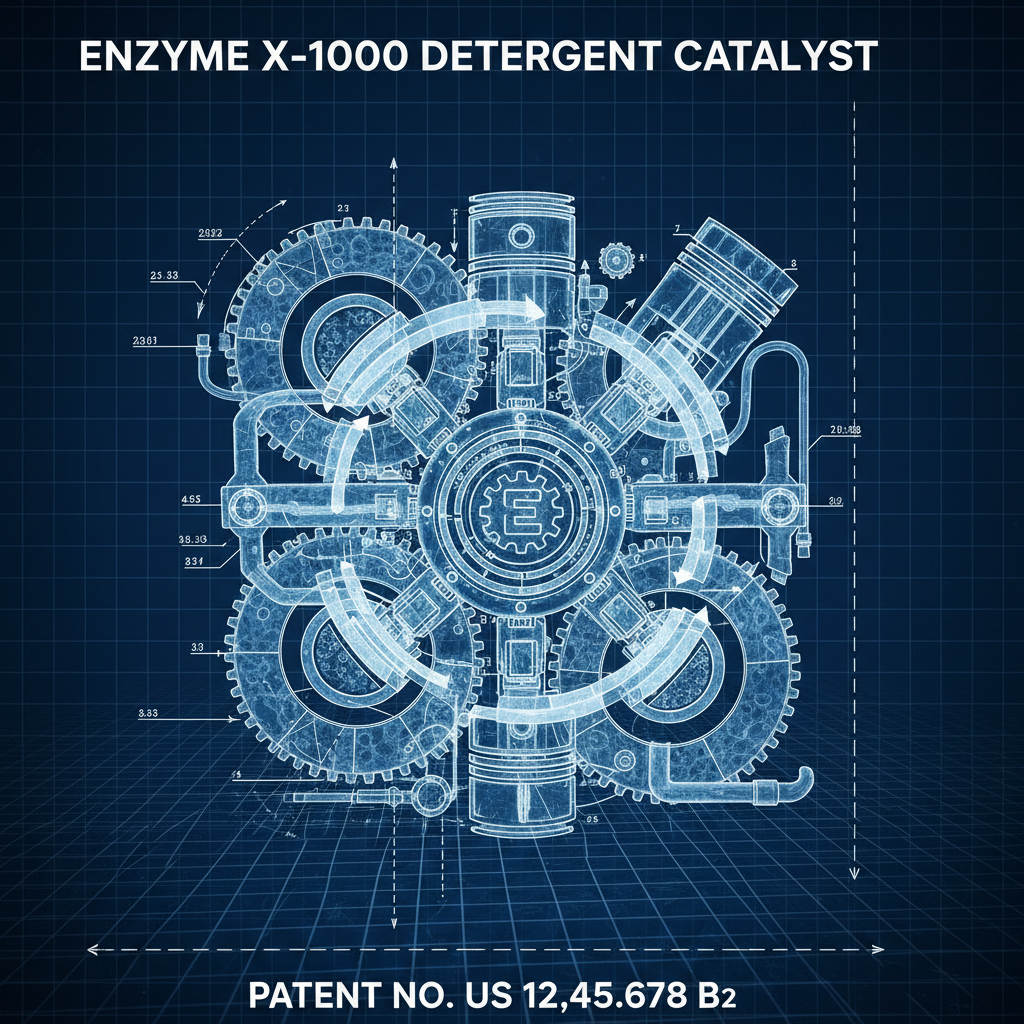
Several different types of enzymes are utilized in detergents, each targeting specific types of stains. The most common include proteases, amylases, lipases, cellulases, and mannanases. Proteases break down protein-based stains like blood, grass, and food. Amylases tackle starch-based stains such as gravy and potatoes. Lipases are effective against greasy or oily stains. Cellulases help to brighten colors and remove fuzz from cotton fabrics. Finally, mannanases target stains from foods like chocolate and sauces. The combination of these enzymes creates a powerful cleaning synergy.
Key Highlights: Detergents utilize a cocktail of enzymes to target a broad spectrum of stains, enhancing cleaning performance and fabric care.
The Role of Protease: Breaking Down Protein Stains
Proteases are arguably the most widely used enzymes in detergents. These enzymes hydrolyze peptide bonds in proteins, breaking them down into smaller, water-soluble fragments that can be easily washed away. Different protease formulations exist, with varying levels of activity and stability. Alkaline proteases are particularly common in laundry detergents as they function optimally at the higher pH levels typically used in washing machines. The efficacy of proteases significantly improves the removal of protein-based stains, leaving fabrics cleaner and fresher. Dyeingchem offers high-quality protease enzymes tailored for detergent applications.
Protease Benefits:
• Effective against blood, grass, and food stains
• Works optimally at high pH
• Breaks down proteins into water-soluble fragments
Enzyme Comparison: Performance Characteristics
Different enzymes exhibit varying degrees of effectiveness against different stain types and under different conditions. The following table illustrates a comparison of common detergent enzymes.
Factors Affecting Enzyme Performance in Detergents
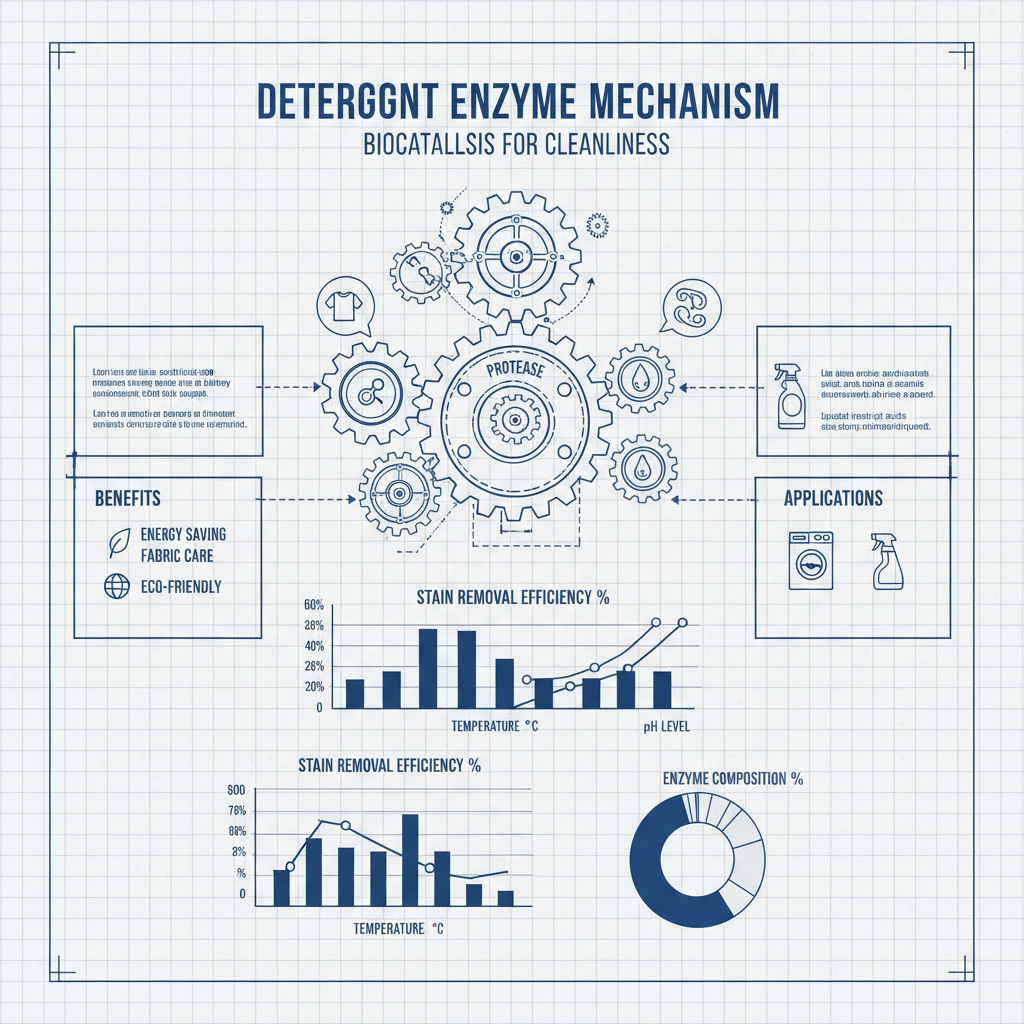
The effectiveness of enzymes in detergents isn't solely based on the enzyme type. Several factors can influence their performance. These include pH, temperature, water hardness, the presence of bleaching agents, and detergent formulation. Maintaining the optimal pH and temperature range for each enzyme is crucial. Hard water can inhibit enzyme activity, requiring the use of builders to soften the water. Bleaching agents, while effective stain removers themselves, can sometimes deactivate enzymes. Therefore, careful formulation is required to ensure compatibility and maximize cleaning power. Dyeingchem provides customized enzyme blends tailored to specific detergent formulations.
Conclusion: The Future of Enzymatic Detergents
The use of enzymes in detergents represents a significant advancement in cleaning technology. These biological catalysts offer effective stain removal, improved fabric care, and environmentally friendly solutions. As research continues, we can expect even more specialized and potent enzyme formulations to emerge, further enhancing detergent performance and sustainability. Choosing the right enzyme used in detergent is key to delivering superior cleaning results.
Frequently Asked Questions (FAQs)
Are enzymes biodegradable, and are they environmentally friendly?
Yes, enzymes are generally biodegradable, making them a more environmentally friendly alternative to harsh chemical cleaning agents. They are naturally produced by microorganisms and break down into harmless substances after use. However, it’s important to note that the overall environmental impact of a detergent also depends on other ingredients. Dyeingchem is committed to providing sustainable and eco-friendly enzyme solutions for the detergent industry.
What is the impact of water temperature on enzyme activity?
Enzymes have an optimal temperature range for activity. Generally, enzyme activity increases with temperature up to a certain point, after which it begins to decline due to denaturation (loss of structure). Most detergent enzymes are designed to function effectively at typical washing machine temperatures (30-60°C). Using excessively high temperatures can reduce their effectiveness, while lower temperatures may result in slower stain removal.
Can enzymes cause allergic reactions?
While rare, some individuals may experience allergic reactions to enzymes, particularly those with pre-existing sensitivities to biological substances. Symptoms can include skin irritation, respiratory problems, or eye discomfort. Enzyme manufacturers take measures to minimize allergenicity through purification processes. If you suspect an allergic reaction, discontinue use and consult a healthcare professional.
How are enzymes stabilized in detergent formulations?
Enzymes are sensitive molecules and require stabilization to maintain their activity during storage and use. Manufacturers employ various techniques, including encapsulation, granulation, and the addition of stabilizers like borates and polyols. These methods protect the enzymes from degradation caused by factors such as moisture, temperature fluctuations, and interactions with other detergent ingredients.