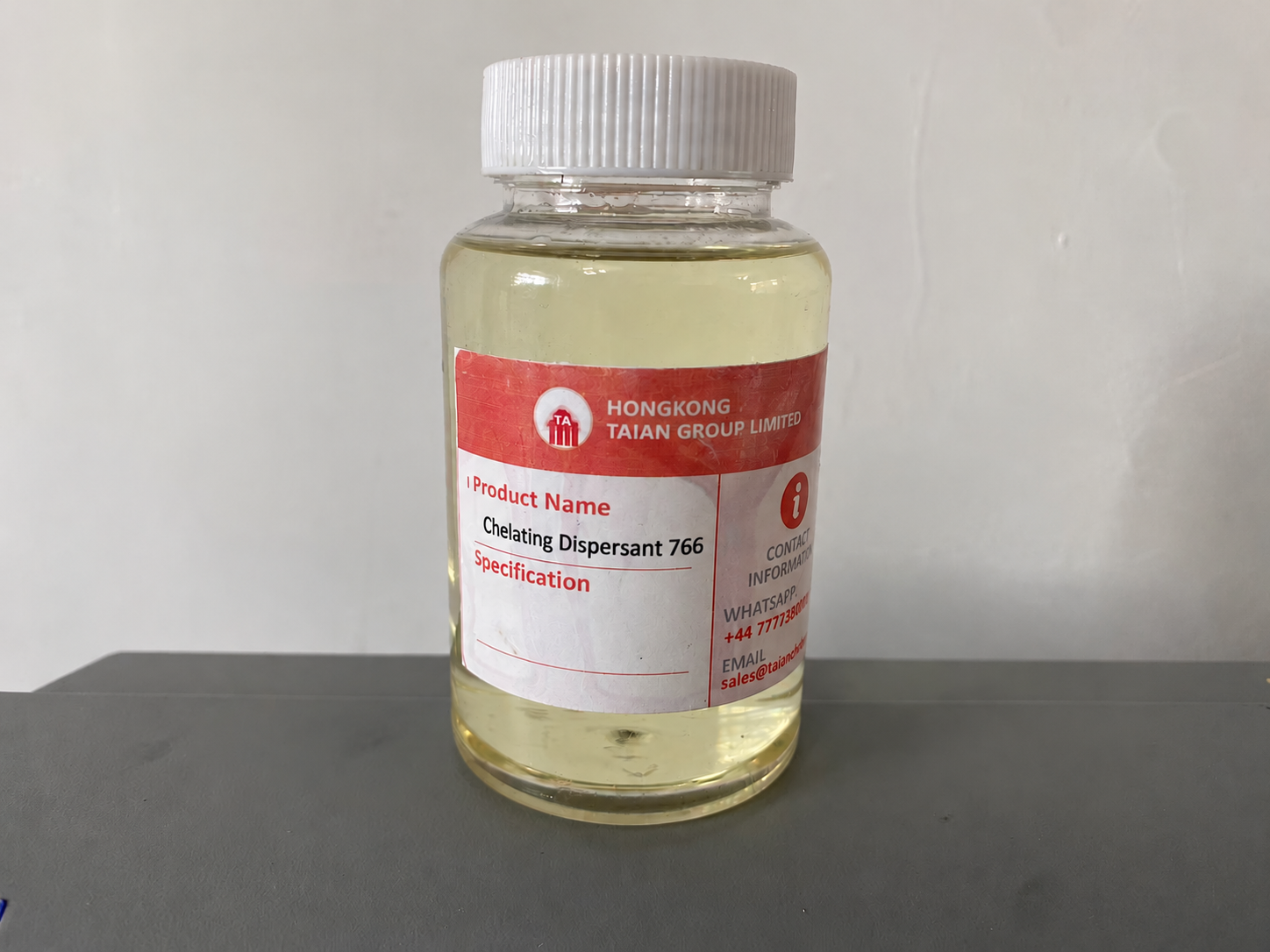
Understanding Textile Auxiliaries for Enhanced Fabric Properties and Sustainable Production
Understanding Textile Auxiliaries for Enhanced Fabric Properties and Sustainable Production
Understanding Textile Auxiliaries: A Comprehensive Guide
In the dynamic world of textile manufacturing, achieving desired fabric properties goes beyond just fibers and dyes. Textile auxiliaries are essential chemical compounds used throughout the textile process – from pre-treatment to finishing – to enhance efficiency, improve quality, and add specific functionalities. This article will delve into the types, applications, and importance of these crucial additives. Choosing the right auxiliaries can significantly improve production yield and reduce environmental impact. We'll explore how dyeing chemical suppliers can help you optimize your textile processes.
What are Textile Auxiliaries?
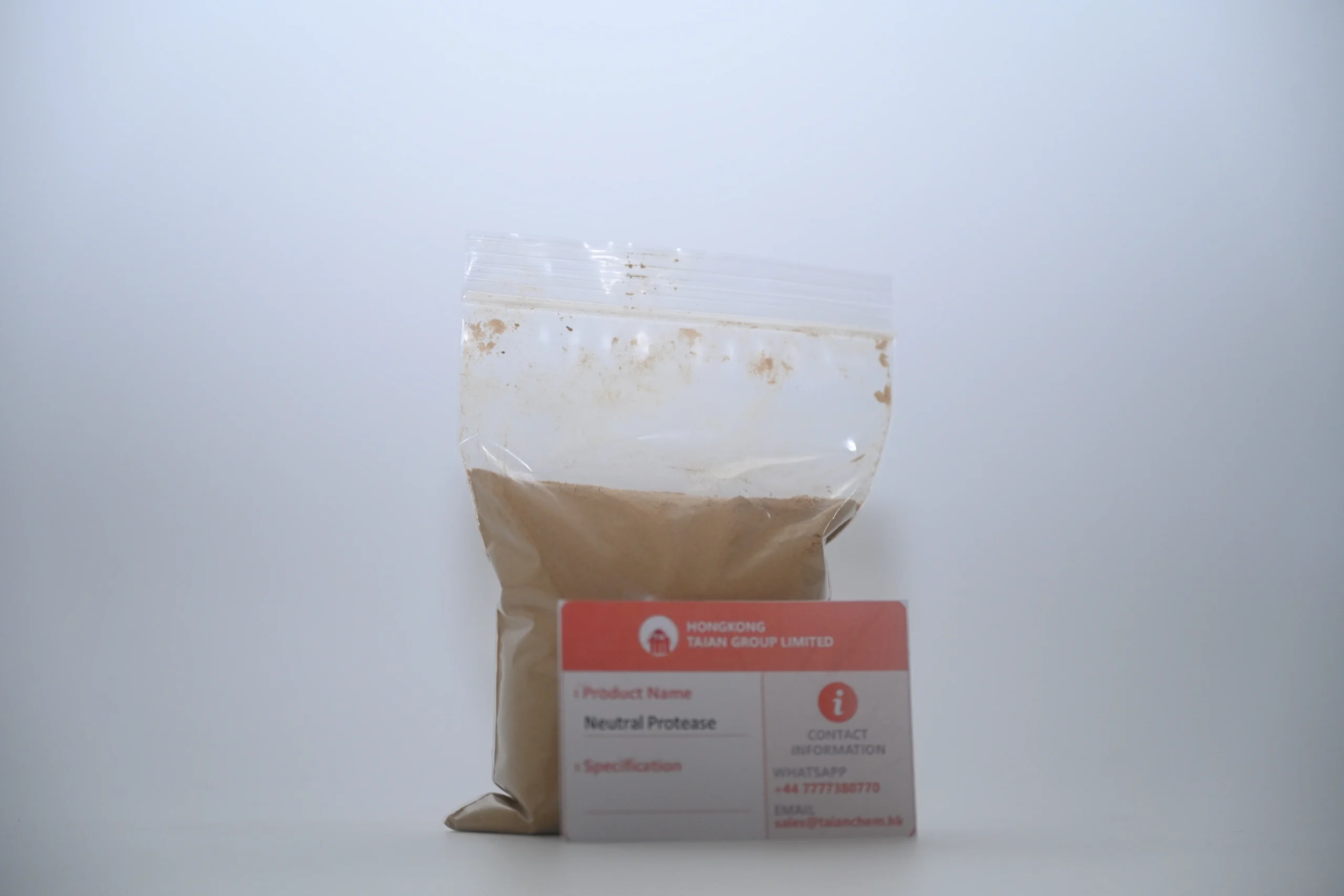
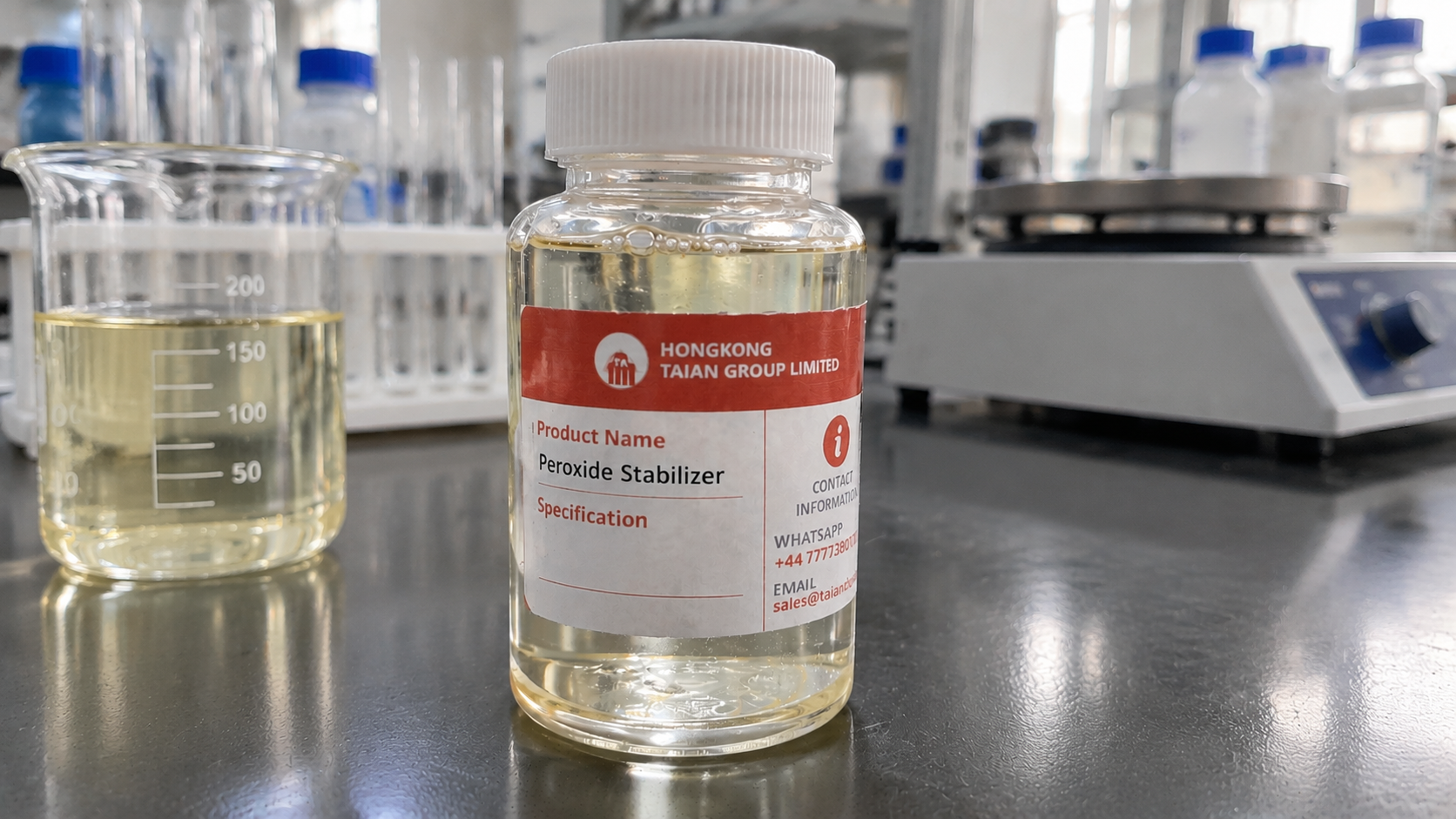
Textile auxiliaries are chemicals that don’t become a part of the final fabric itself, but assist in the various processing stages. They are used in small quantities relative to the fiber and dye but have a significant impact on the overall outcome. These chemicals enhance the performance of dyes, improve fabric feel, and provide specialized functions like water repellency or wrinkle resistance. Without them, achieving desired results in modern textile production would be extremely difficult and often impossible. They cover a broad range of chemical compositions, each designed for a specific purpose.
Key Takeaway: Textile auxiliaries are essential, non-constituent chemicals that facilitate various textile processing steps and improve the end product’s properties.
Types of Textile Auxiliaries
The classification of textile auxiliaries is based on their function during the textile process. Here are some major categories:
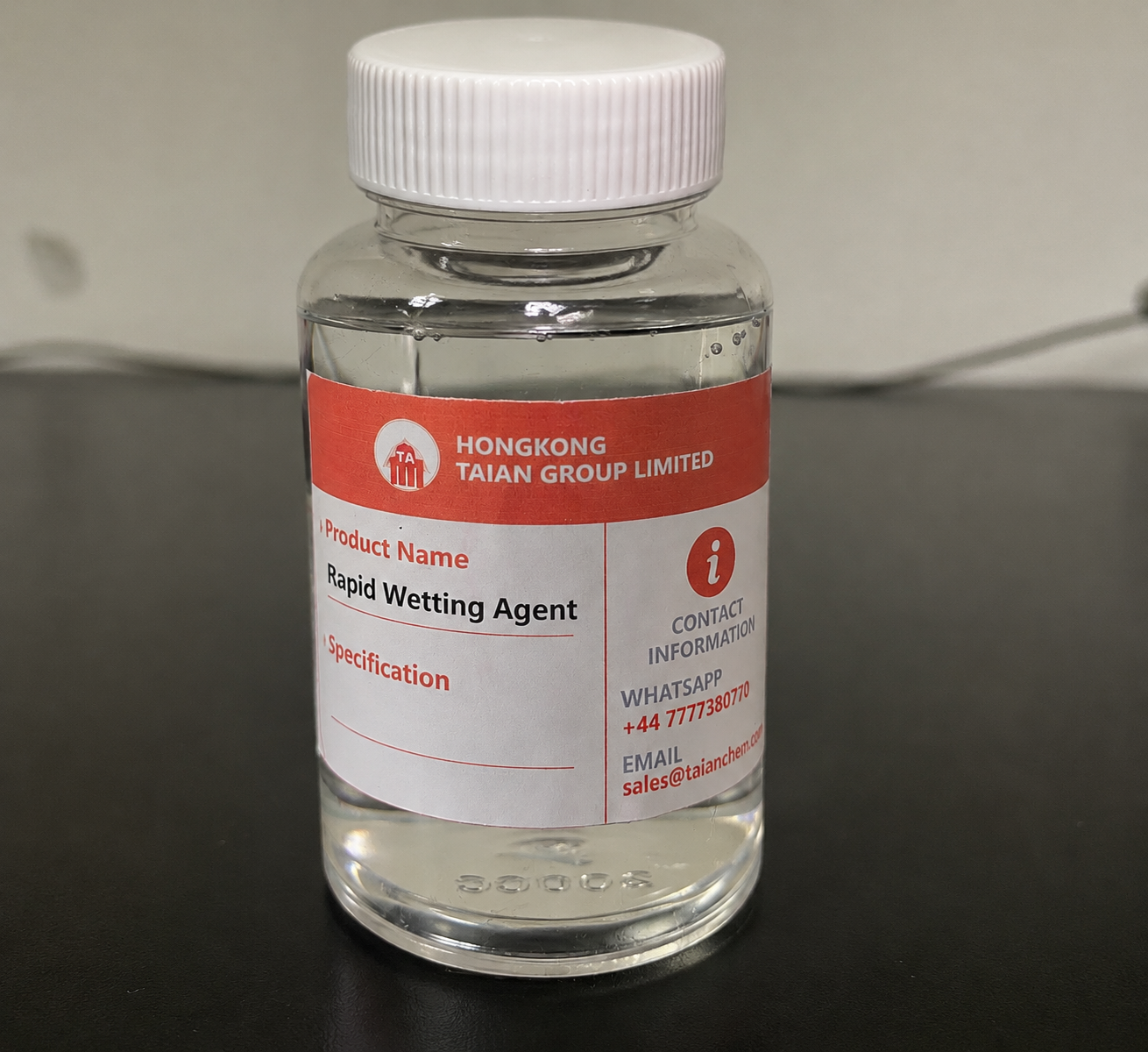
- Pretreatment Auxiliaries: Wetting agents, scouring agents, bleaching agents, desizing agents.
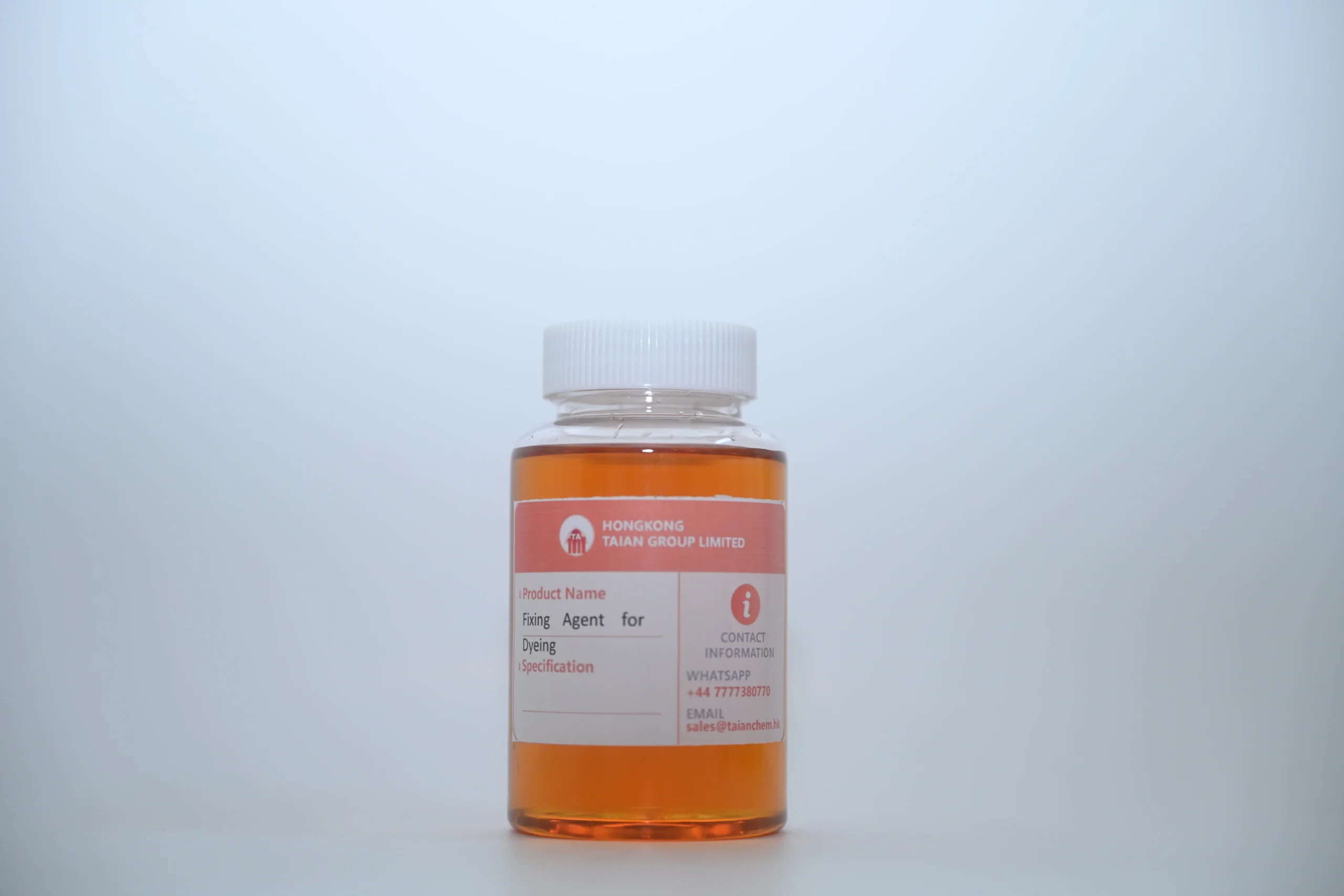
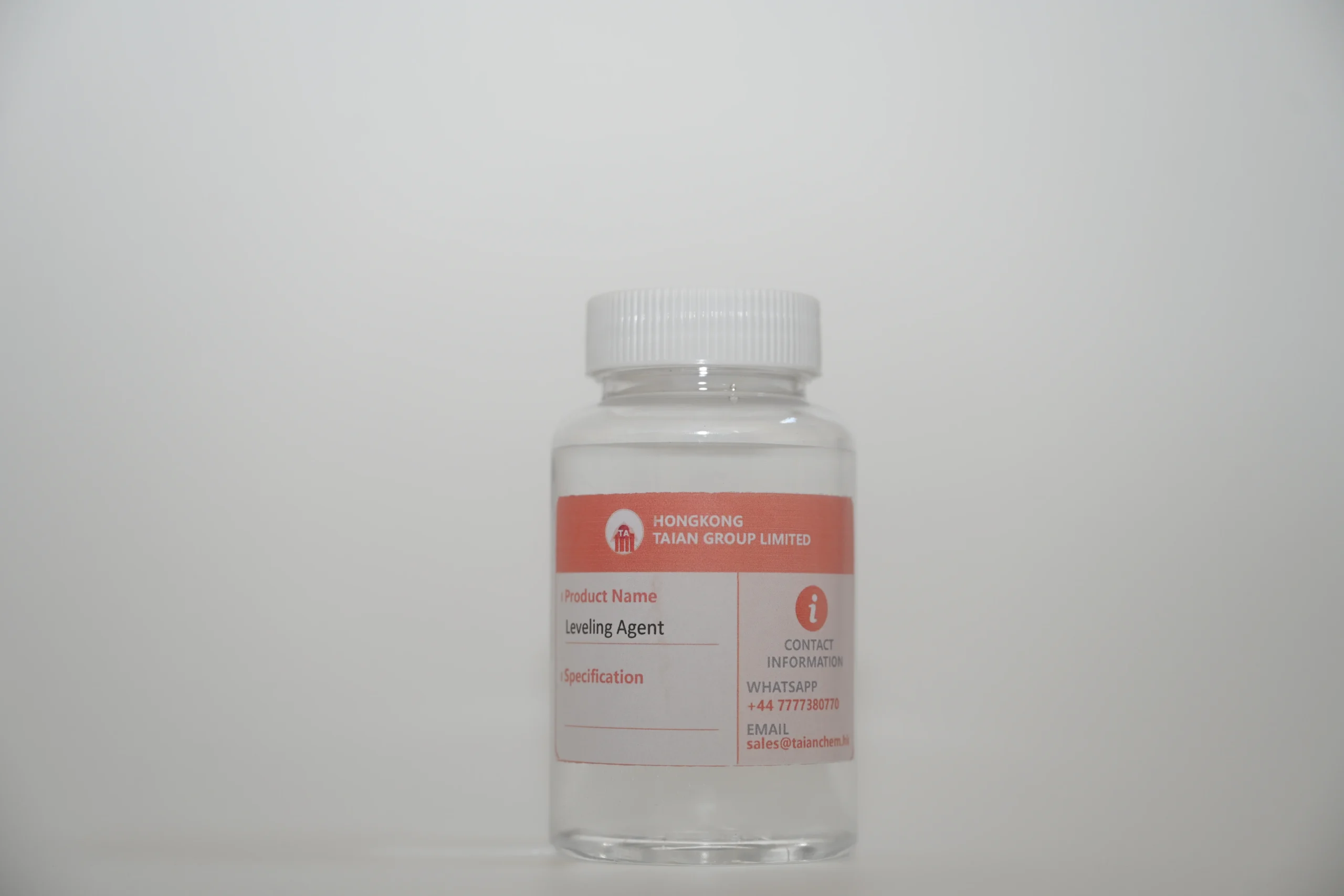
- Dyeing Auxiliaries: Leveling agents, dispersing agents, fixing agents, anti-foaming agents.
- Printing Auxiliaries: Thickeners, binders, anti-migration agents.
- Finishing Auxiliaries: Softeners, water repellents, flame retardants, wrinkle-free resins.
Each category contains a variety of specific chemicals tailored to different fiber types and desired outcomes. Understanding these categories is essential for selecting the correct auxiliaries for your specific application.
The Role of Textile Auxiliaries in Dyeing Processes
Dyeing is where textile auxiliaries play a particularly vital role. They ensure even dye distribution, enhance color fastness, and improve overall dyeing efficiency. For instance, leveling agents help prevent uneven dye uptake, dispersing agents keep dyes suspended in the dye bath, and fixing agents improve dye-fiber bonding. Choosing the right auxiliaries can prevent issues like shade variation, poor color yield, and dye migration.
Dyeing Auxiliary Benefits:
• Ensures even dye distribution
• Enhances color fastness
• Improves dyeing efficiency
• Prevents shade variation and dye migration
Textile Auxiliaries: A Comparison of Traditional vs. Sustainable Options
Traditionally, many textile auxiliaries were derived from petrochemical sources and could pose environmental concerns. However, there’s a growing demand for sustainable alternatives. Bio-based auxiliaries, derived from renewable resources like plants and microorganisms, are gaining popularity. These offer reduced toxicity and biodegradability. While often more expensive, the long-term benefits to the environment and brand reputation are becoming increasingly valuable. Dyeing chemical suppliers are actively developing and offering a wider range of eco-friendly options.
Selecting the Right Textile Auxiliaries: Partnering with a Reliable Supplier
Choosing the appropriate textile auxiliaries is crucial for optimizing your production process and achieving desired fabric properties. Factors to consider include the fiber type, the dyeing or finishing process, environmental regulations, and cost-effectiveness. Partnering with a knowledgeable and reputable supplier of textile auxiliaries, like Dyeingchem, can provide invaluable support and expertise. They can offer customized solutions, technical assistance, and ensure compliance with industry standards.
Conclusion: The Foundation of Quality Textile Production
Textile auxiliaries are indispensable components of modern textile manufacturing. They influence every stage of the process, from preparation to finishing, and directly impact the quality, performance, and sustainability of the final product. By understanding their types, applications, and the importance of choosing sustainable options, textile producers can optimize their operations and meet the evolving demands of the industry. Partnering with a reliable textile auxiliaries supplier is key to success.
Frequently Asked Questions (FAQs)
What is the environmental impact of traditional textile auxiliaries?
Traditional textile auxiliaries, often derived from petrochemicals, can have significant environmental impacts. These include potential water pollution due to persistent organic pollutants, toxicity to aquatic life, and contribution to greenhouse gas emissions during production. The use of certain auxiliaries may also lead to the formation of harmful byproducts during the textile process. Consequently, there's a growing movement towards adopting eco-friendly, bio-based alternatives.
How can I determine the correct auxiliary for my specific textile process?
Determining the correct auxiliary requires careful consideration of several factors, including the fiber type (cotton, polyester, nylon, etc.), the desired effect (dyeing, printing, finishing), and the specific processing conditions. It's best to consult with a technical expert or a reliable textile auxiliaries supplier who can analyze your process and recommend suitable products.
What are the benefits of using bio-based textile auxiliaries?
Bio-based textile auxiliaries offer several advantages, including reduced toxicity, biodegradability, and a smaller carbon footprint. They are derived from renewable resources, reducing dependence on fossil fuels. They often perform as effectively as traditional auxiliaries while minimizing environmental harm. Moreover, using bio-based auxiliaries can enhance a brand’s sustainability image and appeal to environmentally conscious consumers.
How can I ensure the safe handling and storage of textile auxiliaries?
Textile auxiliaries are chemical substances, and safe handling and storage are crucial. Always refer to the Safety Data Sheet (SDS) provided by the supplier for specific instructions. Generally, this includes wearing appropriate personal protective equipment (PPE) like gloves and eye protection, storing chemicals in well-ventilated areas away from heat and direct sunlight, and following proper disposal procedures. Proper labeling and segregation of incompatible chemicals are also essential.